
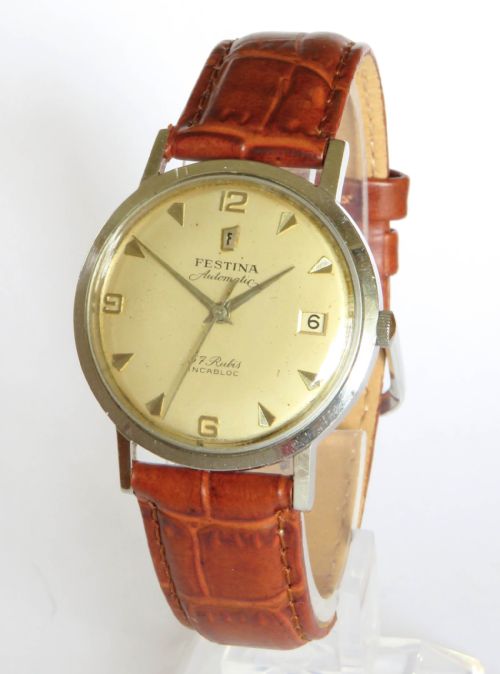
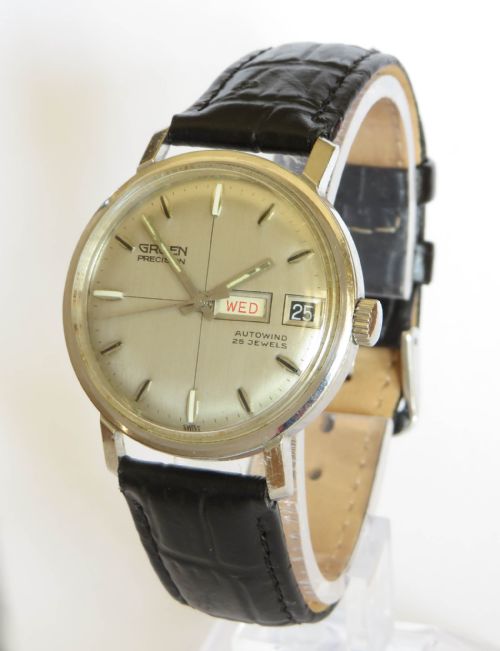
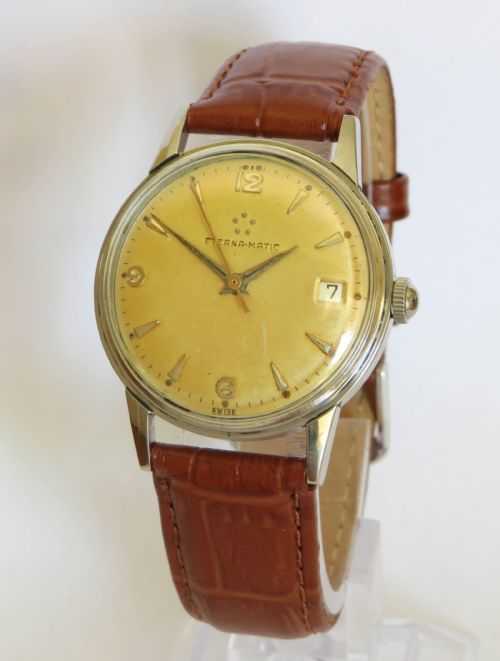
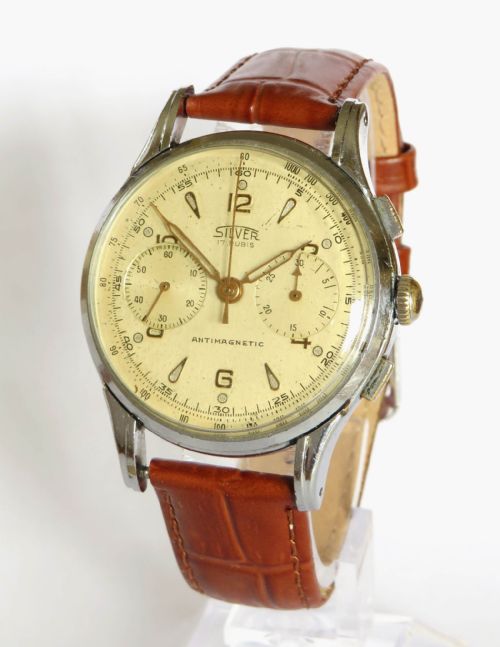
Vintage Gents Wrist Watch
A vintage gents wrist watch offers a direct link to mid-century mechanical design and daily utility.
Vintage Gents Wrist Watch
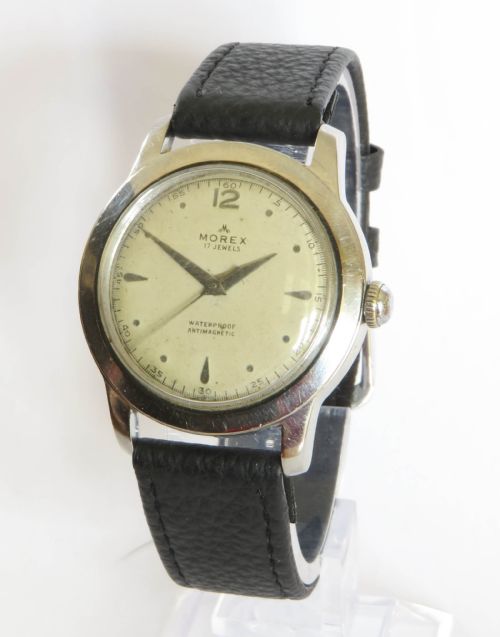
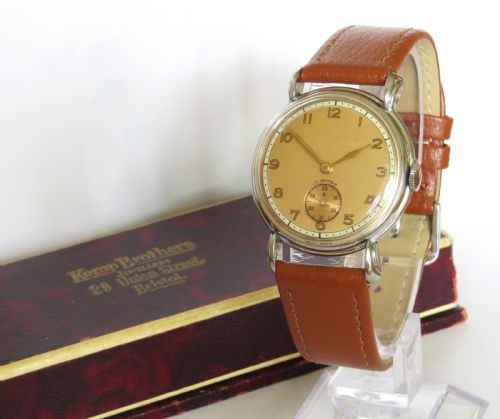
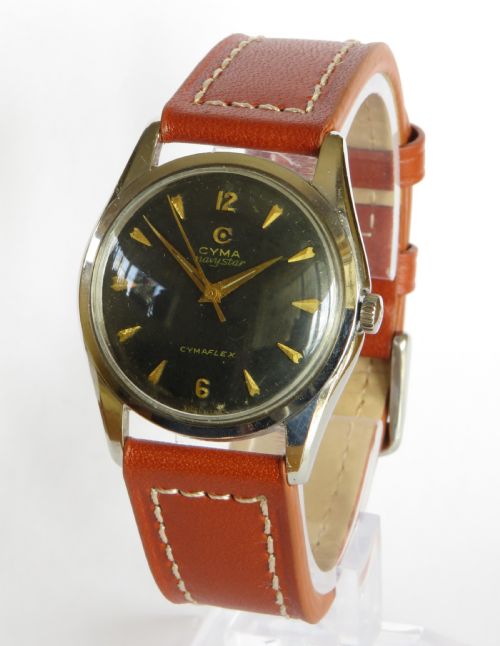
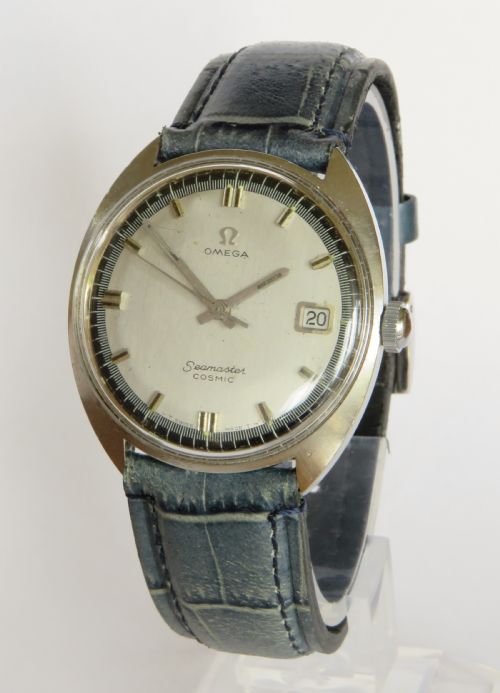
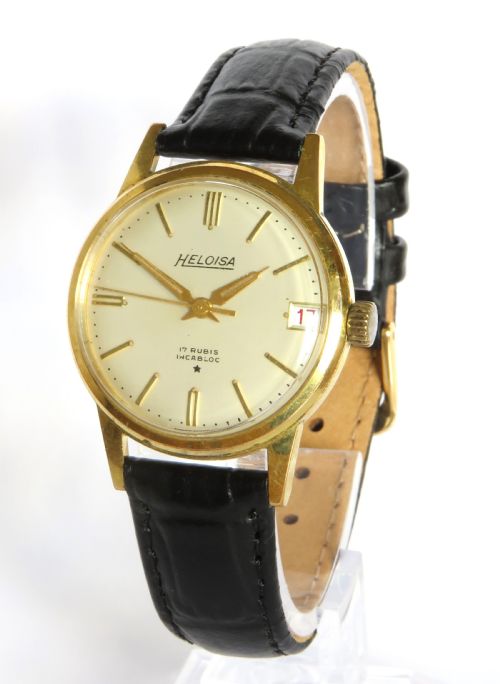
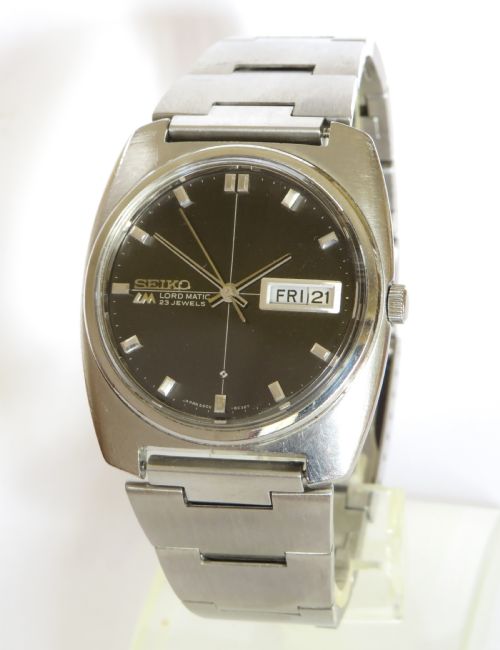
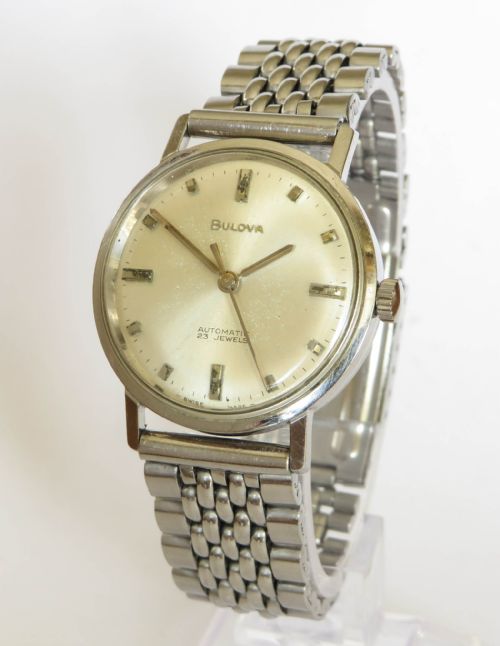
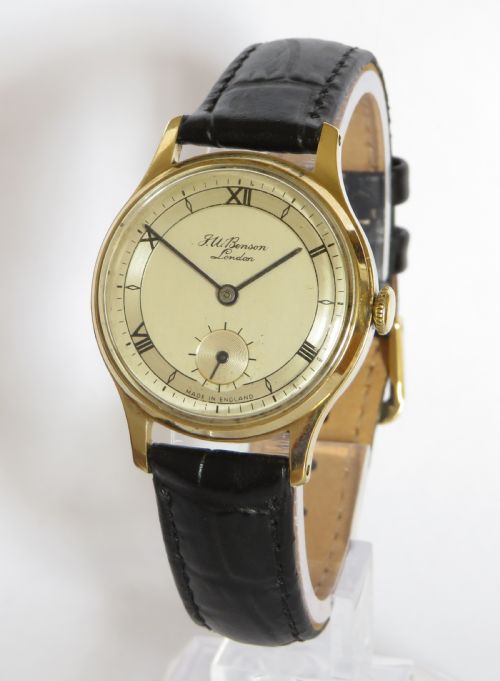
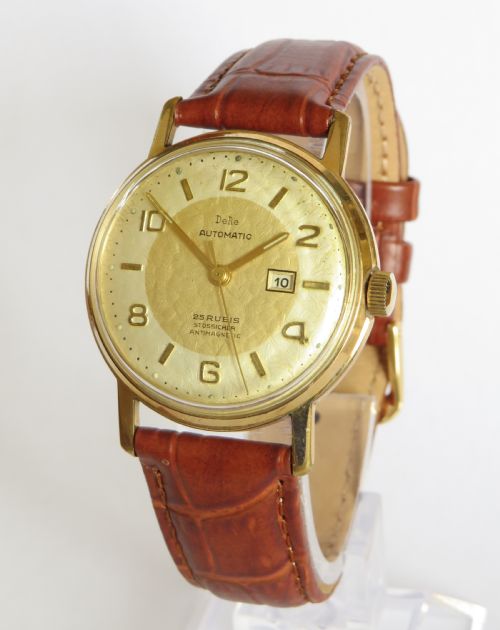
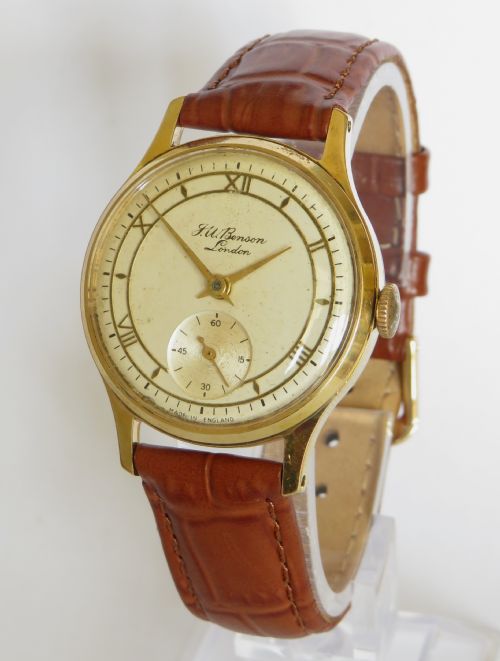
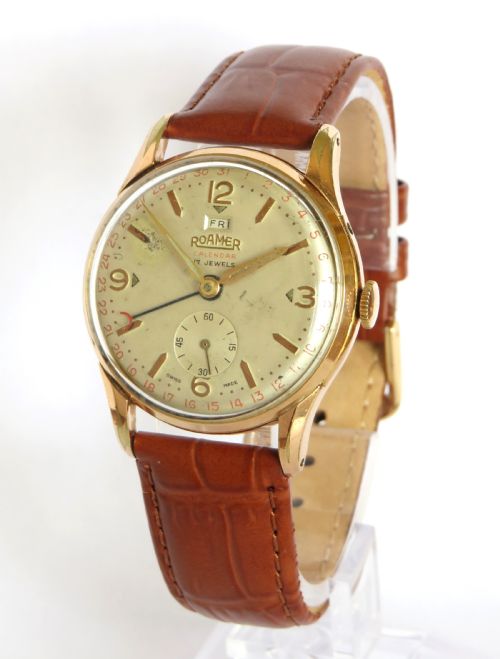
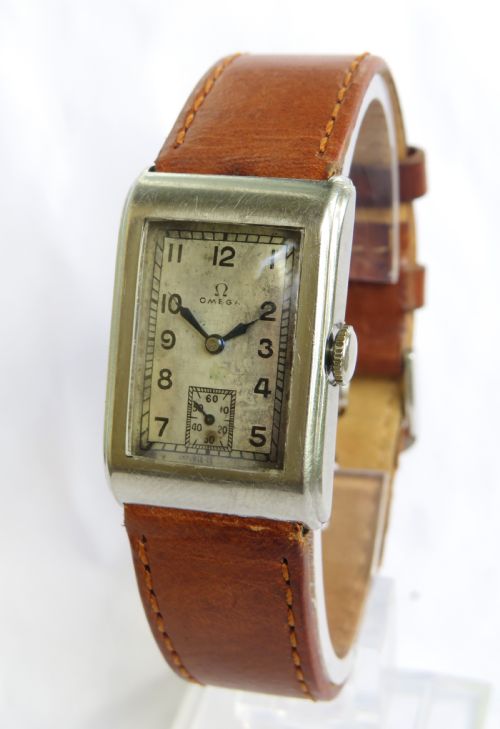
A vintage gents wrist watch represents mechanical timepieces produced primarily through the 1930s, 1940s, 1950s, and 1960s. These items range from simple daily wear pieces to specialised military and aviation chronographs.
Buyers browsing this selection will encounter a high proportion of mid-century Swiss and British mechanical watches. Common formats include automatic movements, calendar complications, and traditional hand-winding designs.
The aesthetic vocabulary spans from robust military specifications to refined Art Deco shapes and clean Mid-Century Modern dials. Each variant reflects the prevailing horological standards of its respective decade.
How They Were Made
Cases relied heavily on durable metals such as stainless steel, chrome, gold plate, and silver to protect the delicate internal mechanisms. Crystals protecting the dial were traditionally formed from clear acrylic, acrylic glass, or glass.
Straps were predominantly fashioned from supple leather to ensure comfort on the wrist during daily wear. Mechanical movements inside were assembled by skilled watchmakers using intricate gear trains, jewelled bearings, and precise escapements.
Some vintage automatic watches gently tap against your wrist like a tiny mechanical heartbeat as you pour your morning tea.
What Varies in Quality
The standard of a vintage gents wrist watch depends significantly on the reputation of the maker and the complexity of the movement housed inside. Pieces featuring renowned Swiss calibres or specialised chronograph functions typically demonstrate higher manufacturing ambition.
Condition and originality also dictate standing within the category. Examples retaining unpolished steel cases, original signed dials, and factory crowns command greater attention from collectors than heavily altered counterparts.
Omega·Cyma·Seiko·Bulova·Smiths·Longines·Tissot·Roamer·Wittnauer·Certina·Jaeger LeCoultre·Rolex·Breitling·Vacheron Constantin·Girard Perregaux·Hamilton·Elgin
The Vintage Gents Wrist Watch Glossary
- Automatic
- A self-winding mechanical movement that uses the natural motion of the wearer's wrist to power the watch. This mechanism relies on a weighted rotor that spins as the person moves.
- Chronograph
- A watch equipped with a stopwatch function alongside its standard timekeeping display. These complications often feature subsidiary dials to measure elapsed seconds and minutes.
- Acrylic
- A lightweight plastic material commonly utilised for watch crystals during the mid-century period. It offers flexibility and can be easily polished to remove minor surface scratches.
- Calibre
- The specific internal movement design or model designation created by a watch manufacturer. Collectors often reference the calibre number to identify the exact mechanical lineage of a piece.
- Bumper automatic
- An early type of automatic movement where the rotor swings back and forth within a limited arc rather than making a full rotation. The weighted hammer strikes internal springs, creating a distinct physical pulse on the wrist.
Vintage Gents Wrist Watch: Frequently Asked Questions
How do I wind a manual vintage watch?
Gently rotate the crown clockwise between your thumb and forefinger until you feel moderate resistance. Stop immediately once tension increases to avoid damaging the internal mainspring.
Most hand-winding pieces require a daily routine to maintain continuous operation throughout waking hours.
Are vintage watches waterproof?
Historic timepieces rarely maintain their original moisture seals and gaskets after decades of ageing. Exposure to water or heavy humidity can quickly rust delicate steel components inside the case.
Keep older wristwatches entirely away from swimming pools, showers, and heavy rain unless professionally tested.
How accurate are mechanical vintage watches?
Mechanical calibres from the mid-century era generally deviate by a small number of seconds per day compared to modern quartz technology. Temperature shifts and physical wear naturally influence daily timekeeping consistency.
Routine servicing by a professional watchmaker helps restore optimal precision to older gear trains.
Can I wear a vintage watch daily?
These items were originally engineered for everyday use and function well with sensible care. Rotating pieces and avoiding violent impacts preserves the mechanical integrity for ongoing enjoyment.
Many owners pair leather straps with business or casual attire for regular daily wear.