


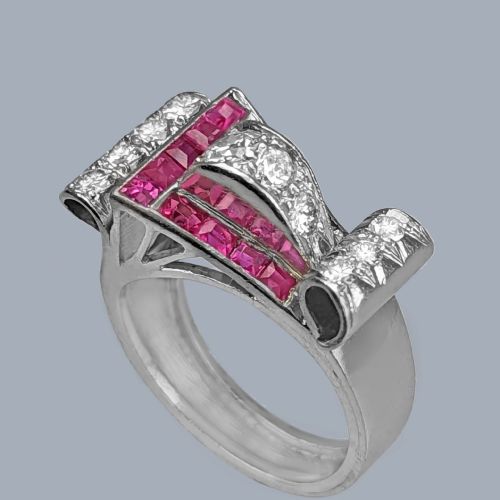
Vintage Gemstone Jewellery
Vintage gemstone jewellery brings together enduring metals and striking stones, offering buyers a wearable piece of mid-century and earlier design history.
Vintage Gemstone Jewellery
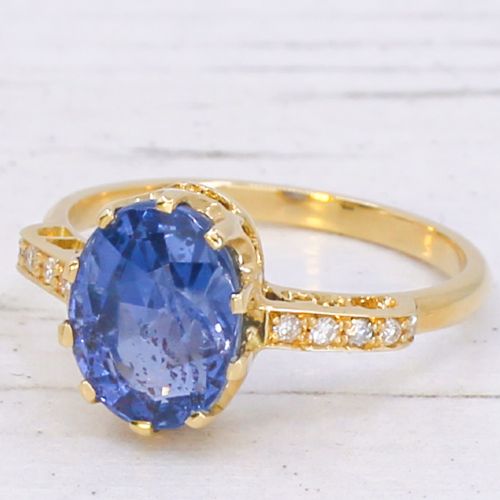
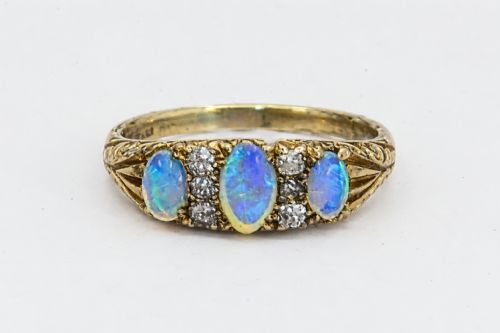
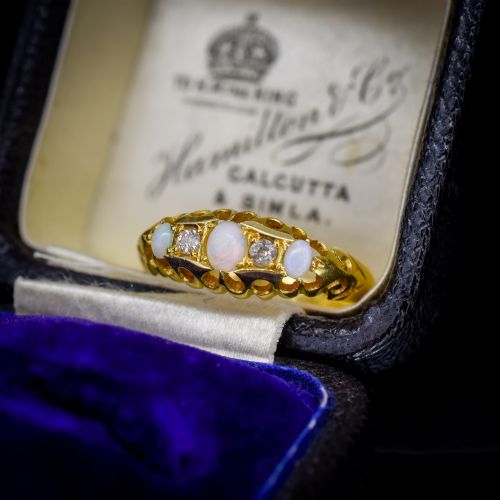
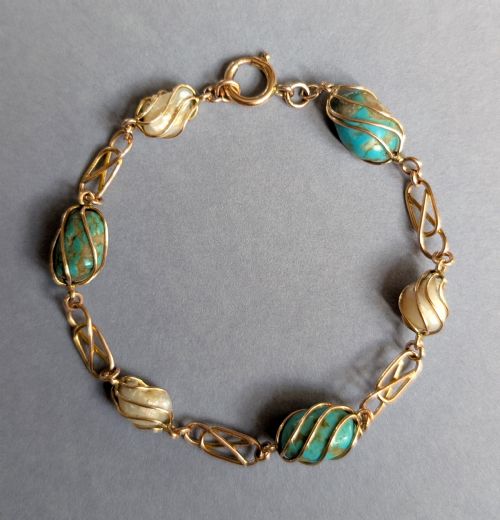
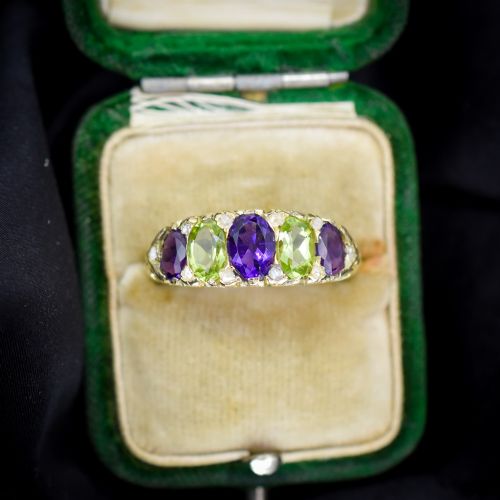
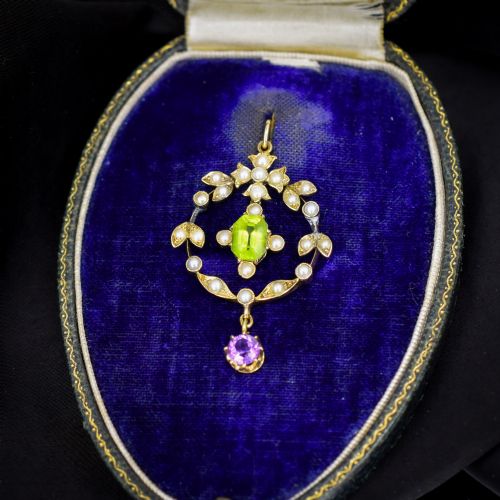
Vintage gemstone jewellery encompasses rings and necklaces featuring coloured stones and diamonds set in gold or silver. These pieces hail from periods such as the nineteen-twenties and nineteen-fifties, capturing distinct eras of craftsmanship.
The selections span mid-century modern aesthetics alongside Edwardian sensibilities. Each piece reflects the dominant styles and material preferences of its respective decade.
How vintage gemstone jewellery was made
Maker construction relies on precious metals such as eighteen-carat yellow gold, white gold, fourteen-carat gold, and silver to form the structure of rings and necklaces. These metals provide secure settings for brilliant-cut diamonds and faceted coloured stones.
Techniques involve precision faceting for stones like citrine, aquamarine, and sapphire to maximise light reflection. Clasps and mountings are integrated carefully into pieces like pearl necklaces and dress rings to ensure durability.
Vintage Gemstone Jewellery Retail Price Guide 2026
Typical asking prices for vintage gemstone jewellery among the pieces listed under this phrase on Sellingantiques today, from the lower quarter to the upper quarter. They describe what is for sale here now, not the wider market.
Materials include eighteen-carat yellow gold, fourteen-carat gold, white gold, and silver paired with diverse gemstones.
What varies in quality
Quality differences emerge in the scale and treatment of the gemstones, from substantial faceted stones to delicate pearl arrangements. The choice between eighteen-carat yellow gold, white gold, and silver alters both the weight and visual balance of a piece.
The stylistic execution separates standard production from refined examples, particularly across mid-century modern and Edwardian designs. Precision in stone cutting and the robustness of metalwork define the upper tier of the range.
The Vintage Gemstone Jewellery Glossary
- Brilliant Cut
- A specific diamond cut designed to maximise light return through numerous facets. This cutting style appears on solitaire rings.
- Faceted
- A stone cut with multiple flat polished surfaces to enhance brilliance and colour reflection. Citrine and aquamarine utilise this technique.
- Solitaire
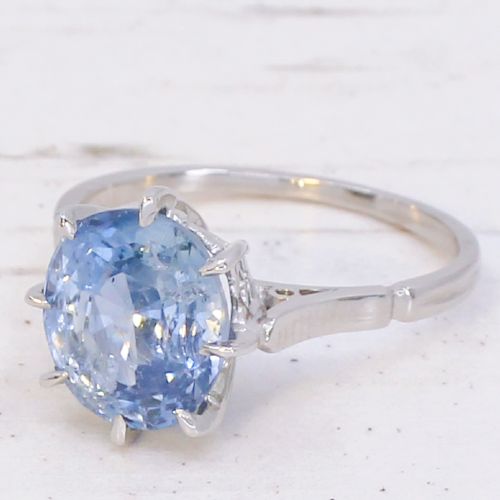
- A jewellery setting featuring a single gemstone, commonly applied to diamond rings. This highlights the central stone without distraction.
- Dress Ring
- A substantial decorative ring worn for social occasions rather than daily use. Pieces featuring large aquamarines fall into this category.
Vintage Gemstone Jewellery: Frequently Asked Questions
What periods do these pieces span?
The current selection covers items originating from the nineteen-twenties, nineteen-fifties, and nineteen-sixties. These dates reflect Edwardian and mid-century modern design movements.
Each period imparts distinct characteristics to the gold settings and gemstone arrangements.
What metals are commonly used?
Makers utilised eighteen-carat yellow gold, fourteen-carat gold, white gold, and silver across these rings and necklaces. These precious metals provide the necessary foundation for securing stones.
Yellow gold and silver dominate the mid-century selections available on the page.
How do I care for pearl necklaces?
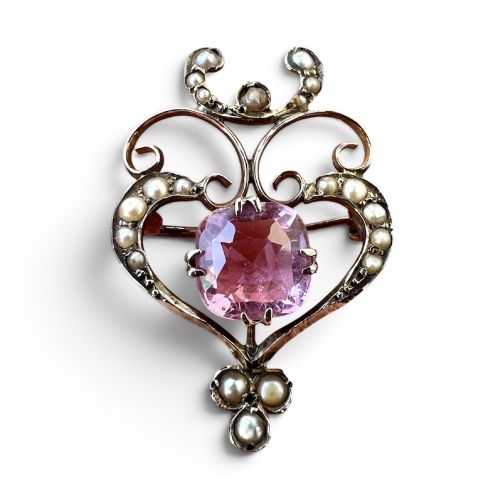
Pearl necklaces require gentle cleaning and safe storage away from harsh chemicals or abrasive surfaces. The integrated clasps, such as those holding amethysts, should be checked periodically.
Handling pearls with clean hands preserves their natural lustre over time.
What gemstone types are featured?
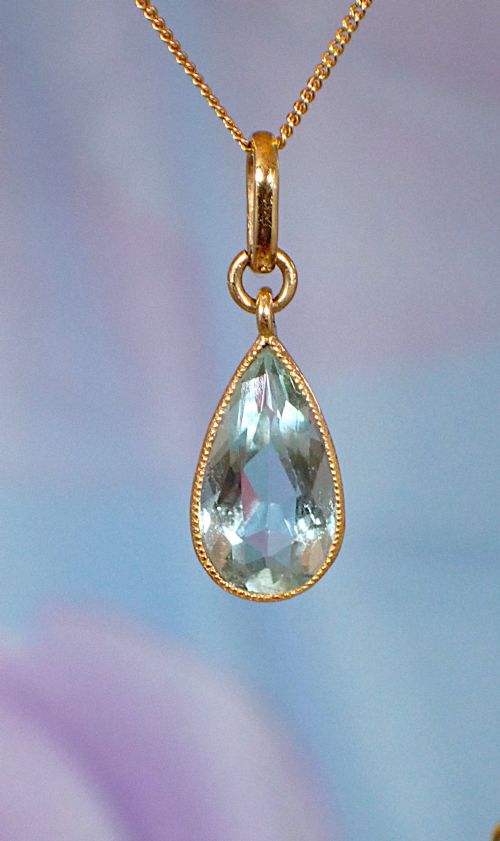
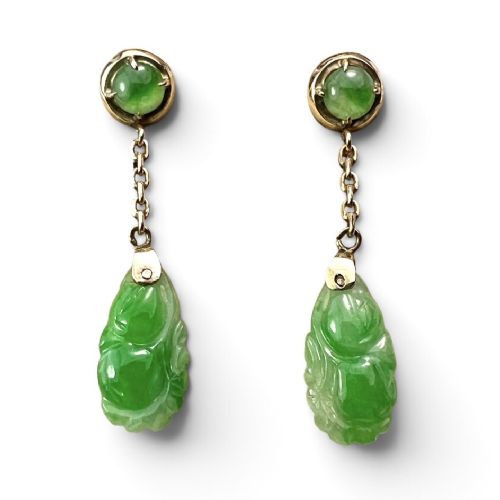
The inventory includes diamonds, citrine, pearls, amethyst, aquamarine, and sapphire. These stones appear individually or paired within rings and necklaces.
Size and carat weights vary significantly from large faceted citrines to delicate pearl strands.
How do I distinguish mid-century styles?
Mid-century modern pieces often emphasise bold stone sizes and clean metal lines in yellow gold. Earlier Edwardian items may display finer detailing around the gemstone settings.
Comparing the cut of the stones and the gold weight helps clarify the era.