




Vintage Garnet Diamond Ring
A vintage garnet diamond ring brings together deep red stones and brilliant sparkle, offering rich colour and historic character for everyday wear.
Vintage Garnet Diamond Ring
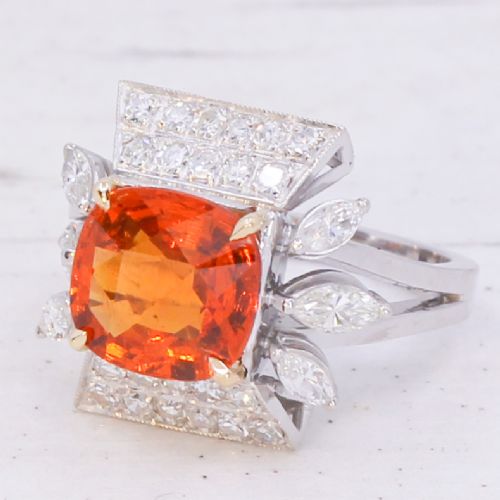
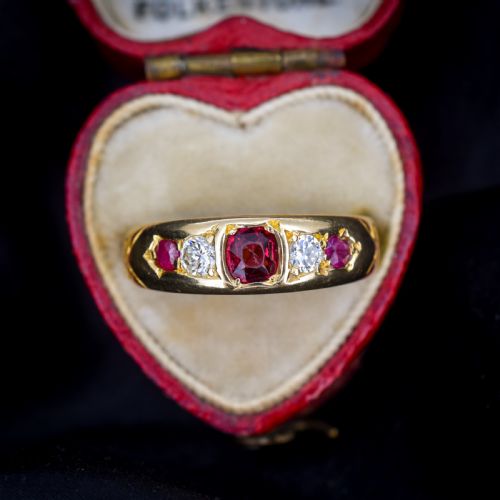
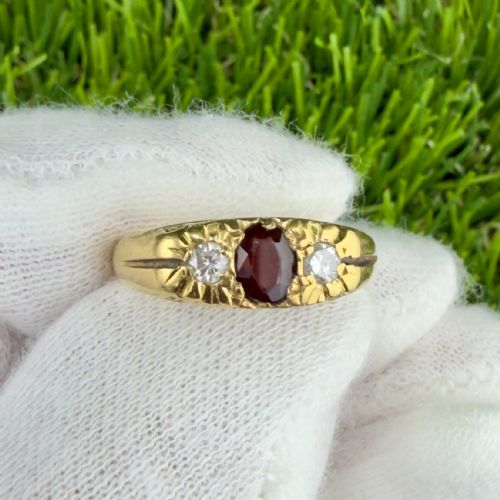
A vintage garnet diamond ring combines the fiery red tones of garnets with the clear brilliance of diamonds, forming a striking contrast that has appealed to buyers across multiple eras. These pieces appear in varied forms, from intimate band rings to substantial cocktail rings designed for standout wear.
Materials and construction
Goldsmiths shaped these rings primarily using 9ct gold, 18ct gold, white gold, and platinum as structural metals. Precious stones were meticulously set by hand to secure both the central garnets and accompanying diamonds.
Cluster and trilogy configurations required precise alignment to balance the darker red tones of garnets with the reflective fire of diamonds. Metalwork ranges from yellow gold bands to intricate white gold and platinum mountings.
Materials documented across the inventory include bloodstone, opal, emerald paste, and ruby alongside standard garnets and diamonds.
Factors that distinguish fine examples
The distinction between standard examples and superior pieces rests on the depth of colour in the garnet and the cut and clarity of the diamonds. Rarer garnet varieties, such as demantoid or bright orange stones, elevate the character of a piece significantly.
The integrity of the setting and the refinement of the metalwork, whether yellow gold or platinum, dictate the overall craftsmanship. Period authenticity and the harmony of the stone arrangement determine the standing of each ring.
The Vintage Garnet Diamond Ring Glossary
- Cluster ring
- A ring featuring a central stone surrounded by a circle of smaller stones, commonly pairing a garnet centre with diamond accents. This layout maximises visual impact on the hand.
- Trilogy ring
- A ring set with three stones in a row, often symbolising past, present and future. In this category, a central garnet is typically flanked by diamonds.
- Platinum
- A dense, durable white metal used for secure stone settings and fine jewellery fabrication, particularly from the Edwardian era onwards.
- Paste
- Hand-cut glass used in historical jewellery to imitate gemstones. It provides colour and sparkle without natural mineral origins.
Vintage Garnet Diamond Ring: Frequently Asked Questions
How do I care for a vintage garnet diamond ring?
Garnets and diamonds require gentle cleaning with warm soapy water and a soft brush, avoiding harsh chemical dips. Store the ring separately to prevent harder diamonds from scratching the softer garnet stones.
Regular checks by a jeweller ensure the claw settings remain secure around each stone. Removing the ring during heavy manual work protects the metal and stones from undue impact.
Can I wear these rings every day?
Many of these pieces suit daily wear, provided they are constructed from durable metals like 18ct gold or platinum. Thinner 9ct gold bands from the mid-century may show wear over time with constant friction.
Evaluating the thickness of the shank and the condition of the stone settings helps determine suitability for everyday use. Gentle handling preserves delicate historical mountings.
How do I identify the period of the ring?
Stylistic cues such as the geometric symmetry of Art Deco or the delicate filigree of Edwardian work offer strong clues to a ring's origin. Hallmarks stamped inside the band provide official assay office markers and date letters.
Comparing the stone cuts, such as old European cuts against later modern cuts, further narrows down the manufacturing decade. Professional appraisal confirms these stylistic details.
What is the difference between a cocktail ring and a dress ring?
Cocktail rings are traditionally larger, bolder statement pieces designed to be noticed at evening gatherings. They often feature prominent cluster settings with substantial central stones.
Dress rings encompass a broader range of styles intended for ornamental wear rather than daily utility. Their proportions vary widely across Victorian and mid-century examples.