

Vintage Garden Urns
These vintage garden urns bring classical presence and textured weight to exterior spaces through enduring metal and terracotta forms.
Vintage Garden Urns
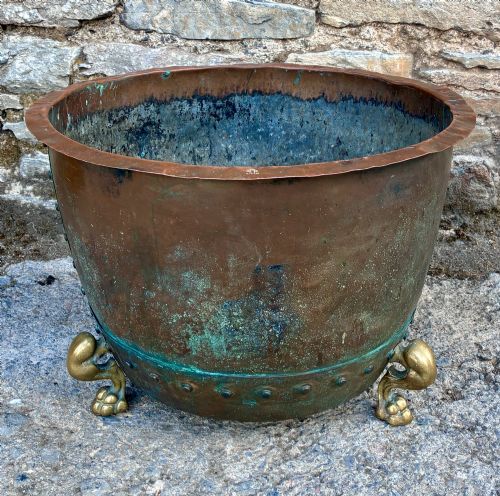
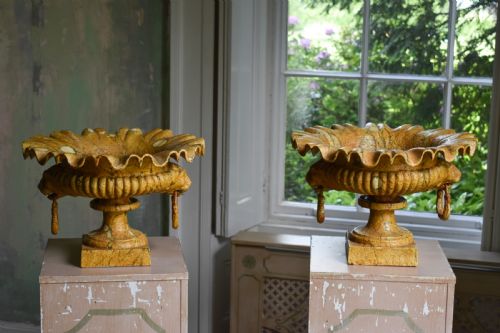
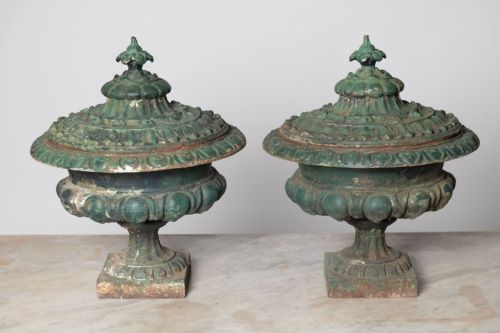
Vintage garden urns encompass classical vessels, planters, and pedestals designed for exterior display across the nineteenth and twentieth centuries. These objects range from heavy metal campana shapes to weathered earthenware jars originating from British, French, and Mediterranean makers.
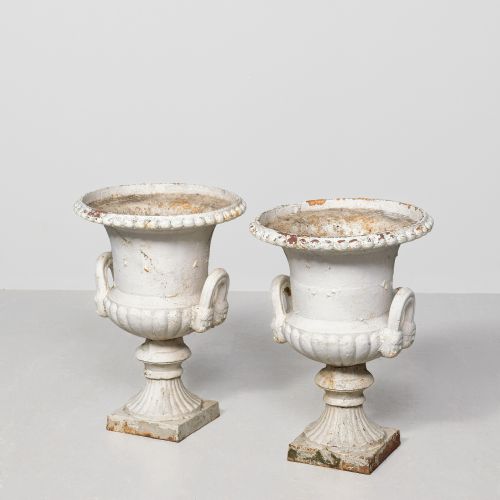
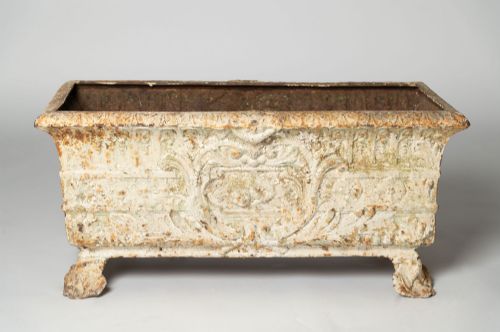
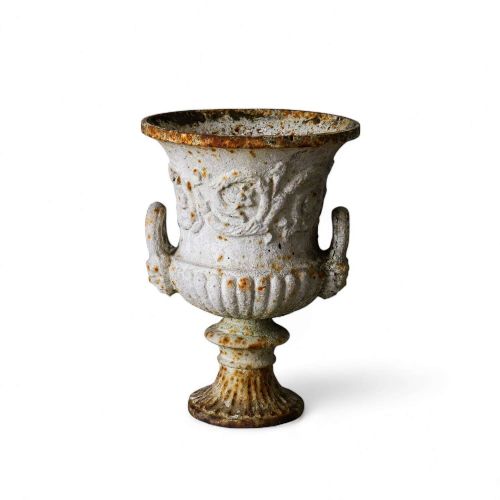
Buyers frequently encounter cast iron examples cast in classical revival or Victorian styles, often paired with matching plinths or bases. Terracotta oil jars and earthenware pots also feature prominently among the available garden vessels.
The selection spans periods from the Victorian era through the Edwardian years and into the early twentieth century. Forms include traditional campana profiles, jardinieres, and specialised strawberry planters.
How they were made
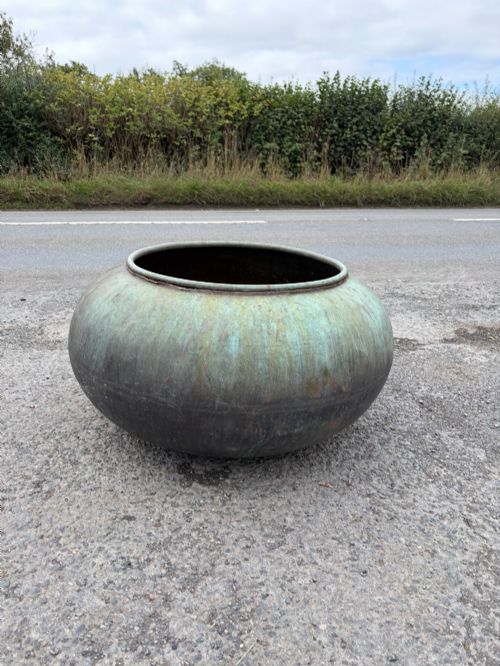
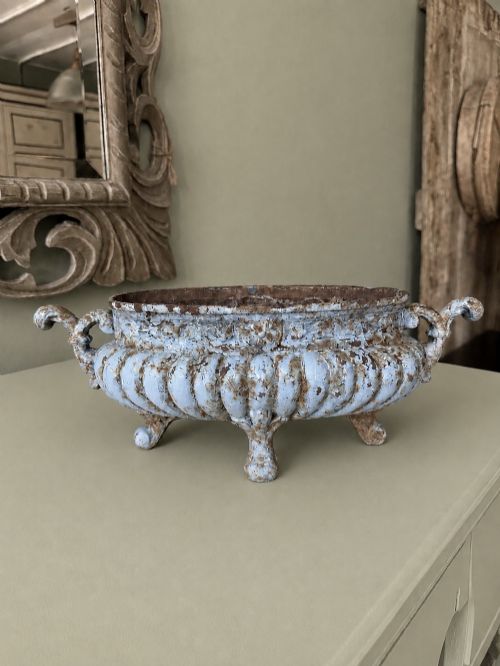
Metal vessels rely on foundational foundry work, utilising cast iron and wrought iron poured or forged into intricate decorative shapes. Many iron pieces display original distressed paint finishes or accumulated outdoor weathering.
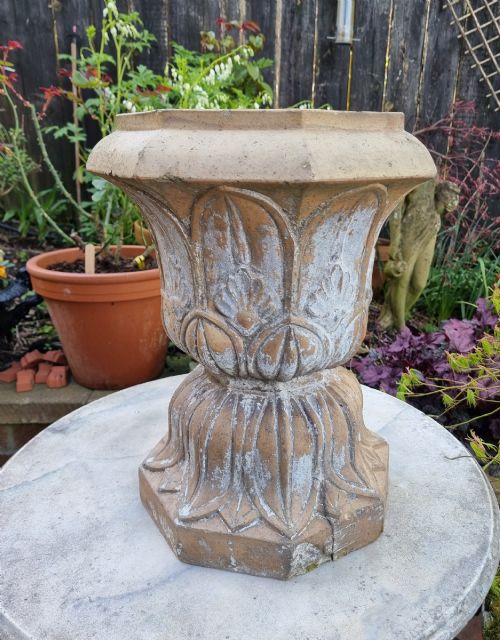
Terracotta and earthenware pieces draw upon regional clay traditions, shaped into large oil jars, storage vessels, and campana shapes. Salt glazing and hand-finishing techniques add distinct surface textures to the fired clay bodies.
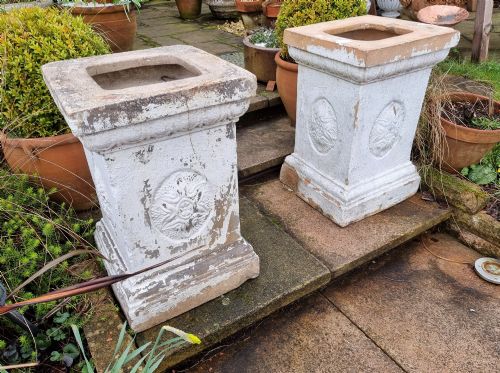
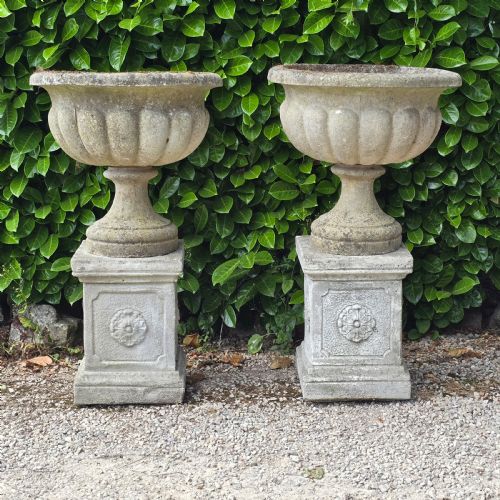
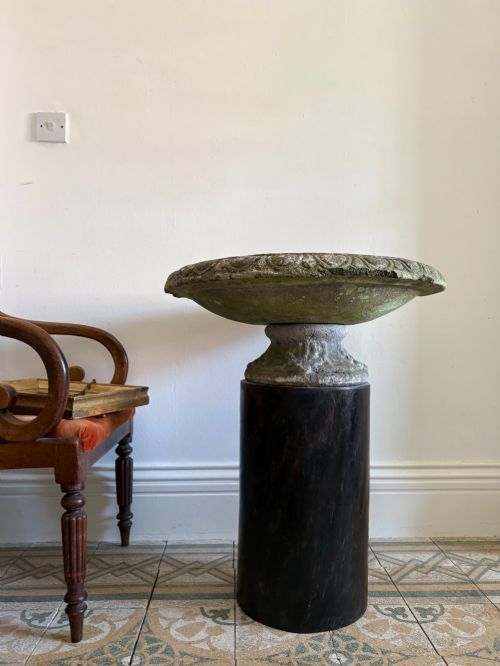
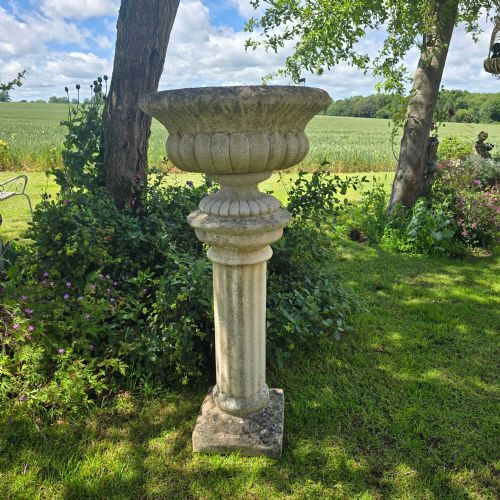
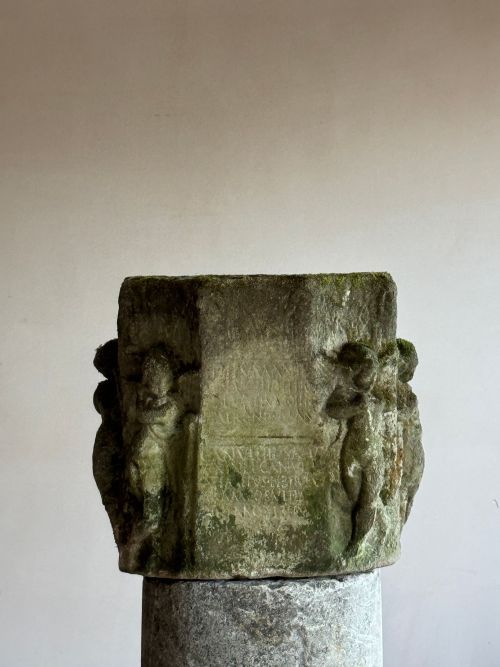
Cast stone and reconstituted stone pieces utilise aggregated mixtures moulded into neoclassical birdbaths, pedestals, and architectural planters. Soft stone varieties also appear, shaped through traditional masonry methods.
Materials represented across the inventory include cast iron, terracotta, reconstituted stone, wrought iron, and salt-glazed earthenware.
What varies in quality
The crispness of casting detail distinguishes superior metal urns from simpler productions, particularly where classical acanthus leaves and gadrooning define the surface. Foundries with established reputations produce cleaner lines and more balanced proportions on campana bodies.
Material density and firing consistency dictate the longevity of terracotta and stone pieces. Well-weathered surfaces that show genuine patination without structural compromise indicate superior initial composition and balanced curing.
Completeness of design, such as retaining original lids, matching plinths, or paired configurations, elevates the standing of an assembly. Surface treatments like original paint layers or historical patinas preserve the integrity of the object.
Dunfermline Clay Company·Coalbrookdale·Andrew Handyside·Val D'Osne Foundry
The Vintage Garden Urns Glossary
- Campana
- A bell-shaped garden urn featuring an everted rim and a tapered body rising from a pedestal base. This classic silhouette dominates nineteenth-century metal and terracotta gardenware.
- Jardiniere
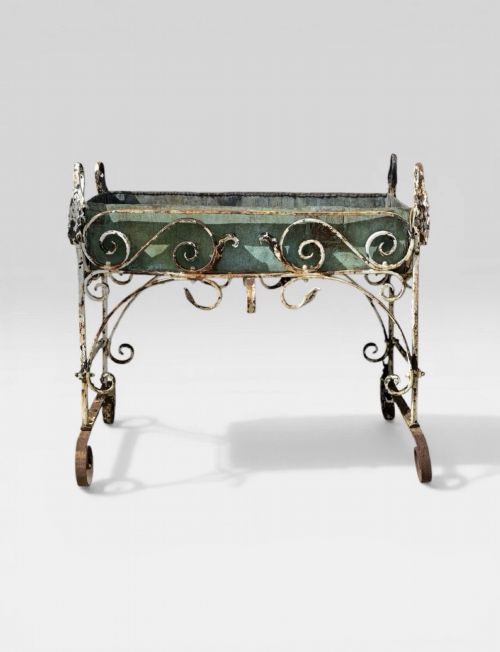
- An ornamental pot or stand designed to hold growing plants or flowers. These vessels appear in both cast iron and glazed earthenware formats.
- Faux Bois
- A decorative technique mimicking wood grain on durable materials like salt-glazed stoneware. This style creates organic, tree-like textures on garden planters.
- Plinth
- A heavy rectangular or square base supporting an urn or pedestal. Plinths elevate garden vessels to improve sightlines and display presence.
- Patina
- The surface appearance acquired through age, weathering, and use. Natural patination adds depth to cast iron, stone, and terracotta surfaces.
Vintage Garden Urns: Frequently Asked Questions
How do I secure a heavy cast iron urn outdoors?
Heavy cast iron urns generally stay secure under their own considerable weight when placed on level ground or a stone plinth.
For added stability in exposed gardens, positioning the vessel on a matching pedestal or embedding base pins prevents accidental tipping during high winds.
Can terracotta garden urns stay outside during winter?
Terracotta and earthenware vessels absorb moisture, which expands during freezing temperatures and can cause the clay to crack.
Moving vulnerable pots under cover or emptying and wrapping them during hard frosts protects the porous material from weather damage.
How do I clean weathered metal urns without losing the patina?
Washing metal surfaces with lukewarm water and a soft brush removes dirt and organic debris without disturbing historical paint or oxidation.
Harsh chemical cleaners and abrasive scraping tools strip away the aged layers that define the character of vintage ironwork.
What is the difference between an oil jar and a campana urn?
Oil jars feature large, bulbous bodies with narrow necks and small mouths, originally designed for storing and transporting liquids like olive oil.
Campana urns present an open, flared bell shape specifically proportioned for planting flowers and trailing foliage.