






Vintage Games Cabinet
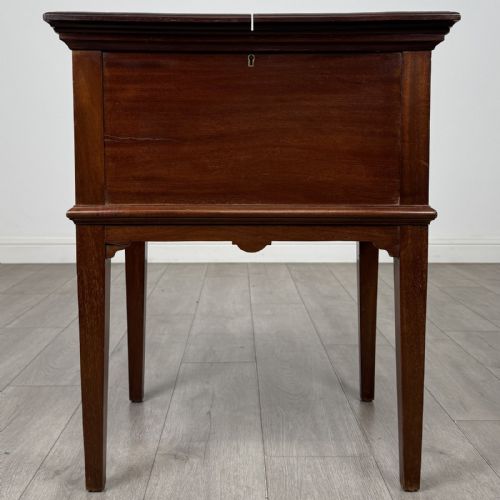
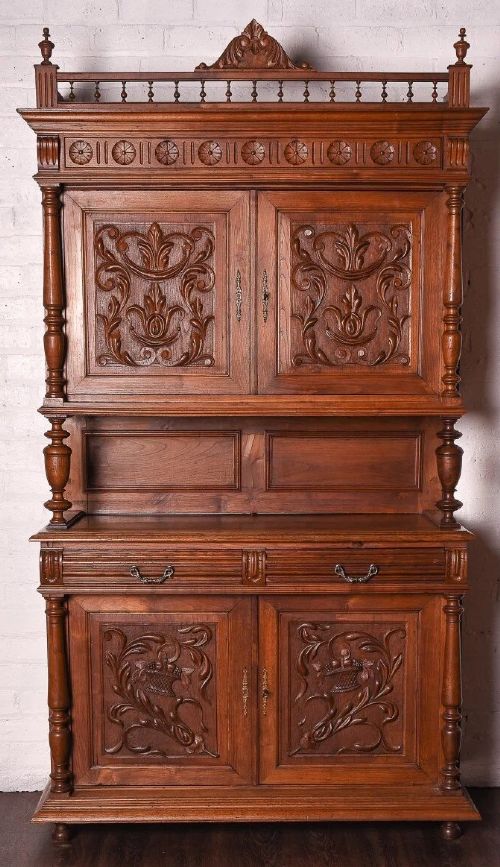
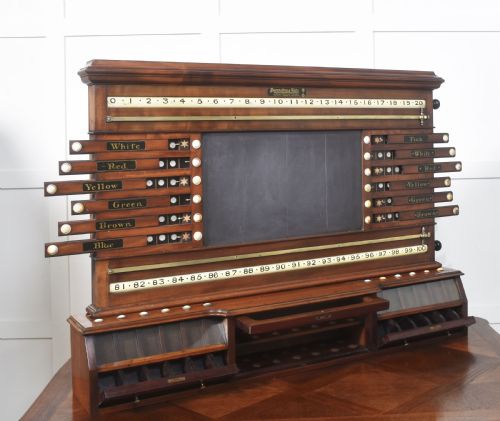
A vintage games cabinet brings together polished timber and fitted internal compartments for parlour pastimes, offering both a decorative focal point and functional storage.
Vintage Games Cabinet
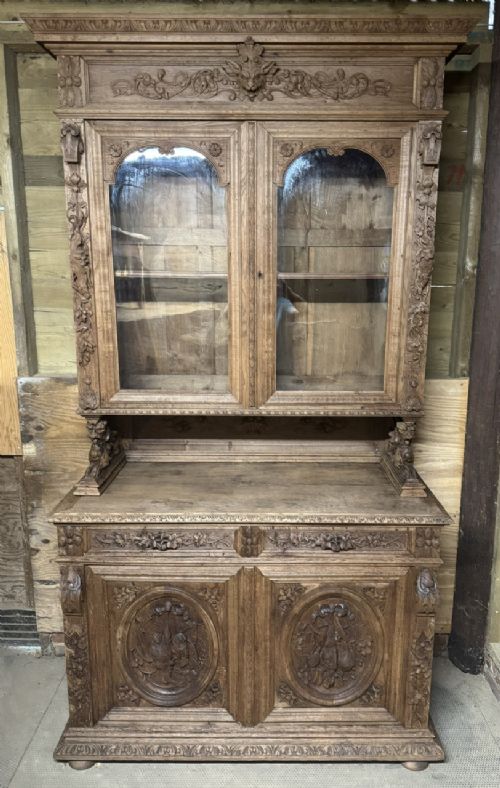
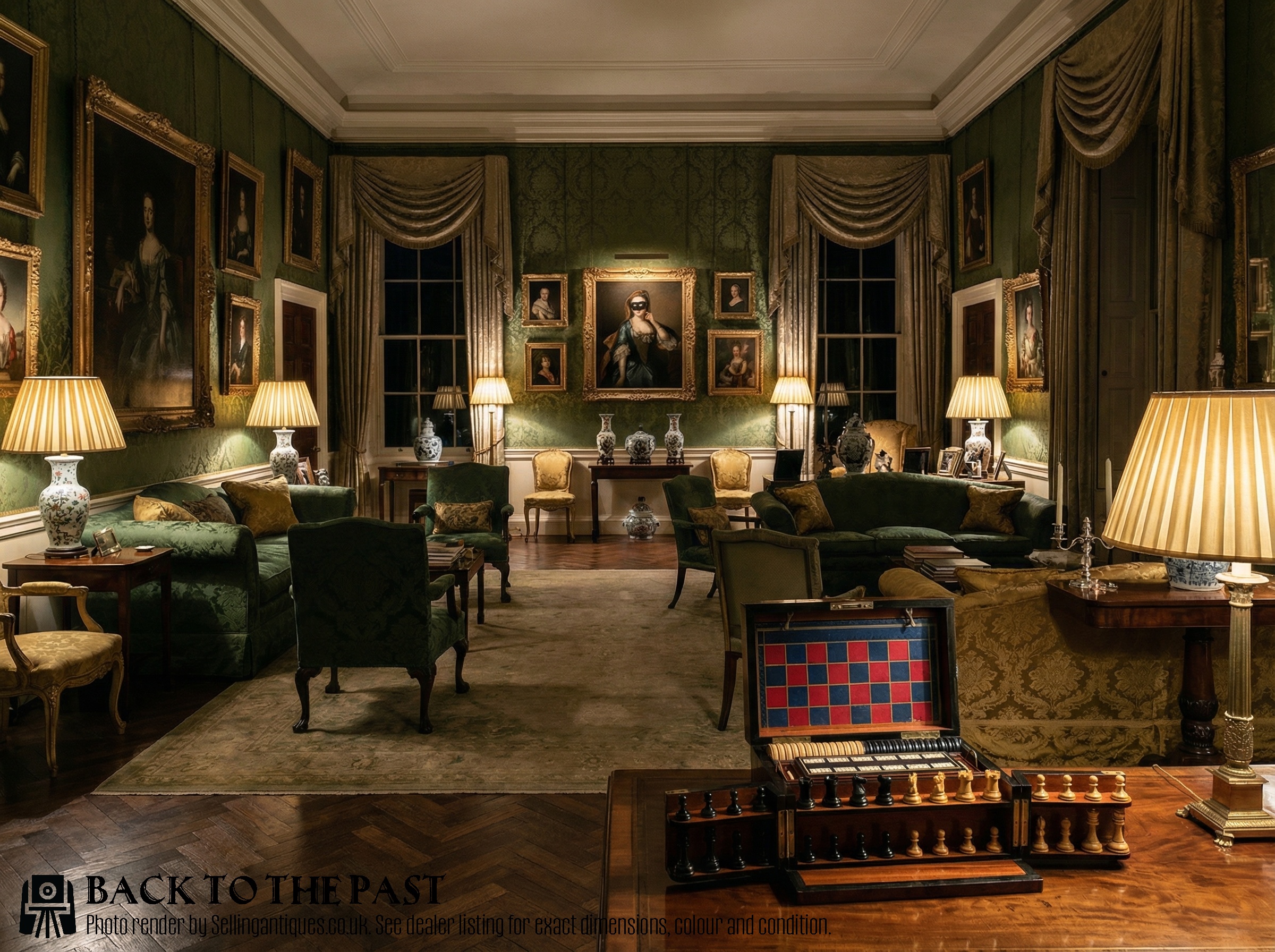
A vintage games cabinet encompasses sophisticated wooden compendiums, specialised scoreboards, and multi-purpose furniture designed to house pastimes from the Victorian and Edwardian eras. Buyers exploring this category encounter everything from French walnut hunt boxes to elaborate oak score cabinets and combination tables.
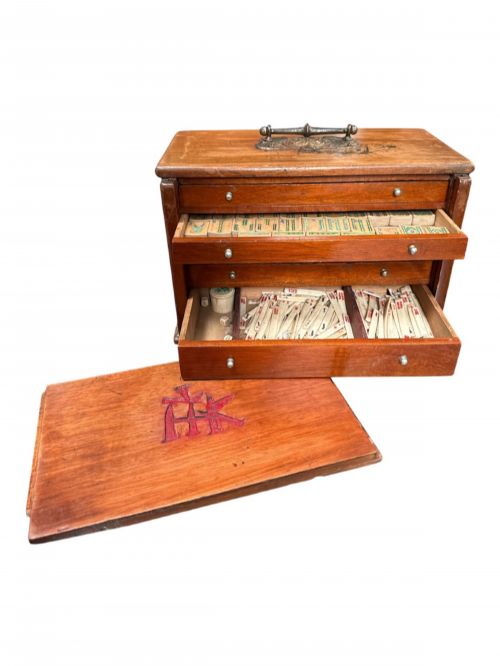
The version most commonly met on this page is the nineteenth-century or early twentieth-century wooden compendium, often combining a tantalus, dry bar, or smoking cabinet with fitted compartments for cards and boards. These pieces reflect the leisurely pursuits of elite drawing rooms, constructed from substantial hardwoods like mahogany, walnut, and oak.
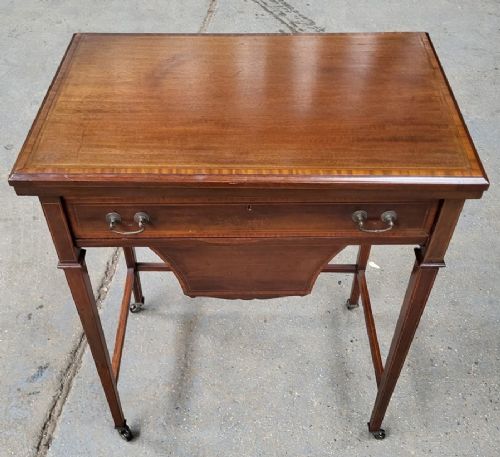
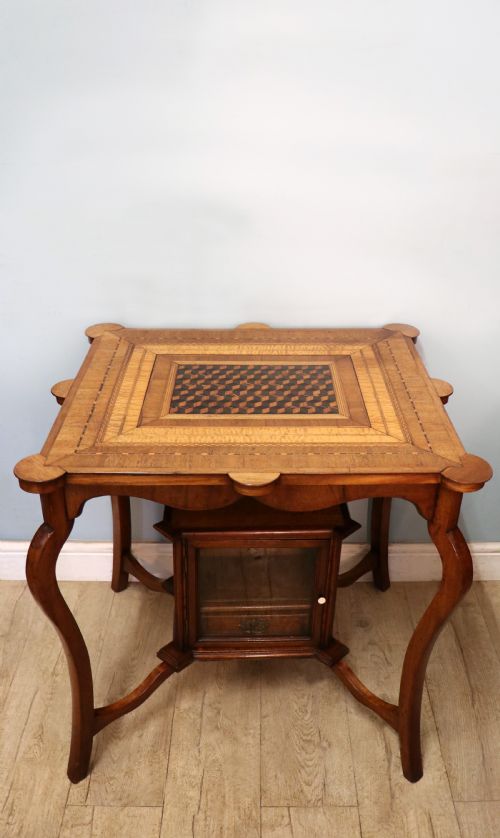
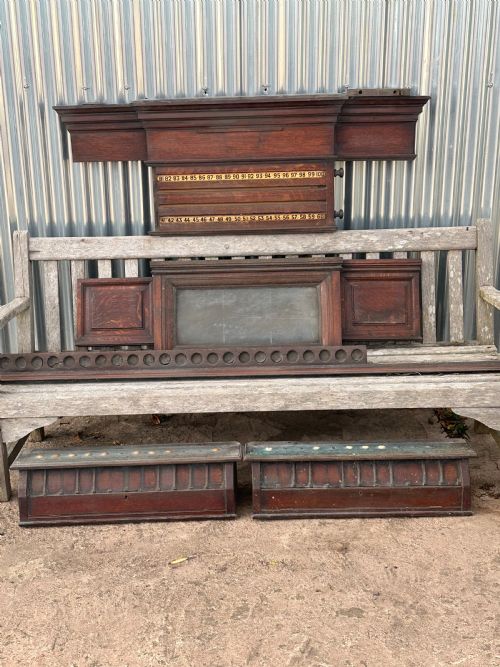
Other variations include dedicated billiard and snooker scoreboards alongside work tables that double as sewing and gaming surfaces. Makers of the period engineered these containers to conceal their recreational contents discreetly behind cross-banded veneers and brass mounts until evening entertainment commenced.
How they were made
Cabinet makers utilised dense timbers such as mahogany, oak, and burr walnut as the structural foundation, often enhancing surfaces with satinwood inlay and cross-banding. These woods provided the necessary durability to withstand the heavy usage of family parlours and billiard rooms.
Metal components like brass formed hinges, carrying handles, and locking mechanisms, while internal fitments frequently incorporated bone, glass, and slate. Joinery techniques from the nineteenth and early twentieth centuries ensured that complex sliding trays and folding lids operated smoothly within the main carcass.
Vintage Games Cabinet Retail Price Guide 2026
Typical asking prices for vintage games cabinet among the pieces listed under this phrase on Sellingantiques today, from the lower quarter to the upper quarter. They describe what is for sale here now, not the wider market.
Listings feature items built from oak, walnut, mahogany, and satinwood across the Victorian and Edwardian eras.
What varies in quality
The distinction between ordinary production and superior craftsmanship lies in the precision of the internal fitments and the selection of timber veneers. Master workshops employed finely figured burr walnut and intricate satinwood inlay that wrapped seamlessly around the corners of the carcass.
Hardware execution also defines the upper tier, where heavy cast brass mounts, functioning locks with original keys, and robust internal framing separate bespoke commissions from simpler factory output. The integration of multi-use elements, such as combined drinking receptacles and game compendiums, demonstrates higher ambition in design.
Thurston & Co. of London·Royal Doulton·Royal Worcester
The Vintage Games Cabinet Glossary
- Compendium
- A multi-compartment container designed to hold a variety of different games and recreational items in one unified box. These pieces typically feature folding boards and fitted trays for dice, counters, and cards.
- Tantalus
- A locking beverage frame that secures decanters behind a wooden bar to prevent unauthorised access while still displaying the crystal contents. They frequently appear built into nineteenth-century games compendiums and smoking cabinets.
- Cross-banding
- A decorative bordering technique where strips of veneer are laid running perpendicular to the main grain of the furniture piece. This method frames the primary timber surface, adding visual depth to Edwardian and Victorian tops.
- Burr walnut
- A highly prized wood grain harvested from tree growths that produces intricate, swirling patterns across the surface of nineteenth-century cabinets. Furniture makers reserved this material for prominent exterior panels.
- Scoreboard
- A mechanical sliding or rotating indicator board used to track points during billiard, snooker, and pool matches. Surviving examples often incorporate fine oak or walnut frames with brass pointers.
Vintage Games Cabinet: Frequently Asked Questions
What fits inside a vintage games cabinet?
These cabinets generally contain fitted wooden trays designed to organise playing cards, bone gaming counters, dice, and occasionally folding chess or backgammon boards. Many examples also integrate spaces for glassware, decanters, or smoking accessories.
The internal architecture varies according to whether the piece functions as a tabletop box, a freestanding table, or a wall-mounted scoreboard with accessory shelving.
How do I distinguish Victorian from Edwardian pieces?
Victorian examples generally feature heavier proportions, darker dense timbers like burr walnut or mahogany, and ornate carved details. They reflect a period of formal interior display and complex mechanical storage.
Edwardian pieces often display lighter woods such as satinwood and blonde oak, favouring cleaner lines and cross-banded borders. The design shift moved toward brighter, more versatile furniture suitable for relaxed country house interiors.
Were these cabinets used in homes?
Families utilised these pieces extensively in drawing rooms, libraries, and dedicated billiard rooms for evening entertainment and hosting guests. They served as both functional storage for parlour pastimes and decorative furniture.
The inclusion of tantalus frames and smoking compartments indicates they were central to the social rituals of the nineteenth and early twentieth centuries.
How should I care for polished wood surfaces?
Maintain the finish by applying natural beeswax periodically and buffing gently with a soft cloth to nourish the historic timber. Avoid placing the cabinet near direct heat sources or strong sunlight to prevent the veneer from drying or cracking.
Ensure brass mounts and hinges remain clean of moisture, and handle internal bone or glass components with care during use.