
Vintage Fruit Painting
A vintage fruit painting brings rich colour and domestic warmth to a room, capturing apples, grapes and pitchers in oil on canvas.
What these pieces are
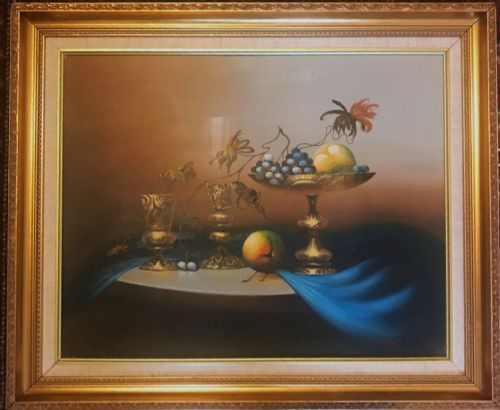
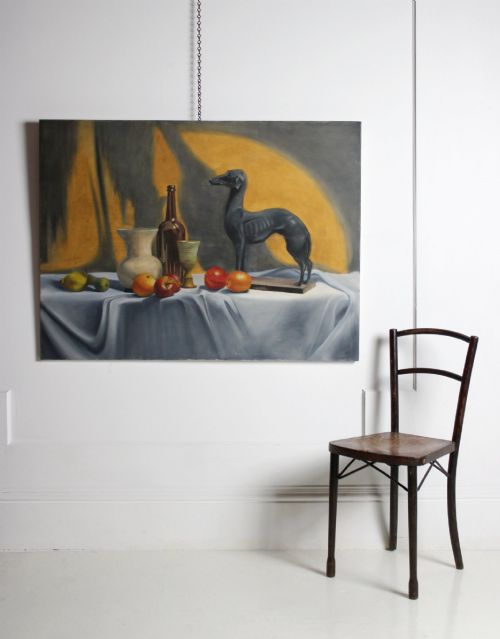
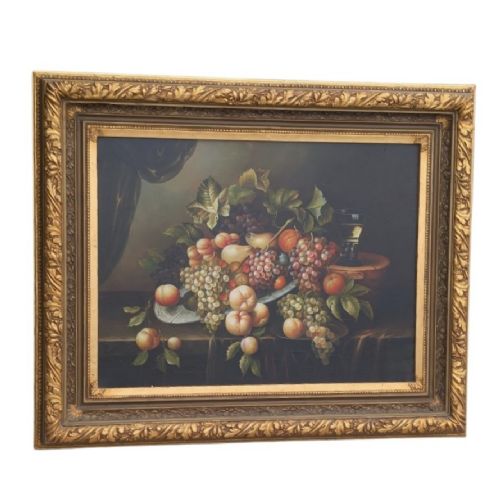
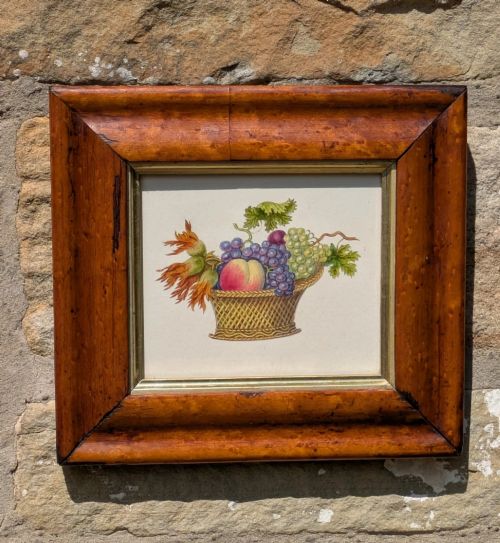
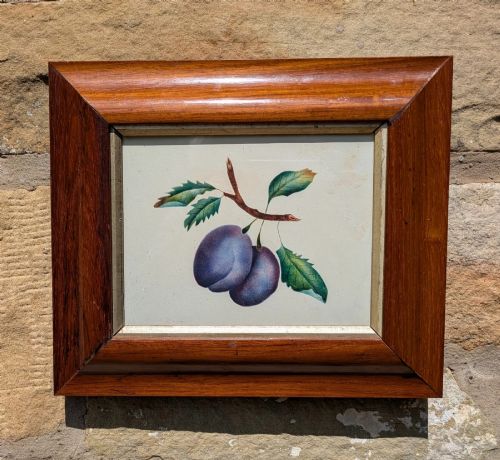
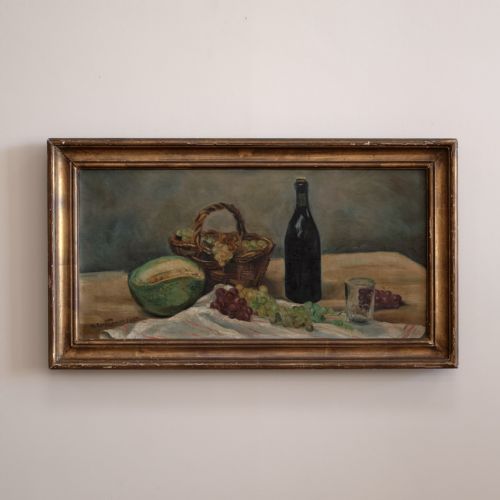
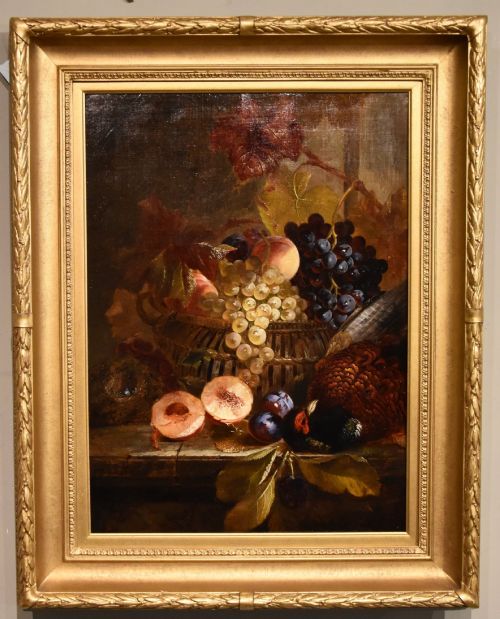
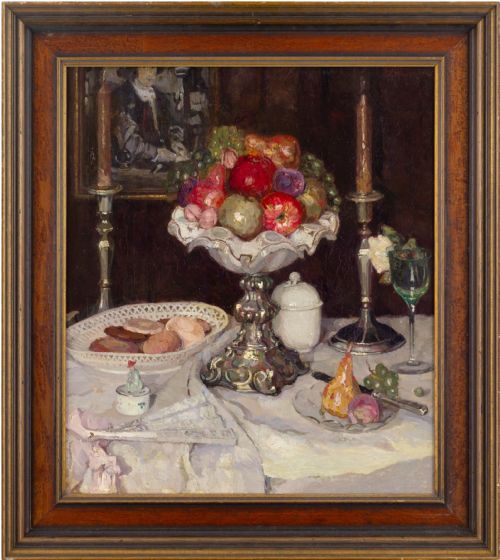
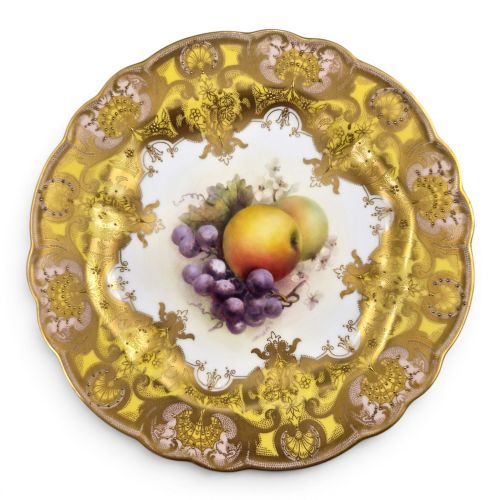
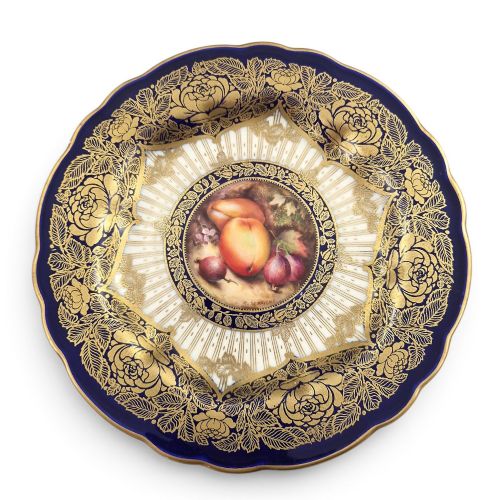
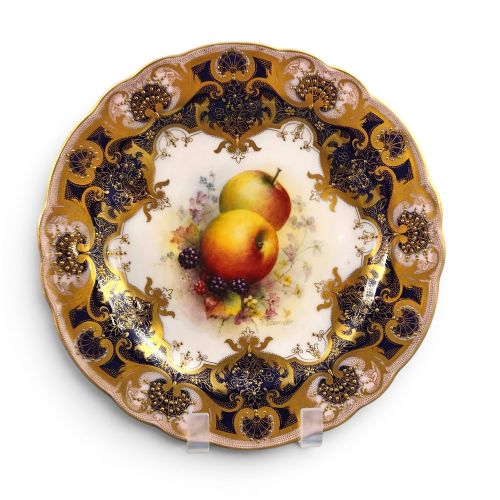
A vintage fruit painting depicts still life arrangements of food, baskets and vessels, capturing subjects that range from Victorian studies to Art Deco compositions. Buyers examining this category encounter works executed in oil on canvas, often housed within elaborate frames.
The selections available include works from the nineteenth century, the Edwardian era, and the nineteen-thirties. Pieces frequently feature canvas supports mounted on wood or presented in giltwood frames.
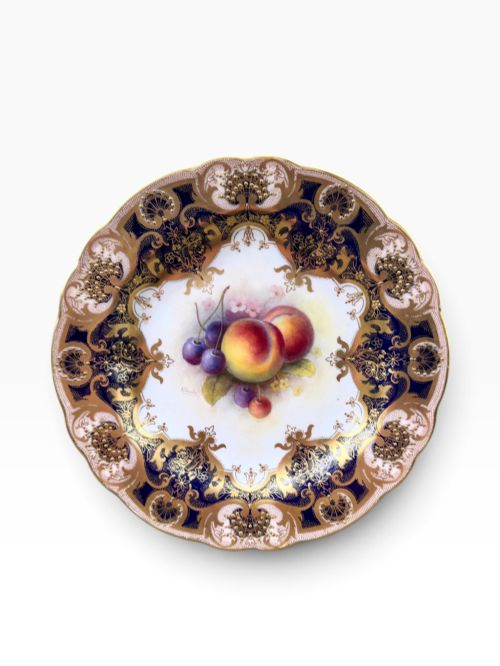
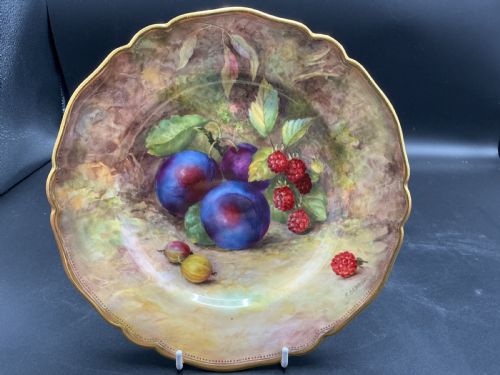
French and Italian origins appear alongside British examples, showing varied approaches to depicting grapes, apples, plums and pitchers. These works function primarily as decorative interior elements that bring traditional or art deco character to wall spaces.
How they were made
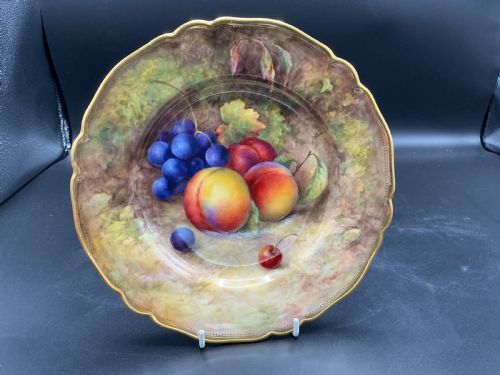
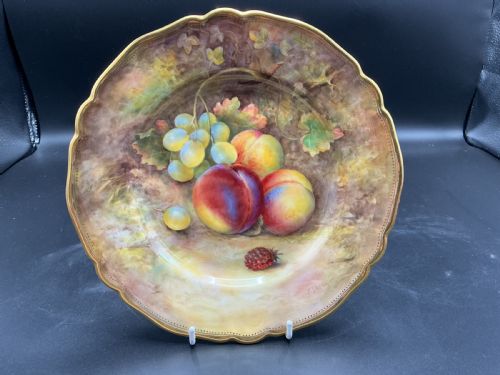
Artists painted primarily using oil paint applied to stretched canvas, building up rich layers of pigment to render the textures of fruit and tableware. Some later works utilise milk glass as a painting surface rather than traditional woven fabric.
Frames play a structural and aesthetic role, constructed from wood finished with gesso and gilt. Ornate mouldings surround the canvas edges, providing both physical support and visual contrast to the dark backgrounds typical of still life subjects.
Retail Price Guide 2026
Typical UK retail prices for vintage fruit painting, calculated from the Sellingantiques database of over a million retail prices indexed since 2003. This retail price guide relies exclusively on Sellingantiques data; no external sources or auction records are used, so the figures do not describe the wider market.
Listings feature works spanning the Victorian, Edwardian, and Art Deco periods, utilising oil on canvas and milk glass.
What varies in quality
Quality separates through the artist's handling of light and shadow, where superior brushwork defines the roundness of a fruit or the translucent skin of a grape with convincing depth. Weaker examples rely on flat application and generic composition without textural variation.
The framing contributes significantly to the overall integrity of the piece, with period giltwood mouldings offering superior craftsmanship compared to later replacements. Original frames that complement the exact era of the canvas elevate the presentation and historical coherence.
T.Vincent
The Vintage Fruit Painting Glossary
- Still life
- A painting or drawing featuring inanimate objects, such as fruit, glassware and pitchers. These compositions allow artists to study light, shadow and form in a controlled arrangement.
- Giltwood
- Wood that has been treated with a thin layer of gold leaf or gilt finish. It is commonly found on traditional frames surrounding oil paintings.
- Gesso
- A plaster-like mixture applied to wooden frames before gilding or painting. It provides a smooth surface that can be carved into ornate decorative details.
- Canvas
- A heavy woven fabric used as a surface for oil painting. It is typically stretched tightly over a wooden frame before work begins.
Frequently Asked Questions
What periods do these paintings come from?
The available works span from the late nineteenth century through the Edwardian period and into the nineteen-thirties. These dates reflect the prevailing artistic output of those decades.
Each period brings distinct stylistic choices, moving from traditional Victorian realism toward cleaner Art Deco sensibilities.
Are the frames original to the canvases?
Many pieces retain their original gesso and giltwood frames, which often show period wear consistent with their age. These frames were selected to complement the specific palette of the oil painting.
Checking the fit and construction helps determine if the frame has accompanied the canvas throughout its history.
How should I hang a vintage fruit painting?
These works suit dining rooms, kitchens, or living spaces where traditional or art deco aesthetics predominate. They pair well with wood furniture and warm interior colour schemes.
Ensure the wall space supports the weight of heavy giltwood frames using appropriate hardware.
What surfaces were used besides canvas?
While oil on canvas remains the standard medium, certain mid-century examples utilise alternative grounds such as milk glass. This smooth substrate creates a different reflective quality for the oil paint.
Canvas is typically mounted on wooden stretchers and secured within decorative surrounds.