

Vintage Fruit Bowl
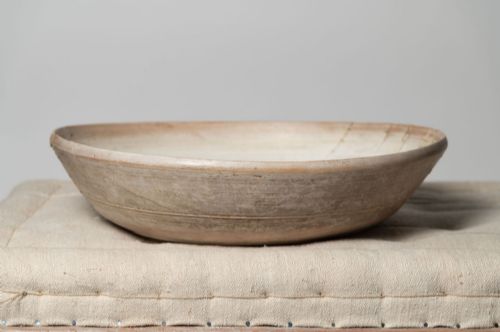
When you search for a vintage fruit bowl, you are looking at decorative vessels crafted from sterling silver, cut glass, and carved oak.
Vintage Fruit Bowl
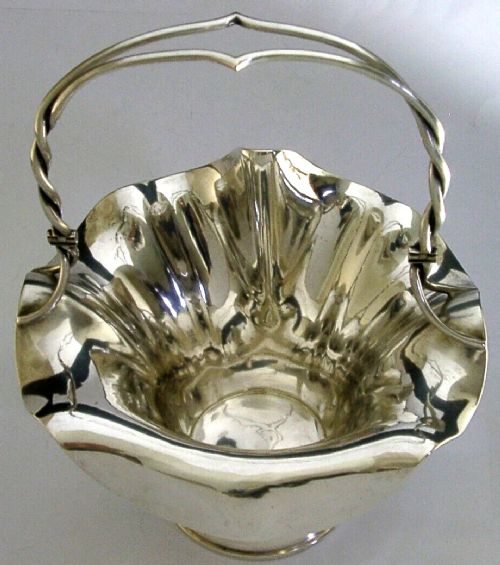
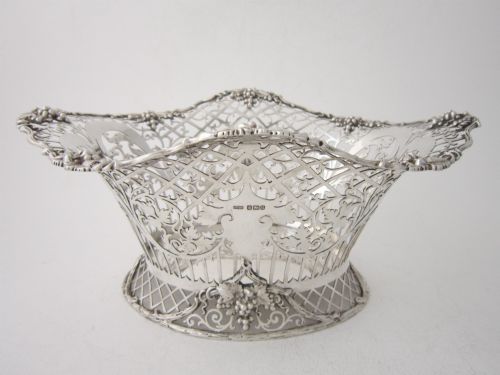
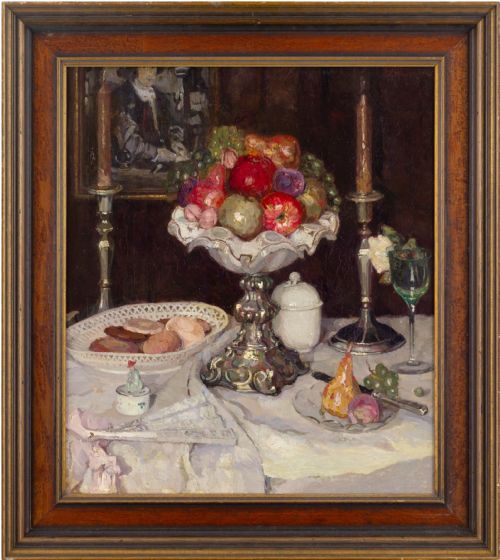
A vintage fruit bowl serves as a table centrepiece or decorative serving dish for domestic interiors. These vessels range from heavy Edwardian silver baskets and Art Nouveau tazzas to moulded glass centrepieces and carved wooden bowls.
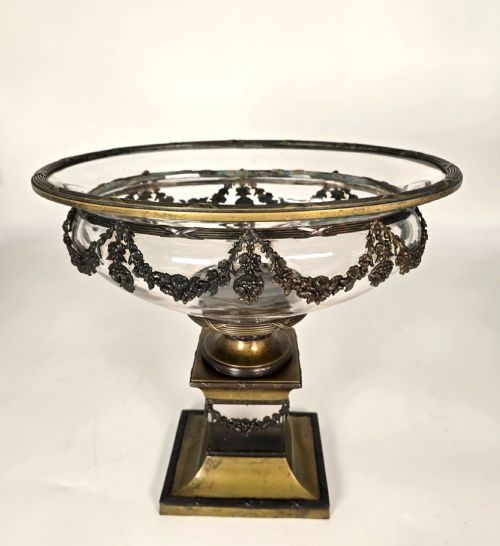
The selections span the Victorian period through to the 1930s, encompassing styles such as Arts and Crafts, Art Deco, Neoclassical, and Rococo Revival. Buyers also encounter painted porcelain dishes and bronze-mounted glass vessels from various European and international origins.
How they were made
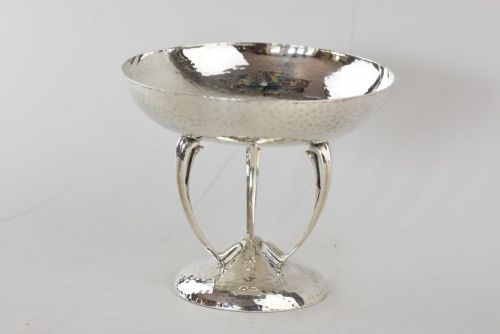
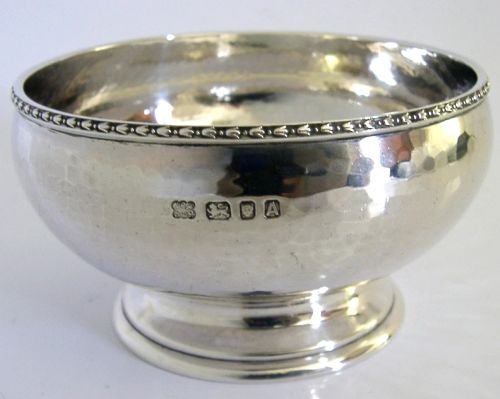
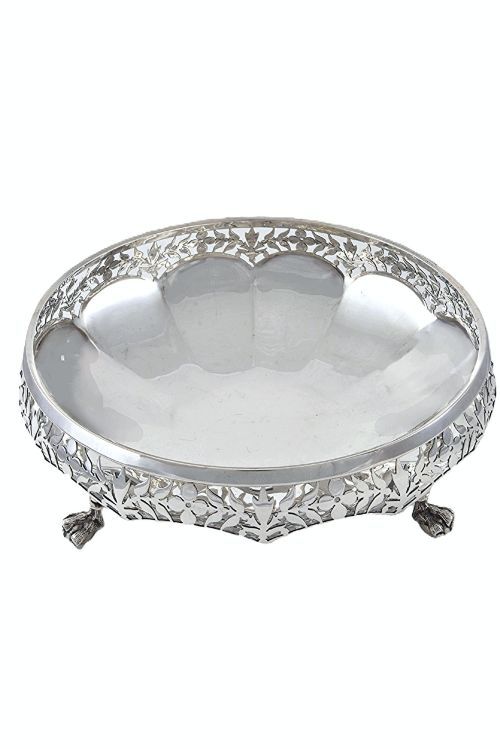
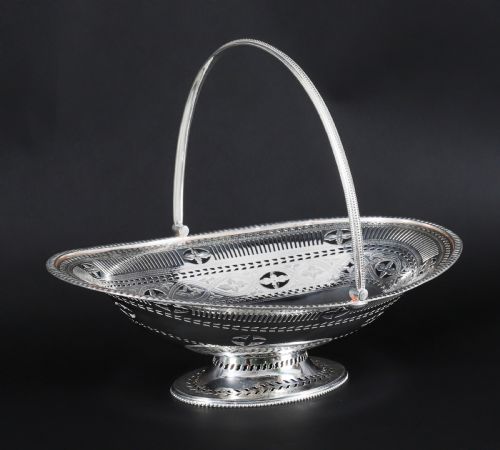
Silversmiths utilised sterling silver and silver plate, shaping metals through hand-hammering, planishing, and repoussé decoration. Makers created pierced baskets and solid bowls often marked with hallmarks indicating city and year of production.
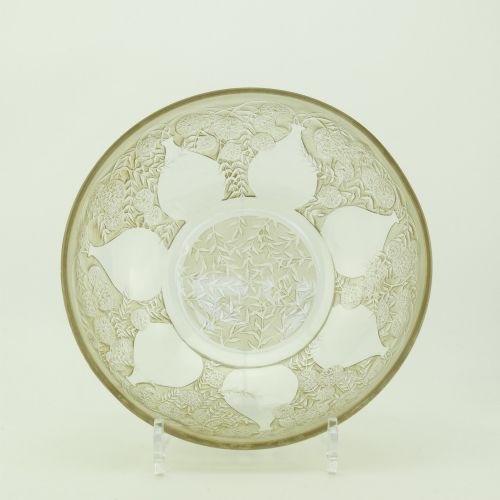
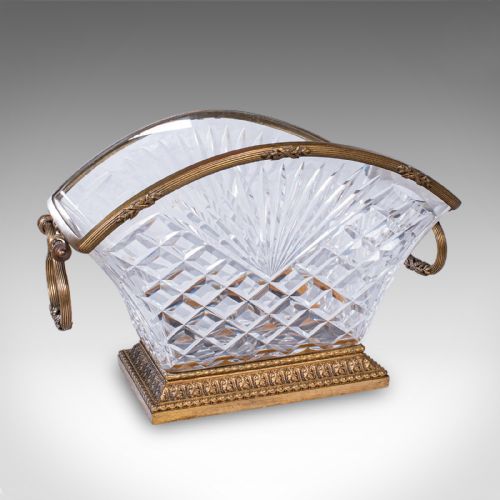
Glassmakers employed cut crystal, pressed opalescent techniques, and millefiori methods, frequently pairing glass inserts with ormolu, gilt bronze, or brass mounts. Woodworkers carved oak with botanical motifs, while ceramists utilised porcelain with hand-painted glazes.
What varies in quality
The weight of the metal and the depth of hand-worked chasing separate standard vessels from superior examples. Heavier gauge silver, crisp repoussé floral rims, and substantial glass thickness indicate higher craftsmanship.
Artistic attribution and maker provenance also define the tier of a piece. Signed glassworks from notable designers and marked pieces from established silversmiths command greater attention than unmarked or unattributed equivalents.
Goldsmiths and Silversmiths Company·Hamilton and Inches·Mappin and Webb·Elkington·Rene Lalique
The Vintage Fruit Bowl Glossary
- Repoussé
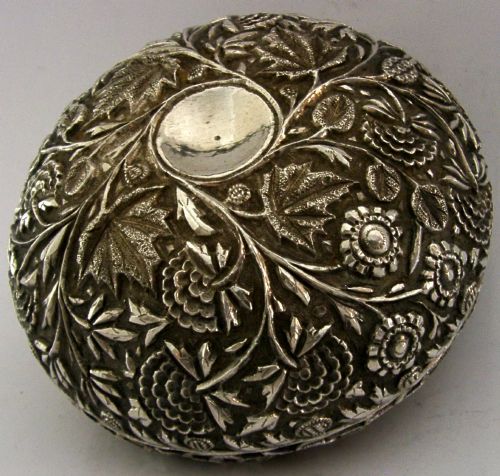
- A metalworking technique where the artisan hammers the design from the reverse side to form raised ornamentation on the front. This method creates tactile floral and scroll patterns on silver bowls and baskets.
- Planished
- A surface finish produced by striking metal with a rounded hammer, leaving small, controlled facets across the silver. This technique hardens the metal while producing a distinctive textured appearance.
- Tazza
- A shallow bowl or dish raised on a high foot or pedestal, frequently utilised as a centrepiece. These elevated vessels display fruit or sweetmeats on dining tables.
- Ormolu
- Gilt bronze ornamentation applied to furniture, glass, and decorative vessels during the eighteenth and nineteenth centuries. The technique involves applying a gold-mercury amalgam to bronze.
- Millefiori
- A glasswork technique producing distinctive patterned mosaics through the use of multicoloured glass canes. Craftsmen slice these canes to reveal intricate floral or geometric cross-sections within the glass vessel.
Vintage Fruit Bowl: Frequently Asked Questions
What was a vintage fruit bowl used for?
These vessels held fresh fruit, dessert courses, or sweetmeats on dining tables and sideboards throughout the Victorian and Edwardian eras. They functioned as both practical serveware and decorative centrepieces.
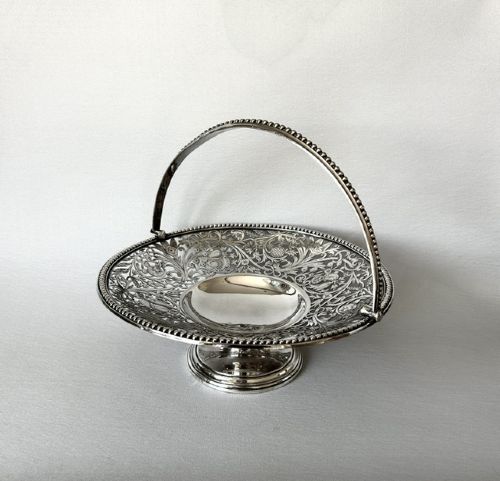
Larger baskets featured swing handles for passing at the table, while pedestal bowls remained static as focal points in the dining room or drawing room.
How do I date a silver fruit bowl?
Silver pieces carry hallmarks that indicate the assay office, the standard of metal, and the exact year of manufacture through an assigned date letter. Examining these stamped marks provides precise chronological placement.
Stylistic cues such as the flowing organic lines of Art Nouveau or the geometric precision of Art Deco further confirm the period of creation.
Are glass fruit bowls fragile for daily use?
Victorian and early twentieth-century glass bowls utilise thick-walled cut crystal, pressed glass, or heavy opalescent material designed for durability. While sturdy enough for serving fruit, they require careful hand washing to protect older finishes and mounts.
Pieces incorporating gilt bronze or ormolu mounts need particular care to avoid moisture damage to the metalwork.
How do I clean an antique silver fruit bowl?
Silver vessels require gentle cleaning with appropriate silver polish and a soft cloth to remove tarnish without abrading the metal surface. Avoiding harsh chemical dips preserves the original chased and repoussé details.
Regular, mild maintenance prevents heavy oxidation and maintains the lustre of sterling silver and silver-plated items.