

Vintage Fruit Baskets
Vintage fruit baskets bring tactile warmth to a room, ranging from gleaming silver plate to woven wicker.
Vintage Fruit Baskets
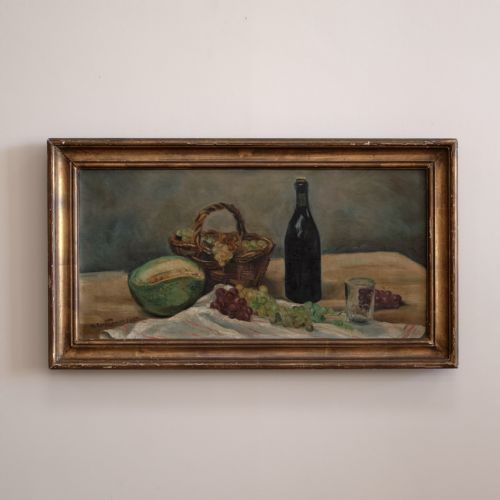
Vintage fruit baskets encompass a diverse array of serving vessels, decorative bowls and still life representations created across multiple centuries. When searching for vintage fruit baskets, buyers encounter items intended for formal dining, domestic display or artistic depiction in paintings.
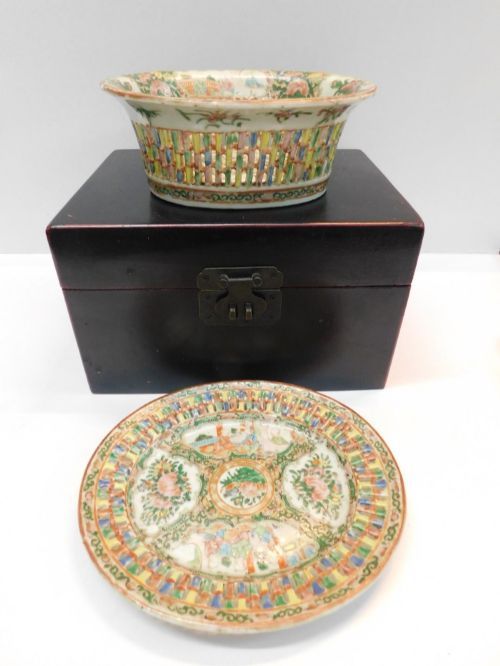
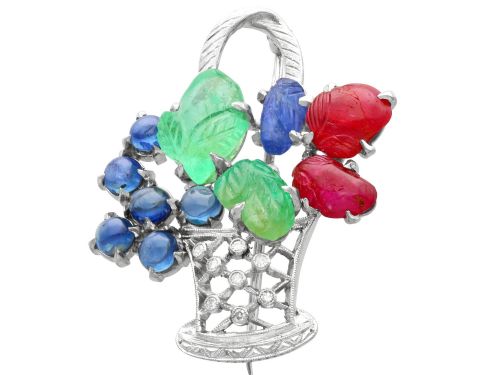
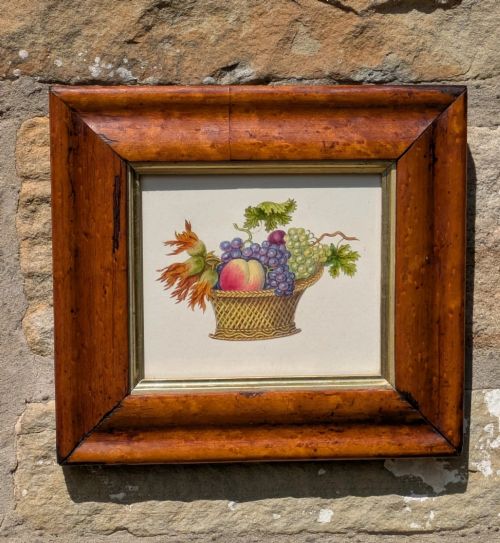
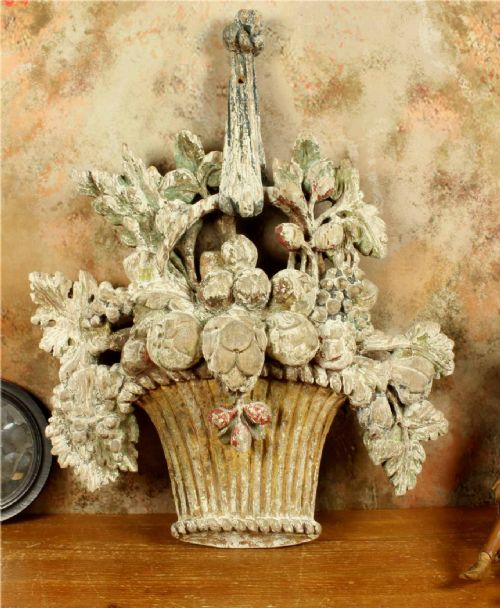
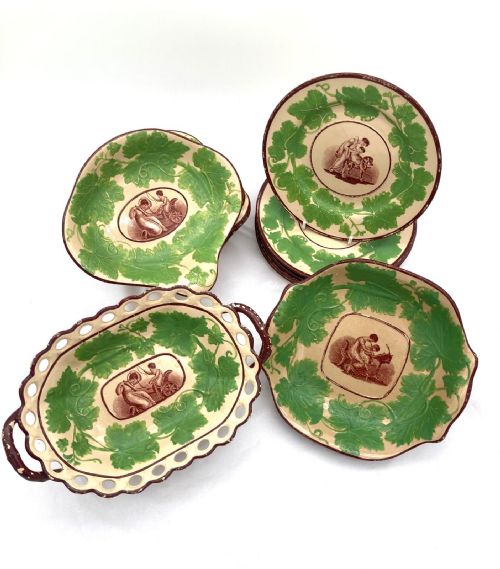
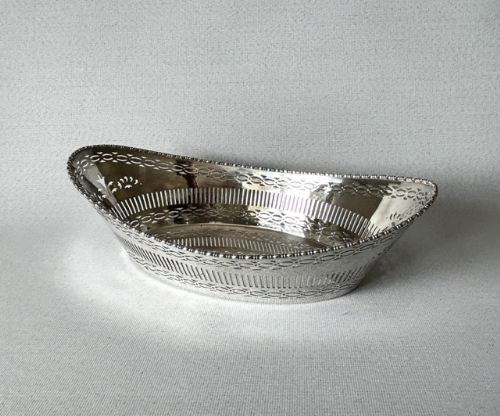
The pieces appearing on this page span the Georgian, Victorian, Edwardian and Art Deco eras, executed in materials such as sterling silver, silver plate, Old Sheffield plate, wood, porcelain and oil on canvas. Serveware forms like bread dishes, cake baskets and pierced fruit bowls sit alongside oil paintings of fruit and carved wooden wall reliefs.
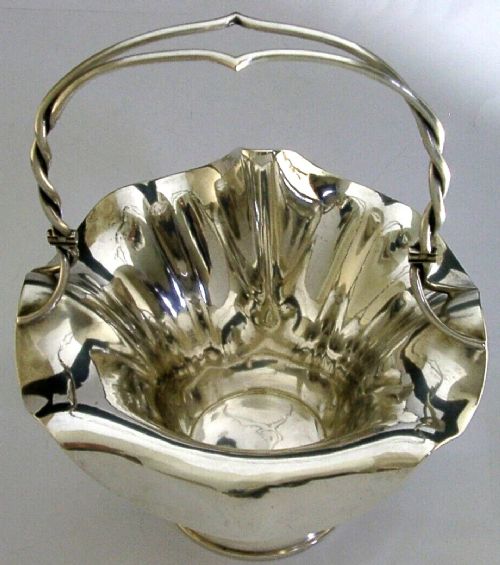
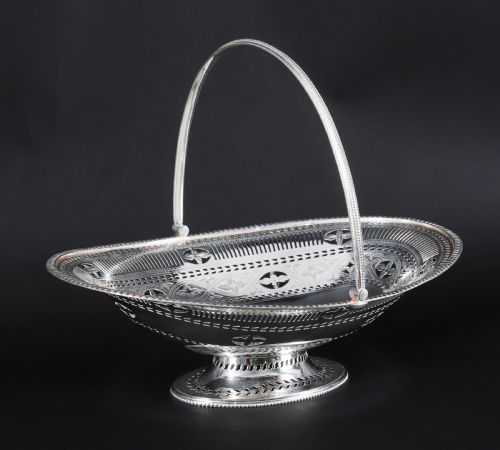
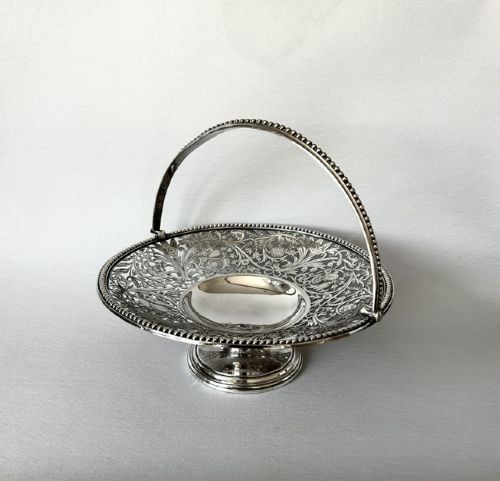
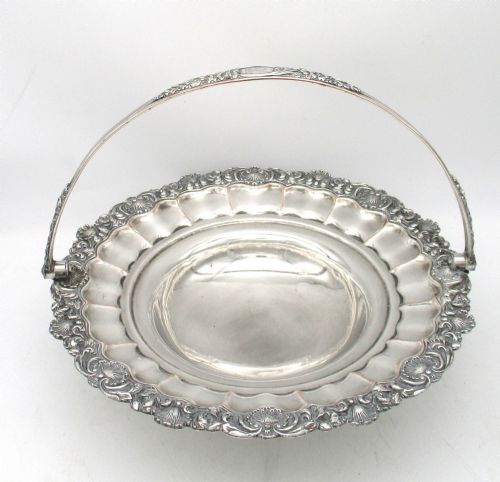
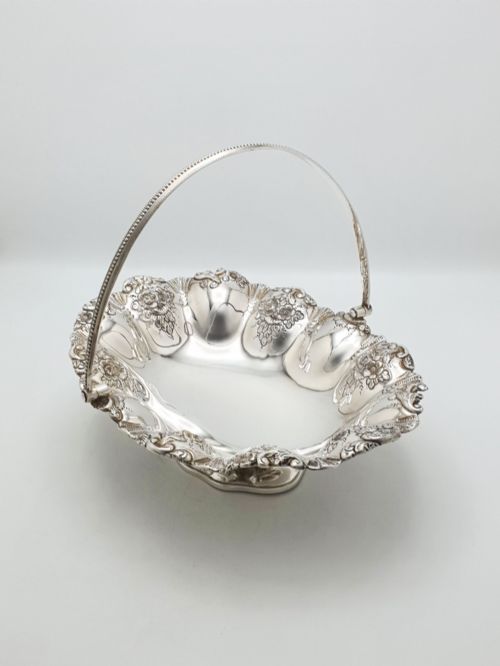
Silver plated metalwork from the Victorian and Edwardian periods represents the most frequent encounter for a buyer on this page. These metal vessels often feature swing handles, repoussé floral rims or wirework construction dating from the nineteenth and early twentieth centuries.
How They Were Made
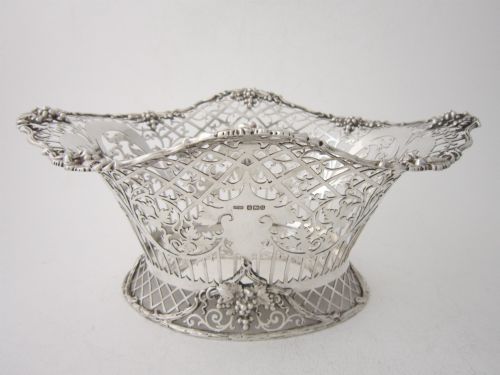
Metal vessels rely upon techniques like silver plating over base metals, Old Sheffield plating fusing copper and silver, and hand hammering in pewter or silver. Piercing, repoussé decoration and wirework shape the metal bodies of baskets from the nineteenth century.
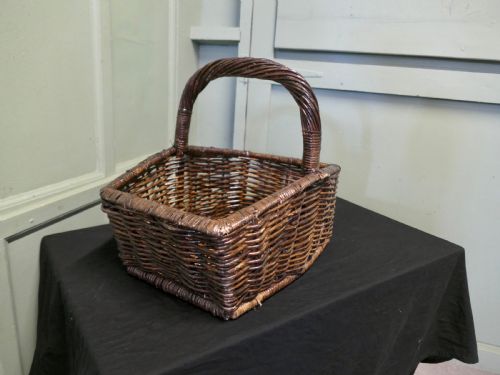
Organic materials involve skilled wood carving, wicker weaving and pottery production including transfer printing on earthenware and porcelain moulding. Canvases receive oil paint to depict fruit and market scenes in still life compositions.
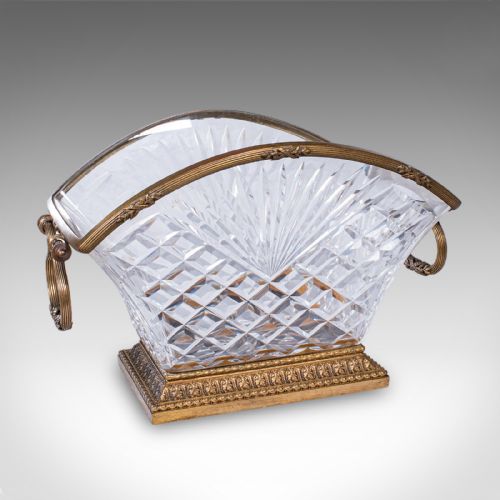
Makers combine structural forms with decorative detailing, such as applied handles, ormolu mounts on cut glass and hand painted polychrome finishes on porcelain and wood.
Vintage Fruit Baskets Retail Price Guide 2026
Typical asking prices for vintage fruit baskets among the pieces listed under this phrase on Sellingantiques today, from the lower quarter to the upper quarter. They describe what is for sale here now, not the wider market.
Listings feature items spanning the 18th, 19th and early 20th centuries, executed in sterling silver, silver plate, wood, porcelain, oil on canvas and copper.
What Varies in Quality
The standard of craftsmanship shows in the weight of the metal, the crispness of repoussé floral motifs and the intricacy of pierced wirework or reticulated porcelain. Heavier gauge silver and solid silver pieces demonstrate greater material substance than thinner plated alternatives.
Artistic execution dictates the quality of painted works and carved reliefs, where fine brushwork in oil on canvas or detailed depth in wooden carvings separates standard domestic items from superior artistic output.
Mappin & Webb·John Hunt·Elkington·Brille Paris·James Dixon·J. & R. Clews
The Vintage Fruit Baskets Glossary
- Old Sheffield Plate
- A composite material formed by fusing a thin sheet of silver to a thicker copper core, common in eighteenth and nineteenth-century tableware. This technique precedes modern electroplating.
- Repoussé
- A metalworking technique where the artisan hammers the design from the reverse side to form raised ornamentation on the front. It creates tactile floral and scroll patterns on basket rims.
- Wirework
- An openwork construction method using interwoven metal wires to form geometric or airy basket bodies. It appears frequently in lighter serving vessels and decorative fruit bowls.
- Reticulated
- Describes ceramics or metalwork pierced with a network of open geometric or floral patterns. This decorative piercing lightens the visual weight of porcelain and silver pieces.
- Swing Handle
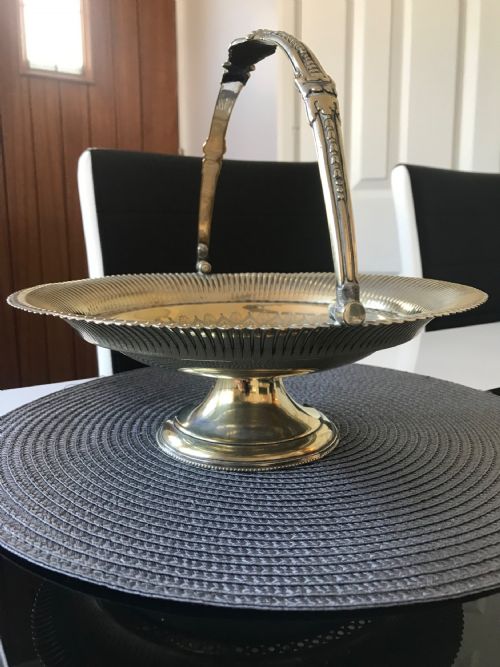
- A movable handle attached to the sides of a basket or bowl via pivots, allowing it to drop flat against the rim. It is a common feature on Victorian and Edwardian cake and fruit baskets.
Vintage Fruit Baskets: Frequently Asked Questions
What were vintage fruit baskets used for?
These vessels served dining tables for presenting fresh fruit, bread, cakes or chestnuts during formal meals and gatherings. They functioned as both practical serveware and decorative centrepieces.
Over time, many of these metal and ceramic pieces transitioned into purely decorative objects or were displayed empty on sideboards and tables.
How do I identify a Victorian fruit basket?
Victorian examples frequently utilise silver plate over base metal, often displaying Neo-Classical revival motifs, floral repoussé borders or pierced decoration. Swing handles and footed bases are typical characteristics of this era.
Maker marks stamped onto the metal base often help confirm the period of manufacture alongside stylistic cues.
What is Old Sheffield Plate?
Old Sheffield Plate is an early composite material made by fusing a layer of silver onto a copper base before rolling it into sheets. This method creates items with a distinctive weight and metallic character.
Pieces made this way often show subtle traces of copper where the silver layer has worn thin through decades of polishing.
How should I clean a silver plated basket?
Cleaning requires a soft cloth and a gentle silver polish formulated specifically for plated items to avoid removing the thin silver layer. Gentle handling preserves any delicate repoussé work or applied handles.
Harsh abrasive cleaners or immersion dips should be avoided, particularly on older plated surfaces and wirework.
Are all these items made of silver?
The selection includes a wide variety of materials beyond silver and silver plate, such as wood, porcelain, wicker, copper and oil on canvas. Items range from solid sterling silver to earthenware pottery and woven plant fibres.
Each material dictates the care required and the visual character the piece brings to a room.