

Vintage Fruit Art
Vintage fruit art captures the natural forms of harvest through oil paintings, watercolours, carved wood, and silver tableware from the nineteenth century to the mid-century period.
Vintage Fruit Art
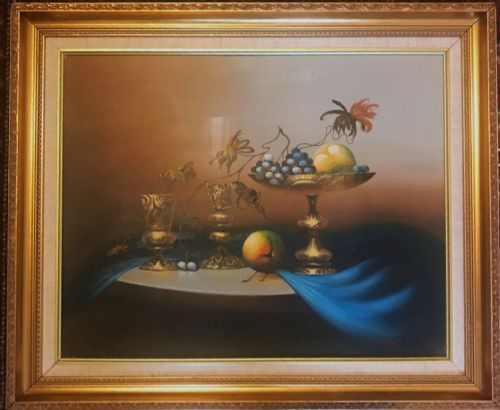
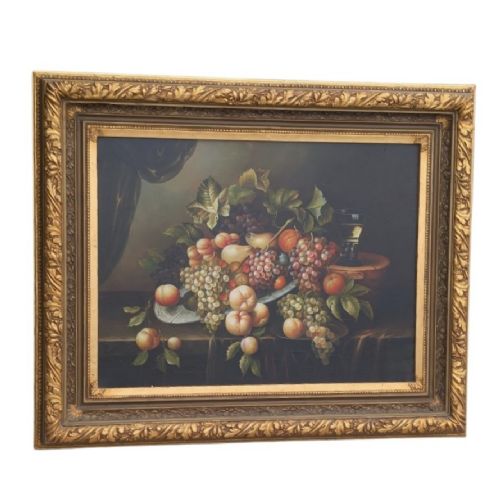
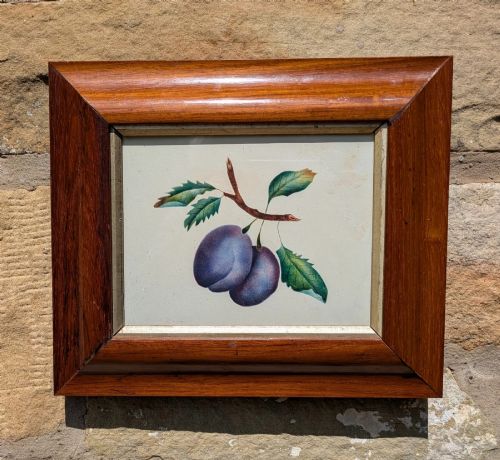
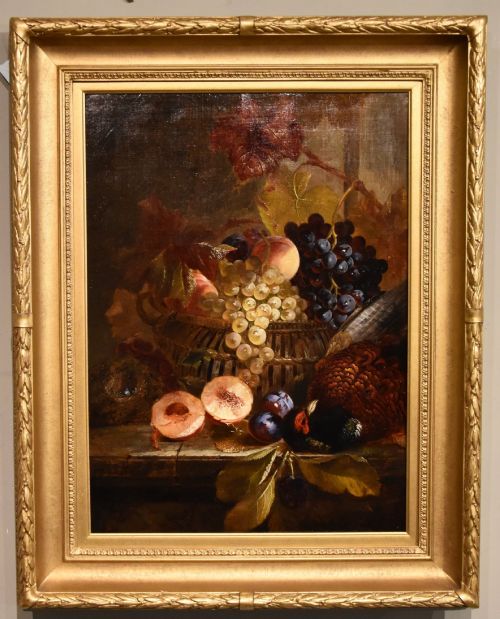
Vintage fruit art encompasses oil on canvas paintings of apples and grapes, detailed watercolours of plums in rosewood frames, and decorative carved oak centrepieces featuring fruiting vines. Buyers searching this phrase will find a diverse selection ranging from Edwardian still life canvases to early twentieth-century glass bowls and sterling silver tableware.
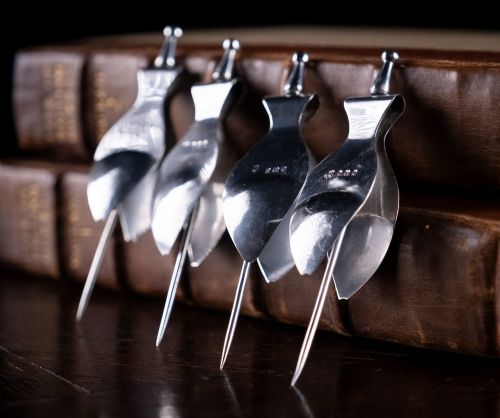
The category bridges fine art and functional decorative objects, uniting painted depictions of harvest scenes with heavy sterling silver grapefruit spoons, cocktail accessories, and moulded glass bowls. Pieces span the nineteenth century through the 1960s, reflecting shifts from academic realism to Impressionism, Art Deco, and Mid-Century Modern design.
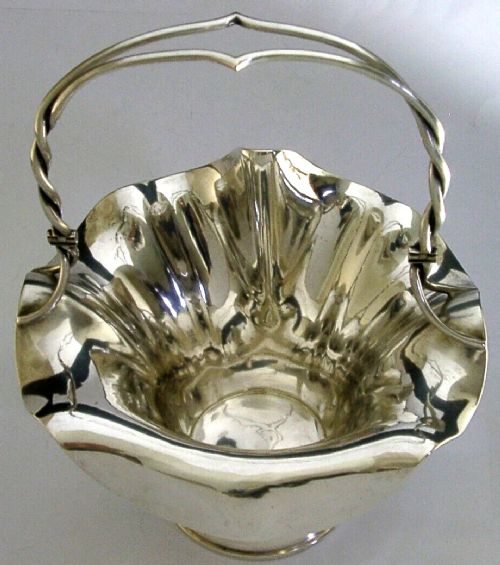
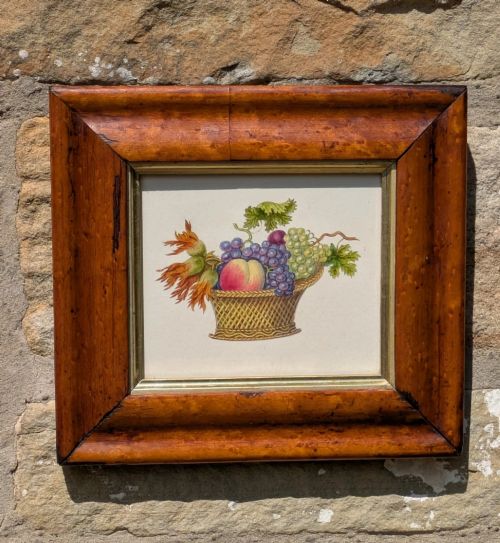
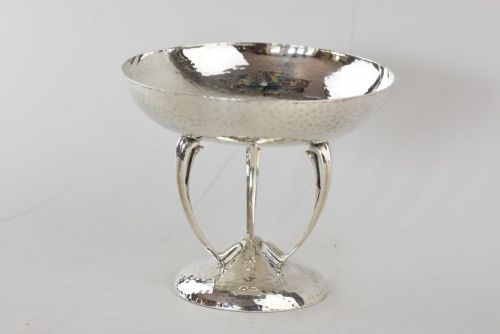
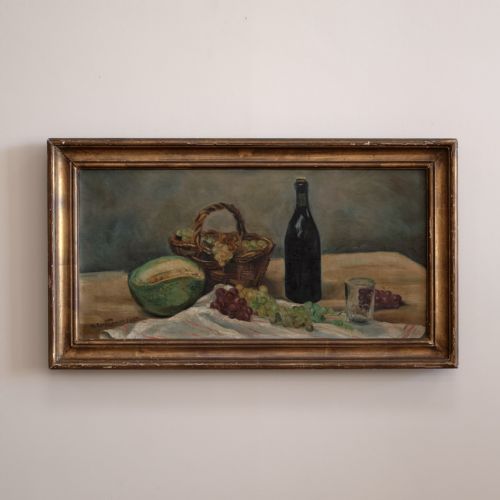
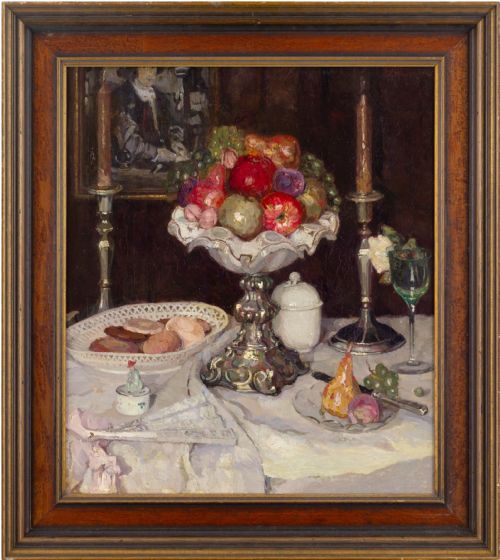
Painted works include signed oil portraits of fruit by artists such as Jozsef Molnar and Else Preußner, alongside delicate botanical watercolours. Decorative objects extend to hammered silver tazzas, crystal centrepieces with gilt bronze frames, and opalescent glass vessels designed to display natural forms.
What varies in quality
Quality rests upon the execution of the brushwork in paintings and the crispness of the hand-hammered detail in metalwork. Superior canvases demonstrate a confident handling of light, texture, and proportion within the still life arrangement, whereas lesser examples show rigid composition and flat colour application.
In three-dimensional objects, quality appears in the weight of the sterling silver, the depth of the opalescence in moulded glass, and the depth of relief in wood carvings. Maker attribution and original frames also elevate a piece, distinguishing workshop production from standard domestic wares.
Listings span the nineteenth century to the 1960s, uniting oil on canvas paintings with sterling silver, oak, and opalescent glass.
Goldsmiths and Silversmiths Company·Richard Comyns·Hamilton and Inches·Rene Lalique·Elizabeth Graydon-Stannus
The Vintage Fruit Art Glossary
- Still life
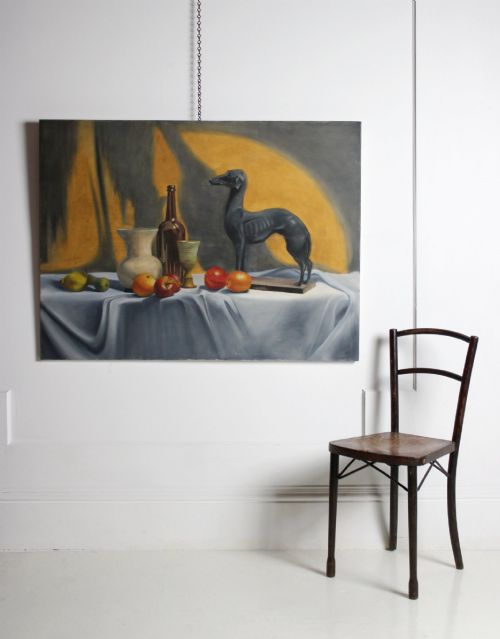
- An artwork depicting inanimate subject matter, typically commonplace objects such as fruit, flowers, and tableware. These compositions allow artists to explore light, shadow, and texture.
- Planished
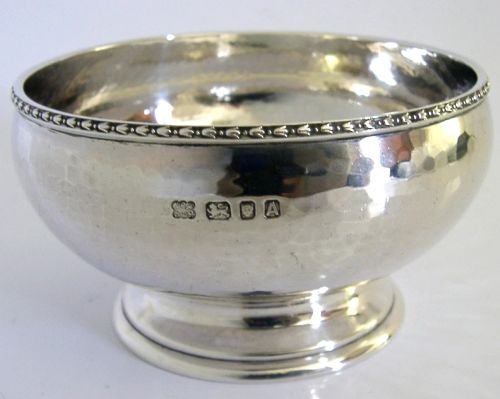
- A metalworking technique where a polished hammer strikes the surface to create smooth, light-reflecting facets. This process hardens the silver while leaving a distinctive textural finish.
- Opalescent glass
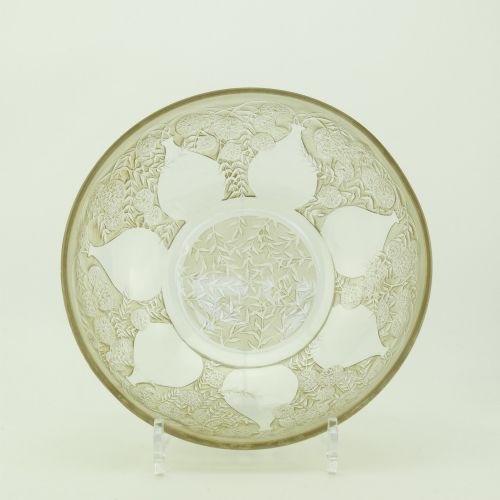
- Glass that displays a milky, iridescent sheen reflecting different colours when caught by the light. Rene Lalique utilised this technique extensively for decorative bowls and vases.
- Tazza
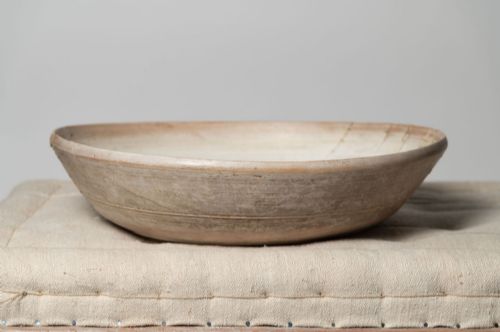
- A wide, shallow ornamental cup or bowl raised on a pedestal foot. These silver or ceramic vessels were traditionally used to serve fruit or confections at the table.
- Repoussé
- A metalworking method where the artisan hammers the design from the reverse side to form a raised relief on the front. This technique decorates brass dressing table mirrors and metal bowls.
Vintage Fruit Art: Frequently Asked Questions
What subjects appear in vintage fruit art?
Paintings and watercolours primarily depict arrangements of apples, grapes, plums, and pomegranates, often grouped with glassware, candlesticks, or larder items. Decorative objects incorporate carved fruiting vines and botanical motifs.
These subjects reflect a long tradition of celebrating the harvest and domestic abundance through visual arts and functional tableware.
How were silver grapefruit spoons used?
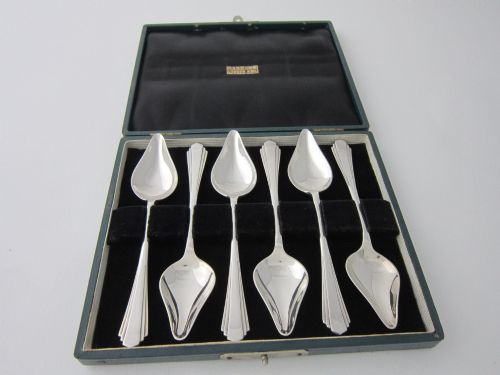
Sterling silver grapefruit spoons feature narrow bowls with serrated edges designed to segment citrus fruit cleanly. They emerged as specialised dining accessories during the early twentieth century.
Sets often include matching cases or complement contemporary cocktail accessories and decorative fruit bowls from the same period.
Where were opalescent glass bowls displayed?
Moulded glass bowls served as table centrepieces or decorative vessels in dining rooms and living spaces during the Art Deco and mid-century periods. Their reflective surfaces caught natural daylight and interior lighting.
Collectors today place them on sideboards, tables, or open shelving where light can pass through the tinted glass.
How do I identify Art Deco pieces?
Art Deco metalwork and glass display geometric symmetry, stylised natural motifs, and clean lines. Pieces from this era often utilise planished silver surfaces or bold moulded glass forms.
Examining hallmarks on silver items or signatures on glass provides definitive dating to the interwar decades.