

Vintage Fringe Shade Lamps
These vintage fringe shade lamps bring soft texture and period character to a room.
Vintage Fringe Shade Lamps
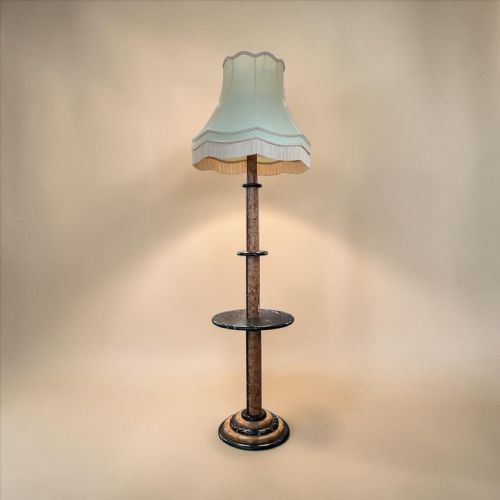
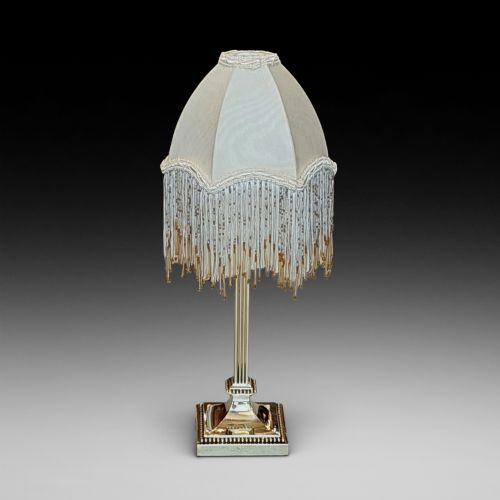
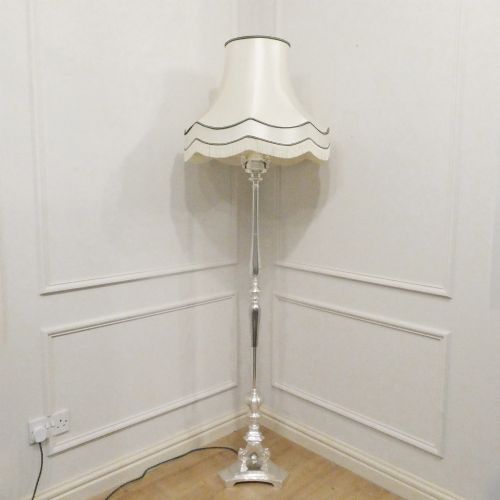
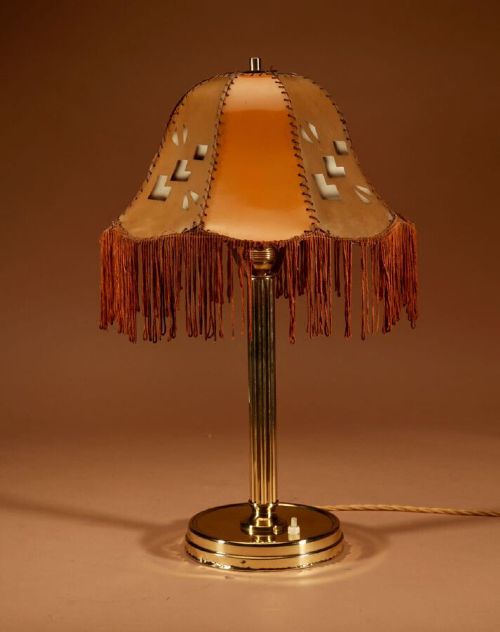
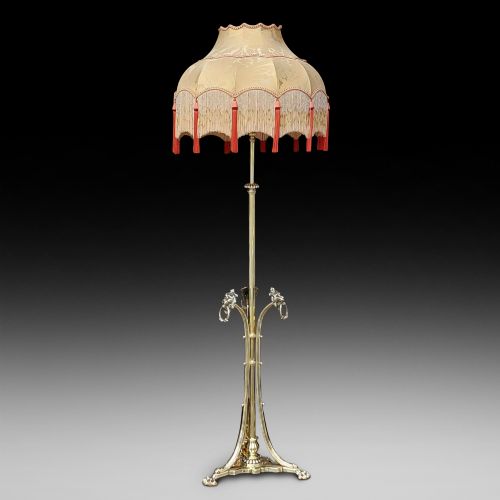
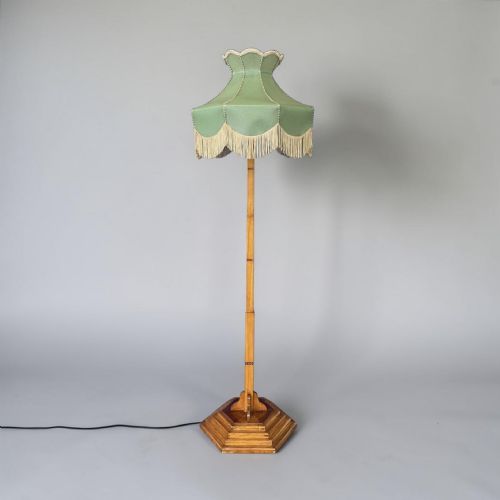
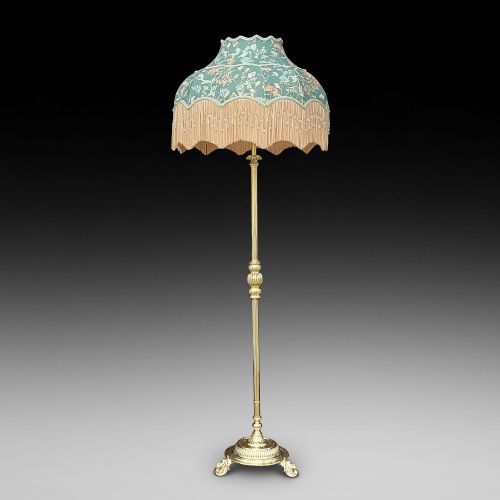
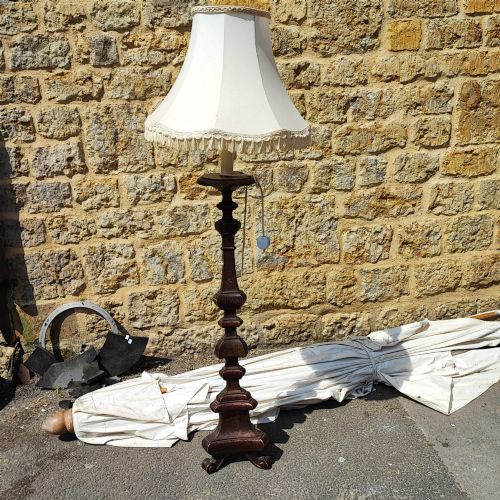
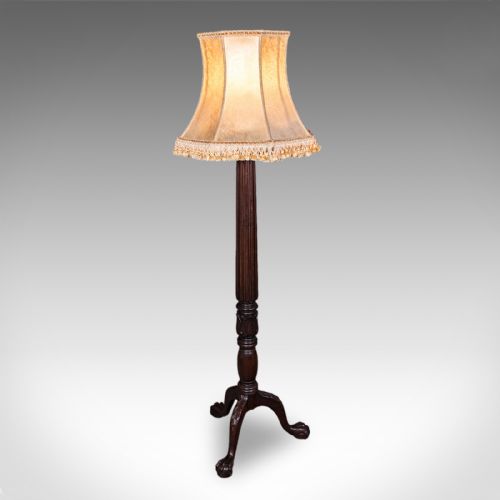
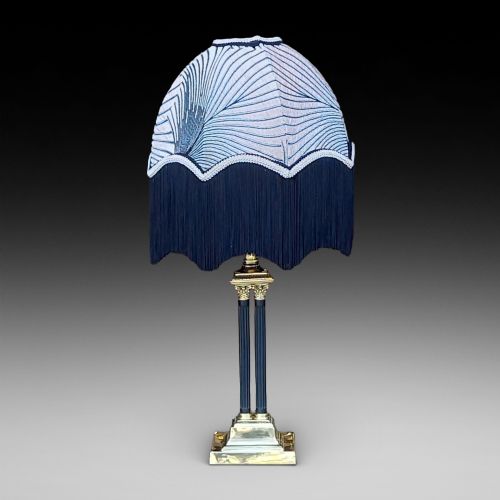
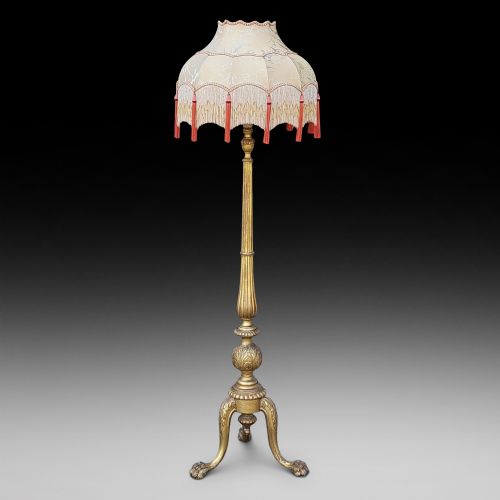
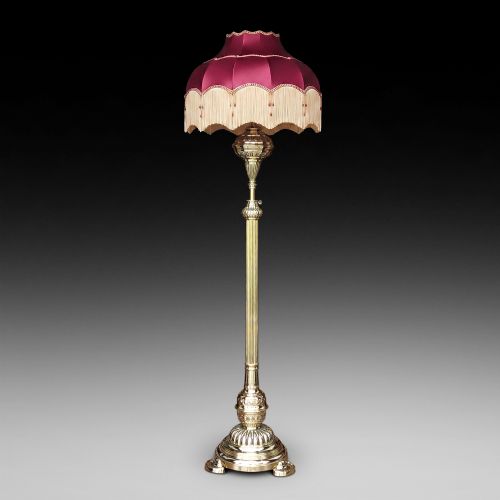
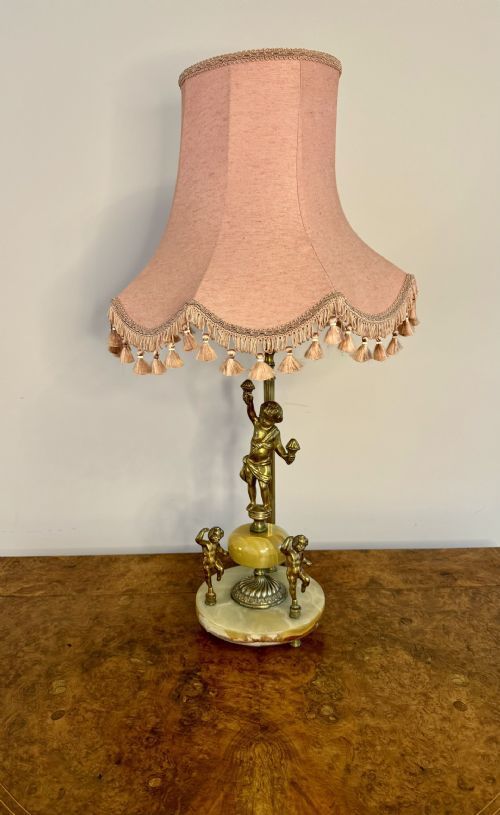
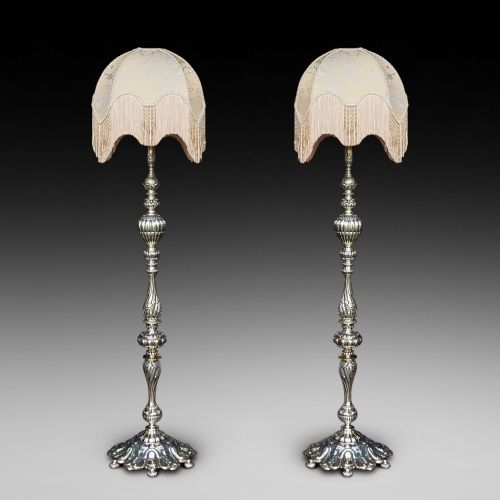
Vintage fringe shade lamps combine decorative fabric treatments with substantial stands, appearing in forms such as table lamps, standard lamps, and floor lamps. Buyers searching this phrase seek lighting that captures past decorative tastes through tactile shades paired with sturdy bases.
The selections span the Victorian, Edwardian, and Art Deco periods, alongside styles like Art Nouveau, Neoclassical, and Gothic Revival. Dating ranges from the nineteenth century through the early decades of the twentieth century.
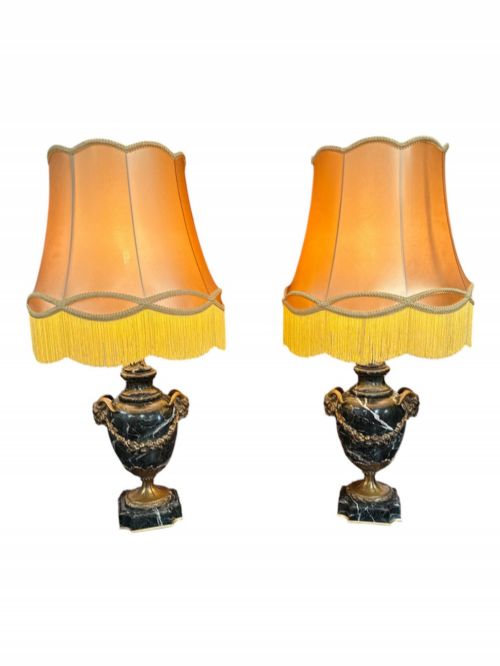
Most examples rely on structural bases of brass, marble, mahogany, or giltwood to support the upper fittings and shade assemblies. These pieces range from converted oil lamps and telescopic standards to carved wooden floor lights.
Factors that distinguish the work
Quality rests upon the weight of the metal castings, the depth of hand-carved detail in wood or stone components, and the original integrity of the materials. Finely chased brass, heavy marble urns, and well-preserved giltwood represent superior execution compared to lighter, plainer assemblies.
The sophistication of the design, whether an elaborate Corinthian column or an intricate Art Nouveau bronze figure, dictates the character and distinction of the piece.
An observant buyer might spot an eagle and serpent keeping watch from the top of an Edwardian brass standard lamp.
Hinks of B'ham
The Vintage Fringe Shade Lamps Glossary
- Standard lamp
- A tall floor-standing lamp designed to illuminate a room from standing height. These often feature adjustable heights or telescopic stems.
- Ormolu
- Gilded bronze ornamentation applied to furniture and lighting fixtures during the eighteenth and nineteenth centuries. This technique imparts a rich golden sheen to cast metal details.
- Alabaster
- A fine-grained translucent stone used for carved lamp bases and urns. It diffuses light and displays natural veining.
- Corinthian column
- A classical architectural column style featuring ornate acanthus leaves on the capital. Many period metal table and standard lamps adopt this form.
Vintage Fringe Shade Lamps: Frequently Asked Questions
How do I date these lamps?
Dating relies upon stylistic markers such as Victorian cast brass details, Edwardian mahogany turns, or Art Deco geometric forms. Materials like heavy marble, onyx, and giltwood also point to specific manufacturing decades.
Examining the construction methods of the base and any conversion evidence helps place the object within its historical period.
Were these originally electric?
Many taller standards and table lights began life as oil lamps, gas fixtures, or candlesticks before later conversion to electricity. Brass oil lamps often retain their adjustable mechanisms and burner collars from their original use.
Conversions are standard for older lighting and do not diminish the period character of the base or standard.
Where should I place a floor lamp?
Standard lamps and floor lamps suit corners of living rooms or beside seating areas where they provide ambient downward illumination. Their height allows them to anchor seating arrangements without cluttering table surfaces.
Telescopic models offer adjustable elevation to suit the ceiling height of a room.
What maintenance do fabric shades need?
Silk and fabric shades require gentle dusting with a soft brush or low-suction vacuum attachment to protect delicate fringes and beads. Keeping them away from direct sunlight prevents fading of the textiles.
Checking the internal wire frames ensures the shade sits evenly on the bulb carrier.