
Vintage French Vanity Table
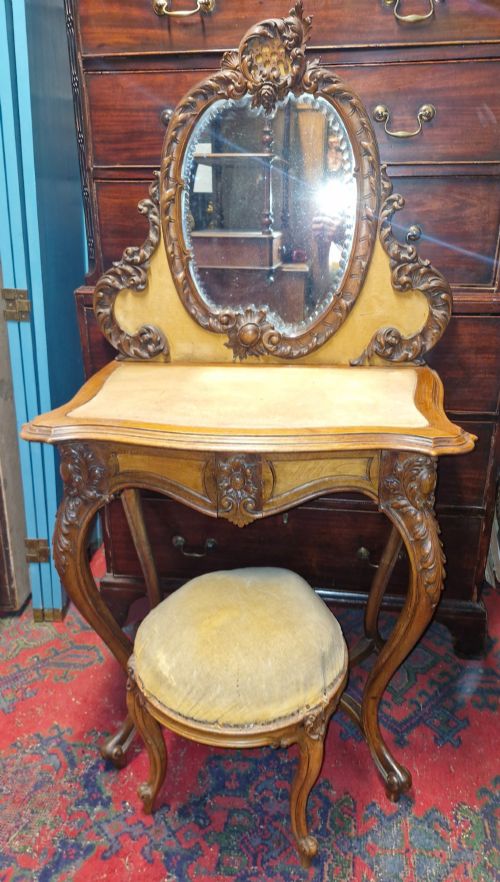
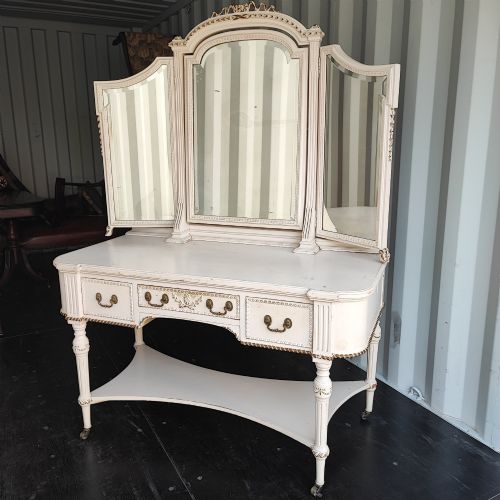
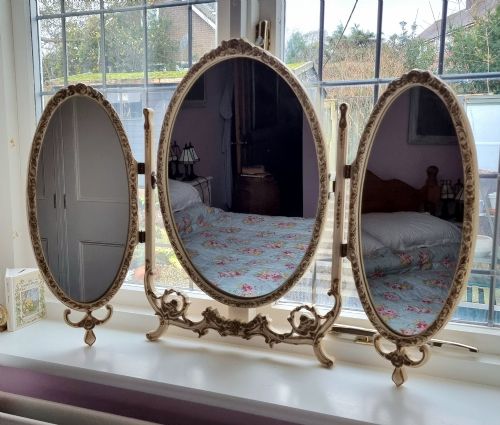
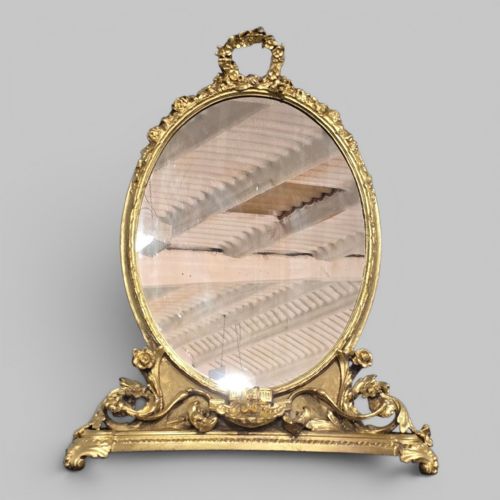
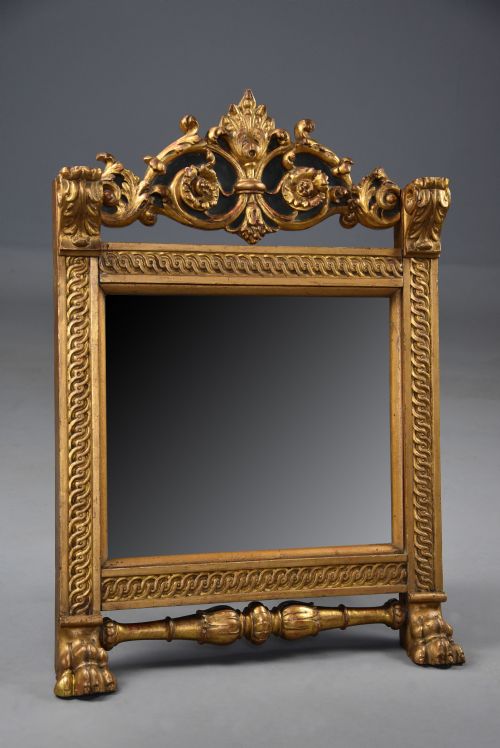
A vintage french vanity table brings warmth and refined dressing room styling, combining carved wood and glass mirrors.
Vintage French Vanity Table
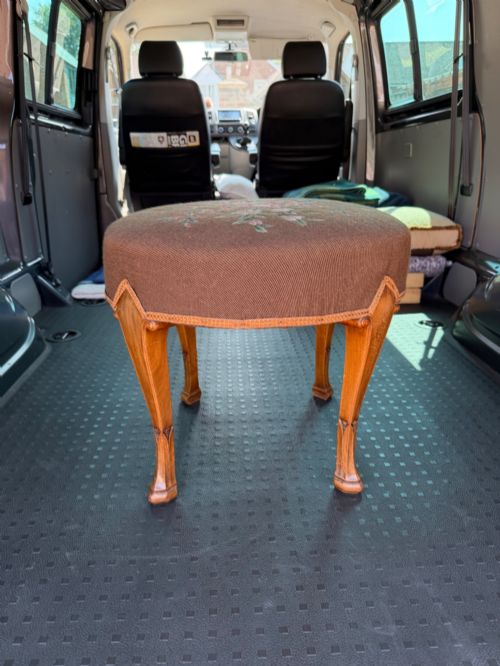
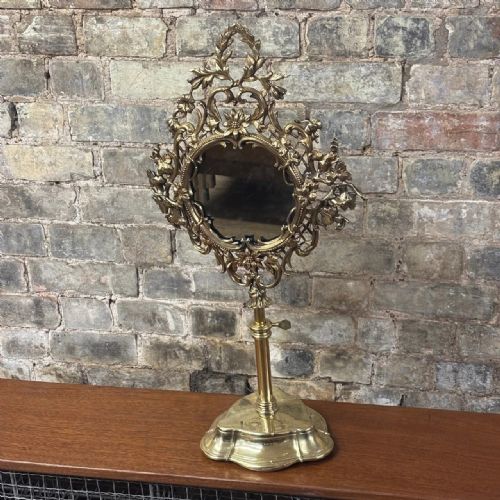
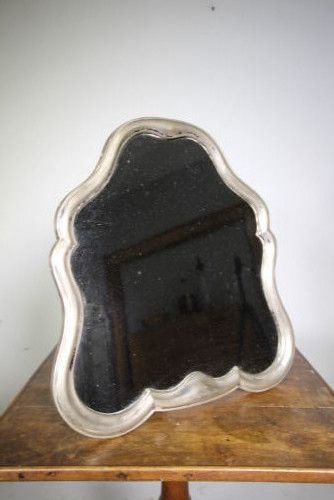
A vintage french vanity table encompasses dressing tables, table mirrors, and matching stools designed for personal grooming and boudoir use.
The pieces appearing here span from the 19th century through the 1930s, reflecting styles like Art Deco, French Rococo Revival, and Louis XV Revival.
How they were made
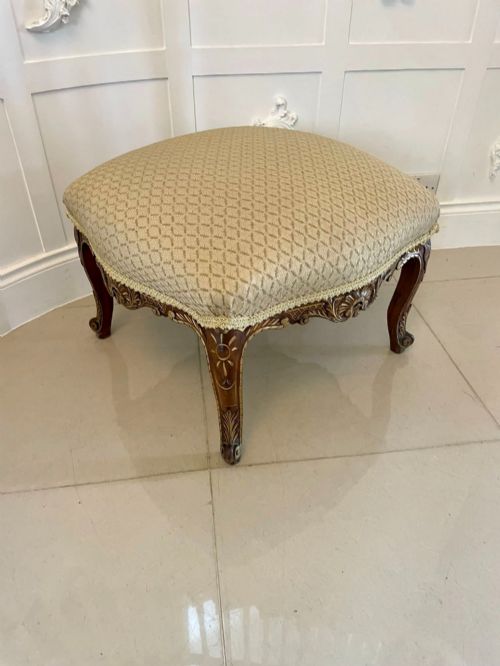
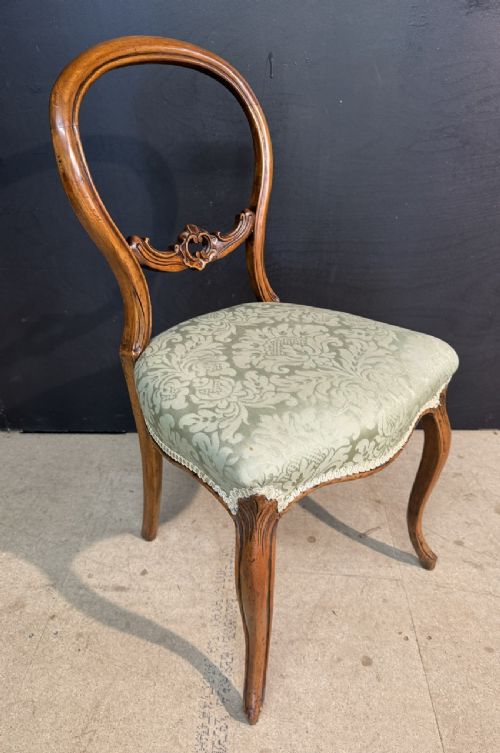
Walnut, mahogany, and oak provide the structural timber for these dressing pieces, frequently shaped with cabriole legs and detailed carving.
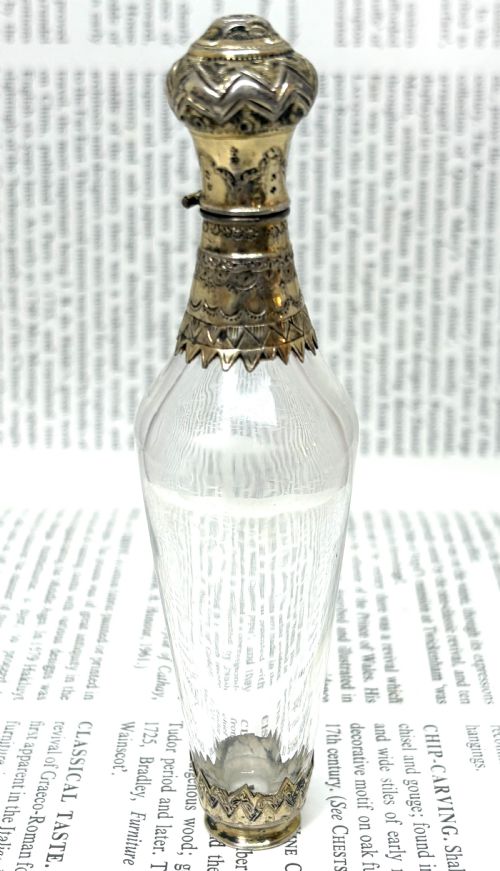
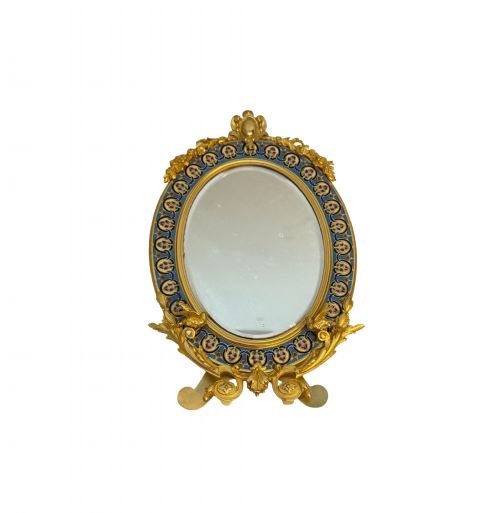
Gilt bronze, brass, and silver gilt mounts add metallic contrast to the woodwork, alongside champleve enamel and marble tops.
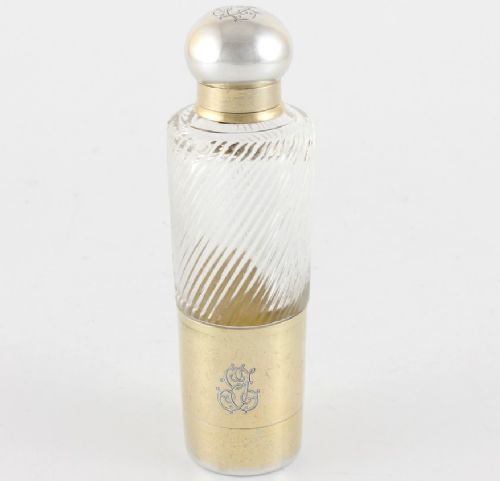
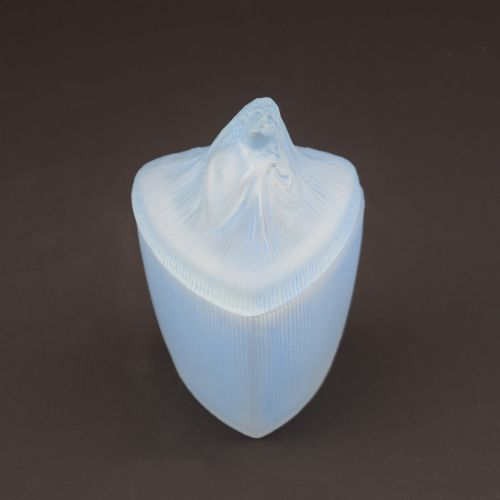
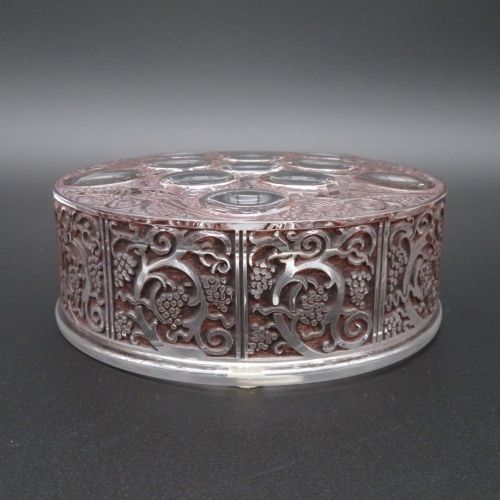
Glass elements range from bevelled dressing mirrors to moulded crystal powder boxes and perfume bottles.
Some perfume bottles arrive with red staining still clinging to the glass, whispering of vintage cosmetics long since used.
What varies in quality
The refinement of the carving distinguishes standard pieces from finer examples, particularly in the crispness of floral and scroll motifs on wood and gilt frames.
Material selection creates a clear division, where solid hardwoods and genuine marble tops outlast softer painted wood and simpler constructions.
The integration of decorative hardware, such as champleve bronze mounts and heavy silver gilt work, elevates the overall execution of the dressing furniture.
Maples of London and Paris·Rene Lalique·Tonnel Paris
The Vintage French Vanity Table Glossary
- Cabriole leg
- A furniture leg that curves outward at the knee and tapers inward to an ankle, typical of revival styles. This profile mimics animal limbs and appeared extensively on seating and tables.
- Champleve
- An enamelling technique where troughs are dug into a metal surface and filled with vitreous enamel before firing. It frequently decorates brass and bronze frames.
- Giltwood
- Wood that has been coated with a thin layer of gold leaf or gilt paint. It is common on mirrors and stools from the 19th century.
- Kingwood
- A dense, richly figured timber native to Brazil that displays dark violet and brown tones. It was utilised as a veneer on high-end tables and small desks.
- Powder box
- A small lidded container designed to hold cosmetic powder on a dressing table. Glass examples often feature moulded reliefs by period makers.
Vintage French Vanity Table: Frequently Asked Questions
What pieces match a vanity table?
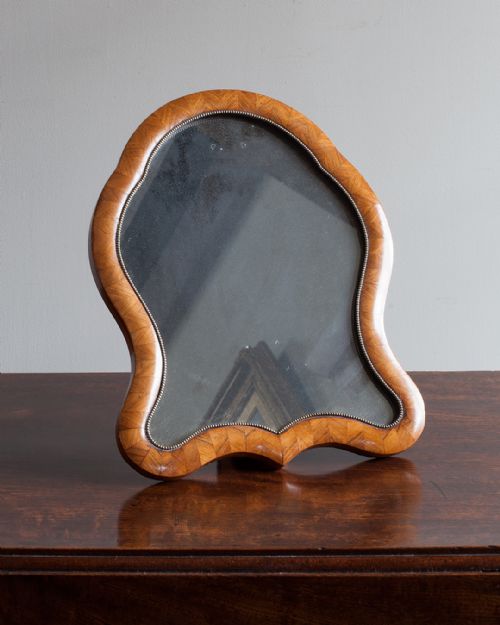
Matching pieces typically include low stools, boudoir chairs, and table mirrors designed for placement on top of dressing surfaces. Perfume bottles and powder boxes complete the dressing set.
These items share similar period characteristics, such as cabriole legs or gilt finishes, to create a cohesive dressing area.
How do I date these pieces?
Dating relies on stylistic clues like Art Deco geometric lines versus 19th century Rococo curves, alongside material choices. Marks on glass items and mirrors provide further chronological evidence.
Construction methods and timber types also help place an object within the Victorian or early 20th century periods.
Where were these tables used?
These furnishings were utilised primarily in bedrooms and private boudoirs for daily grooming, hair styling, and applying cosmetics. Table mirrors and washstands served similar functional roles in the bedchamber.
Smaller side tables and desks were also adapted for vanity use in domestic spaces.
How do I care for marble tops?
Marble tops require gentle cleaning with mild, non-acidic soap and water to avoid etching the polished stone surface. Promptly wiping away spills protects the natural material from staining.
Avoiding harsh abrasurs preserves the historical finish of the stone.