


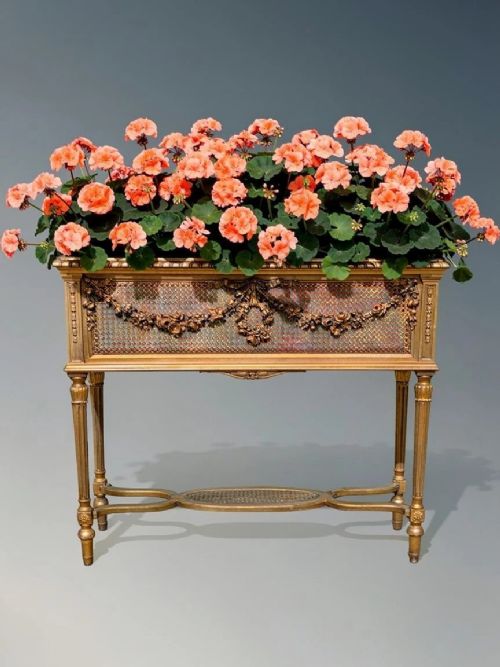
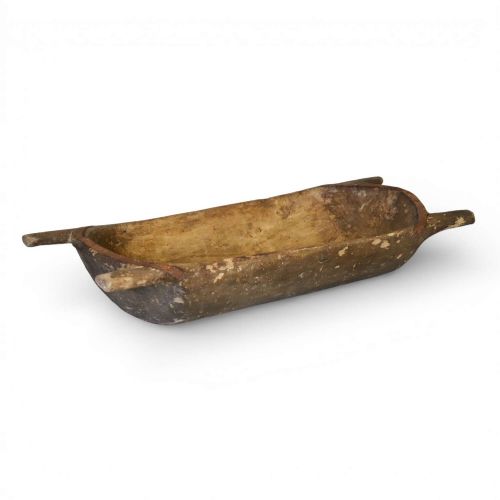


Vintage French Trough
A vintage French trough brings utilitarian heft and provincial grace to interior planting, offering deep vessels shaped for living greenery.
Vintage French Trough
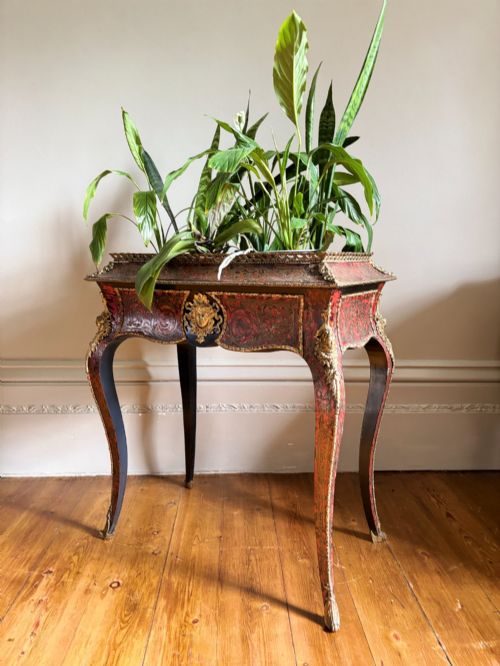
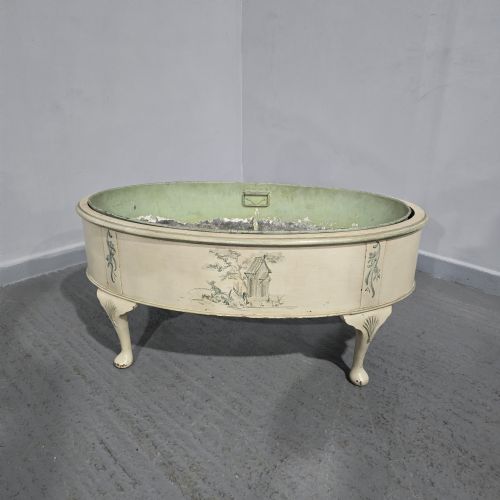
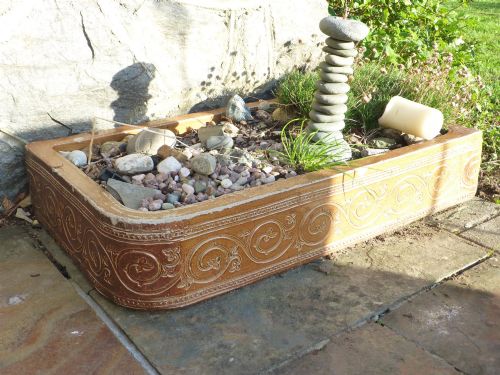
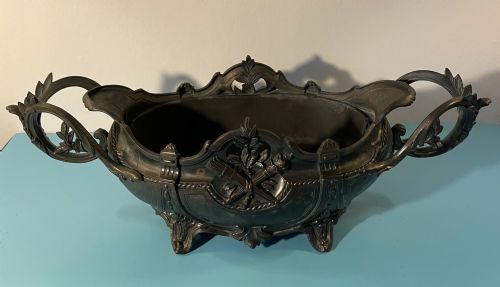
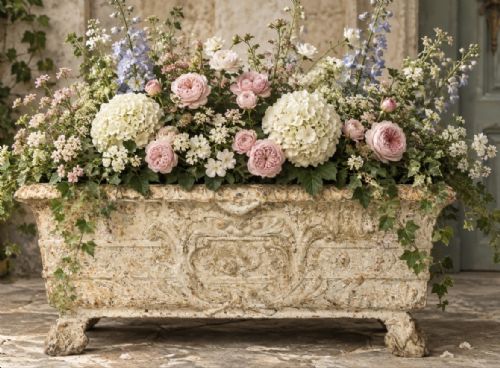
A vintage French trough encompasses a broad family of utilitarian and decorative vessels designed for planting, kneading, and storing. Buyers seeking a vintage French trough encounter pieces ranging from rustic oak dough bins and wooden grape baskets to ornate, ormolu-mounted jardiniere stands and zinc garden planters. The selection spans centuries from the eighteenth to the twentieth, reflecting both domestic agrarian work and formal chateau life.
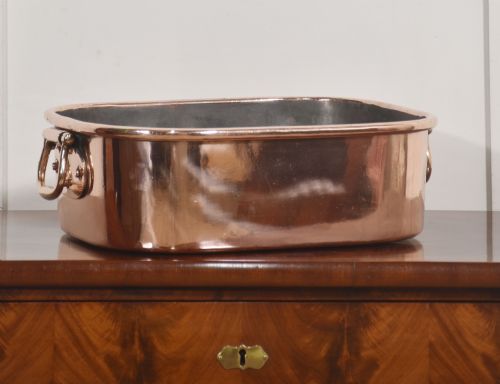
Rural domestic forms include wooden dough bins, kneading troughs, and proofing boxes fashioned from elm, oak, and walnut. These functional agrarian objects double today as low planters or decorative furniture items inside provincial interiors. Alongside these sit copper fish kettles, brass bottle coolers, and wrought iron garden urns utilised for greenery and display.
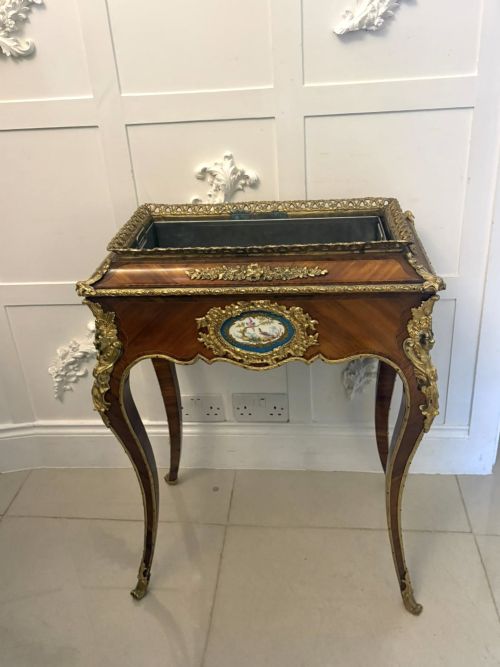
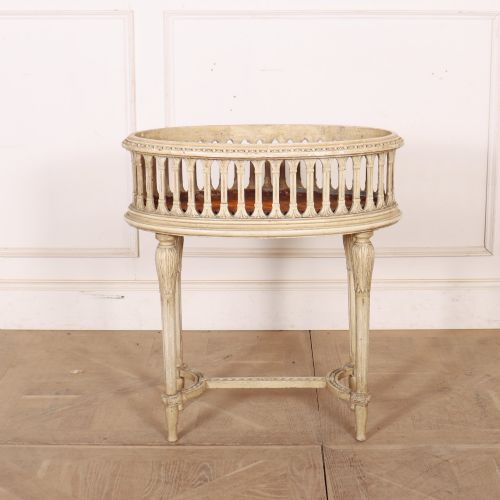
Formal variants shift toward interior display through pieces like kingwood and tulipwood table planters with gilt bronze mounts, porcelain plaque jardiniere stands, and cast iron garden planters. Styles draw on French Country, French Provincial, Rustic Farmhouse, and Louis XV Revival aesthetics. The common thread is a deep, elongated vessel built to hold earth, water, or provisions.
How they were made
Construction methods unite heavy joinery with fine metalwork depending on the intended domestic or garden setting. Wooden dough bins and grape bins rely on pegged planks of native elm, oak, or walnut, shaped by hand with deep recesses for working dough or gathering harvests. Metal planters utilise cast iron, zinc, brass, and copper, shaped through casting, beating, and soldering.
Decorative examples layer exotic timbers such as kingwood, tulipwood, satinwood, and burr walnut over carcase woods, reinforced with cast ormolu, gilt bronze mounts, and porcelain plaques. Wrought iron and cast iron garden troughs employ foundry casting and forge work to achieve durable exterior vessels. Protective metal liners often insert into wooden and ceramic bodies to manage moisture.
Vintage French Trough Retail Price Guide 2026
Typical asking prices for vintage french trough among the pieces listed under this phrase on Sellingantiques today, from the lower quarter to the upper quarter. They describe what is for sale here now, not the wider market.
French grape baskets and dough bins occasionally retain traces of flour and crushed fruit from nineteenth-century harvests.
What varies in quality
Quality rests upon the integrity of the materials and the crispness of the secondary ornament. Plain elm and oak dough bins rely entirely on honest patination, timber density, and the survival of original pegged joints. Finer salon pieces depend on the precision of ormolu mounts, the figuring of kingwood or satinwood veneers, and the quality of interior liners.
Provincial utility items show hand-forged ironwork and heavy, honest wear from agrarian tasks, while formal chateau planters display refined casting and delicate marquetry. The highest grade pieces balance robust structural timber or cast metal with unblemished decorative mounts and well-preserved original surfaces.
Guichard Carriès·Xavier Raphanel
The Vintage French Trough Glossary
- Dough Bin
- A deep wooden trough fitted with a lid, traditionally used for kneading and proving bread dough in rural households. They now serve widely as low storage chests or planter boxes.
- Ormolu
- Gilded bronze mounts applied to furniture and decorative items during the eighteenth and nineteenth centuries. The technique involves coating bronze in a mercury-gold amalgam and firing.
- Zinc
- A bluish-white metallic element valued for its resistance to corrosion, commonly utilised for plant liners and outdoor garden troughs. It develops a soft, matte patina over decades of exposure.
- Kingwood
- A dense, heavily figured tropical timber featuring dark violet-brown streaks on a pale background, favoured by nineteenth-century cabinet makers for fine veneer work.
Vintage French Trough: Frequently Asked Questions
How do I use a dough bin indoors?
A wooden dough bin functions well as a coffee table, a storage chest for blankets, or a low indoor planter box lined with protective plastic.
The deep wooden recess accommodates trailing houseplants or hides clutter while adding a strong rustic texture to a room.
Can cast iron troughs stay outside all year?
Cast iron garden planters and troughs tolerate outdoor conditions well, though extreme freezing can stress metal if trapped water expands.
Positioning them on bricks or feet ensures proper drainage and protects the base from constant ground moisture.
What is the difference between a jardiniere and a planter?
A jardiniere typically refers to an ornamental, decorative vessel meant for interior display, often raised on legs or fitted with gilt mounts.
A planter is a broader term encompassing utilitarian pots and heavy exterior troughs built primarily for earth and growing plants.
How do I care for ormolu mounts on wood?
Ormolu mounts require gentle dusting with a soft, dry brush to prevent dirt accumulation in the recessed chased details.
Avoid liquid cleaners and polishes, which can seep beneath the bronze and damage the surrounding wood veneer.