


Vintage French Shelf Clock
These vintage french shelf clock pieces bring classical French presence and precision movement to a mantelpiece, offering striking dial work and handsome cabinetry.
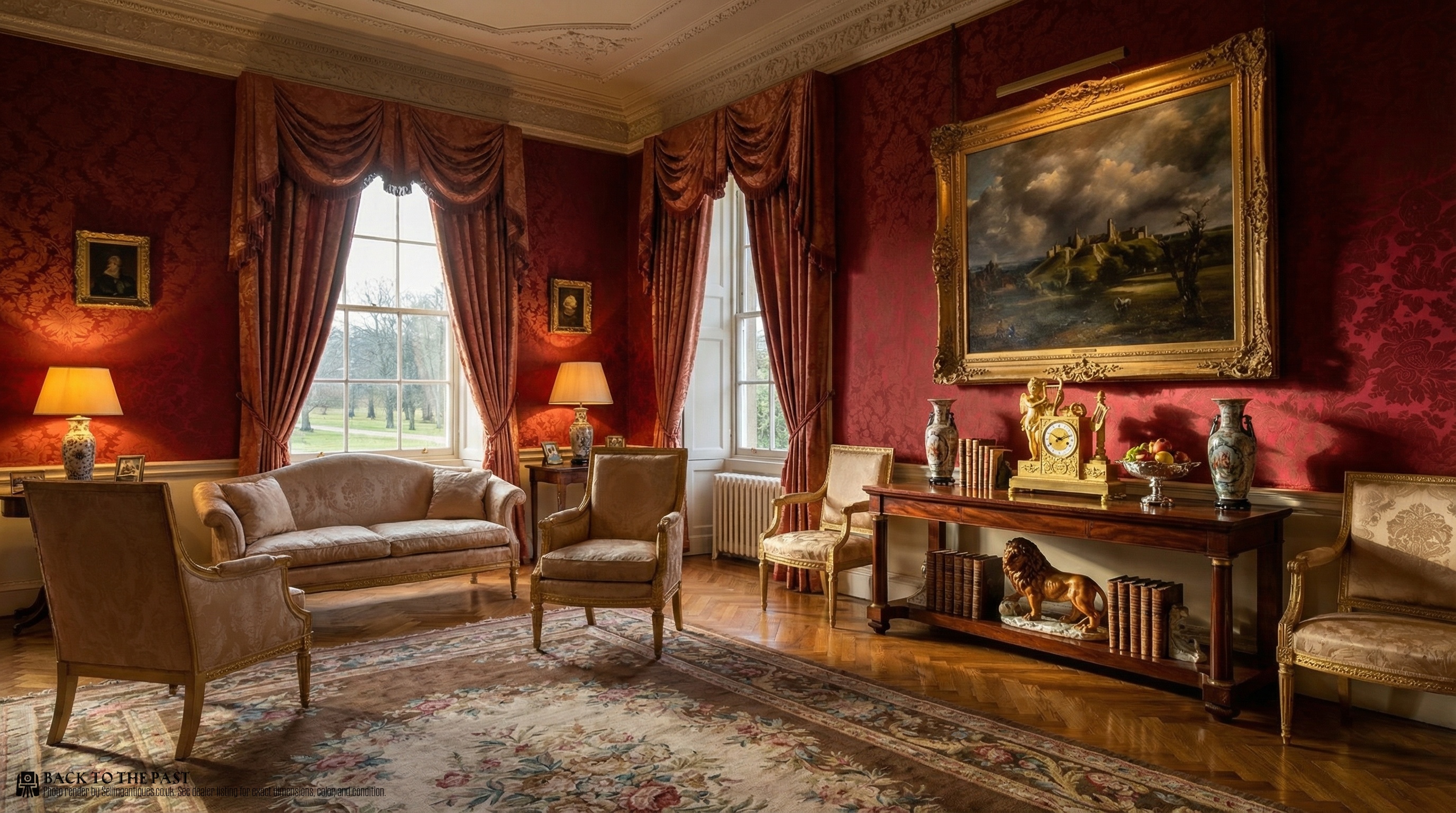
Vintage French Shelf Clock
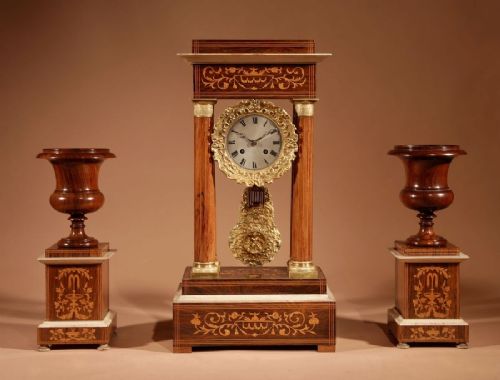
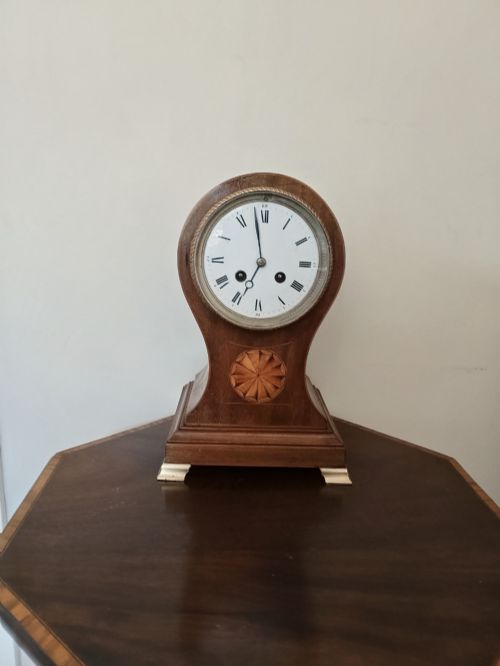
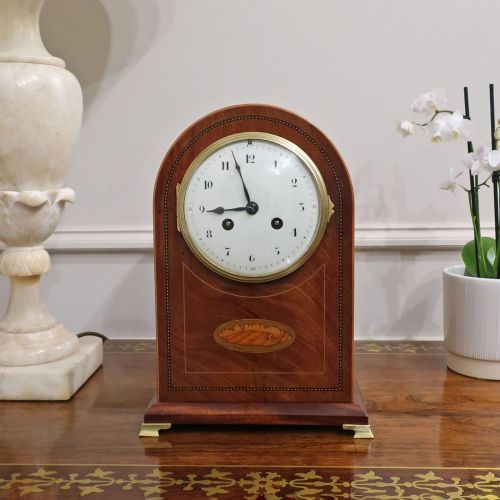
When searching for a vintage french shelf clock, collectors examine decorative timepieces originating from France during the nineteenth and early twentieth centuries, spanning periods from the Victorian era to Art Deco. The examples most frequently encountered on this page take the form of mantel clocks, carriage clocks, and portico clocks housed in architectural or figural cases.
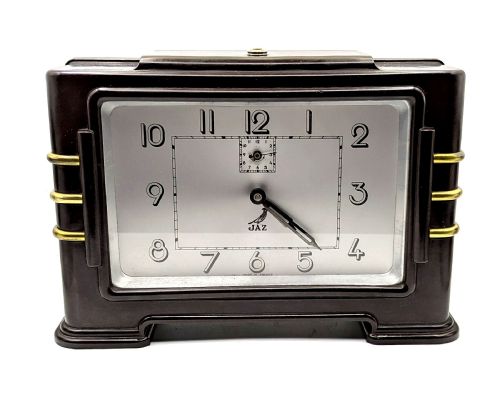
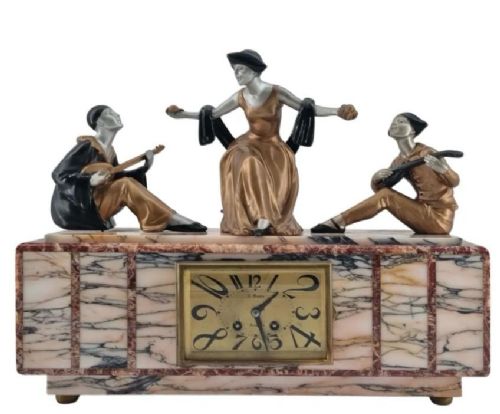
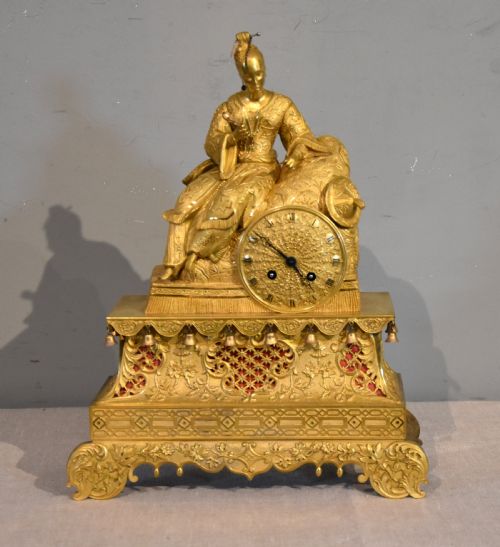
Makers housed these movements in varied housings, from heavy marble and slate bodies to polished mahogany, rosewood, and cast ormolu bronze. Styles range from classical French Empire and ornate Victorian Classical Revival designs to sleek Art Deco bakelite and walnut streamline forms.
How they were made
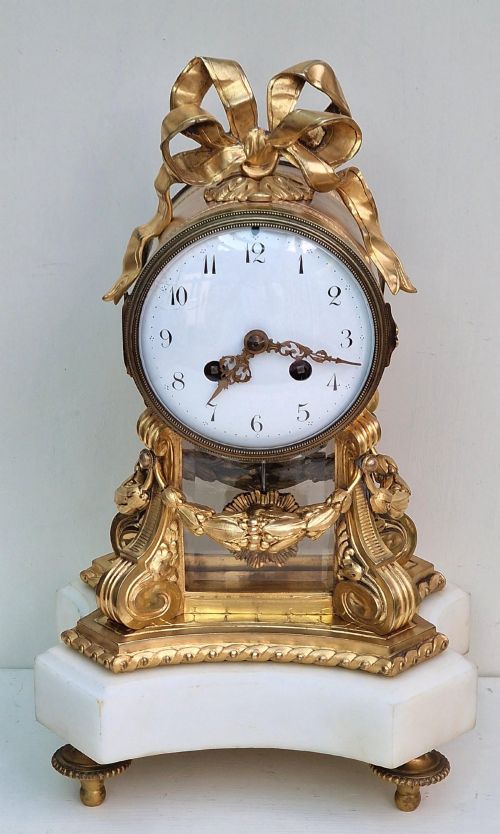
Craftsmen utilised heavy structural materials like white and red marble, slate, and rich hardwoods such as mahogany and rosewood to build the primary clock bodies. These housings were frequently embellished with cast brass, gilt bronze, ormolu mounts, and delicate marquetry inlay.
Dial faces incorporated glass panels, enamel chapter rings, and brass bezels, often protecting delicate striking and repeating gear trains driven by eight-day movements.
Listings feature Victorian, Edwardian, and Art Deco eras, constructed from materials including marble, brass, ormolu, and mahogany.
What varies in quality
The standard of execution in the metal casting and marble carving separates utilitarian timepieces from exceptional salon pieces. Heavy, solid ormolu mounts with crisp chasing and substantial marble housings indicate superior workshops compared to lighter pressed brass and composite substitutes.
The sophistication of the internal movement dictates worth, where striking and repeating complications housed within gorge cases or crystal regulators demonstrate higher horological ambition.
Jaz·Henry Marc·Lenzkirch·Drocourt·L Epee France
The Vintage French Shelf Clock Glossary
- Ormolu
- A gilding technique of applying finely ground high-carat gold to bronze objects. This process produces a rich metallic lustre characteristic of fine French decorative metalwork.
- Gorge case
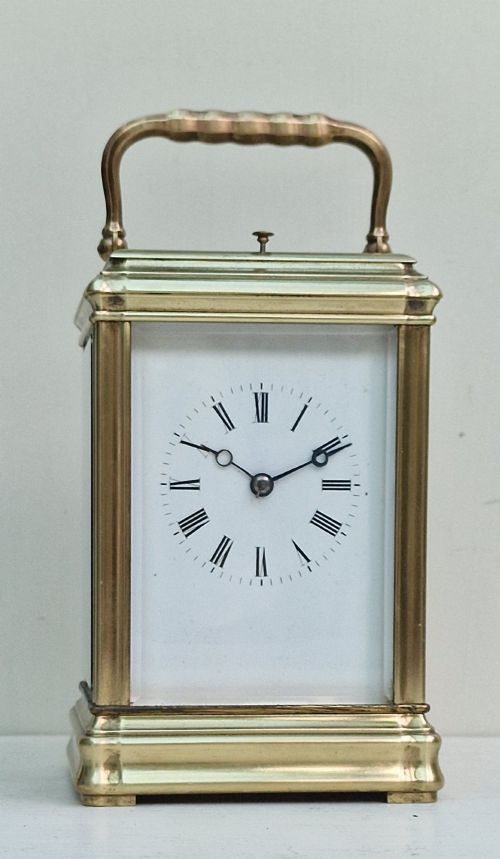
- A stepped, rectangular brass housing with glazed panels used primarily for carriage clocks. It allows the internal movement to be viewed from multiple angles.
- Crystal regulator
- A mantel clock featuring glass panels on all four sides housed in a brass or gilt frame. This design exposes the entire movement and swinging pendulum to the light.
- Striking clock
- A timepiece equipped with a mechanism that sounds the hours or half-hours on a bell or gong. These systems require separate gear trains within the movement.
- Portico clock
- A monumental clock design styled after classical architecture with supporting columns. These imposing pieces often feature central suspended pendulums.
Vintage French Shelf Clock: Frequently Asked Questions
How do I wind a vintage french shelf clock?
Most mechanical models rely on a key-wound spring movement that requires a steady, moderate turn until resistance is met. Care must be taken not to over-wind the mainspring.
Clock keys should match the winding squares precisely to avoid damaging the arbors. Regular timing adjustments are made via the small regulation square on the dial face.
Where should I place a heavy marble mantel clock?
The weight of marble and slate clock bodies demands a sturdy, level shelf or mantelpiece capable of supporting substantial loads safely. Placing the clock away from direct heat sources protects the internal oils and delicate wood veneers.
A stable surface ensures the pendulum hangs plumb, which is essential for maintaining consistent timekeeping and even ticking beats.
What is the difference between a carriage clock and a mantel clock?
Carriage clocks were originally designed for travel, featuring a portable brass gorge case with a folding handle on top. They typically contain a platform escapement rather than a hanging pendulum.
Mantel clocks are larger, heavier stationary pieces meant to sit permanently on furniture, relying on wall clearance and a vertical pendulum for regulation.
How do I identify an Art Deco clock?
Art Deco timepieces are characterised by geometric shapes, streamlined forms, and modern industrial materials like bakelite and chrome. They often feature stepped architectural cases and stylised Arabic numerals.
Unlike ornate Victorian or Empire designs, these pieces favour clean lines and functional modernity, frequently produced during the 1920s and 1930s.