



Vintage French Pier Mirror
A vintage french pier mirror brings vertical elegance and expansive light to a room, designed historically to hang on the narrow wall space between windows.
Vintage French Pier Mirror
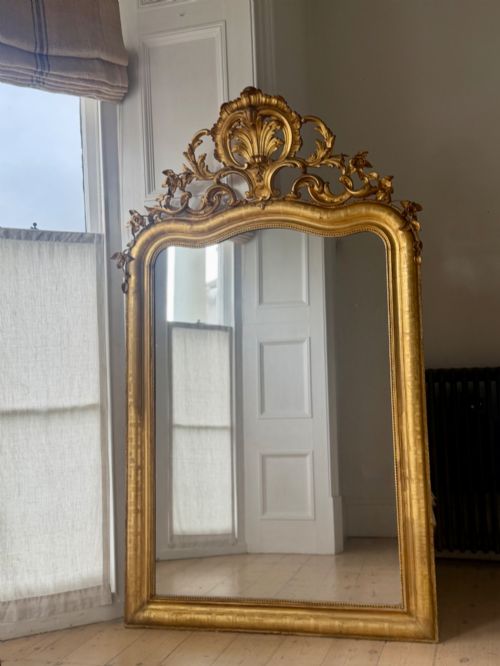
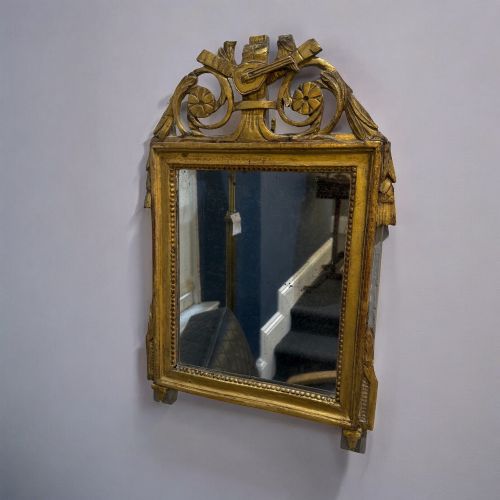
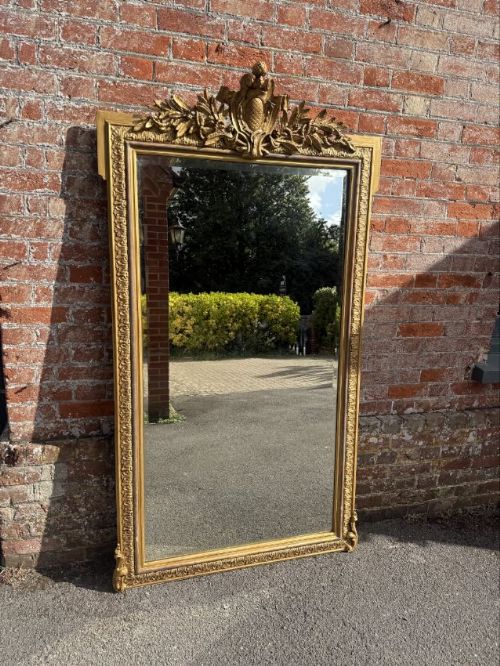
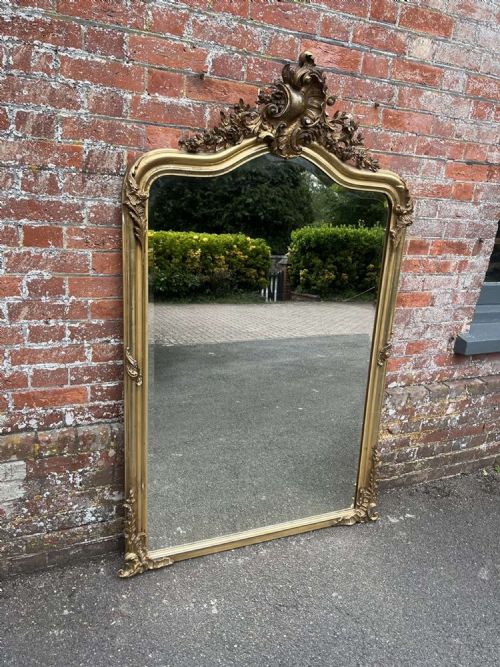
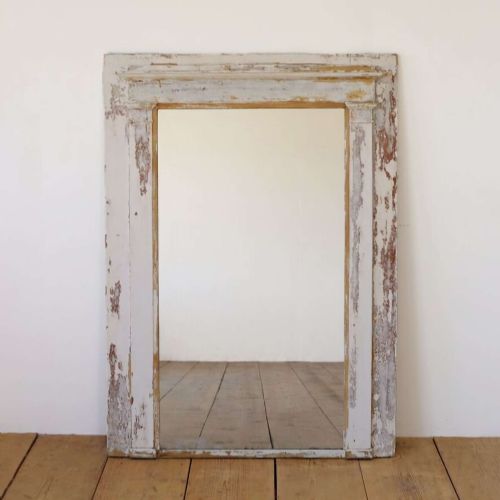
When you search for a vintage french pier mirror, you encounter tall wall-hanging looking glasses spanning the nineteenth century, including specific periods like eighteen sixty and nineteen hundred. These pieces often take the form of trumeau mirrors, wall mirrors, or console table and mirror sets designed for tall spaces.
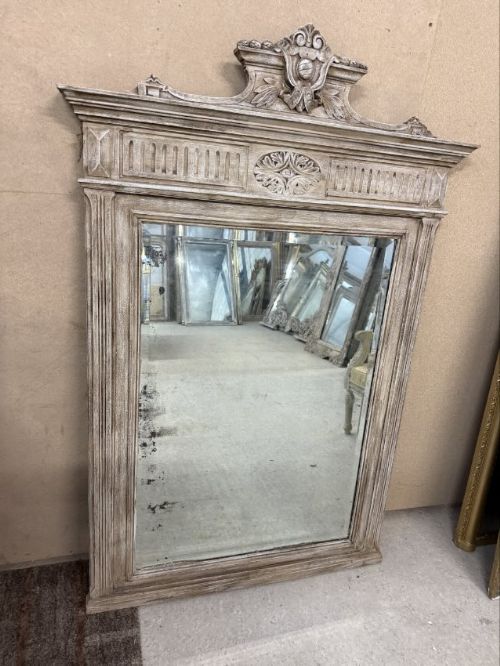
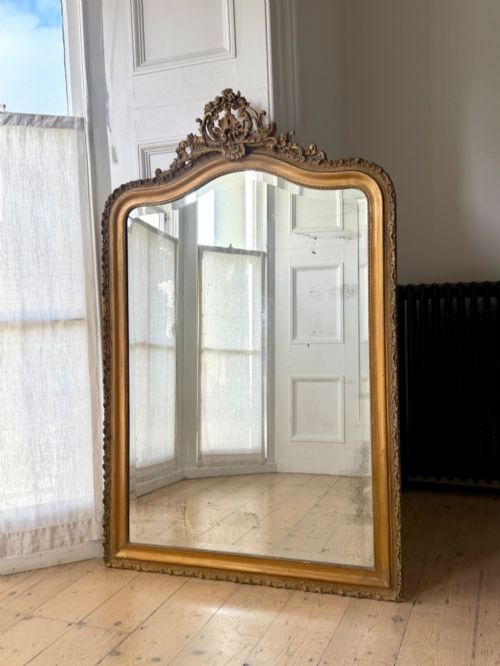
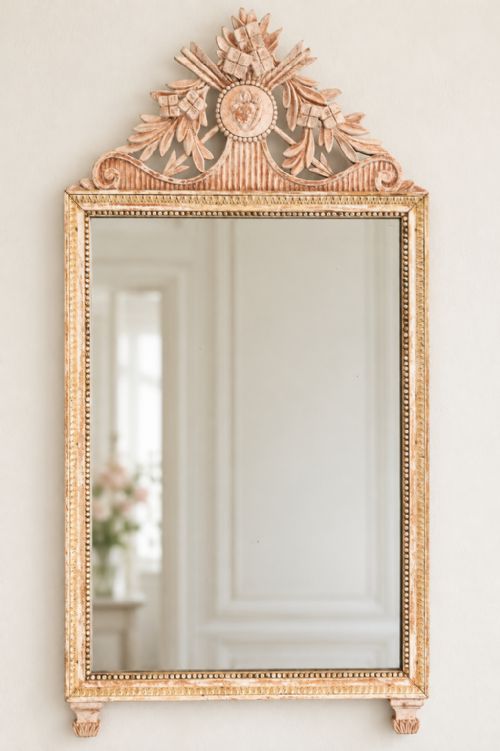
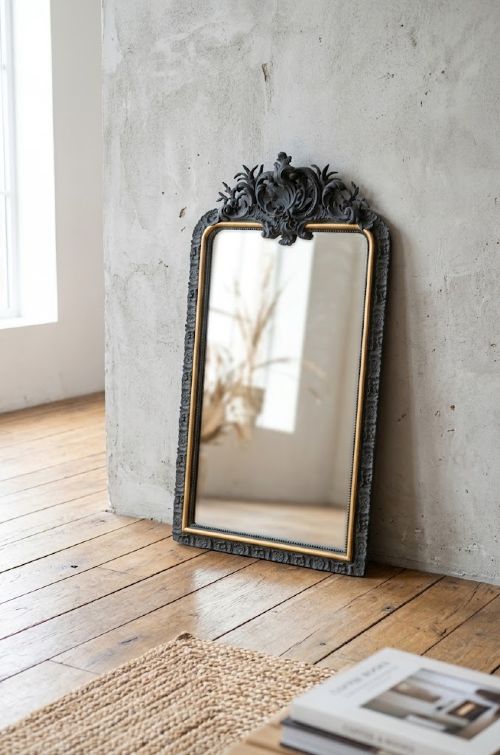
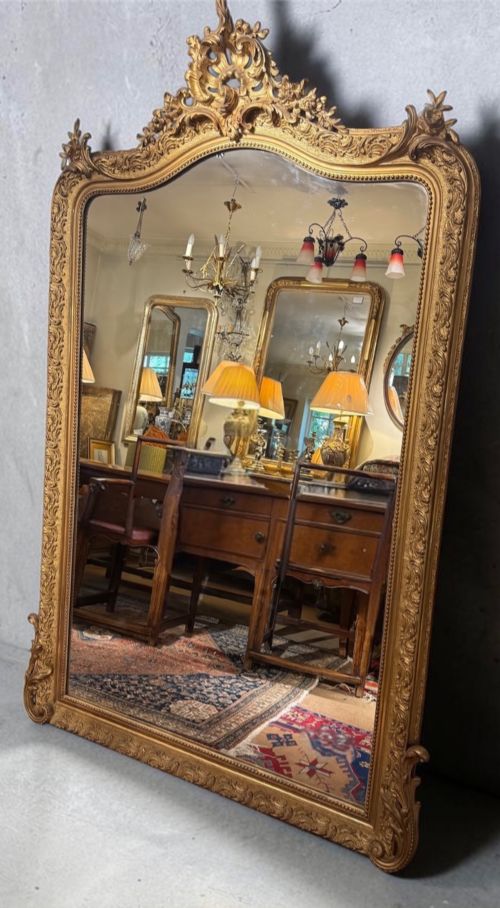
The aesthetic draws heavily on french chateau, rococo revival, and louis xv rococo styles, characterised by shaped tops, arched forms, and ornate crests. Most examples found here originate from nineteenth century France, reflecting the grand interior schemes of the period.
How they were made
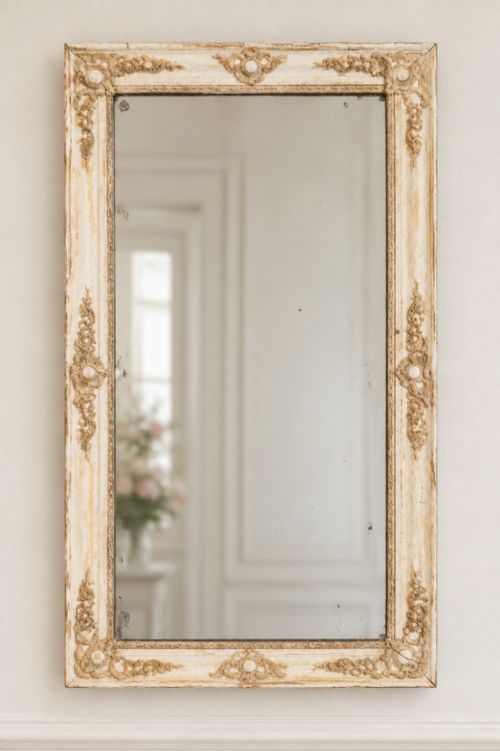
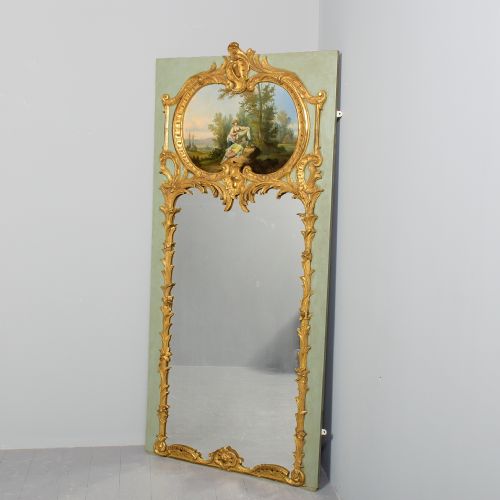
Maker workshops built the structural frames using wood, carved wood, and gesso to form elaborate relief ornamentation before applying finishes like gold leaf, silver gilding, or paint. Olive green paint, ebonised surfaces, and parcel-gilt details also appear across the surviving pieces.
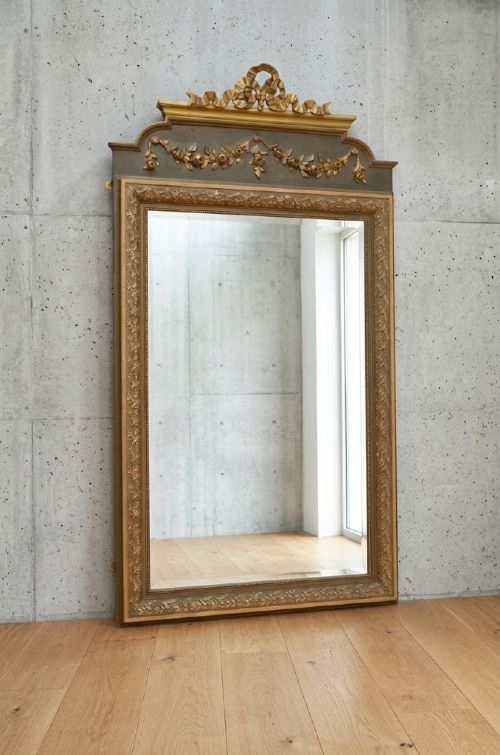
Glass plates were set within these heavily decorated giltwood and painted wooden frames, occasionally accompanied by fret cut elements or integrated console tables. The combination of carved gesso over wood allowed artisans to achieve deep sculptural scrollwork and ribbon crests.
Vintage French Pier Mirror Retail Price Guide 2026
Typical asking prices for vintage french pier mirror among the pieces listed under this phrase on Sellingantiques today, from the lower quarter to the upper quarter. They describe what is for sale here now, not the wider market.
One marriage mirror waits quietly on the list, ready to reflect past domestic celebrations.
What varies in quality
The depth and crispness of the carved wood and gesso ornamentation separate standard decorative frames from highly ornate artistic works. Hand-applied gold leaf and detailed parcel-gilt or silvered surfaces indicate a higher standard of workshop production.
Structural scale and proportion also define the range, with monumental heights and integrated console table sets representing more ambitious commissions than simpler wall-hanging formats.
The Vintage French Pier Mirror Glossary
- Pier mirror
- A tall looking glass designed specifically for the wall space between two windows. These vertical glasses often stood above console tables.
- Trumeau mirror
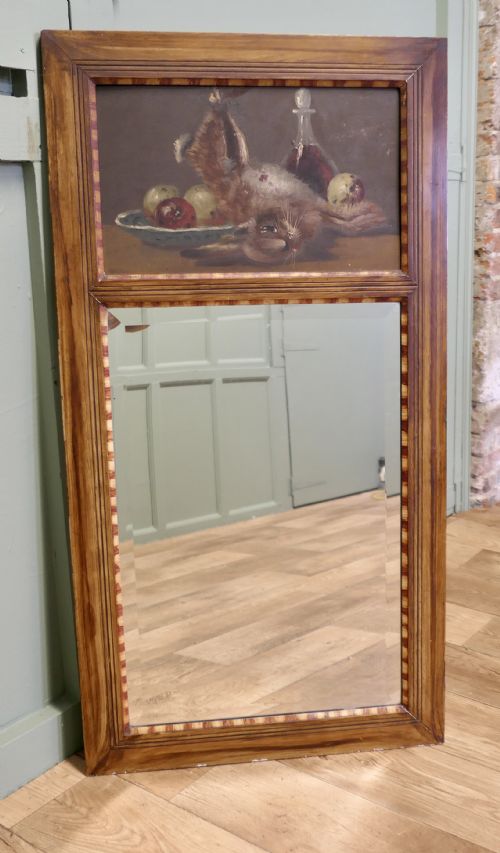
- A decorative wall mirror incorporating a painted panel or artwork within the upper section of the wooden frame. They were popular in French interior design.
- Gesso
- A plaster-like mixture applied to wood frames and carved into intricate relief patterns before gilding. It provides the smooth base for gold leaf.
- Giltwood
- Timber coated with thin gold leaf or gold paint to create a lustrous metallic finish. This material defines much of nineteenth-century decorative framing.
- Rococo revival
- A nineteenth-century design movement inspired by eighteenth-century French rococo curves, asymmetry, and natural motifs. It heavily influences these mirror frames.
Vintage French Pier Mirror: Frequently Asked Questions
Where should I hang a pier mirror?
These tall looking glasses suit narrow wall spaces, hallways, or living rooms where vertical height enhances the proportions of the interior. Placing them between windows follows their original architectural purpose.
They also function effectively above console tables to create a coordinated decorative scheme within a room.
How do I identify a nineteenth-century French mirror?
Examine the construction methods, materials such as carved gesso over wood, and stylistic indicators like Louis XV rococo or trumeau panels. French examples often feature distinct crests, ribbon motifs, or arched tops characteristic of the period.
The scale and gilding techniques further point to continental workshop practices of the eighteen hundreds.
What is a trumeau mirror?
A trumeau mirror combines a vertical looking glass with an integrated painted wooden panel set into the upper frame. This style originated in traditional French interior architecture.
They offer a decorative combination of fine painting and reflective glass within a single wall-mounted unit.
Are these mirrors heavy?
Solid wood, gesso, and thick glass plates contribute to substantial weight across many of these tall pieces. Proper wall anchoring into structural studs is essential for safe installation.
Console table combinations also require secure floor and wall placement to support the combined furniture set.