

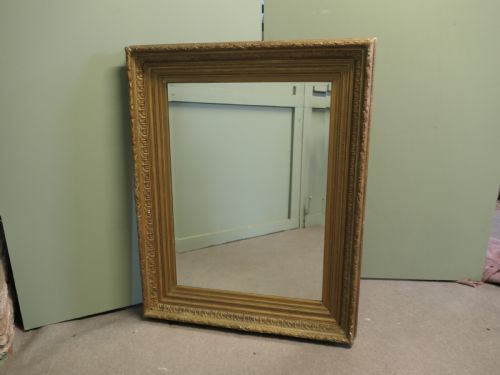
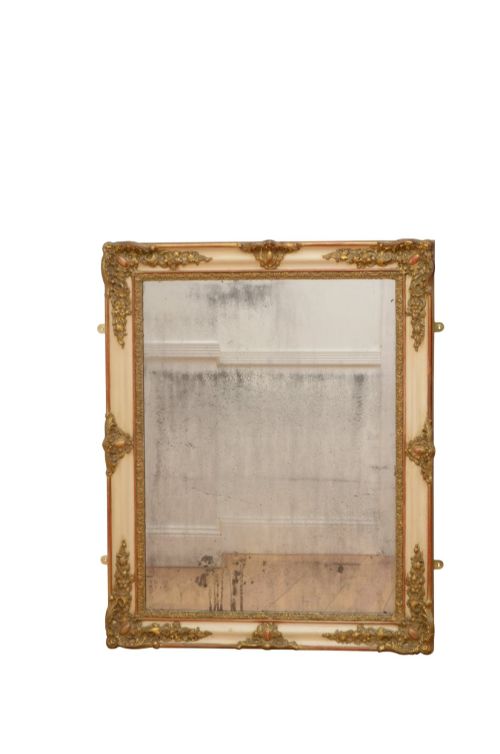
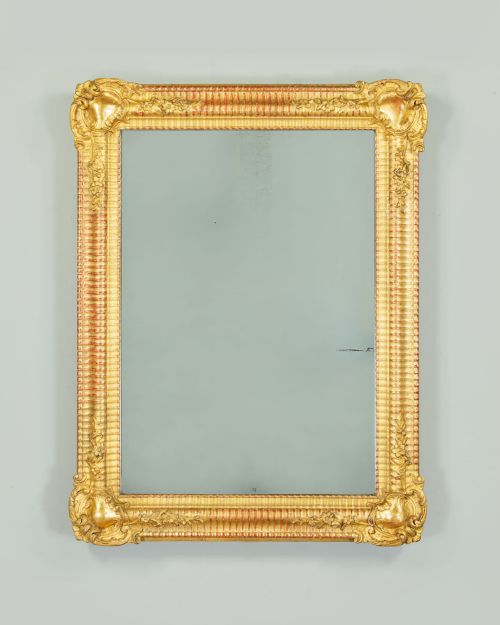
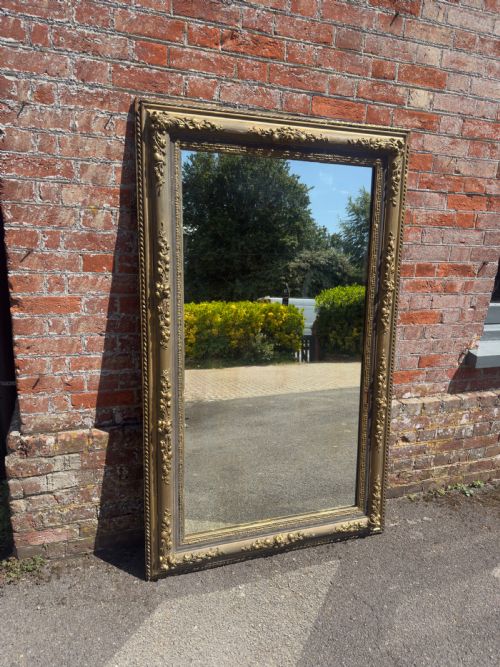
Rectangular French Wall Mirror
A rectangular french wall mirror brings depth and light to a room, offering the carved flourishes and gilded warmth typical of nineteenth-century salons.
Rectangular French Wall Mirror
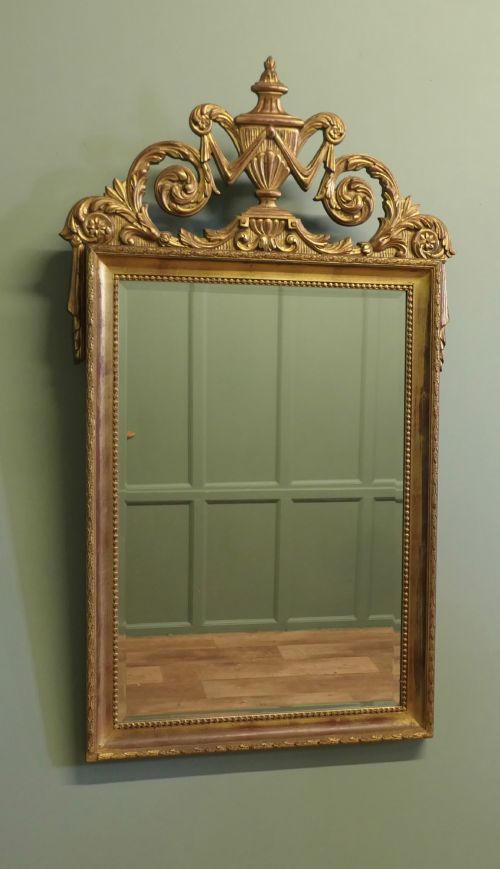
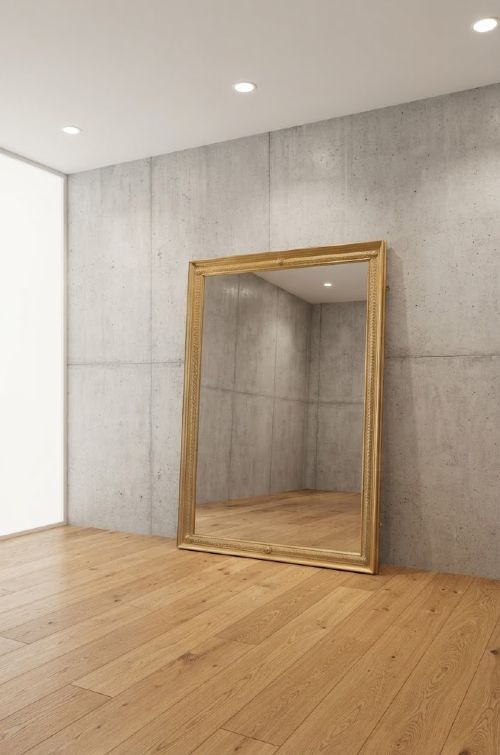
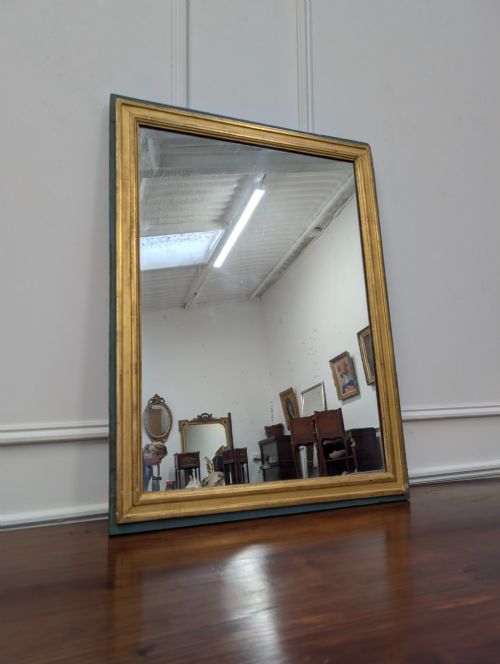
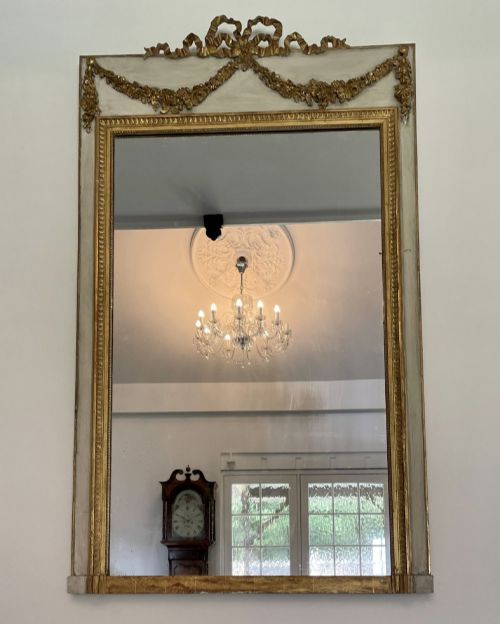
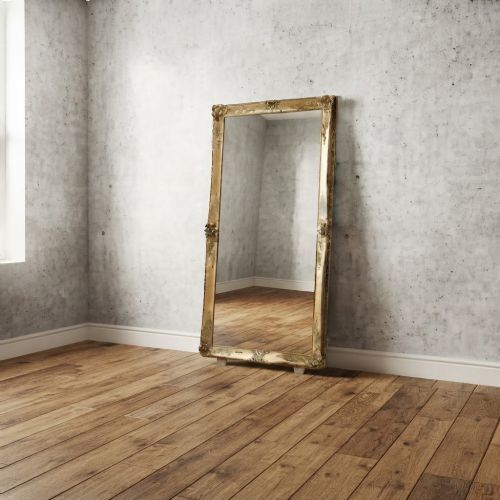
A rectangular french wall mirror is a decorative looking glass designed for hanging or leaning, frequently encountered in nineteenth-century styles such as Rococo Revival, Neoclassical, and French Provincial. These pieces serve as functional focal points in domestic interiors, ranging from compact overmantel mirrors to full-length leaner formats.
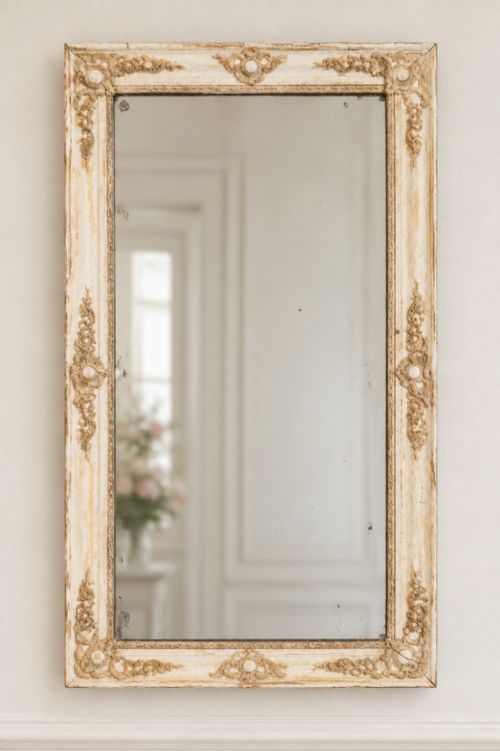
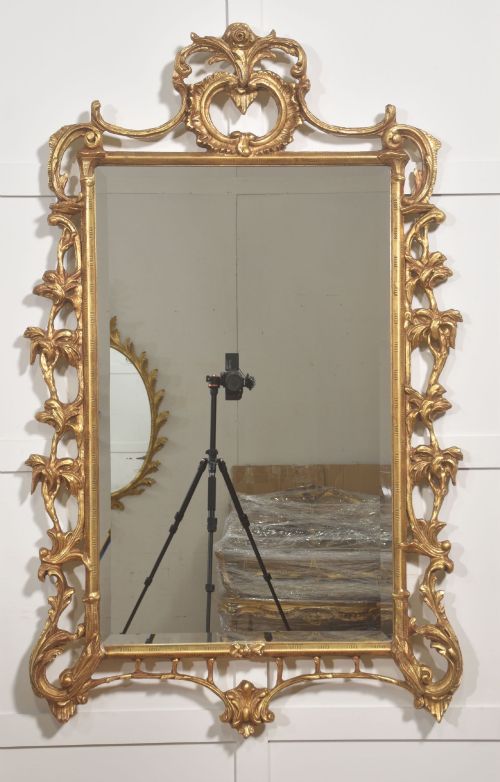
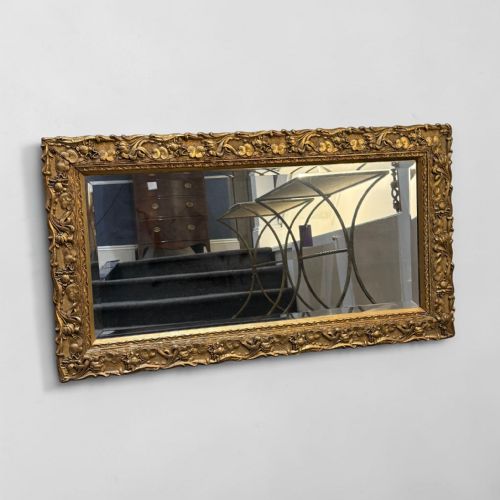
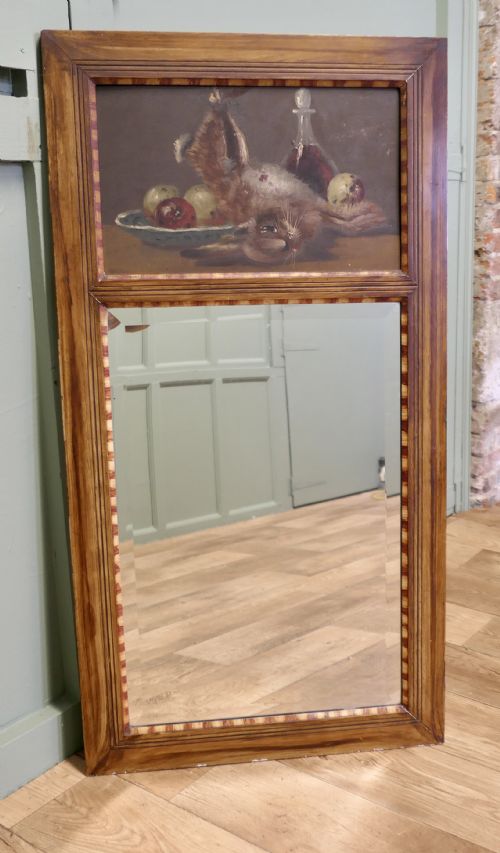
The selection encompasses diverse regional interpretations, including rustic trumeau pier mirrors and ornate giltwood frames adorned with floral and mythological carvings. Buyers most often meet nineteenth-century examples fashioned in giltwood, gesso, and painted wood, reflecting the aesthetic preferences of the period.
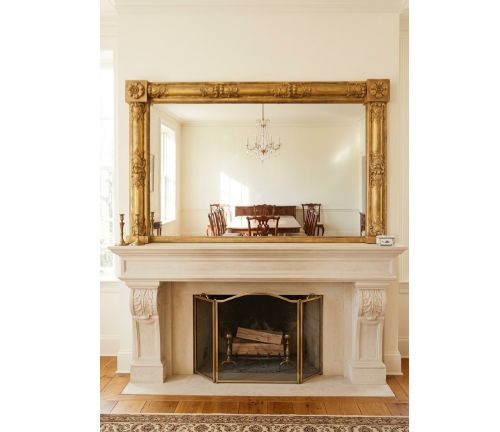
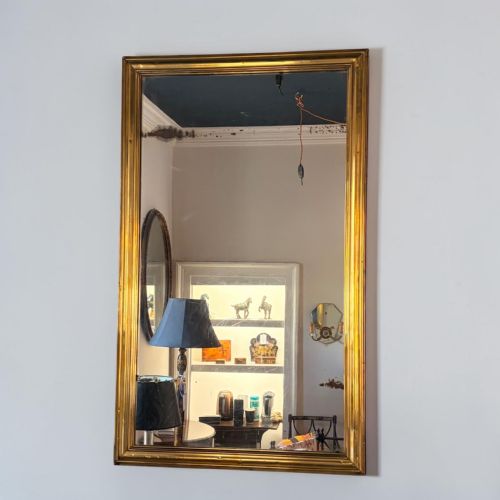
Overmantel mirrors and tall bistro mirrors appear regularly in the selection, designed to sit above mantelpieces or along domestic walls. These forms demonstrate the versatility of nineteenth-century design, utilising proportions suited to both grand chateaus and smaller rooms.
How they were made
Makers constructed the frames using wood, such as oak or pine, which provided a stable structural foundation for subsequent ornamentation. Carvers applied layers of gesso to the timber base to build up intricate relief details like floral garlands and classical motifs.
Gilding techniques involved applying gold leaf or silver leaf over the prepared gesso surface, often burnished to achieve a brilliant metallic sheen. Alternatively, frames received painted or ebonised finishes, while some later examples incorporated brass or composition material for decorative mouldings.
Rectangular French Wall Mirror Retail Price Guide 2026
Typical asking prices for rectangular french wall mirror among the pieces listed under this phrase on Sellingantiques today, from the lower quarter to the upper quarter. They describe what is for sale here now, not the wider market.
The selection includes various formats, ranging from compact dressing mirrors to grand overmantel and full-length leaner mirrors.
What varies in quality
The crispness and depth of the carved woodwork separate standard framing from exceptional craftsmanship. Superior examples display hand-carved details with sharp relief in the floral and mythological motifs, whereas lesser pieces rely on simpler moulded composition.
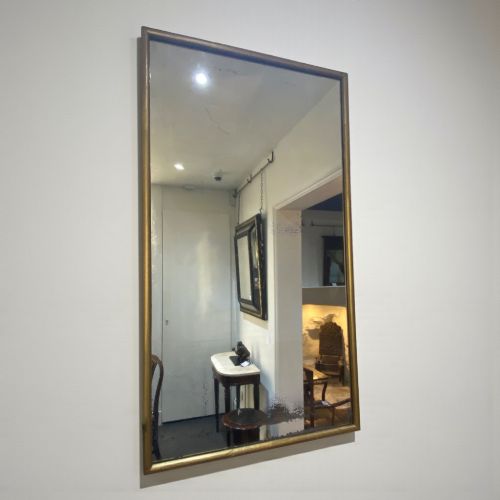
The integrity of the original gilt surface and the character of the mirror glass determine the standing of a piece within its period. Traces of historical wear, patination on the silvering, and the presence of original mercury glass plates distinguish untouched examples from those extensively restored.
The Rectangular French Wall Mirror Glossary
- Giltwood
- Wood that has been coated with gold leaf or gold paint. This finish creates the luminous metallic frames characteristic of many nineteenth-century wall mirrors.
- Gesso
- A plaster mixture applied to wood frames to create a smooth surface for carving and gilding. It allows craftsmen to shape intricate relief decorations before applying gold leaf.
- Trumeau
- A decorative wall panel incorporating a mirror and a painted scene or carved wood. These architectural elements originated in French interiors during the eighteenth and nineteenth centuries.
- Overmantel
- A mirror specifically proportioned to hang above a fireplace mantelpiece. They often feature horizontal rectangular formats designed to match the width of the hearth below.
- Bistro mirror
- A commercial mirror style featuring a narrow frame, commonly made of brass or wood. These pieces hung in French cafes and domestic spaces during the nineteenth century.
- Cushion frame
- A mirror frame with a rounded, outward-sloping profile that resembles a soft cushion. This style adds visual depth and catches light from multiple angles.
Rectangular French Wall Mirror: Frequently Asked Questions
How do I hang a heavy mirror?
Heavy nineteenth-century mirrors require secure wall fixings anchored directly into masonry studs or solid brickwork using appropriate brackets. Professional installation is recommended to support the substantial combined weight of the timber frame and glass plate.
Ensure the hanging wire or integrated D-rings on the reverse are rated for the specific load. Distributing the weight across two fixing points prevents the frame from tilting.
How do I clean antique glass?
Clean antique mirror glass gently using a soft microfibre cloth and a mild, neutral cleaning solution applied to the cloth rather than directly onto the glass. Avoid harsh chemicals that can seep behind the plate and damage the historical silvering.
Take care around the edges where the silver backing is often fragile and prone to oxidation. Preserving the natural foxing and age spots maintains the authenticity of the piece.
How do I date an antique mirror?
Dating relies on examining the construction methods, wood types, fastening screws, and the condition of the glass plate. Hand-cut timber, early gesso application techniques, and historical gilding styles provide key chronological markers.
Comparing the decorative motifs, such as neoclassical urns or Rococo scrolls, against known period designs helps narrow the decade of origin.