

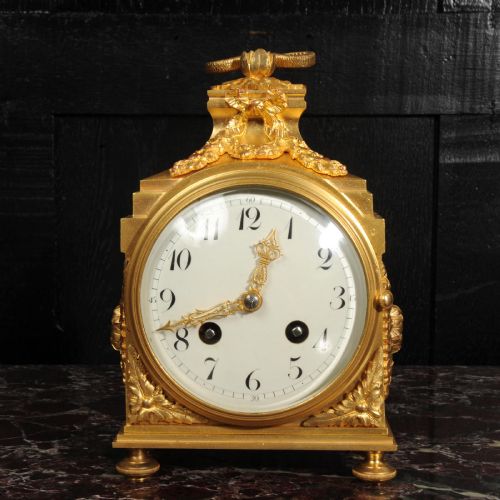


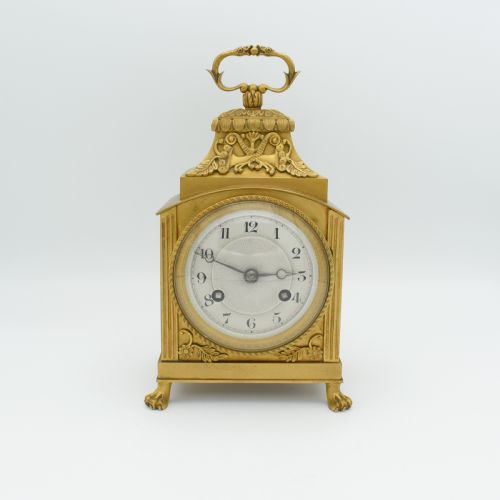


Vintage French Pendule
These vintage french pendule timepieces bring classical continental elegance to a mantelpiece, offering a striking centrepiece for any traditional room.
Vintage French Pendule
When you search for vintage french pendule timepieces, you are looking at ornamental clocks originating from continental workshops during the nineteenth century. These items include mantel clocks, exhibition pieces, and striking grandfather clocks designed to command attention in a room.
The versions you are most likely to meet on this page span several distinct periods from the eighteen-fifties through to nineteen-thirty. They incorporate classic continental forms ranging from sturdy architectural cases to ornate figurative designs.
Makers drew on established design vocabularies including French Empire, Louis XVI, and Rococo Revival aesthetics. Such variety ensures that whether you prefer restrained symmetry or flamboyant detailing, a suitable mantelpiece option exists within the selection.
How they were made
Artisans constructed these horological pieces using heavy metals such as ormolu, gilt bronze, and polished brass to build durable and decorative cases. Marble foundations and glass panels frequently added structural weight and visual contrast to the metalwork.
Surface decoration often relied upon rich gilding techniques alongside enamel dials and intricate faux tortoiseshell finishes. Master craftsmen combined metal casting with careful surface chasing to achieve the elaborate textures characteristic of the period.
Vintage French Pendule Retail Price Guide 2026
Typical asking prices for vintage french pendule among the pieces listed under this phrase on Sellingantiques today, from the lower quarter to the upper quarter. They describe what is for sale here now, not the wider market.
Listings here feature items spanning the Victorian era through to nineteen-thirty, utilising materials from enamel and marble to gilt bronze.
What varies in quality
The level of detail in the metal chasing and the crispness of the cast ornamentation separate standard examples from exceptional ones. Finer pieces display deeply carved motifs and harmonious proportions that maintain their visual balance across the entire case.
Material selection also dictates the hierarchy, with heavy fire-gilt bronze and genuine marble housing commanding greater presence than lighter base metals. The integration of specialty elements like enamel dials and specialised movement signatures elevates the standing of an individual clock.
Paul Garnier
The Vintage French Pendule Glossary
- Ormolu
- A technique of applying finely ground high-carat gold to an object of bronze. This process creates a rich, durable golden surface that resists tarnishing over decades.
- Pendule d'officier
- A portable officer clock featuring a distinct carriage-style handle on top. These travel timepieces were originally designed for military commanders on campaign.
- Gilt bronze
- Copper alloy coated with a layer of gold. It provides the heavy foundation needed for elaborate nineteenth-century casting.
- Lyre clock
- A timepiece shaped like the ancient musical instrument. The symmetrical string frame usually encloses the central clock face.
- Rococo Revival
- A nineteenth-century design movement favouring asymmetrical curves, scrollwork, and natural motifs. It draws direct inspiration from earlier eighteenth-century French royal aesthetics.
Vintage French Pendule: Frequently Asked Questions
What is a pendule d'officier?
A pendule d'officier is a compact timepiece fitted with a carrying handle, originally made for officers on campaign during the eighteenth and nineteenth centuries.
These portable clocks combine mechanical reliability with robust casing designed to withstand travel without losing precision.
How do I date a french mantel clock?
Dating relies on examining the material construction, design style, and any visible maker marks on the movement backplate. Rococo Revival pieces typically point to the mid-nineteenth century, while later examples often adopt cleaner revival lines.
Comparing the dial enamel work and casting crispness against known period standards helps narrow the decade of production.
Where should I place a heavy bronze clock?
These heavy metal and marble timepieces require a sturdy mantelpiece, sideboard, or dedicated console table capable of supporting significant weight.
Ensure the surface is completely level to keep the mechanical pendulum swinging evenly and to prevent accidental tipping.
What materials make up these clock cases?
Casework primarily consists of cast ormolu, gilt bronze, and brass, frequently paired with contrasting marble bases and glass viewing panels.
Some examples also feature decorative surface treatments like faux tortoiseshell finishes and delicate enamel clock faces.