
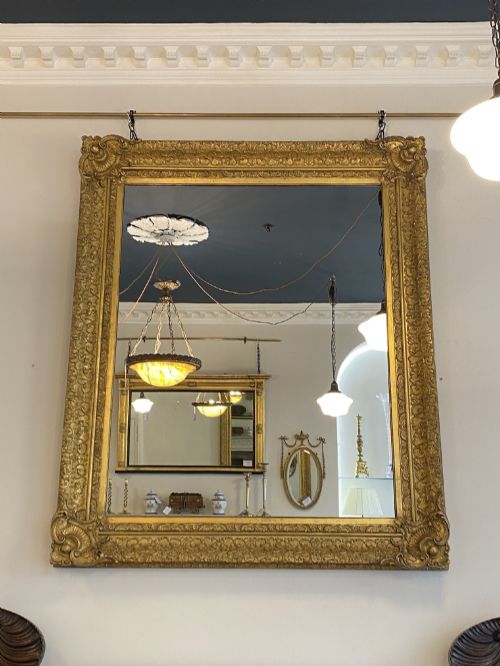
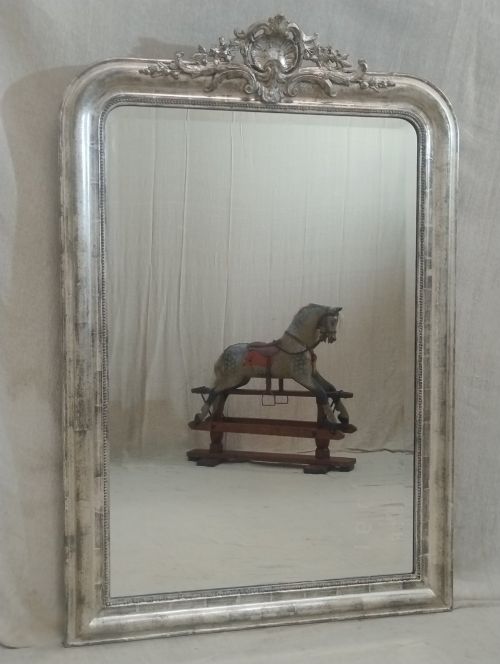
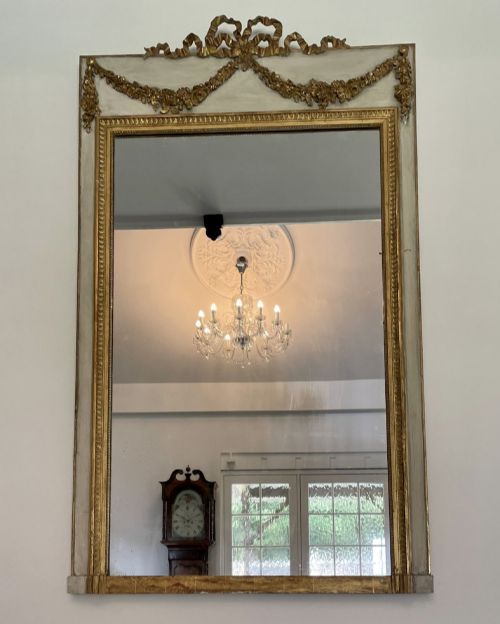
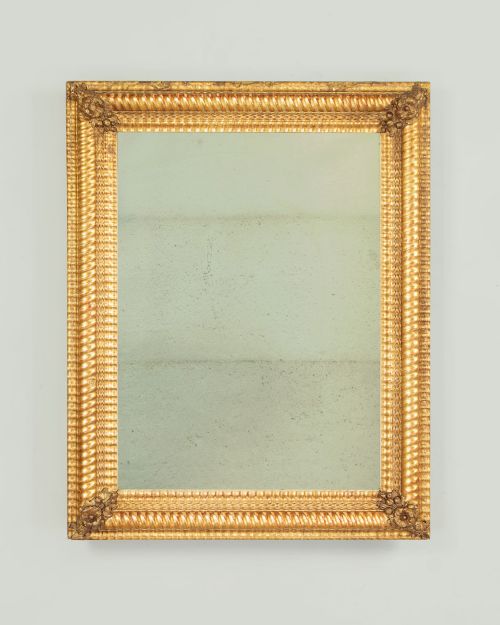
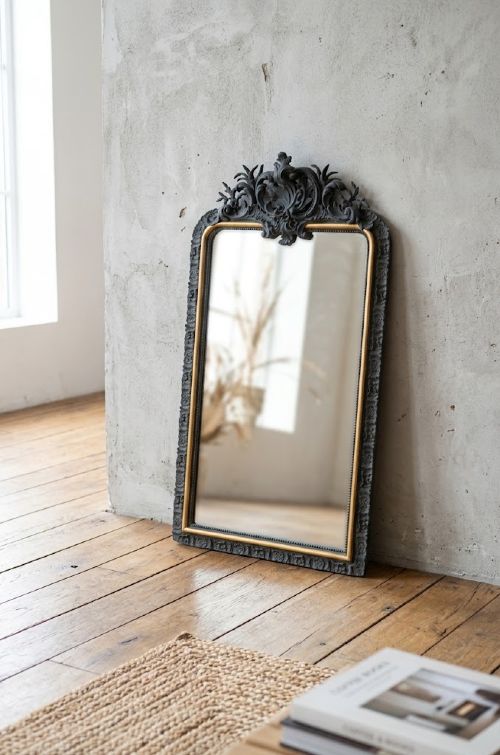
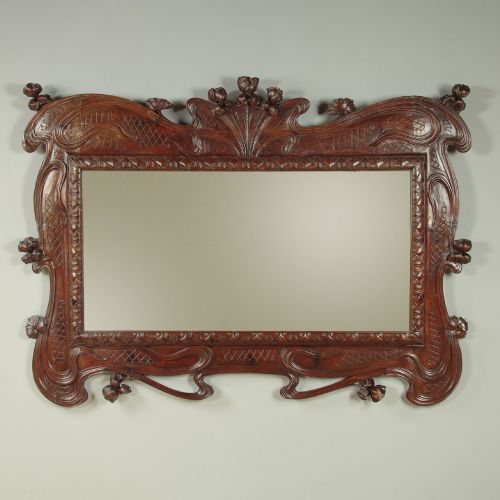
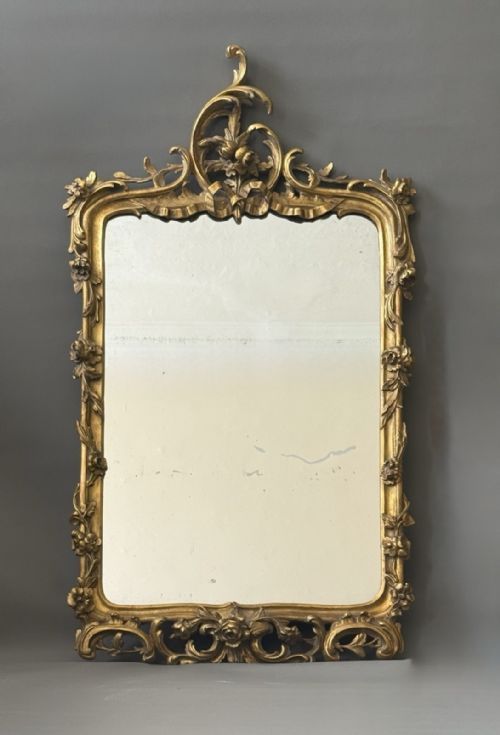
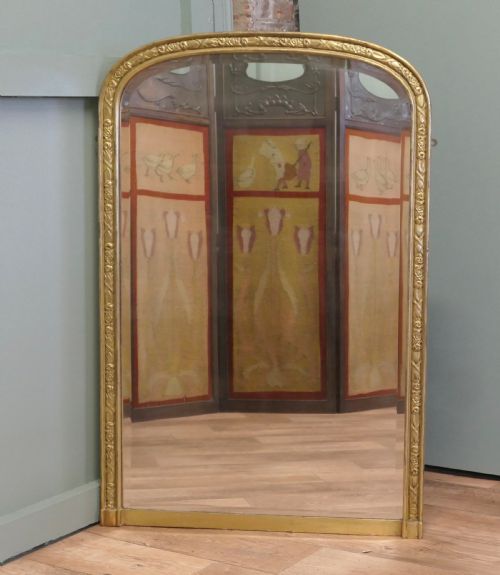
Vintage French Overmantel Mirror
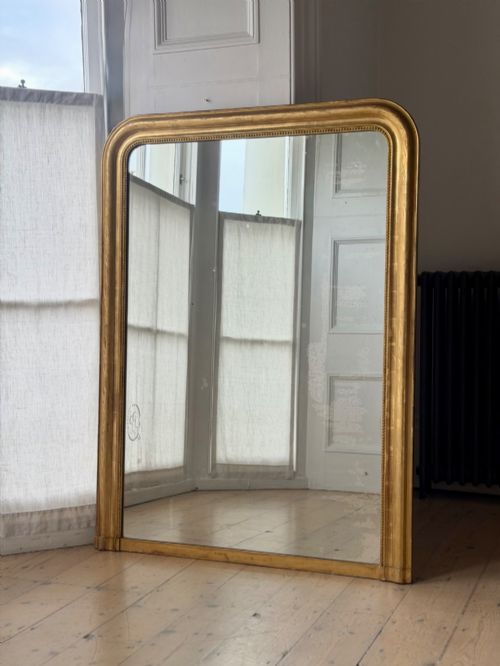
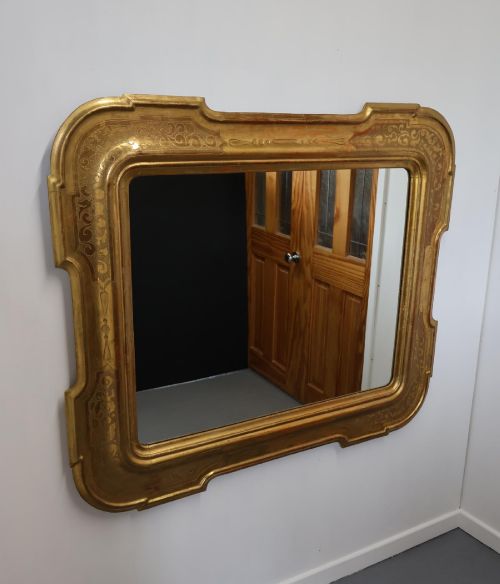
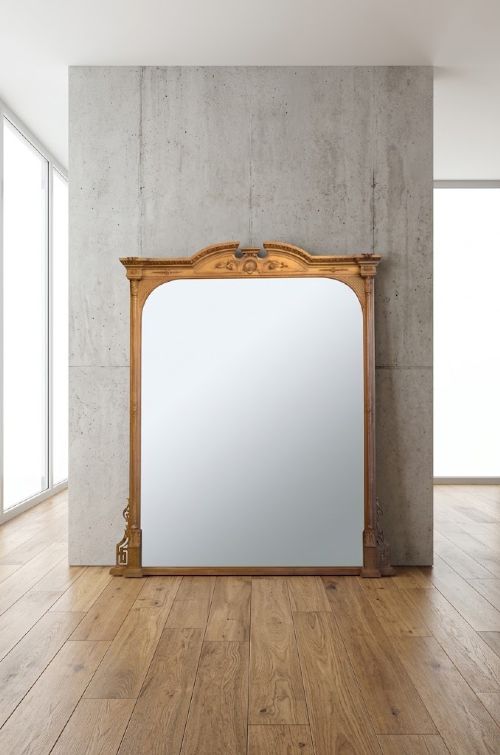
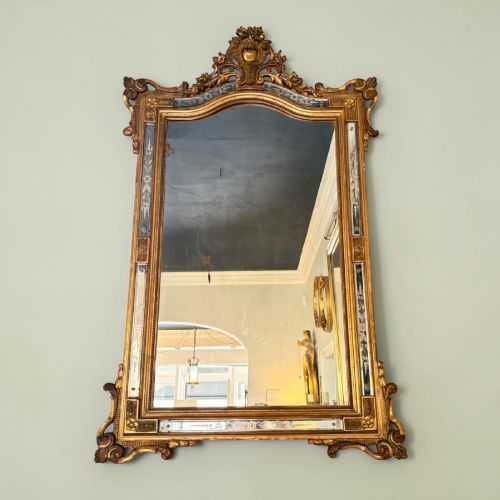
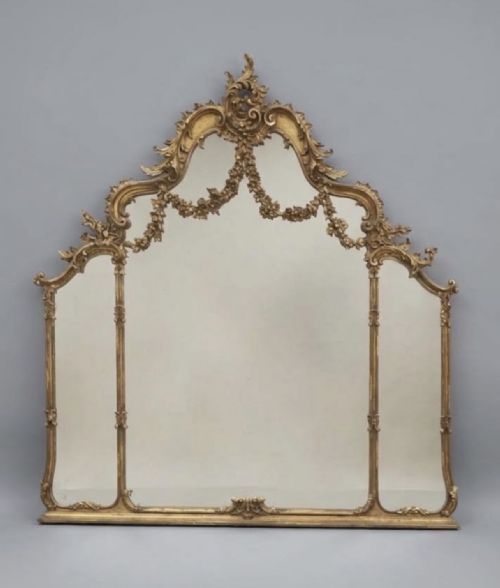
A vintage french overmantel mirror brings proportion and light to a room, designed historically to sit low upon the chimney breast.
How they were made
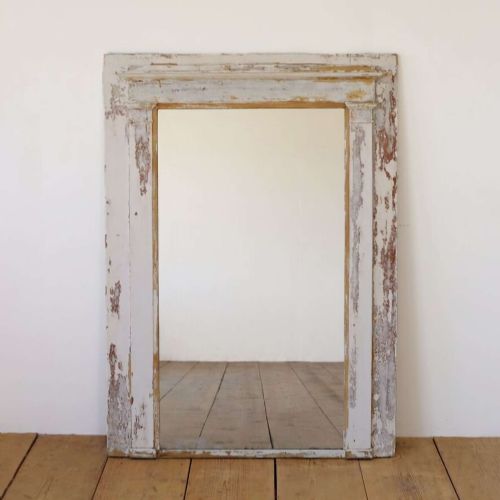
Makers constructed the foundational frames using timber such as oak or pine, often applying layers of gesso to build up intricate decorative reliefs. Artisans then gilded these surfaces using gold leaf, silver leaf, or applied paint finishes.
Mirrors from this tradition incorporated silvered or mercury glass plates, frequently showing age-related foxing and oxidation. Frames relied on traditional joinery techniques, supporting heavy glass within carved wood and plaster compositions.
What varies in quality
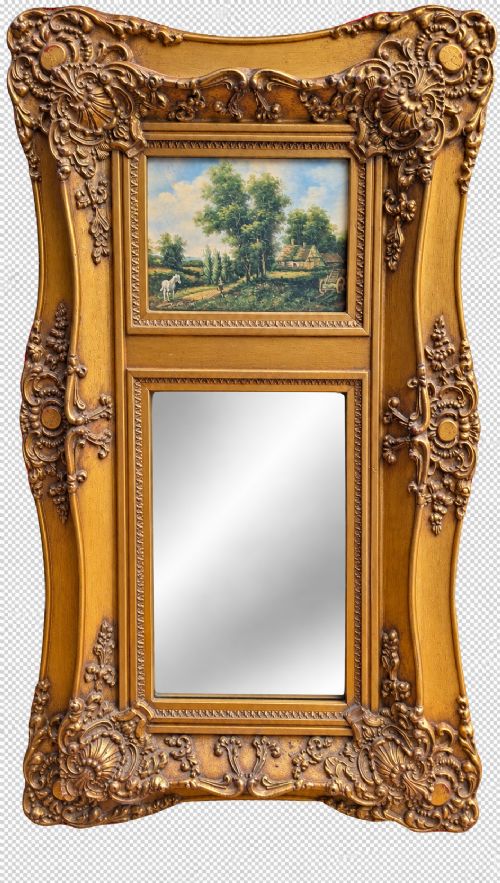
The distinction between tiers rests upon the depth and crispness of the hand-carved ornamentation within the wood and gesso. Superior examples display sharply defined motifs and original gilding that has aged naturally without heavy modern intervention.
Quality also shows in the originality of the mirror plate itself, where authentic period mercury glass with natural foxing commands distinct appreciation compared to later replacement glass.
The listings show materials ranging from simple painted wood and gesso to elaborate gold leaf and silver leaf over giltwood.
The Vintage French Overmantel Mirror Glossary
- Gesso
- A plaster mixture applied to wood frames to create a smooth surface for gilding or painting. This material allowed artisans to carve intricate relief details before applying gold leaf.
- Giltwood
- Timber coated with gold leaf or gold paint to simulate solid gold. It forms the primary decorative finish on many nineteenth-century formal wall pieces.
- Trumeau mirror
- A decorative mirror integrated into a wood-panelled wall or fitted with an upper panel containing a painting or carving. This style became popular in French domestic interiors.
- Louis Philippe
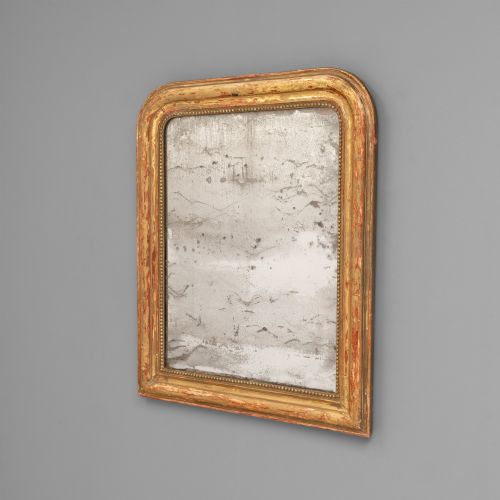
- A nineteenth-century French architectural and furniture style characterised by understated elegance, simple curved upper corners, and minimal ornamentation. These designs offer restrained refinement compared to earlier rococo excesses.
- Foxing
- Small dark spots and patches that develop in the reflective backing of antique mirrors over time. This natural oxidation process serves as an indicator of genuine age.
Vintage French Overmantel Mirror: Frequently Asked Questions
Where should an overmantel mirror hang?
These pieces were traditionally manufactured to mount directly above a fireplace mantelpiece, anchoring the visual weight of the hearth. They function equally well above a low sideboard or console table in a principal reception room.
Ensure the wall construction supports the considerable weight of timber and heavy glass before fixing the mirror securely in position.
What is Louis Philippe style?
The Louis Philippe style emerged in nineteenth-century France, favouring cleaner lines and restrained curves over heavy ornamentation. These pieces often feature a gentle rounded top arch and simple moulded frames.
This aesthetic suits both traditional interiors and minimalist contemporary spaces seeking a touch of period proportion.
How do I identify mercury glass?
Mercury glass typically displays uneven reflectivity, cloudy areas, and distinctive dark spots known as foxing behind the glass plate. This appearance results from historical silvering methods involving metallic amalgams.
Original plates show depth and a soft, mottled reflection that modern replacement glass cannot replicate.
How do I clean antique frames?
Dust giltwood and painted frames gently using a soft, dry brush to protect delicate gesso and gold leaf surfaces. Avoid using liquid cleaners or abrasive cloths on the carved sections.
Clean the glass plate with a mild glass cleaner applied to a cloth rather than sprayed directly, preventing moisture from seeping behind the frame.