
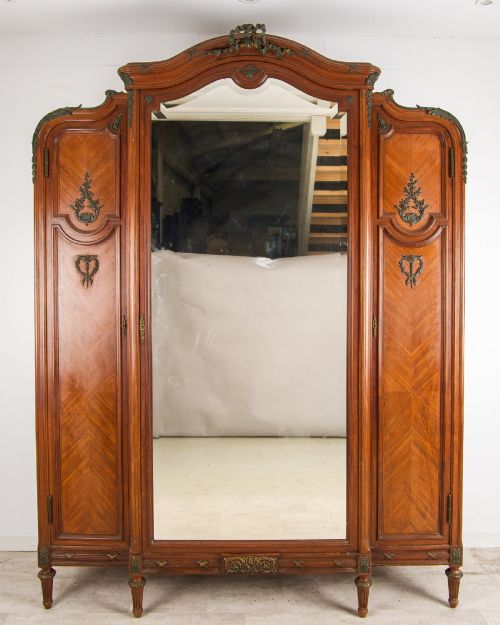
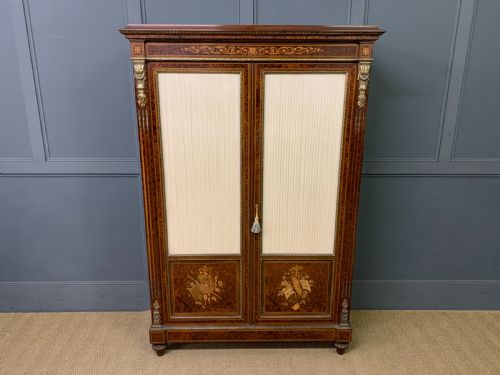

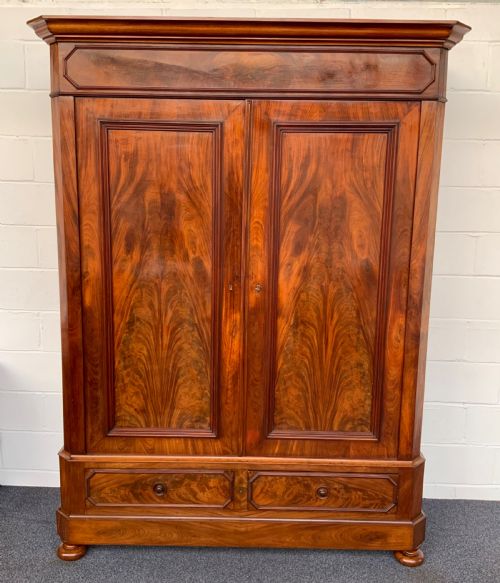


Vintage French Linen Cupboard
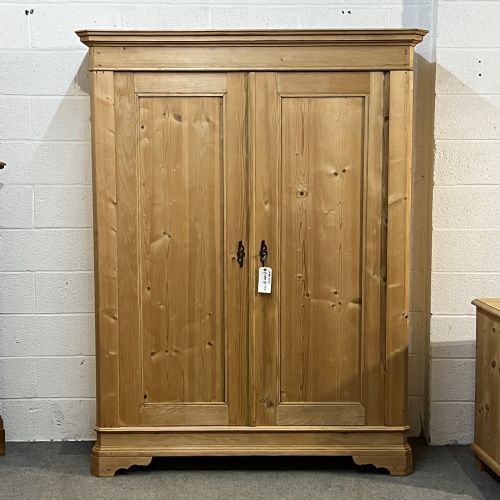
A vintage french linen cupboard brings practical storage and provincial character to a room, offering deep shelves for textiles within substantial timber frames.
Vintage French Linen Cupboard
A vintage french linen cupboard encompasses large armoires, housekeepers cupboards, and two-door storage cabinets originating from rural and urban workshops. Buyers searching for this phrase encounter substantial timber furniture designed originally to store household textiles and garments.
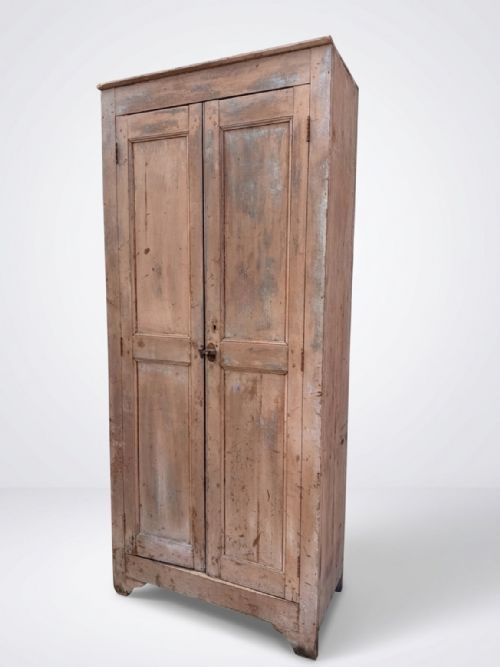
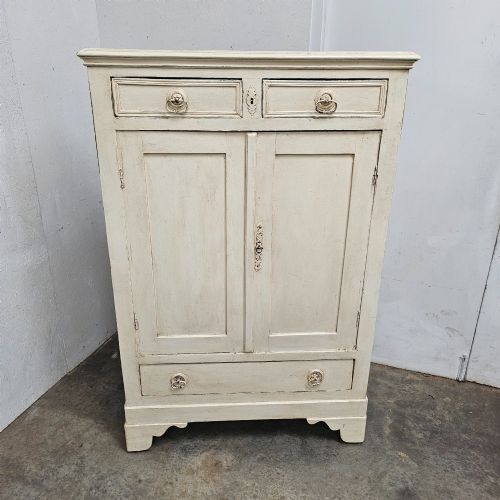
The pieces on this page span the eighteenth, nineteenth, and early twentieth centuries, drawing heavily on provincial French, Louis XVI, and Victorian country traditions. Pine, oak, and walnut versions dominate the selection, appearing in both natural wood finishes and original painted surfaces.
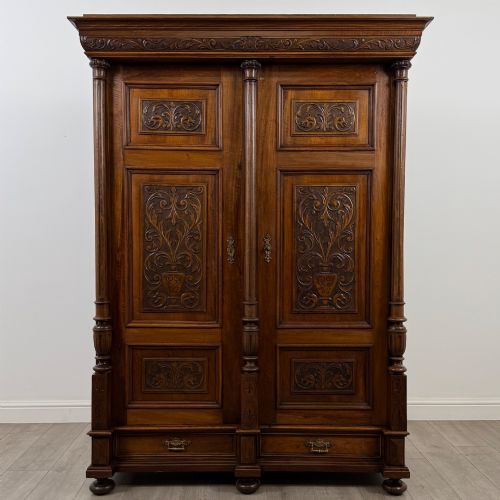
Formations range from modest painted pine presses to large carved walnut armoires fitted with mirrors, brass hardware, and gilt bronze mounts. Buyers frequently find tall double-door cupboards alongside breakfront designs and glazed bookcases suited for contemporary domestic interiors.
Materials and construction
Cabinet makers constructed these cupboards primarily using solid regional timbers such as pine, oak, walnut, cherry, and mahogany, often enhanced with parquetry or flame mahogany veneers. Frame and panel joinery accommodated the natural expansion and contraction of solid wood over decades of use.
Metal elements including brass, iron, and gilt bronze ormolu mounts secure doors and hinges while adding decorative detail to finer mahogany and walnut facades. Painted examples utilise layered mineral or oil paints that age into soft patinas across pine and hardwood surfaces.
Some nineteenth-century armoires arrived from the workshop as flat-pack furniture long before modern warehouses existed.
Assessing craftsmanship and finish
Quality reveals itself in the selection of timber and the precision of the joinery, distinguishing heavy structural pine from finely figured flame mahogany and amboyna veneers. Finer pieces display sophisticated parquetry patterns and intricate hand-carved details executed by skilled provincial or metropolitan craftspeople.
The integrity of original hardware, including working brass locks, iron hinges, and gilt bronze mounts, separates standard utility cupboards from luxury armoires. Original painted surfaces showing authentic age patinas command greater appreciation than later repainted finishes.
Mercier
The Vintage French Linen Cupboard Glossary
- Armoire
- A large upright cupboard or wardrobe, traditionally used for storing clothes and linens in French households. These pieces often feature double doors and generous internal shelving or hanging space.
- Ormolu
- Gilt bronze mounts applied to the exterior of high-end furniture, frequently seen on nineteenth-century mahogany and walnut cabinets. This decorative technique adds metallic contrast to polished timber surfaces.
- Parquetry
- Geometric wood inlay patterns assembled from small veneer tiles to create decorative surfaces on doors and panels. This technique demonstrates high levels of cabinet-making skill.
- Bleached oak
- Timber treated to lighten its natural colour, producing a pale, neutral finish popular in provincial furniture. This process highlights the natural grain while softening the overall tone.
- Housekeepers cupboard
- A tall storage piece traditionally utilised for domestic provisions and household linens rather than clothing alone. These often combine deep shelving with lower drawer space.
Vintage French Linen Cupboard: Frequently Asked Questions
What is a french linen cupboard?
A french linen cupboard is a tall wooden storage cabinet built to house household textiles, blankets, and garments. These pieces range from modest pine farmhouse presses to grand walnut armoires.
Interior configurations typically include adjustable timber shelves or deep compartments designed for folded linens. Many examples feature sturdy double doors and traditional panel construction.
How do I date an antique armoire?
Dating an armoire involves examining the timber species, construction methods, hardware, and stylistic details such as Louis XVI carved motifs or Victorian proportions. Earlier eighteenth-century pieces often display hand-split panels and forged iron fixings.
Later nineteenth and early twentieth-century examples incorporate machine-sawn timber elements and standardised brass hinges. Secondary woods used inside drawers and back panels also provide clues to the region and era of manufacture.
Can these cupboards be dismantled for moving?
Many large antique armoires and cupboards were constructed as knock-down or flat-pack furniture to facilitate transport through narrow European doorways. Pegs, wedge joints, and slot-together panels allowed historical makers to assemble heavy carcases on site.
Buyers should examine specific listings to confirm whether a particular piece retains its original dismantling capability. Professional installation is often recommended for heavy oak and walnut models.