





Vintage French Glazed Urn
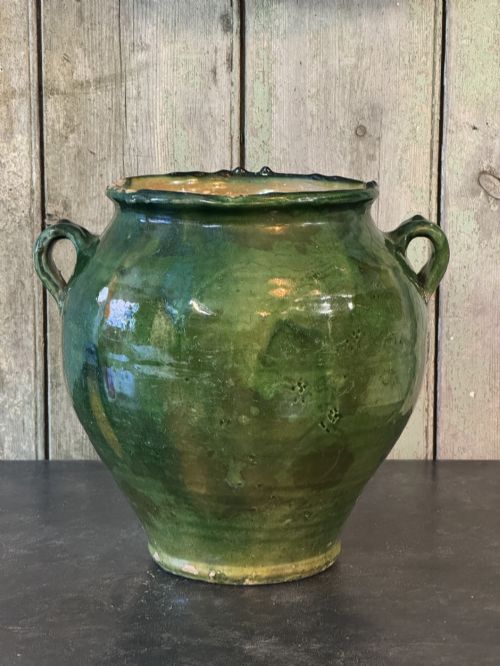
These vintage french glazed urn pieces bring rustic French provincial warmth and neoclassical elegance to a room.
Vintage French Glazed Urn
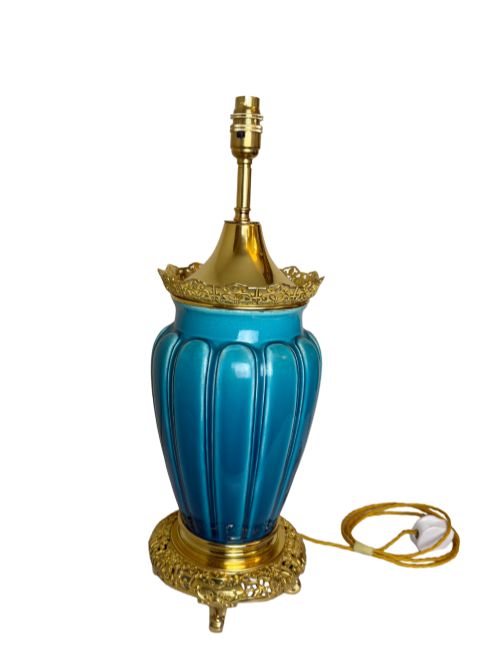
When you search for a vintage french glazed urn, you meet a range of utilitarian vessels transformed into decorative statements. These include confit pots, olive jugs, and Biot jars alongside refined porcelain table lamps and faience vases.
The pieces span from the eighteenth century through the art deco era to the mid-twentieth century. French country and provincial styles sit alongside Louis XVI neoclassical designs and art pottery creations.
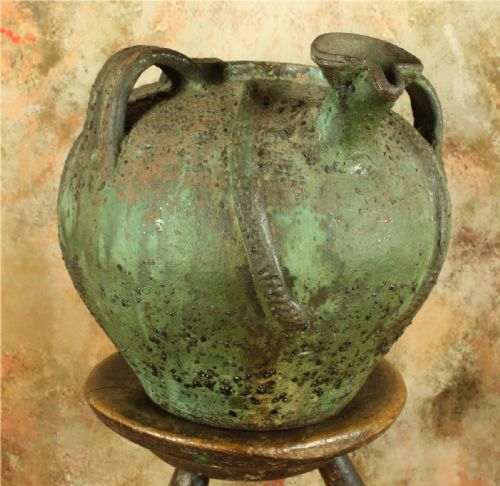
Vessels and jars appear most frequently, often featuring rich green, turquoise, or blue glazes. Many retain the earthy character of terracotta and earthenware from southern French regions like Castelnaudary.
How they were made
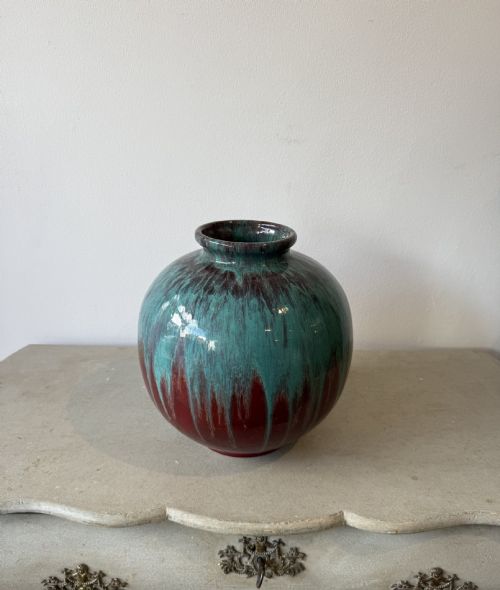
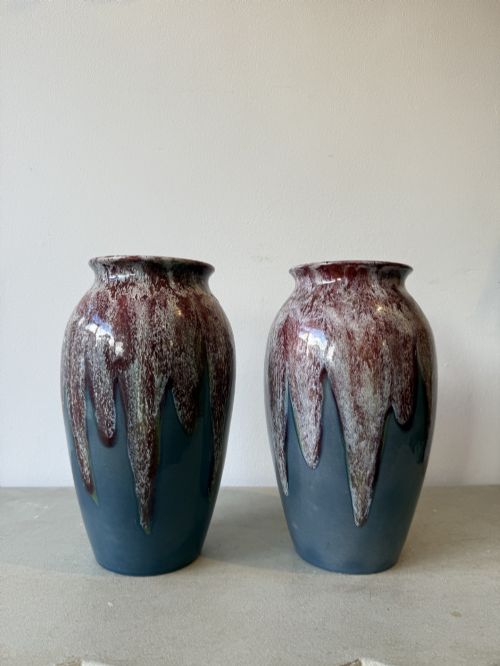
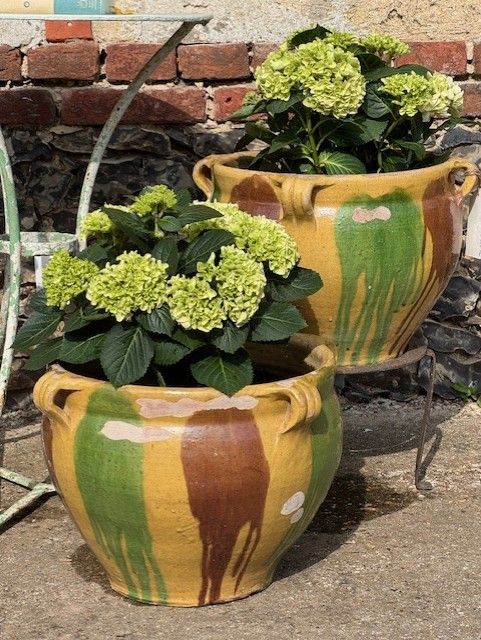
Potters shaped local terracotta and earthenware by hand, applying rich glazes that often pool and drip down the sides. Confit pots and olive jugs display the robust marks of traditional throwing and glazing techniques.
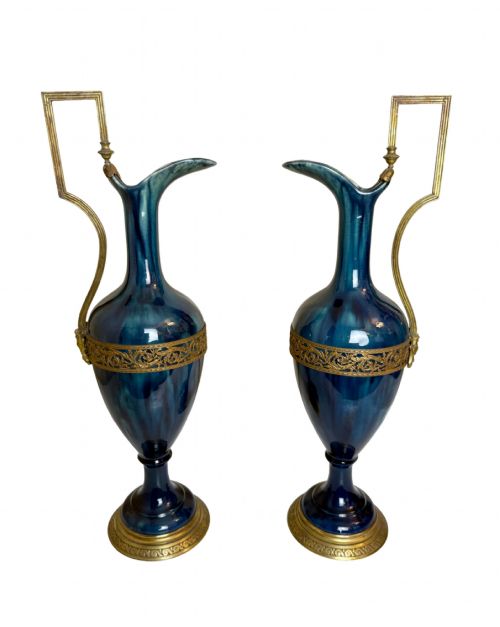
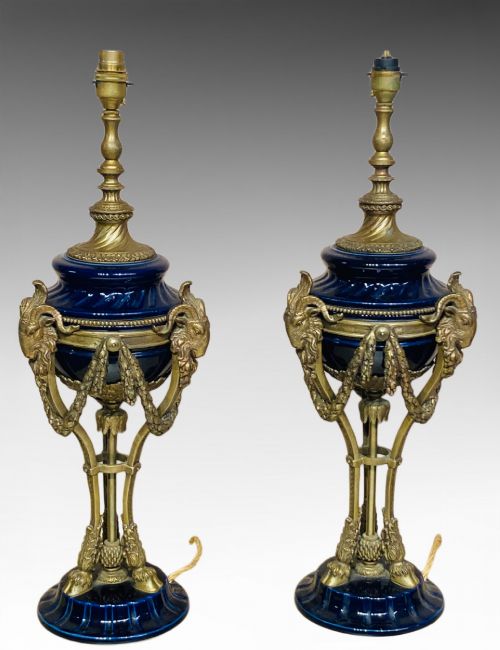
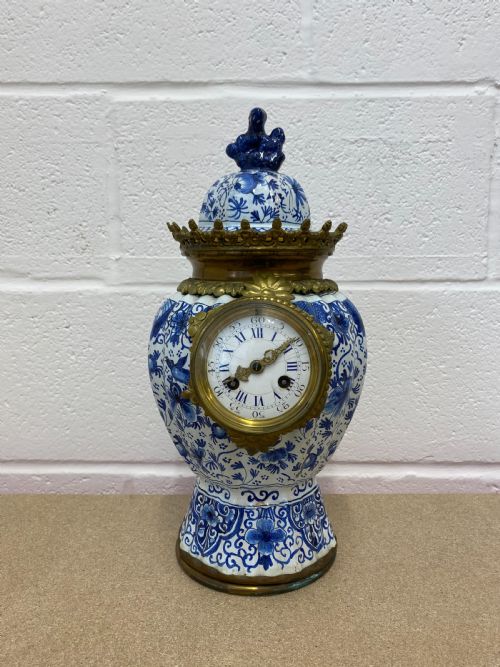
Finer decorative pieces incorporate porcelain and faience, sometimes mounted with gilt bronze or ormolu trim. These varied materials reflect a tradition that moves from rustic storage vessels to refined interior ornaments.
Vintage French Glazed Urn Retail Price Guide 2026
Typical asking prices for vintage french glazed urn among the pieces listed under this phrase on Sellingantiques today, from the lower quarter to the upper quarter. They describe what is for sale here now, not the wider market.
Regional French pottery traditions are represented by confit pots, Biot jars, and Castelnaudary planters.
What varies in quality
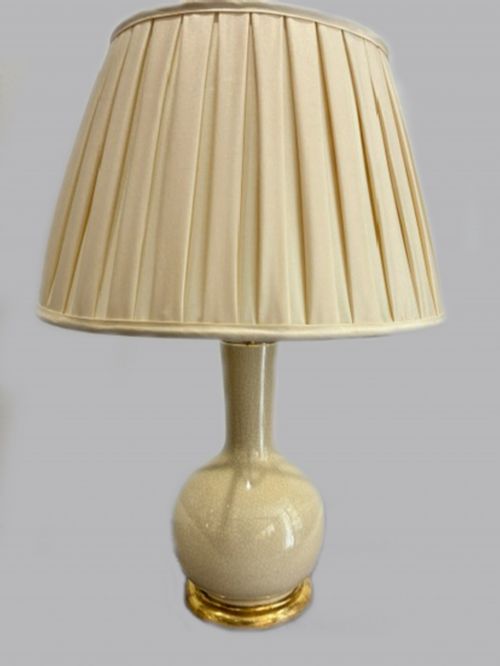
The distinction between ordinary and exceptional pieces rests in the richness of the glaze and the harmony of the form. Dribble glazes and crackle ware show distinct character when the kiln effects settle evenly across the surface.
Bronze or ormolu mounts on porcelain urns elevate the refinement of a piece, separating simple earthenware from grand salon lighting and decorative works.
Robert T Lallement·Mougin
The Vintage French Glazed Urn Glossary
- Confit pot
- A traditional French earthenware jar with handles, once used for preserving meat and now prized for its rich green glaze.
- Biot jar
- A large terracotta vessel originating from the Provençal town of Biot, known for its aged patina and historical storage use.
- Faience
- Tin-glazed earthenware decorated with opaque colours, often seen in nineteenth century French urns and vases.
- Ormolu
- Gilt bronze mounts applied to porcelain and ceramic urns, adding a decorative neoclassical finish.
- Crackware
- Pottery featuring a network of fine cracks in the glaze applied deliberately for texture.
Vintage French Glazed Urn: Frequently Asked Questions
What were vintage French confit pots used for?
Confit pots served rural households in the south of France as storage vessels for cooked meats preserved in fat. Their dual handles helped farmers carry and tilt the heavy earthenware jars during food preparation.
Today, these utilitarian jars find new life as decorative planters or display pieces in domestic interiors, bringing rustic texture to modern rooms.
How do I date an old French glazed urn?
Dating relies on observing material shifts, from eighteenth-century earthenware and walnut oil pots to nineteenth-century faience and porcelain. Art deco examples introduce distinct twentieth-century forms and modernist glazes.
Examine the base, glaze consistency, and any metal mounts for clues about the manufacturing period and regional pottery traditions.
Where should I place a ceramic urn in my home?
Large amphora vessels and Biot jars suit entryways or garden rooms where their aged terracotta patinas stand out. Smaller faience vases and table lamps fit comfortably on side tables or mantelpieces.
Pairing glazed earthenware with neutral backgrounds allows the rich turquoise, green, and blue colours to draw the eye.
What is the difference between faience and porcelain urns?
Faience is a tin-glazed earthenware that offers a slightly porous body and vibrant opaque surface decoration. Porcelain provides a harder, finer white ceramic body that often accepts gilt bronze mounts.
While faience connects to rustic French provincial styles, porcelain tends toward neoclassical refinement and decorative salon lighting.