





Antique French Garden Pots
Antique French garden pots bring enduring charm to outdoor spaces, offering planters, urns, and troughs shaped by decades of weathering.
Antique French Garden Pots
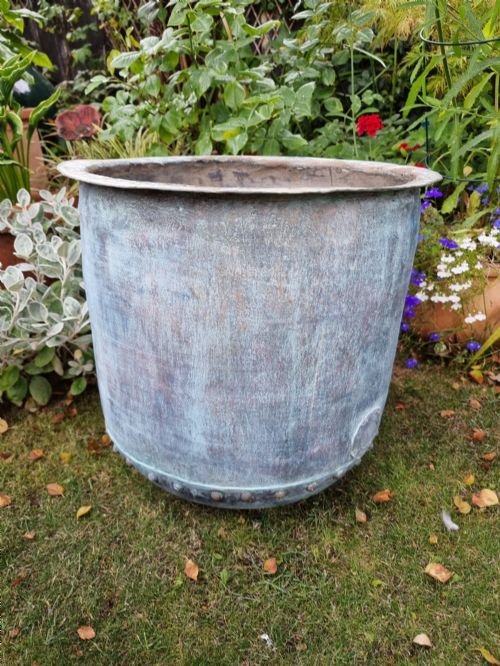
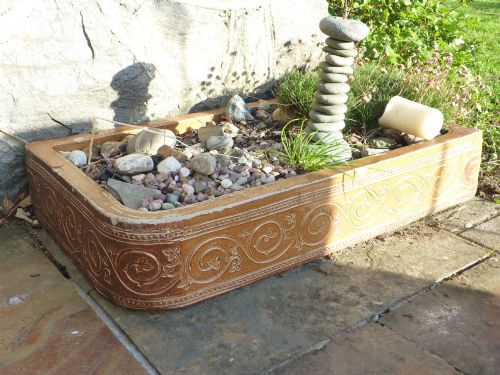
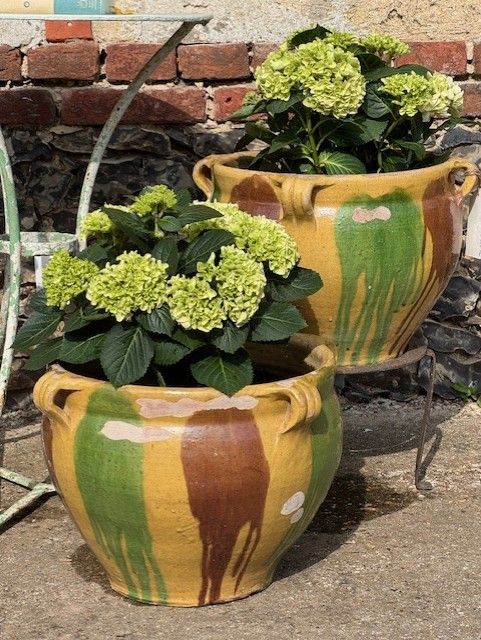
When you search for antique french garden pots, you encounter a robust selection of vessels designed for outdoor display, spanning garden planters, troughs, and urns. These pieces originate predominantly from the nineteenth century, reflecting regional French styles from the countryside and provincial workshops.
The inventory on this page showcases containers intended for practical horticulture, from substantial olive jars to classical cast iron urns. Buyers frequently meet terracotta vessels and metal planters bearing the marks of prolonged exposure to the elements.
How they were made
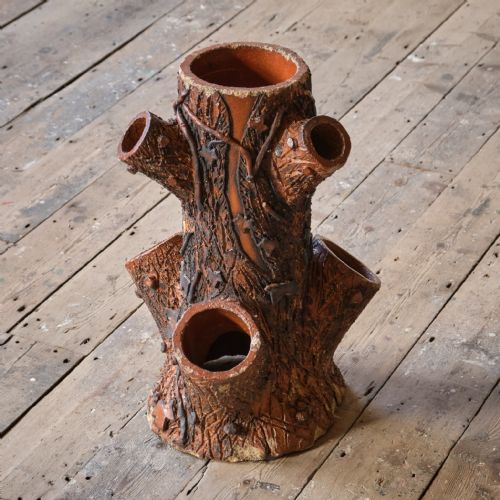
Potters and founders utilised durable materials suited to outdoor cultivation, moulding terracotta and earthenware into functional forms like troughs and jars. Iron foundries cast metal into decorative urns and planters, occasionally employing paint or zinc finishes for added protection.
Makers shaped clay by hand or on wheels before firing, while iron pieces emerged from mould castings that captured classical or provincial motifs. Subsequent weathering created the patinas seen on copper tops, painted metalwork, and salt-glazed stoneware.
Antique French Garden Pots Retail Price Guide 2026
Typical asking prices for french garden pots among the pieces listed under this phrase on Sellingantiques today, from the lower quarter to the upper quarter. They describe what is for sale here now, not the wider market.
Materials span earthenware, wrought iron, copper, and zinc, alongside painted metalwork from the early twentieth century.
What varies in quality
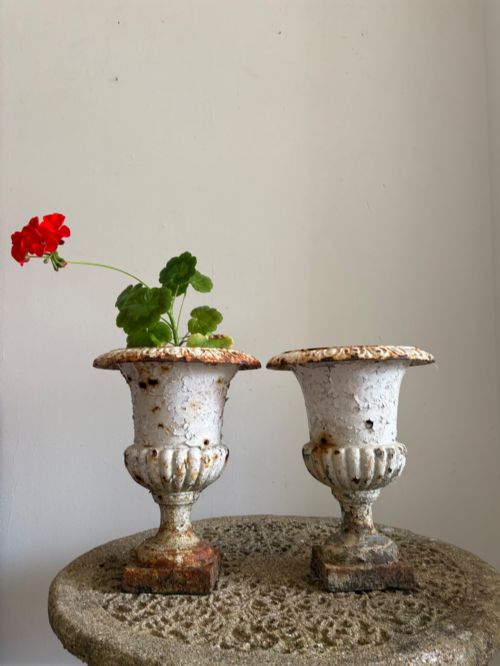
Quality in these vessels rests upon the crispness of the original moulding and the integrity of the material, whether cast iron or fired clay. Superior examples display balanced proportions and intentional decorative elements, such as gadrooning or classical detailing.
The character of the aged surface distinguishes finer pieces from ordinary ones, with stable patinas and original paint finishes holding greater appeal. Structural preservation also matters, separating intact jars and sturdy troughs from those compromised by deep fractures.
Guichard Carriès·Biot
The Antique French Garden Pots Glossary
- Terracotta
- Fired unglazed clay of a brownish-red hue, commonly utilised for traditional garden jars and planters. This porous material absorbs moisture, which contributes to the weathered patinas found on older pieces.
- Jardiniere
- An ornamental pot or stand designed to hold growing plants, often taking a more decorative form than a standard utility vessel. These items frequently appeared in nineteenth-century French interiors and orangeries.
- Salt-Glazed Stoneware
- Pottery fired at high temperatures with salt introduced to the kiln, producing a durable, vitreous coating with a distinctive orange-peel texture. This finish offered superior resistance to frost and moisture.
- Gadrooning
- A decorative carved or moulded band of parallel convex curves that encircles the body of an urn or vessel. This classical motif adds formal elegance to nineteenth-century garden containers.
Antique French Garden Pots: Frequently Asked Questions
Are these pots frost resistant?
Many nineteenth-century terracotta and stoneware pieces handle cold weather well, but porous materials can crack if water freezes inside them during severe frosts.
Gardeners often elevate containers on pot stands or empty them in winter to protect the historic clay from damage.
How do I clean an antique garden pot?
Light brushing with water removes loose dirt while preserving the accumulated patinas and mineral deposits that collectors value. Avoid harsh chemical cleaners or pressure washers, which strip away the aged surfaces characteristic of French provincial ware.
What is a Biot jar?
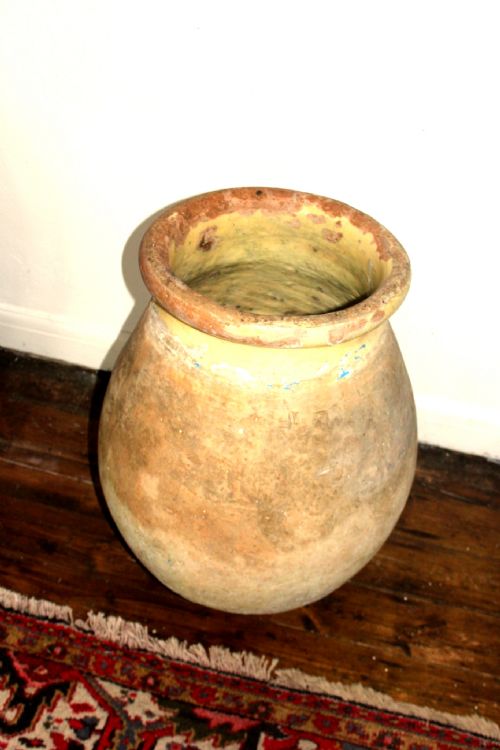
Biot jars are large terracotta storage vessels originating from the Provençal town of Biot, traditionally used for olive oil or grain. Their substantial size and weathered surfaces make them striking focal points in modern garden designs.
How can I date a cast iron urn?
Nineteenth-century cast iron pieces often display crisp classical moulding, layered original paint finishes, and heavier metal composition than later reproductions. Examining the casting seams and the depth of the distress patterns helps determine the period.