



Green Glazed Terracotta Urn
These green glazed terracotta urn vessels bring tactile warmth and rich colour to interiors and gardens alike.
Green Glazed Terracotta Urn
When you search for a green glazed terracotta urn, you encounter vessels shaped for utility and display across centuries. The selection encompasses pieces from the eighteenth century to the mid twentieth century, originating from French provincial workshops, Italian kilns, English potteries, and Anatolia.
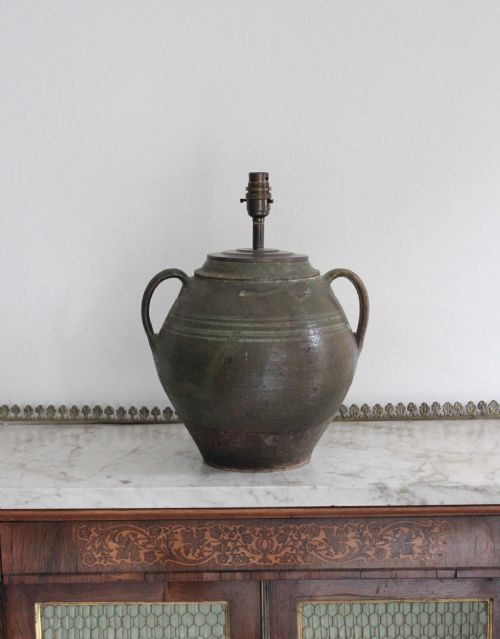
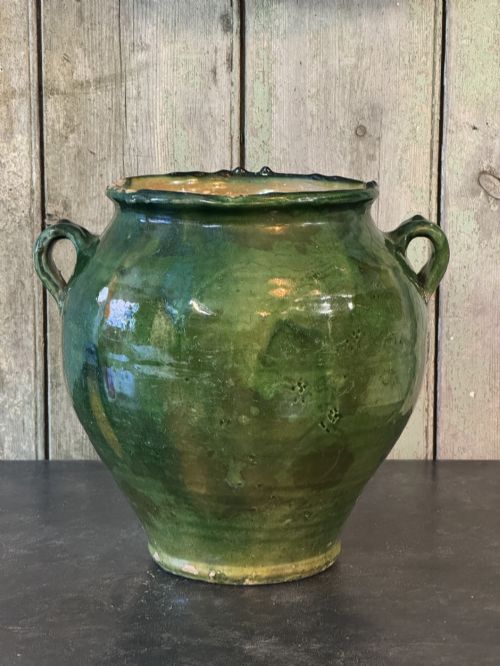
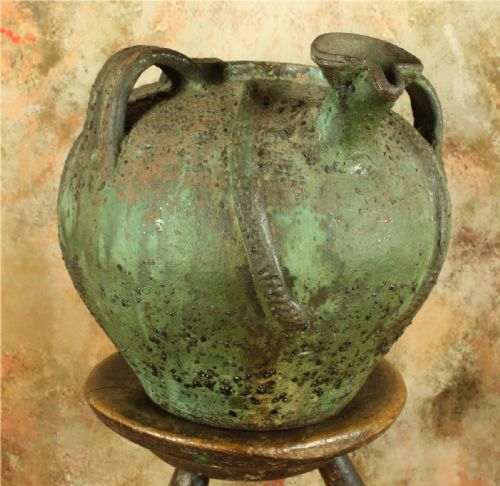
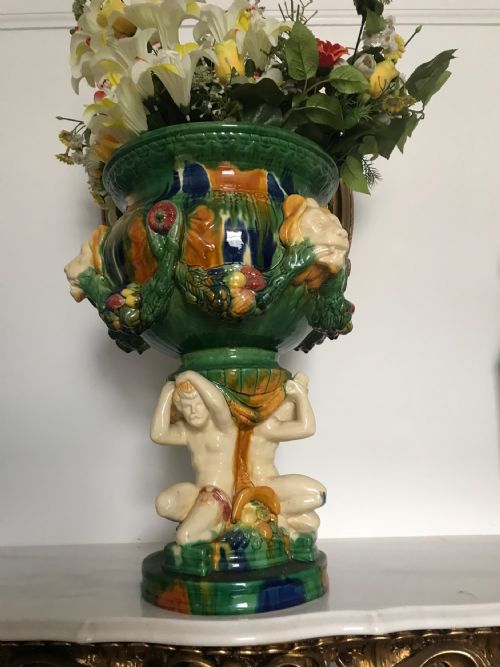
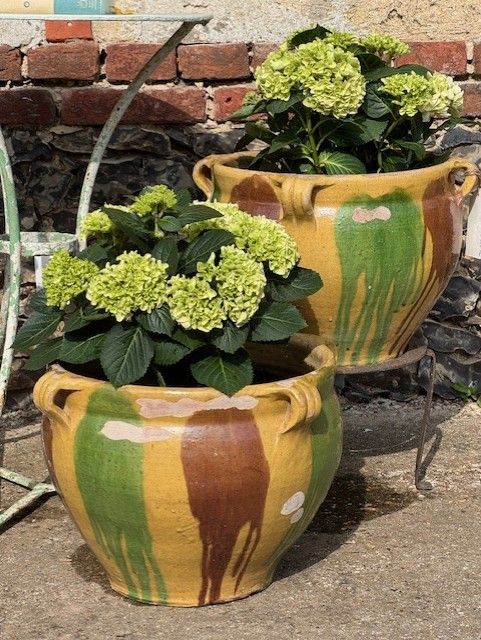
You meet confit pots, olive jugs, and planters that carry deep green surfaces over earthen bodies. Forms range from simple double handled jars to large majolica planters set on figural bases with lions head decoration.
The variants on this page lean heavily towards French country confit pots and southern European garden vessels. These objects served practical storage roles before finding appreciation purely as decorative elements.
Construction and materials
Potters shaped these vessels from local earthenware and terracotta clays, throwing them on wheels or forming them by hand. The bodies were then coated with liquid ceramic glaze before firing to vitrify the surface.
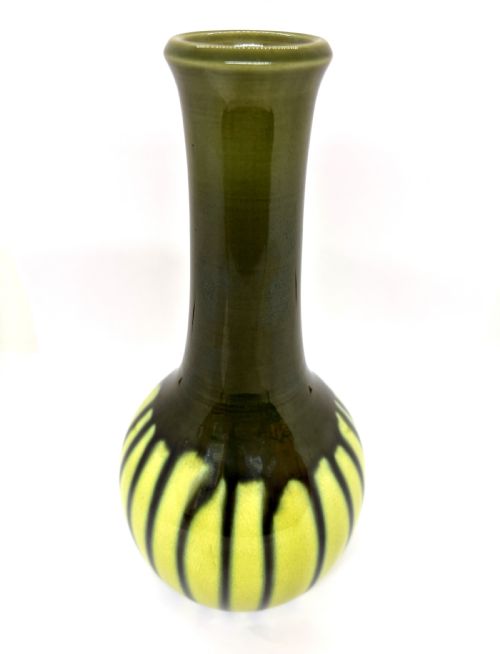
The glazes show distinct characteristics, from smooth monochrome coatings to dribble glazed effects running down the sides. This combination of porous terracotta and glossy green glaze creates a rich textural contrast.
Green Glazed Terracotta Urn Retail Price Guide 2026
Typical asking prices for green glazed terracotta urn among the pieces listed under this phrase on Sellingantiques today, from the lower quarter to the upper quarter. They describe what is for sale here now, not the wider market.
Geographic origins represented include France, Italy, England, and Turkey, encompassing confit jars, olive jugs, and majolica planters.
Assessing quality and character
Quality rests in the harmony of the thrown form and the depth of the glaze application. Finer examples display confident potting lines and rich, pooling green surfaces that interact successfully with the underlying clay.
The visual weight of a piece depends on how evenly the glaze covers the terracotta body. Superior items possess a deliberate presence, whether finished as a simple confit jar or an elaborate Italian planter.
Burmantoft's Pottery
The Green Glazed Terracotta Urn Glossary
- Terracotta
- A porous red earthenware clay used for pots and garden vessels. It takes glazes readily after an initial firing.
- Confit pot
- A traditional French jar with handles, designed originally for preserving and storing food. They frequently feature a partially or fully glazed upper section.
- Majolica
- Tin glazed earthenware decorated with coloured metallic oxides. It produces vibrant surfaces associated with Italian and European traditions.
- Amphora
- A two handled jar with a narrow neck, used historically for transporting and storing liquids. The form derives from classical antiquity.
- Dribble glaze
- A surface finish where liquid glaze runs and pools unevenly during the firing process. This technique creates organic patterns down the sides of the vessel.
Green Glazed Terracotta Urn: Frequently Asked Questions
What were green glazed terracotta urn pieces used for?
These vessels served practical purposes in historic households and workshops, functioning as containers for olive oil, confit preservation, and water transport. Their robust earthenware construction made them ideal for daily agricultural and domestic storage.
Over time, many of these utilitarian jars transitioned into decorative roles. Today, people utilise them as planters, jardinieres, or standalone sculptural accents in homes and gardens.
How do I style a green glazed terracotta urn?
The rich green surfaces pair effectively with natural materials like timber, stone, and unpolished metals. Placing a large confit pot or amphora in a hallway or living space introduces earthy texture and historic character.
Smaller vessels work well on tables or shelves, while larger planters accommodate foliage and floral displays. Their distinctive glazes complement both traditional interiors and modern minimalist settings.
How can I tell the age of these vessels?
Dating relies on examining the potting technique, the characteristics of the clay body, and the nature of the glaze. Eighteenth and nineteenth century pieces often show hand thrown irregularities and subtle wear indicative of long use.
Twentieth century examples may display more uniform construction or specific regional styles like dribble glazed provincial planters. Comparing form and glaze chemistry helps anchor a piece within its likely period.