



Vintage French Glass Cabinet
A vintage french glass cabinet brings light and visibility to a room, framing collections behind clear panels with classical proportions.
Vintage French Glass Cabinet
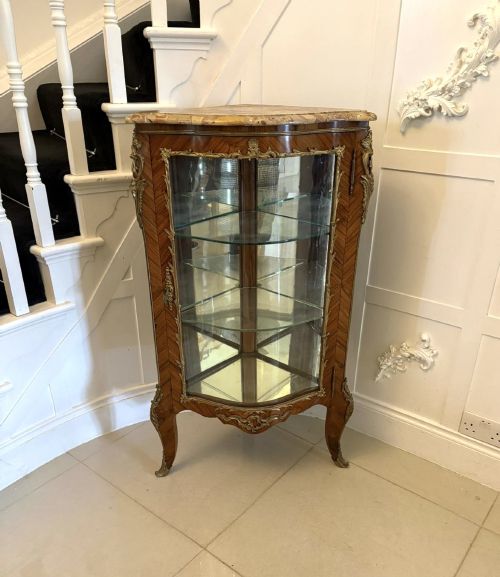
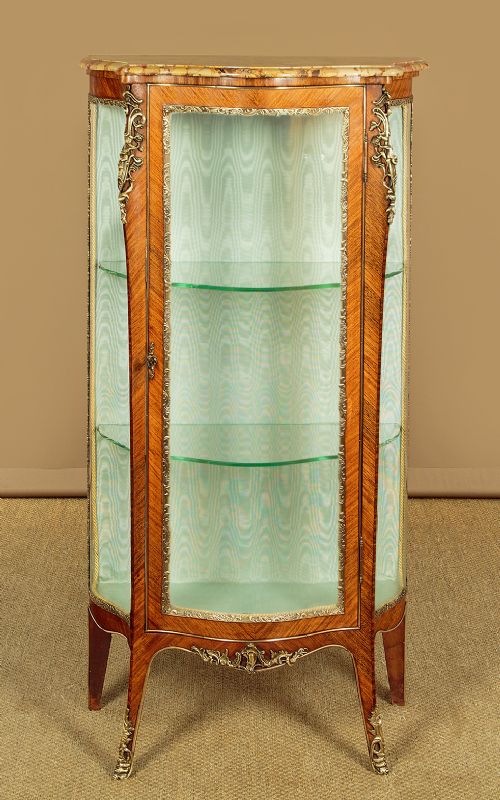
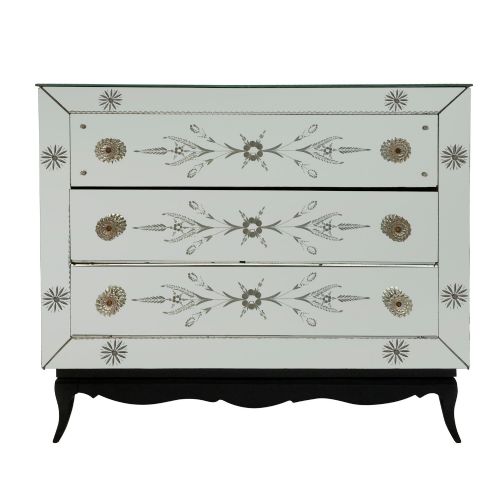
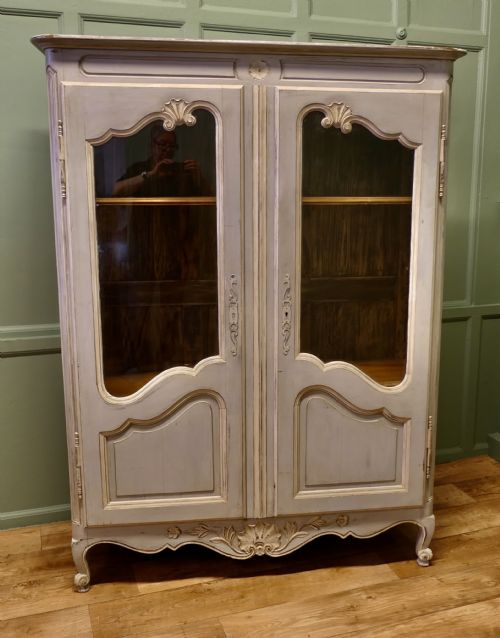
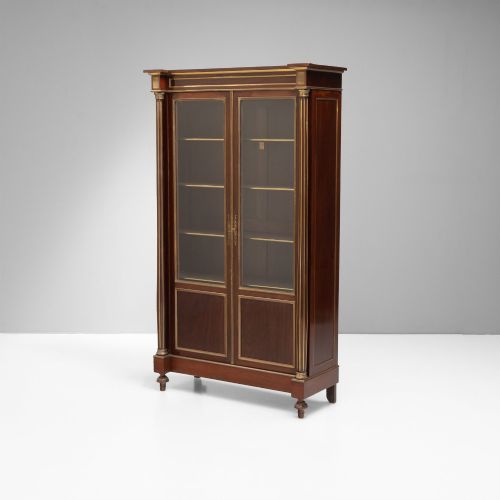
A vintage french glass cabinet primarily encompasses display cabinets, vitrines, and bookcases designed to showcase decorative objects and books. These pieces emerge from periods spanning the nineteenth century through the 1930s, embracing Edwardian and Art Deco influences alongside revival styles.
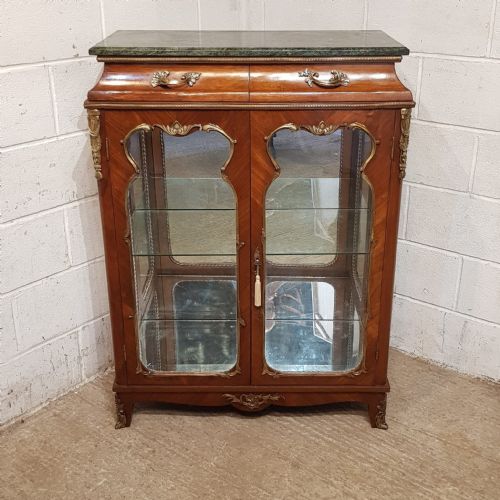
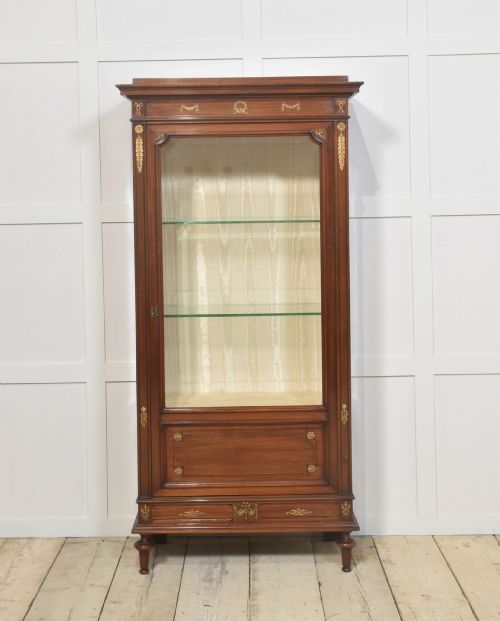
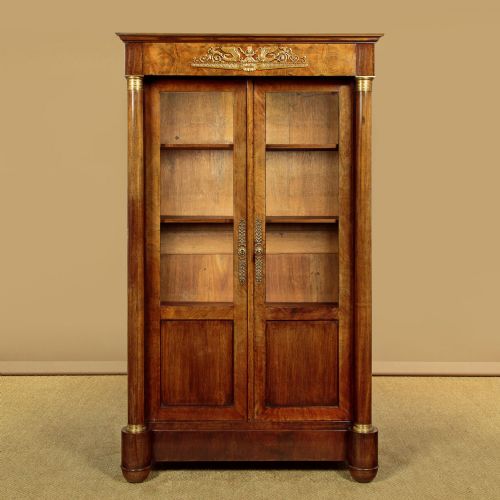
The most common formats found here include single and double door vitrines, often standing on slender cabriole legs or supporting marble tops. Makers utilised various regional aesthetics, yielding everything from painted provincial pieces to highly ornamented period revival furniture.
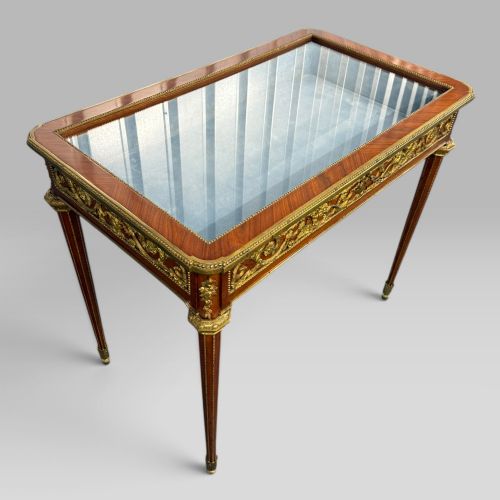
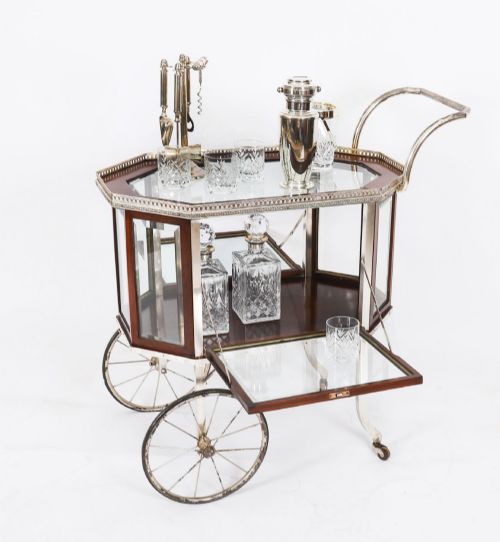
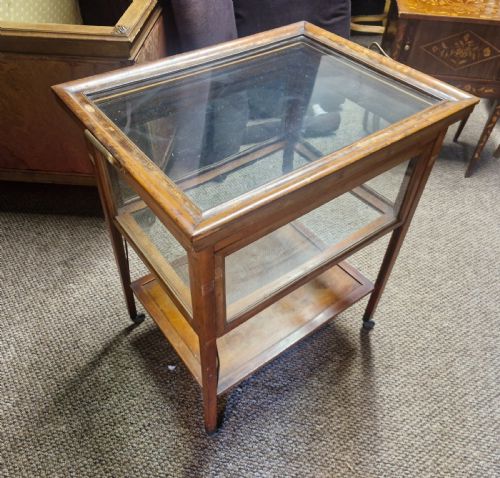
Beyond standard display cabinets, the category extends to specialised forms such as bijouterie tables, serving trolleys, and museum cases. Each variation provides glass panels or tops intended to protect contents while maintaining an open visual presence in the interior.
How they were made
Carpenters built the carcases of these cabinets using solid hardwoods like mahogany, walnut, and oak, frequently applying decorative veneers of kingwood and burr walnut across flat surfaces. Marquetry inlays and painted finishes added surface pattern and colour.
Metal ornamentation played a major structural and decorative role, with cast or chased ormolu and gilt metal mounts framing glass doors and corners. Brass galleries, handles, and hinges secured the glazed panels and structural joints together.
Periods represented span from the nineteenth century through the Edwardian era and into the 1920s and 1930s.
What varies in quality
The sophistication of the timber work and the precision of the parquetry or marquetry define the upper tiers of production. Finely figured veneers and tightly fitted joints indicate superior workshop standards.
Mount quality dictates the finish of the piece, where heavier, crisply chased ormolu or cast brass fixtures contrast against simpler stamped metal trims. The clarity and thickness of the curved or flat glass panes also mark the grade of the cabinet.
François Linke·Siegel·Rene Lalique
The Vintage French Glass Cabinet Glossary
- Vitrine
- A glass-fronted display cabinet designed specifically for showing porcelain, glassware, and small ornaments. These pieces typically feature glazed sides as well as doors to maximise interior light.
- Ormolu
- Gilt bronze mounts applied to furniture edges, corners, and feet for decorative effect. The technique involves treating bronze with a gold amalgam before firing.
- Marquetry
- The art of applying small pieces of veneer to a structure to form decorative patterns and pictorial scenes. Craftsmen cut contrasting woods together to achieve precise geometric or floral motifs.
- Vernis Martin
- A specialised lacquer technique developed in eighteenth-century France and imitated in later revival pieces. It creates a translucent, polished finish often adorned with painted pastoral scenes.
Vintage French Glass Cabinet: Frequently Asked Questions
How do I date a vintage french glass cabinet?
Dating relies on examining the construction methods, timber choices, and stylistic revival markers present in the frame. Nineteenth-century examples often display heavier ormolu mounts and traditional joinery, whereas 1920s and 1930s pieces lean towards Art Deco geometry or simplified forms.
Hardware, lock types, and the curvature of the glass also provide chronological clues. Cabinet makers adhered to prevailing historicism of their respective decades, referencing Louis XV or Louis XVI designs with distinct manufacturing signatures of their time.
Were these cabinets used only for books?
While some iterations functioned as bookcases, the majority served primarily to display porcelain, silver, and curiosities. Vitrines and display cases placed objects on glass or fabric-lined shelves to catch ambient light from multiple angles.
Specialised formats like bijouterie tables and shop display counters were built specifically for horizontal presentation. The integration of glass panels on all sides ensured that delicate artefacts remained visible yet protected from dust and handling.
What is the difference between a vitrine and a display cabinet?
A vitrine specifically denotes a cabinet with glass panes on both the doors and the sides, maximising illumination for the objects inside. General display cabinets may incorporate wooden side panels or closed lower cupboards beneath the glazed upper section.
Vitrines frequently stand on slender legs and feature delicate ormolu mounts, reflecting formal salon use. Display cabinets can encompass heavier bookcases and credenzas with glass doors adapted for utilitarian or decorative storage.
How should I care for a mahogany and ormolu vitrine?
Maintain wood surfaces with a suitable traditional wax polish applied sparingly and buffed gently with a soft cloth. Avoid placing the cabinet near direct heat sources or strong sunlight to prevent the timber veneers and fabric linings from fading or splitting.
Clean glass panels with a mild solution applied to a cloth rather than sprayed directly onto the surface, protecting adjacent wood and metal mounts. Dust ormolu mounts carefully with a dry brush to preserve the gilt finish without abrasive friction.