

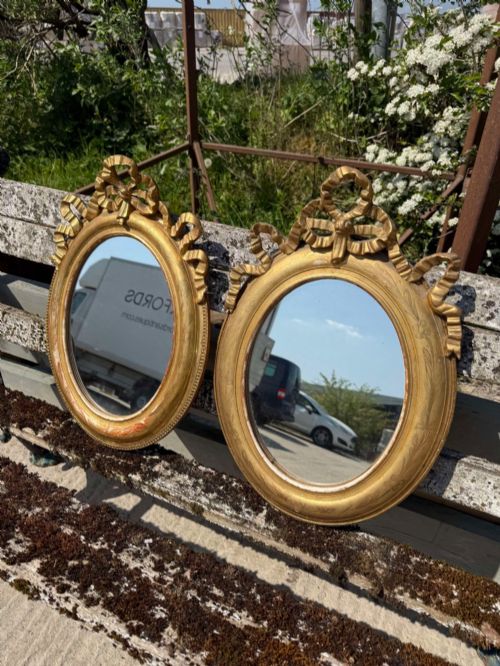
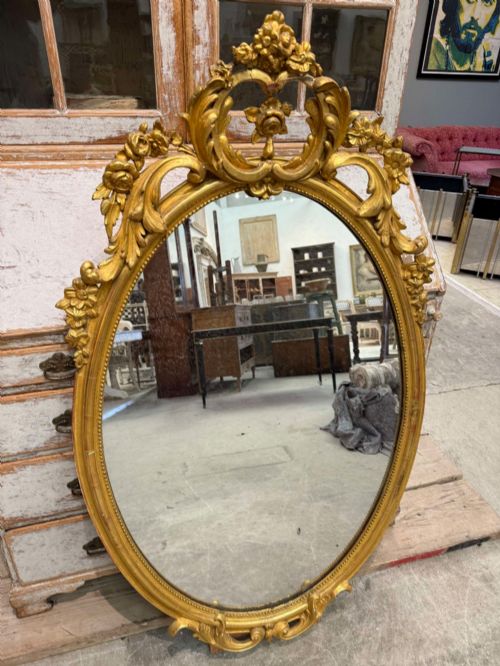
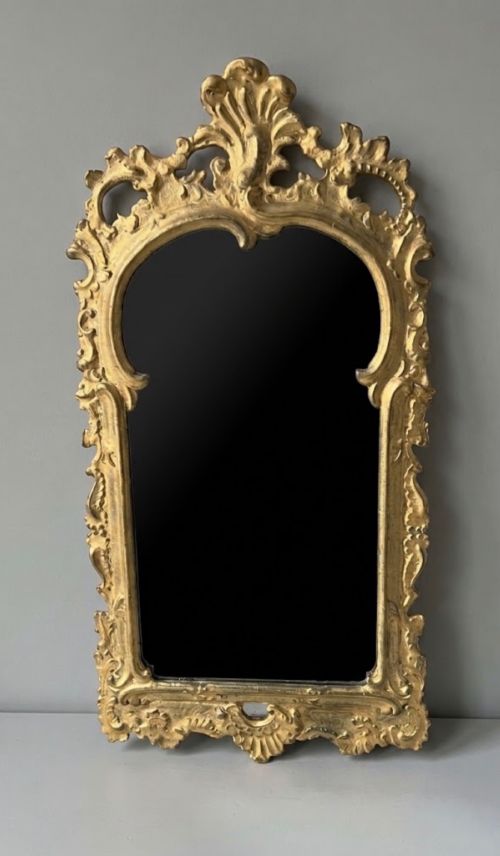

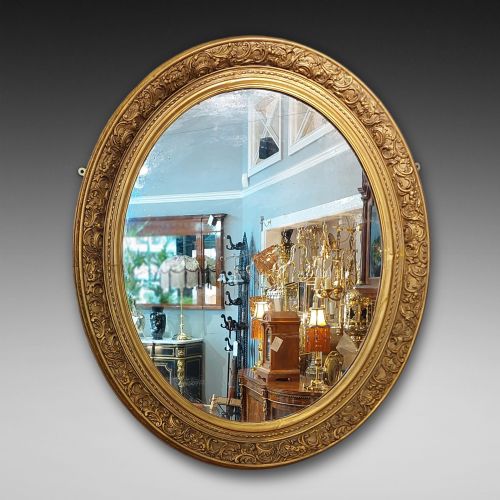
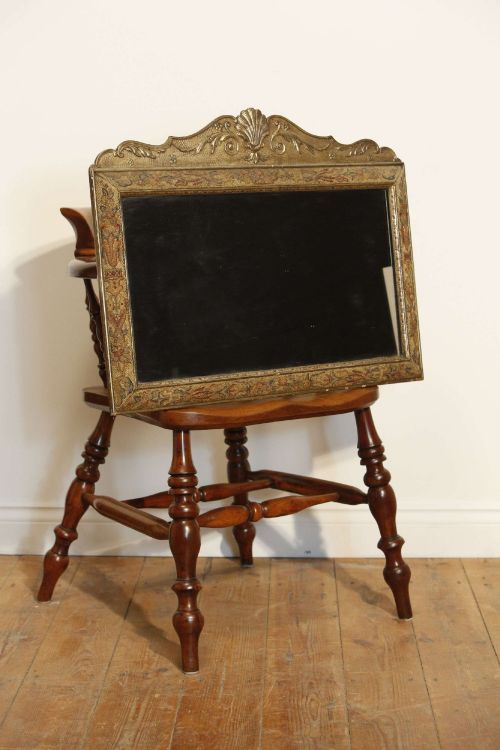
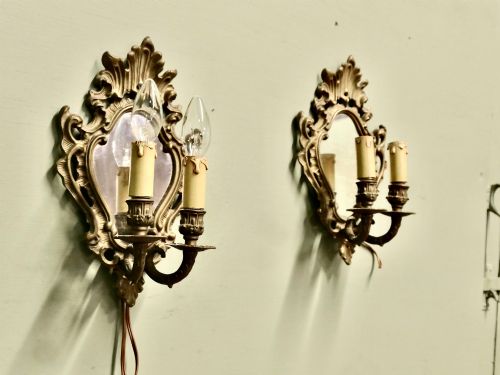
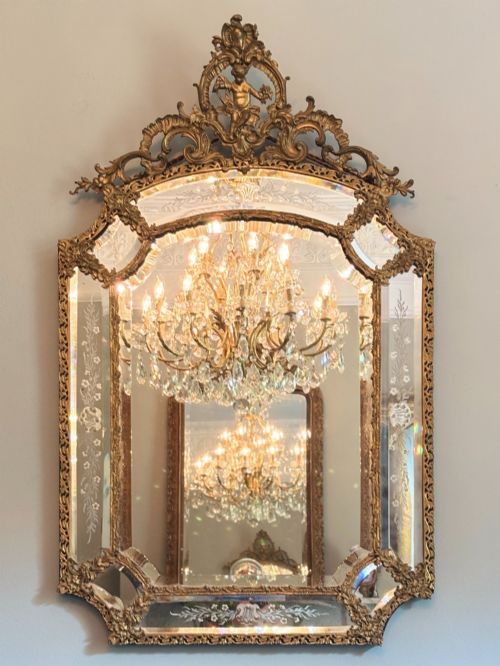
Vintage French Gilt Mirror
A vintage french gilt mirror brings instant light and historic character to a room through gilded surfaces and ornate carved frames.
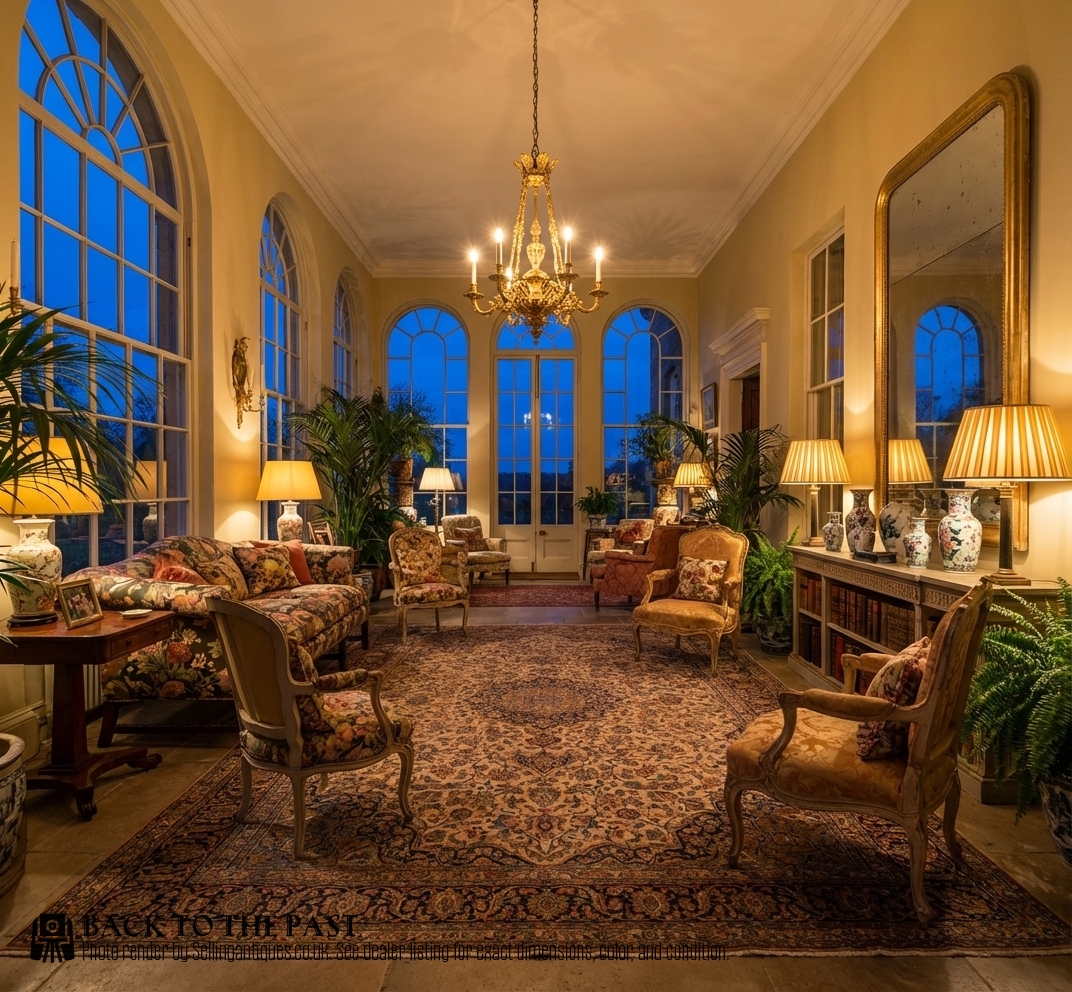
Vintage French Gilt Mirror
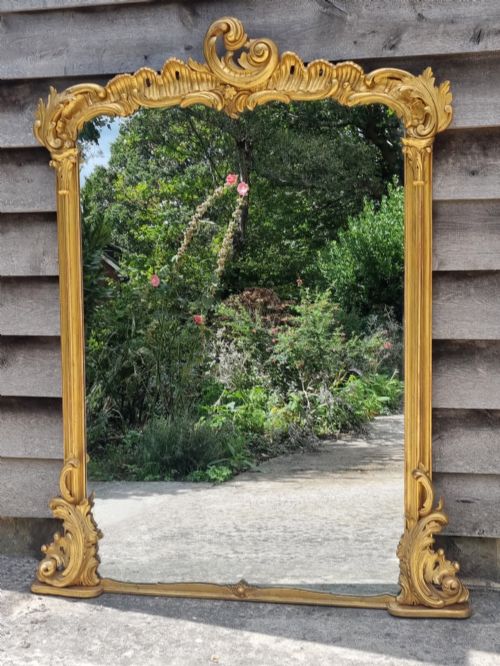
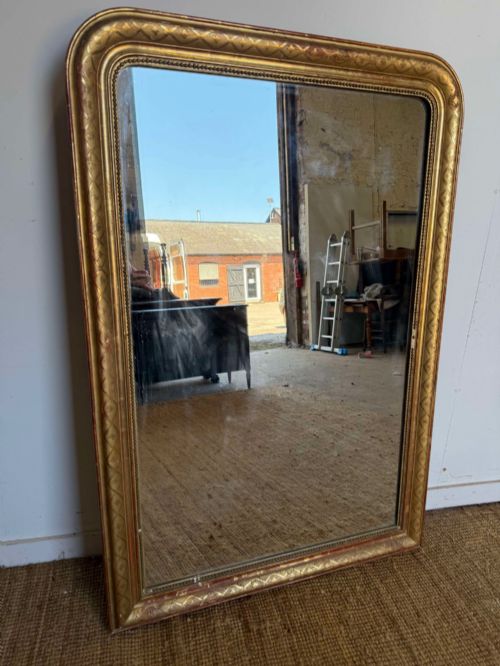
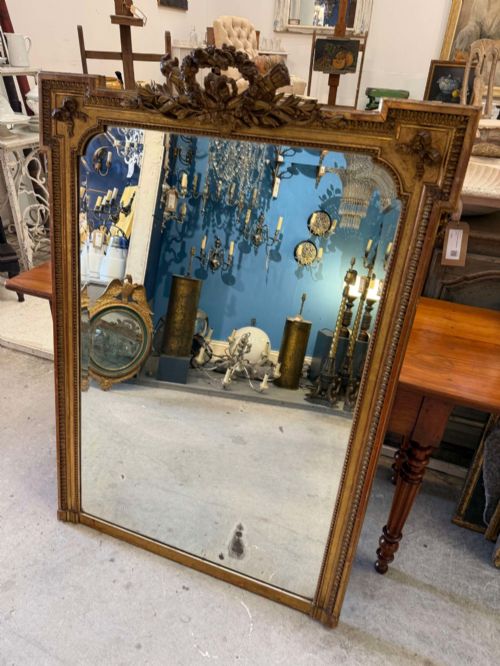
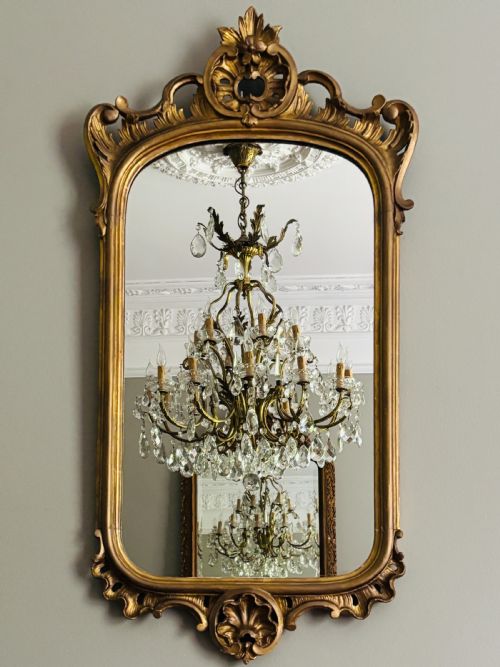
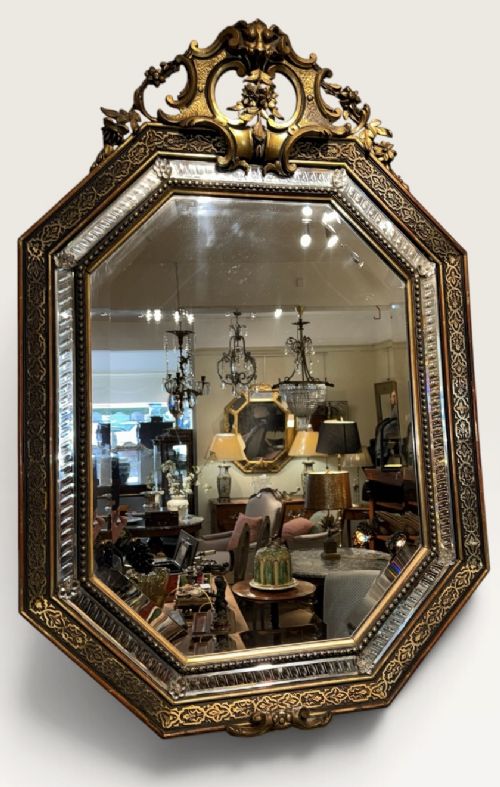
A vintage french gilt mirror encompasses a range of decorative wall pieces originating primarily from the eighteenth and nineteenth centuries, spanning styles from Rococo Revival and Louis Philippe to Victorian and Edwardian interpretations. Buyers encountering this search phrase often find grand overmantel mirrors, tall leaner mirrors, and smaller wall-hung pieces featuring arched tops, rectangular plates, or ornate ribbon crests.
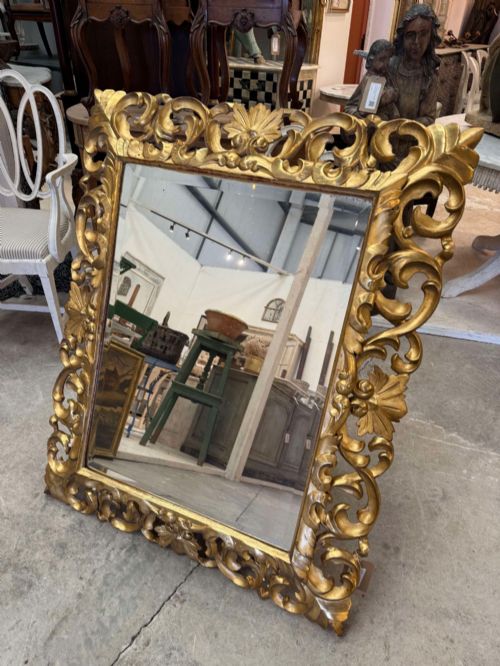
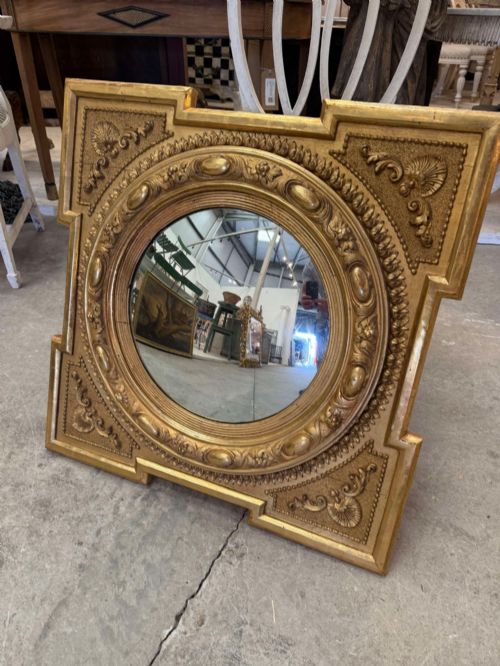
The material evidence on this page demonstrates that these items frequently appear as carved wood and gesso frames finished with gold leaf, giltwood, or painted wood. Formats extend beyond standard wall mirrors to include specialised items such as trumeau mirrors, pier mirrors, and gilt bronze frames housing antique glass plates.
Materials and construction techniques
Construction relies heavily on timber frameworks finished with layers of gesso, a plaster-like mixture applied to wood to create smooth surfaces for carving and gilding. Artisans applied thin sheets of gold leaf or gilt compositions over the gesso ground, frequently incorporating deep carved details like floral motifs, rose vines, and mythological carvings.
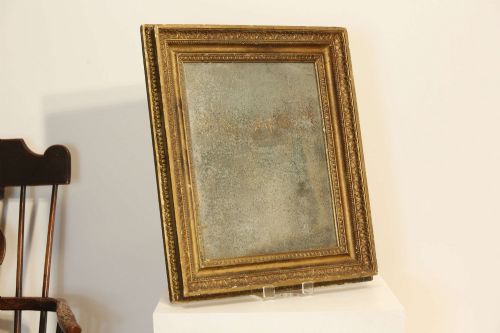
Mirrors of earlier periods often utilise original mercury glass plates displaying characteristic foxing, while nineteenth and twentieth-century examples frequently feature bevelled glass plates set securely within gilded wood, brass, or gilt bronze mounts.
Vintage French Gilt Mirror Retail Price Guide 2026
Typical asking prices for vintage french gilt mirror among the pieces listed under this phrase on Sellingantiques today, from the lower quarter to the upper quarter. They describe what is for sale here now, not the wider market.
Listings span the eighteenth, nineteenth, and twentieth centuries, featuring materials such as giltwood, gesso, gold leaf, and bevelled glass plates.
Distinctions in craftsmanship and preservation
The hierarchy of quality rests upon the depth and crispness of the hand-carved wooden ornament beneath the gesso and gold leaf. Pieces exhibiting sharp, fluid relief work in styles like French Rococo represent superior craftsmanship compared to softer, more uniform cast plaster decorations.
Preservation of the original gilding and the presence of period mirror plates with authentic foxing significantly elevate a piece. Integrated construction where frames retain their original backing and structural rigidity demonstrates enduring standard of manufacture.
The Vintage French Gilt Mirror Glossary
- Giltwood
- Wood that has been coated with gold leaf or a gold-coloured substance. This material forms the primary structural and decorative base for many traditional frames.
- Gesso
- A plaster mixture spread over a solid surface such as wood to prepare it for painting or gilding. It allows craftsmen to carve intricate relief decorations.
- Mercury glass
- A type of glass double-walled and silvered with a liquid mercury amalgam between the layers, common in older mirrors. It produces a dark, mottled reflection known as foxing.
- Trumeau
- A decorative wall mirror fitted into a wooden panel, often positioned above a mantelpiece. These pieces frequently combine painted woodwork with carved gilded motifs.
- Overmantel mirror
- A large mirror specifically designed to hang above a fireplace mantel. They typically feature horizontal proportions and ornate crests.
Vintage French Gilt Mirror: Frequently Asked Questions
How do I hang a heavy overmantel mirror?
Heavy overmantel mirrors require robust wall fixings anchored directly into masonry or substantial wall studs to support their considerable weight safely.
Professional mirror hangers often utilise heavy-duty metal brackets or French cleats distributed evenly across the timber frame structure.
What is foxed glass?
Foxed glass refers to the speckled, dark spots and aged patina that develop on the reflective backing of antique mirror plates over decades of exposure.
Many collectors prize this natural oxidation because it authenticates the age of the glass and adds soft visual depth.
Can I lean a mirror against the wall?
Large leaner mirrors are specifically engineered to stand upright against a wall without wall-hanging hardware.
When positioning a leaner mirror on the floor, ensure the base rests on secure footing and anchor the top frame to the wall for safety.