





Vintage French Games Table
These vintage french games table pieces combine playful social history with fine cabinetmaking, offering tactile surfaces for cards and roulette.
Vintage French Games Table
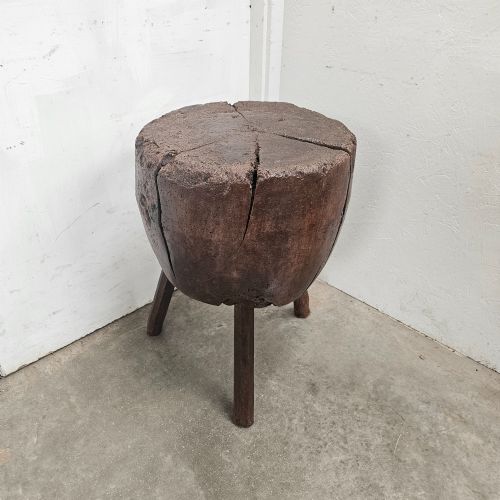
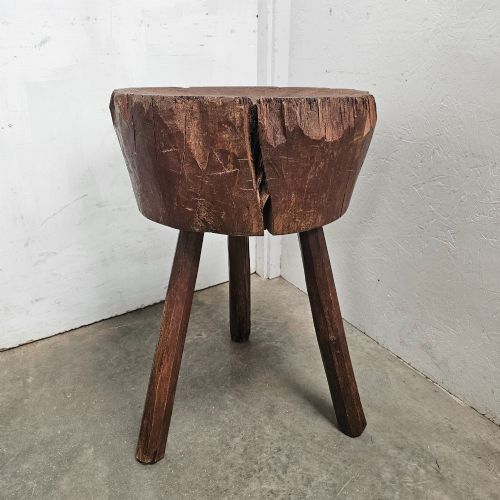
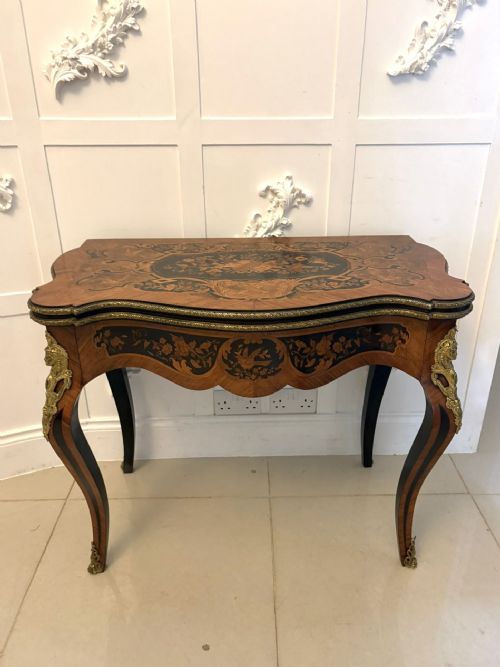
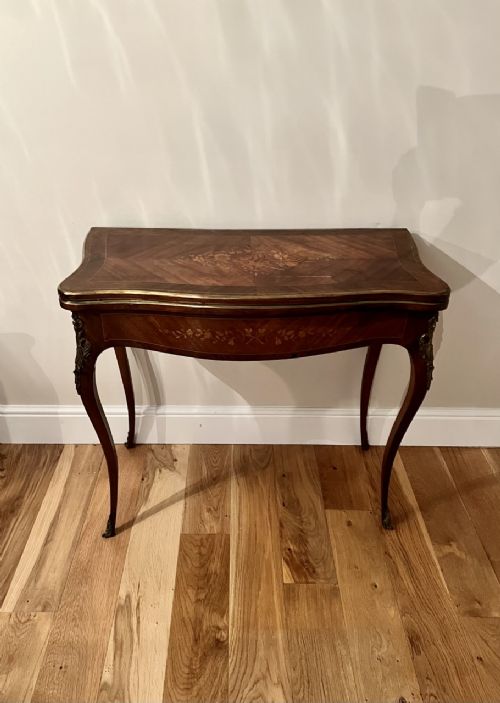
A vintage french games table encompasses everything from heavy primitive beech and oak game blocks to refined kingwood and burr walnut card tables with marquetry. You will frequently encounter fold-over console tables and occasional tables spanning the nineteenth century up to mid-century examples.
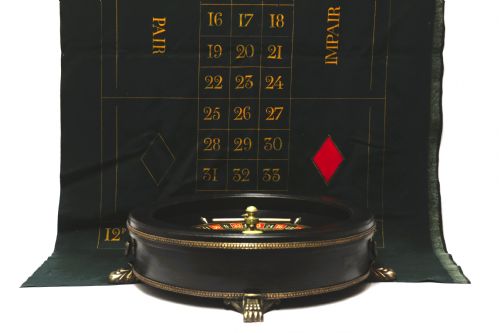
The regional variety ranges from rustic country chopping blocks utilised for play to elaborate Louis XV style drawing room consoles. Surviving items include roulette wheels with original felt alongside traditional card and gaming antiques.
The forms adapt easily to modern living spaces, functioning as decorative side tables or expanding for evening entertainment.
Materials and construction
Cabinetmakers utilised dense hardwoods like walnut, beech, oak, and kingwood, often embellished with intricate marquetry and burr walnut veneers. Metal components such as brass hinges and cast ormolu mounts provide both structural reinforcement and decorative flourish.
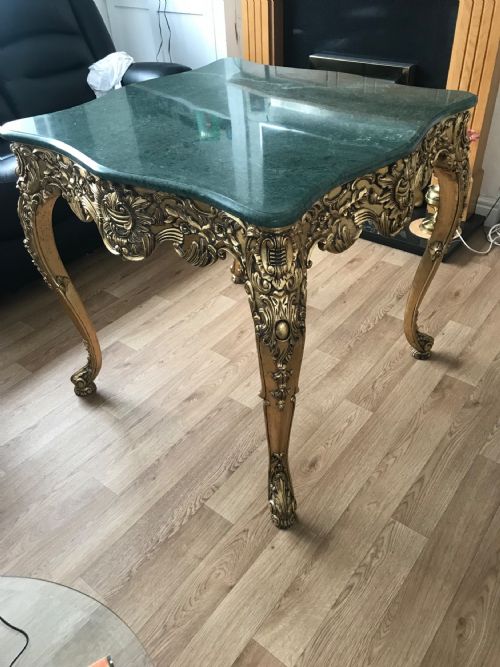
Marble feature on heavier occasional tables, offering a polished solid top that contrasts with warm timber frames. Traditional joinery underpins the folding mechanisms and solid tree trunk blocks seen in the regional pieces.
Vintage French Games Table Retail Price Guide 2026
Typical asking prices for vintage french games table among the pieces listed under this phrase on Sellingantiques today, from the lower quarter to the upper quarter. They describe what is for sale here now, not the wider market.
The inventory spans the nineteenth century up to nineteen sixty, recording materials from common beech and oak to exotic kingwood and ormolu.
Assessing quality and execution
The hierarchy of quality rests on the precision of the marquetry inlay and the weight of the timber used in the frame. Elaborate ormolu mounts and finely polished marble tops elevate formal nineteenth-century pieces above simpler rustic game blocks.
Mechanism fluidity defines the better folding card tables, where hinges operate smoothly and leaves align perfectly when closed. Finer examples display careful selection of burr walnut or kingwood grain across the entire folding surface.
The Vintage French Games Table Glossary
- Marquetry
- Decorative patterns created by fitting small pieces of veneer into a wooden background. This technique defines the ornate tops of nineteenth-century card tables.
- Ormolu
- Gilded bronze mounts applied to furniture edges and corners. These decorative metal additions characterise the Louis XV style.
- Burr Walnut
- Wood harvested from walnut tree growths that produces swirling grain patterns. It creates highly decorative surfaces on folding tables.
Vintage French Games Table: Frequently Asked Questions
How do I use a folding card table today?
These pieces function as compact console or side tables against a wall when closed. Opening the leaf reveals a baize or polished wood surface suited for display or occasional gatherings.
Their sturdy timber construction allows them to handle daily use in a living room or study without difficulty.
What is a primitive game block?
Primitive game blocks are solid sections of beech or oak tree trunks utilised for casual play in French country settings. They offer a heavy, rustic alternative to polished parlour furniture.
These utilitarian pieces highlight the more robust, everyday side of nineteenth-century French domestic life.
How do I distinguish Louis XV style from country pieces?
Louis XV style pieces display curved cabriole legs, delicate ormolu mounts, and complex kingwood marquetry. They reflect formal urban cabinetmaking traditions.
Country pieces rely on simple oak or beech construction with minimal decoration, focusing purely on solid utility rather than courtly aesthetics.
Are marble top tables heavy?
The listings include heavy occasional tables featuring solid polished green marble tops. This stone adds substantial weight compared to standard wooden folding leaves.
Positioning requires adequate floor space and careful placement, as the marble provides a permanent, non-folding surface.