





Vintage French Folding Divider
These vintage french folding divider pieces are practical partitions designed to shape space, bringing classical European elegance and flexibility to a room.
Vintage French Folding Divider
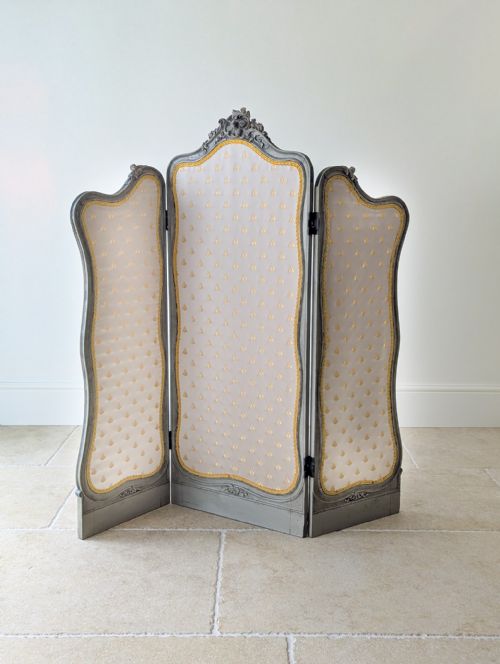
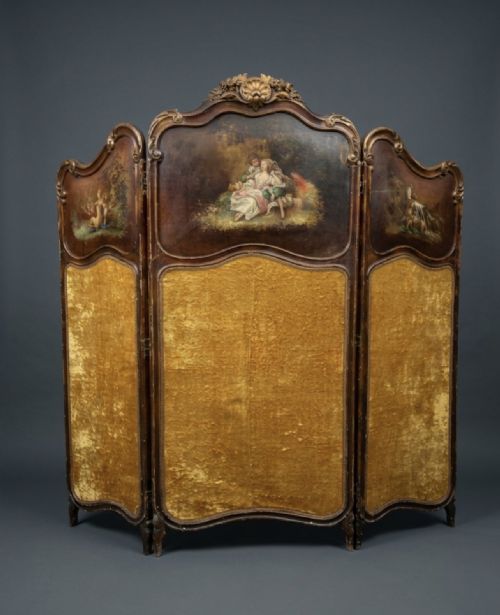
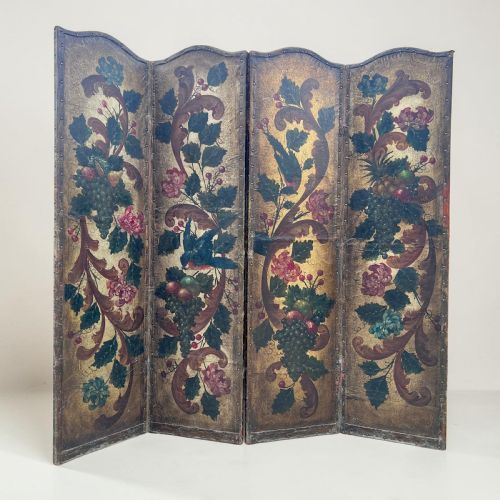
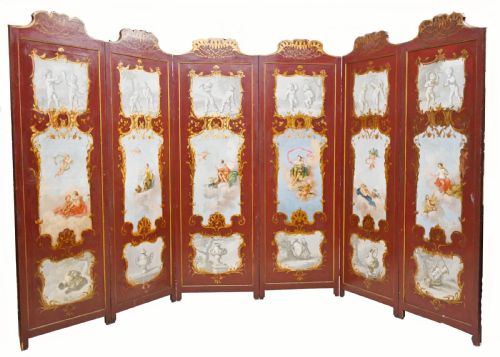
When you search for a vintage french folding divider, you encounter multi-panel hinged screens designed to segment rooms or create private areas. The examples here span multiple panels, typically ranging from three to six folds.
Design characteristics draw heavily from traditional French styles, including French chateau, Rococo revival, Napoleon III, Louis XVI style, Art Nouveau, and Chinoiserie aesthetics. These pieces serve both decorative and functional roles within interior spaces.
How vintage french folding divider pieces were made
Construction relies heavily on timber frameworks utilising walnut, painted wood, and carved giltwood. These foundational structures are hinged together to allow multi-directional folding.
Surface decoration and infill materials define the visual character, incorporating hand-painted panels, leather, fabric, glass, and brass elements. Pastoral scenes and Chinoiserie motifs frequently appear on the painted or leather surfaces.
Listings feature items spanning the eighteenth to early twentieth centuries, constructed from walnut, giltwood, painted wood, and brass.
What varies in quality
The standard of carving and the sophistication of the painted details dictate the upper tiers of quality. Hand-painted pastoral scenes or detailed leatherwork elevate a piece above simpler utilitarian versions.
The choice of primary frame material and the integrity of the hinges also determine durability and craftsmanship. Solid walnut and intricate giltwood frames represent higher levels of period execution.
The Vintage French Folding Divider Glossary
- Modesty screen
- A low or portable screen historically used to shield someone from drafts or direct view. These are smaller relative to full room dividers.
- Giltwood
- Wood that has been covered with a thin layer of gold leaf or gold paint. This finish creates a reflective and ornate surface typical of revival styles.
- Napoleon III
- Design period spanning the mid nineteenth century known for eclectic revivals of earlier French royal styles. It embraces rich decoration and painted finishes.
- Privacy screen
- A tall multi-panel partition used to seclude a portion of a room. These pieces balance practical room division with decorative display.
Vintage French Folding Divider: Frequently Asked Questions
What is a vintage french folding divider used for?
These screens historically served to block drafts, create private changing areas, or divide large chambers into intimate zones. Today, they function primarily as decorative room partitions or striking wall backdrops.
Their flexible multi-fold design allows owners to easily alter the layout and flow of a room without permanent architectural changes.
How do I place a folding screen in a room?
Position the screen at an angle rather than flat against a wall to ensure stability and to showcase the hinged panels. They work effectively in corners, behind seating areas, or as a division between living and dining spaces.
Ensure the panels are not over-extended to prevent tipping, keeping the folds slightly angled for structural balance.
How do I identify a Napoleon III screen?
Napoleon III pieces typically date from the mid nineteenth century and incorporate eclectic revivals of Rococo or Louis styles. They frequently feature dark painted wood, elaborate gilt accents, and decorative panels.
Look for heavy ornamentation and traditional joinery methods consistent with nineteenth-century French cabinet making.
What materials are common in these screens?
Frameworks are constructed from timber such as walnut and carved giltwood, providing a sturdy skeleton for the folds. Infill panels consist of painted wood, leather, fabric, glass, and brass.
Many examples feature hand-painted artistic details or glazed sections to let light through while maintaining partition.
How do I care for painted leather panels?
Keep painted leather screens away from direct sunlight and excessive moisture to prevent cracking or fading of the artwork. Dust gently with a dry, soft cloth and avoid chemical cleaning agents.
Stable indoor humidity helps preserve both the leather substrate and the integrity of the wooden frames.