





Vintage French Earthenware Vase
These vintage french earthenware vase selections bring rustic charm and hand-thrown character directly into modern interiors.
Vintage French Earthenware Vase
When you search for a vintage french earthenware vase, you are looking at utilitarian and decorative vessels originating from France across the nineteenth and early twentieth centuries. These pieces encompass diverse regional forms, ranging from utilitarian storage jars adapted for display to dedicated display pottery.
The selections on this page span several distinct eras, including the nineteenth century alongside pieces dated from the decades of nineteen ten, nineteen twenty, and nineteen thirty. You will encounter forms such as handled confit pots, large ceramic vases, faience urns, and amphora vessels.
Styles lean heavily towards French country and provincial aesthetics, rustic European folk traditions, and occasional Art Deco expressions. These objects combine practical utility with vernacular artistry, making them versatile decorative elements.
Materials and construction
These items are constructed primarily from earthenware, terracotta, and ceramic bodies, shaped by hand to create organic, solid vessels. Artisans utilised local clays, resulting in heavy, robust walls suited to agricultural and domestic service.
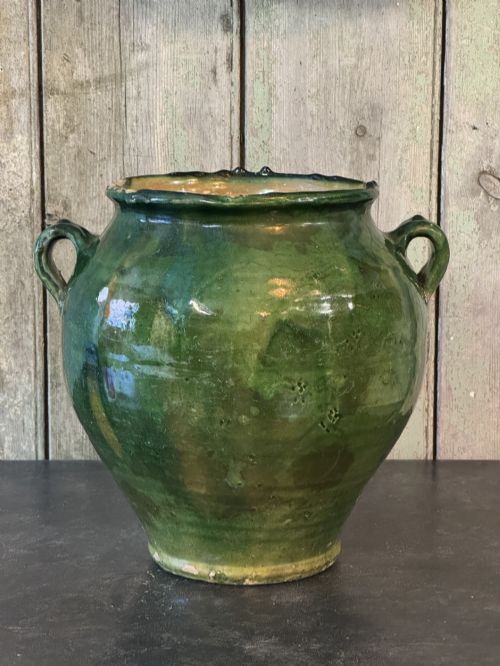
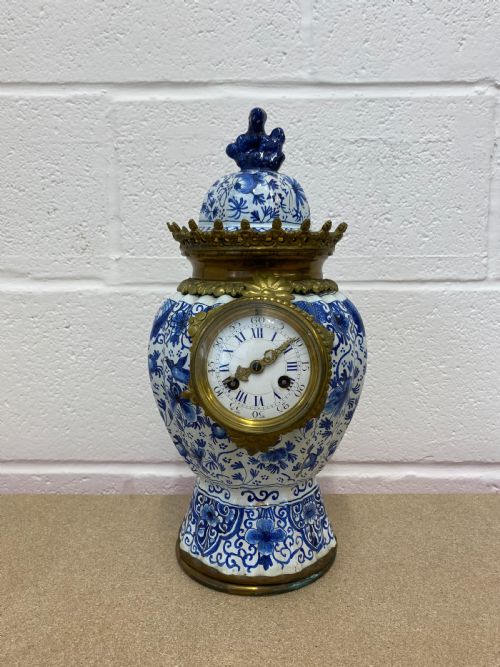
Surfaces are finished with glazes, tin-glazes, and paintwork to seal the porous clay bodies and provide decoration. Green lead glazes and hand-painted motifs appear frequently across the confit pots and faience items in this collection.
Vintage French Earthenware Vase Retail Price Guide 2026
Typical asking prices for vintage french earthenware vase among the pieces listed under this phrase on Sellingantiques today, from the lower quarter to the upper quarter. They describe what is for sale here now, not the wider market.
Cats peer from unexpected places, captured forever in the form of nineteenth-century pottery wall pockets.
Assessing quality and character
Quality in these pieces is dictated by the integrity of the original form and the richness of the glaze application. Hand-thrown asymmetry shows the maker's hand, but superior examples maintain balanced proportions and stable wall thickness.
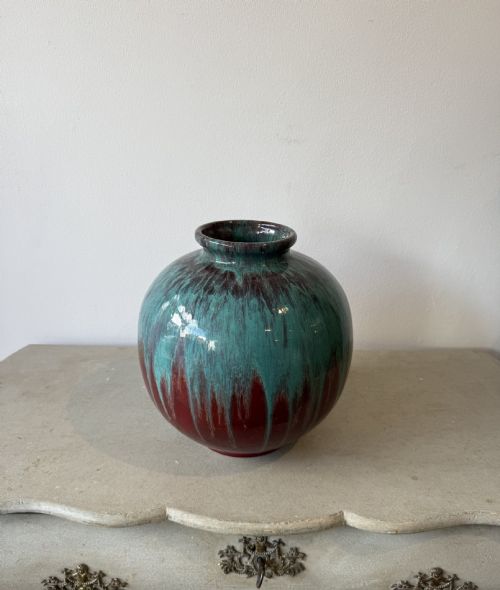
The depth and coverage of the glaze distinguish standard utilitarian wares from finer decorative pieces. Lustrous green lead glazes or finely hand-painted faience details elevate an object from simple kitchen storage to accomplished studio pottery.
Robert T Lallement
The Vintage French Earthenware Vase Glossary
- Earthenware
- A type of pottery fired at relatively low temperatures, remaining porous unless glazed. It forms the base material for the majority of provincial French vessels.
- Faience
- Tin-glazed earthenware decorated with opaque metallic glazes, often featuring hand-painted designs. This technique was widely utilised in traditional French decorative pottery.
- Confit Pot
- A traditional French pot with handles, originally designed for preserving and storing meats or confit. These utilitarian jars are now sought after for their rustic aesthetic and green glaze.
- Terracotta
- Unglazed or clear-glazed fired clay of a brownish-red colour. It provides a warm, earthy texture seen in nineteenth-century confit jars.
- Amphora
- A two-handled jar with a narrow neck used in antiquity and later revived in nineteenth-century ceramic design. These vessels serve as striking sculptural centrepieces.
Vintage French Earthenware Vase: Frequently Asked Questions
What is a French confit pot?
A French confit pot is a traditional earthenware vessel featuring one or two small handles, originally used in rural kitchens for storing and preserving cooked meats in fat.
Over time, these utilitarian jars have transitioned into decorative objects prized for their organic shapes and rich coloured glazes.
How do I style a ceramic vase?
These vessels work well as standalone sculptural pieces on mantelpieces, sideboards, or open shelving. Their earthy textures complement natural dried botanicals or simple stems.
Because many of these items feature porous earthenware or historical glazes, check whether a vessel holds water before filling it with fresh flowers.
How can I tell the age?
Dating relies on observing material characteristics, glaze formulations, and potting techniques specific to the nineteenth and early twentieth centuries. Hand-thrown irregularities and traditional firing marks point towards earlier provincial production.
Makers' marks or specific stylistic movements, such as Art Deco, provide narrower chronological windows for certain pieces.
Are these pots waterproof?
Many nineteenth-century earthenware and terracotta pieces were designed for food storage or dry goods rather than holding water. Their porous clay bodies and historic glazes may allow moisture to seep through over time.
Using a discreet glass or plastic liner inside the vessel protects the historic interior while allowing you to display fresh arrangements safely.