
Vintage French Desk Light
A vintage french desk light brings character and period focus to a workspace, combining practical illumination with sculptural presence.
Vintage French Desk Light
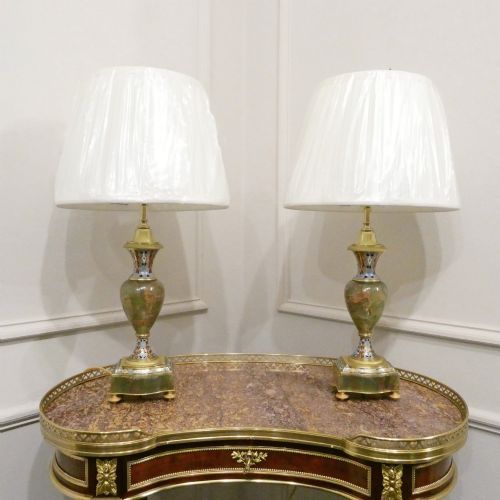
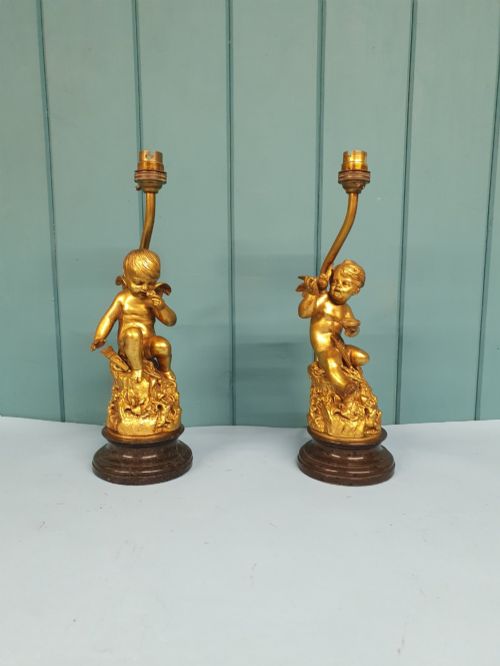
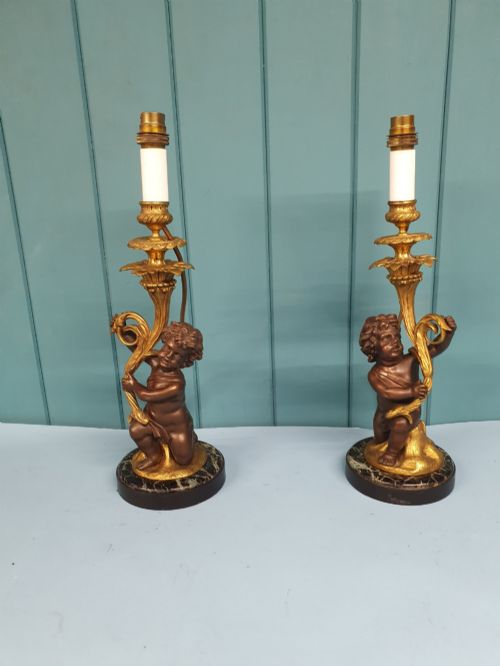
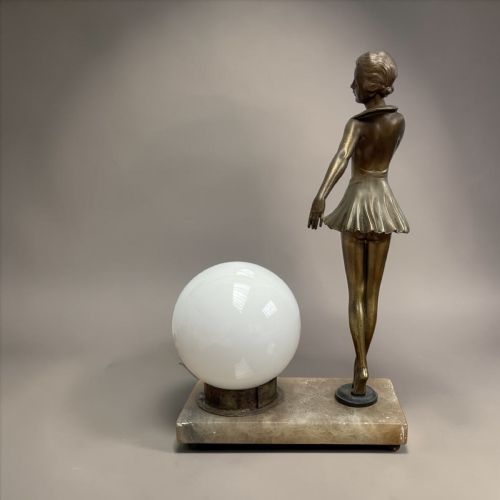
A vintage french desk light encompasses functional task illumination and decorative table lighting sourced from France, spanning the nineteenth century through the art deco decades of the twentieth century. These pieces frequently manifest as converted candlesticks, bouillotte lamps, and sculptural figural designs placed upon writing surfaces and side tables.
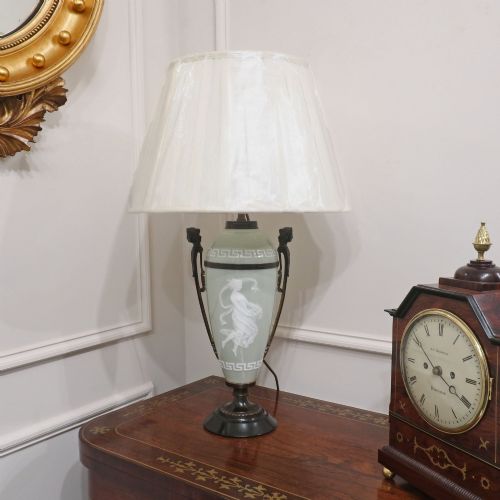
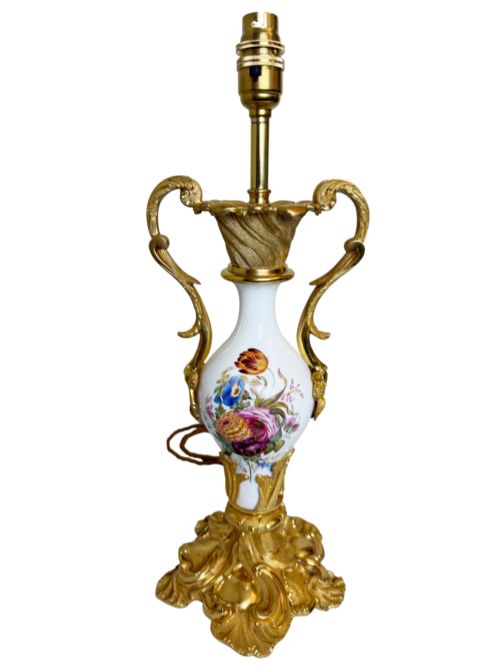
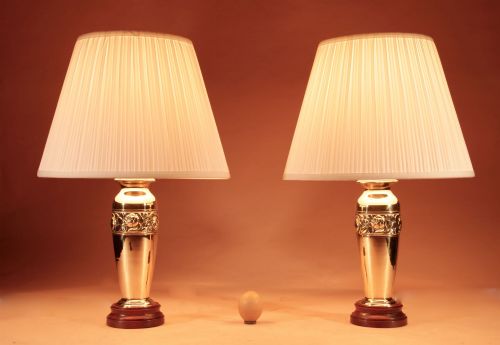
The selections on this page draw heavily from distinct aesthetic movements, including rococo revival, neoclassical, art nouveau, and art deco styles. Materials range from cast bronze and ormolu to marble, onyx, porcelain, and toleware, reflecting the varied interior tastes of their periods of origin.
How they were made
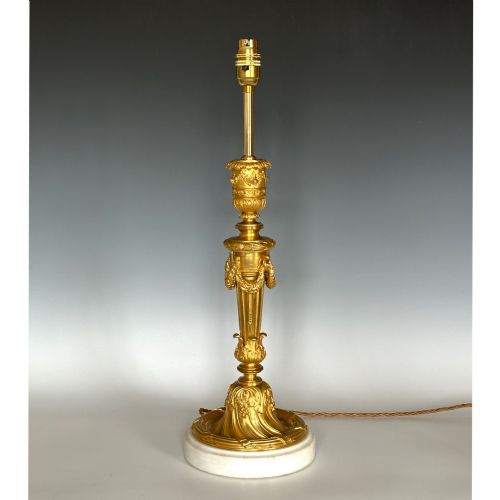
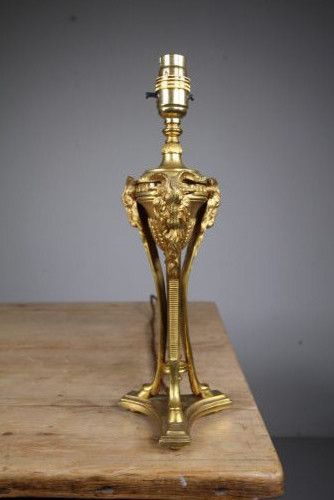
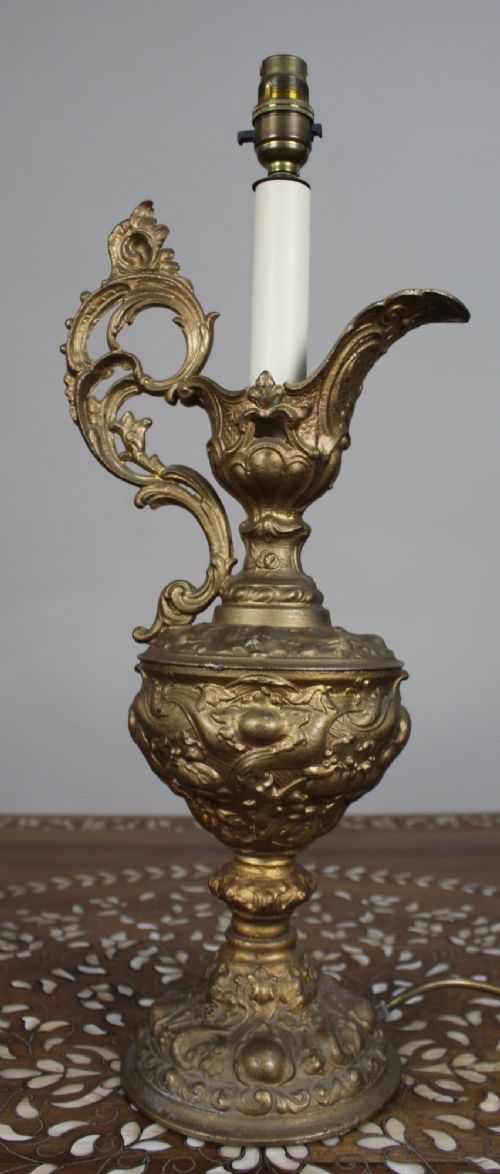
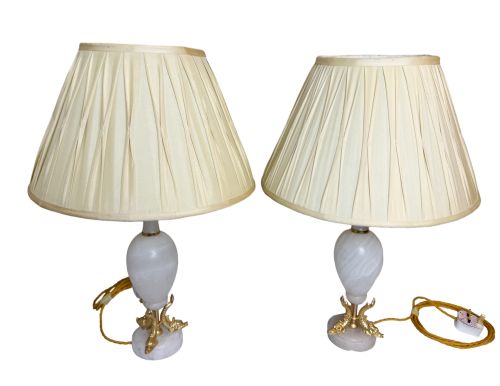
Metal components rely heavily on traditional foundry practices, utilising cast bronze, brass, gilt metal, and ormolu to form intricate mounts, figural cherubs, and architectural bases. Artisans combined these metallic elements with natural carved stone such as marble and onyx, often securing them with threaded rods and retaining original patination.
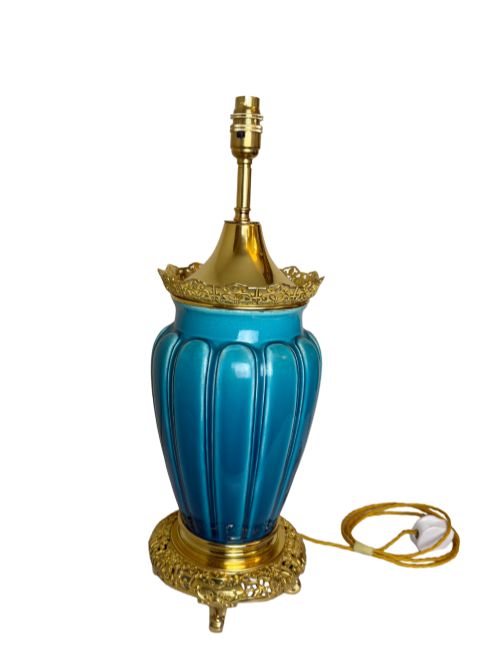
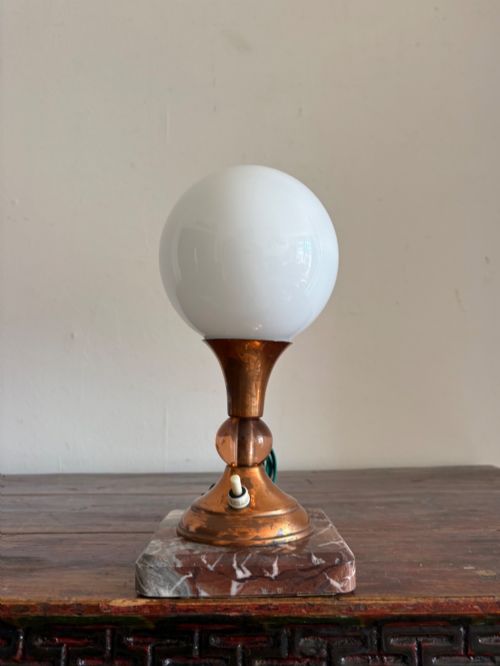
Glass elements incorporate specialist techniques like mottled glass, opalescent shades, and applied glass cabochons, whilst ceramic bodies utilise fine porcelain, celadon glazes, and pate sur pate decoration. Wrought iron and copper also appear in geometric art deco configurations, paired with fabric shades or specialised glass.
A playful touch appears in novelty animal designs, capturing sculpted dogs and parrots perched beside the bulb.
What varies in quality
The standard of casting and chasing in the metalwork dictates much of the visual distinction, separating crisp, hand-finished ormolu and bronze details from softer, mass-produced commercial castings. Heavier stone bases in marble and onyx demonstrate superior density and more carefully selected natural mineral veining.
Artistic collaboration defines the upper tier, where recognised designers or glasshouses contributed specific shades, patinas, and distinctive figural motifs. The integration of materials, such as the seamless mounting of bronze trimmings onto porcelain bodies, indicates the maker's original level of craftsmanship.
Eileen Grey·Charles Schneider·Georges Leleu
The Vintage French Desk Light Glossary
- Ormolu
- A gilded bronze technique utilising a mercury amalgam, applied to mountings and decorative accents on nineteenth-century lamps. This finish creates a warm, gold-toned metallic lustre.
- Bouillotte lamp
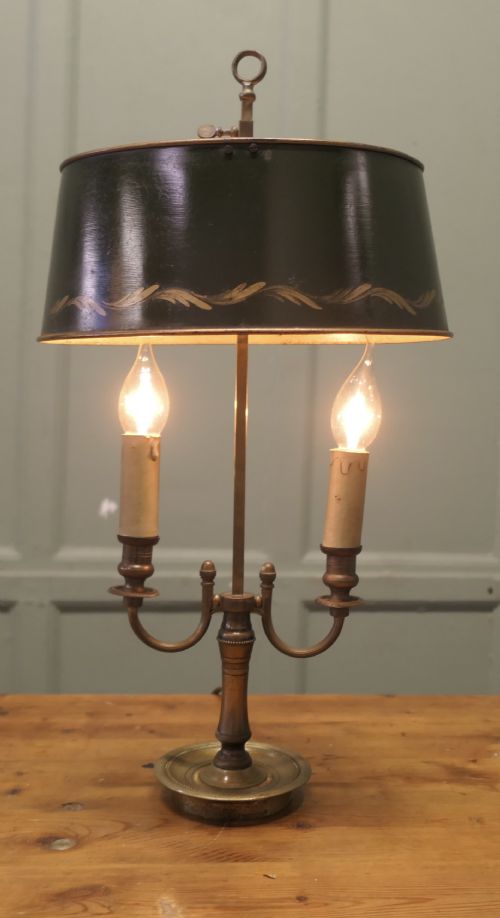
- A traditional adjustable desk lamp featuring a central shaft, a saucer base to catch wax, and a Toleware shade. It was originally designed for the card game bouillotte.
- Champleve
- An enamelling technique where troughs are carved into a metal surface and filled with vitreous enamel before firing. It frequently appears on brass and bronze nineteenth-century pieces.
- Pate sur pate
- A ceramic decoration method where a liquid clay relief is applied layer upon layer to a contrasting background body. This creates a cameo-like translucent effect on porcelain lamps.
Vintage French Desk Light: Frequently Asked Questions
How do I choose the right size for a desk?
Consider the proportion of the lamp relative to the writing surface and surrounding furniture. Taller candelabra conversions and large figural designs require substantial space to avoid overwhelming smaller writing desks.
Shorter bouillotte or compact art deco models suit tighter workspaces while still providing adequate directional light. Measure the height from the base to the top of the shade before deciding.
Were these lamps originally made for electricity?
Many older pieces began life as oil lamps, candlesticks, or candelabra before undergoing conversion to electric lighting during subsequent decades. This transition preserves antique metalwork and ceramic bodies while adapting them for modern interior use.
Wiring methods and fittings are generally updated to meet contemporary safety standards while retaining the original external structure. Look closely at the base or stem to spot historical adaptations.
How do I identify an art deco lamp?
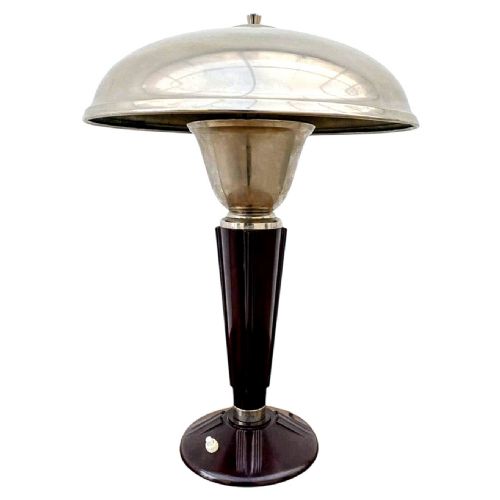
Art deco lighting relies on geometric lines, stylised figural forms, and modern industrial materials like chromium, bakelite, and frosted glass. These pieces typically date from the 1920s and 1930s, breaking away from historical revival styles.
Motifs often include sleek animals, stylised human figures, and stepped or tiered marble bases. The focus shifts toward symmetry and functional abstraction.
What is toleware and how do I care for it?
Toleware consists of enamelled or lacquered sheet metal, frequently painted in dark green or other rich tones for traditional bouillotte desk shades. It provides a durable, opaque surface that directs light downwards onto the working area.
Clean the surface gently with a dry or barely damp microfiber cloth to protect the painted finish. Avoid abrasive cleaners that might chip or dull the lacquer.