



Vintage French Desk Chairs
Vintage french desk chairs bring timeless character to a study, combining elegant wood frames with comfortable leather or fabric seating.
Vintage French Desk Chairs
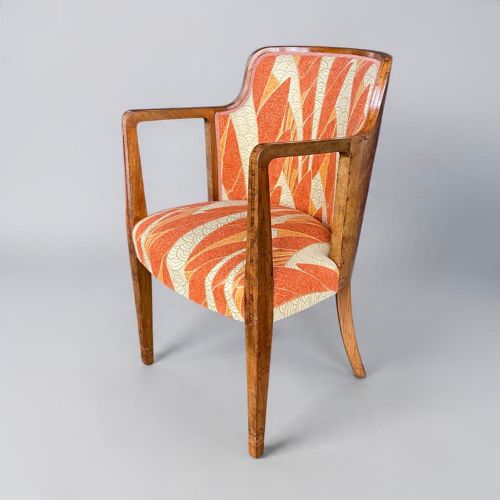
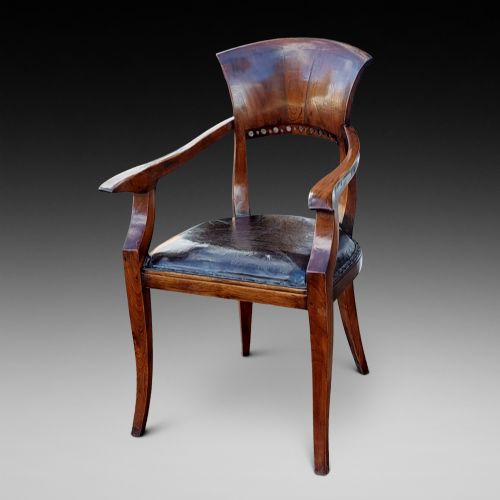
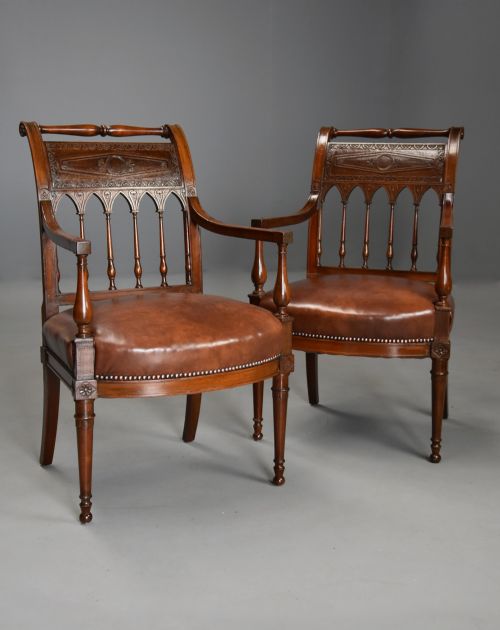
Vintage french desk chairs encompass a diverse selection of seating options designed for workspaces, ranging from nineteenth-century walnut library armchairs to early twentieth-century leather bridge chairs. Buyers searching for vintage french desk chairs often encounter nineteenth-century walnut and mahogany forms alongside Louis Philippe rosewood designs and Empire style library armchairs.
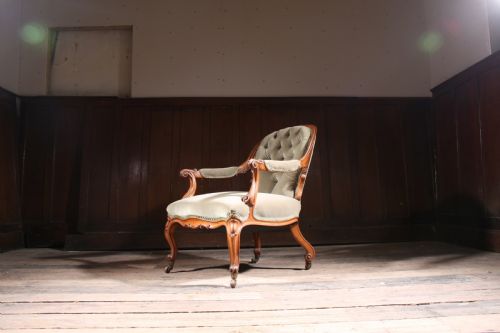
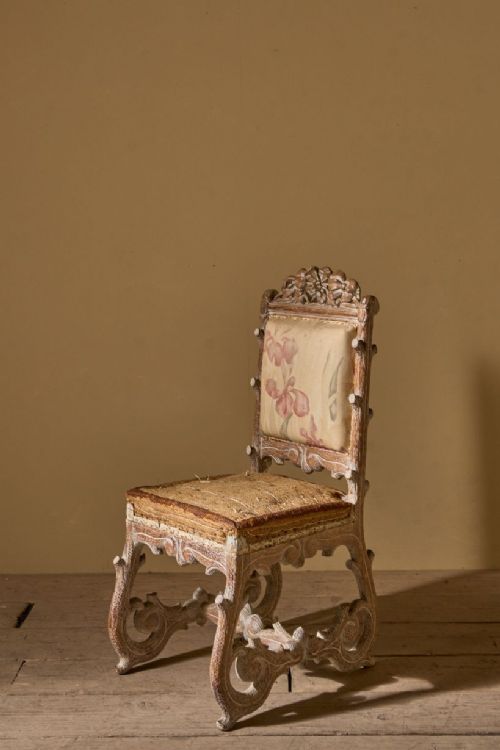
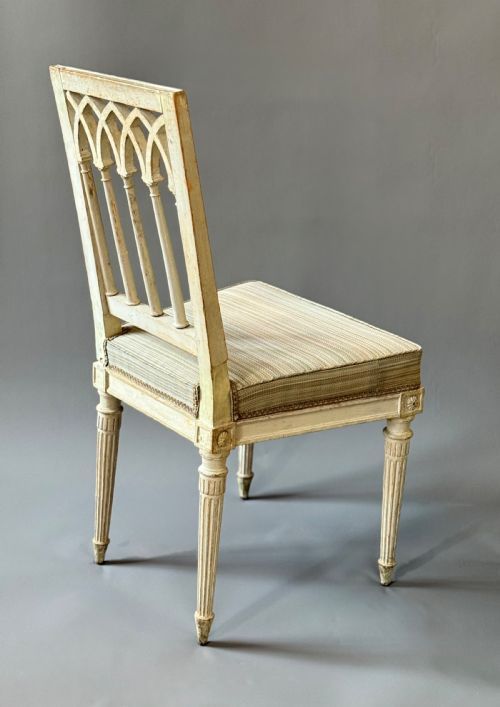
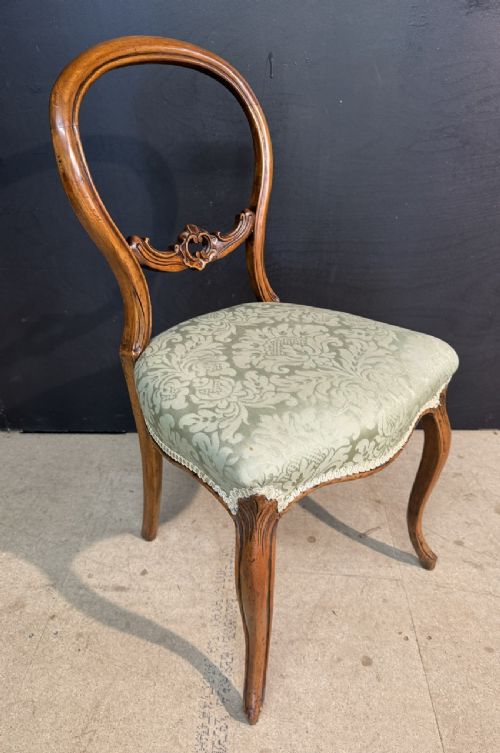
The selection reflects varied stylistic influences, including Louis XVI style, French Provincial, and Gothic Revival, alongside pieces featuring cabriole legs and caned bergère seating. These chairs span several periods from the eighteenth century through to the early twentieth century, offering distinct historical character for interior spaces.
Materials and construction methods
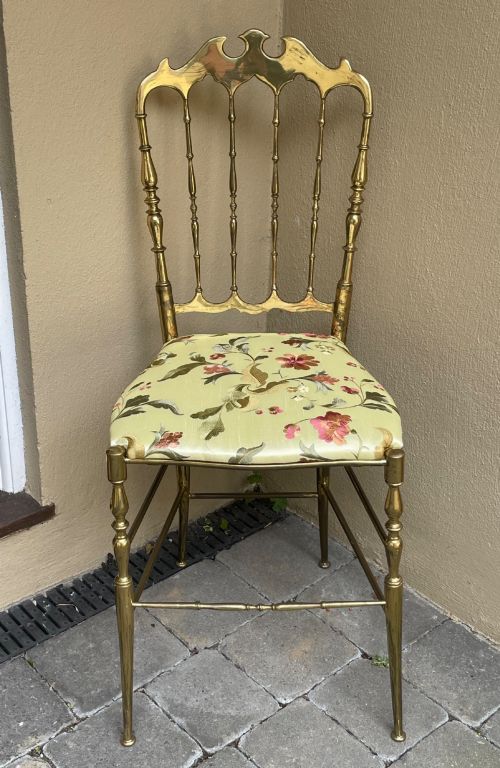
Frames are constructed from sturdy timbers such as walnut, mahogany, kingwood, rosewood, and oak, often enhanced with hand-carved details or painted finishes. Selected pieces incorporate brass or ormolu mounts, polished brass elements, and faux bois work to elevate the visual appeal of the wooden structure.
Seating and backrests utilise traditional materials including supple leather, woven cane, fabric upholstery, and brass accents. These materials are combined using period joinery techniques to create durable armchairs, side chairs, and desk chairs suited for regular use.
Vintage French Desk Chairs Retail Price Guide 2026
Typical asking prices for vintage french desk chairs among the pieces listed under this phrase on Sellingantiques today, from the lower quarter to the upper quarter. They describe what is for sale here now, not the wider market.
Listings feature walnut, mahogany, rosewood, and kingwood timbers alongside leather, brass, fabric, and cane materials.
Distinguishing craftsmanship and finish
Quality differences emerge in the precision of the hand-carved woodwork and the structural integrity of the timber frame, where finer examples display crisper detailing on cabriole legs and mouldings. The selection of primary woods, such as figured walnut or rosewood, dictates the richness of the finished piece.
The refinement of metal mounts, including ormolu and polished brass, separates standard production from exceptional pieces. Furthermore, the execution of upholstery work, leather quality, and cane weaving contributes significantly to the overall standard of the chair.
Louis Majorelle
The Vintage French Desk Chairs Glossary
- Fauteuil
- An open-armed upholstered armchair with an exposed wooden frame, characteristic of French seating design. These chairs typically feature padded armrests and a supportive back.
- Bergère
- An enclosed upholstered armchair featuring wooden sides and a built-in upholstered back and seat. The design often incorporates cane work on the sides or back panel.
- Ormolu
- Gilded bronze mounts applied to furniture for decorative enhancement. This technique was frequently utilised on high-status nineteenth-century pieces.
- Parquetry
- Geometric wood veneer patterns arranged on the surface of furniture. It creates intricate decorative designs on tabletops and chair components.
- Cabriole leg
- A furniture leg that curves outward and then tapers inward, inspired by the shape of an animal's leg. This form is common on eighteenth and nineteenth-century seating.
Vintage French Desk Chairs: Frequently Asked Questions
How do I care for leather upholstery?
Leather upholstery requires regular dusting and occasional conditioning to maintain its suppleness and prevent drying out over time. Keeping the leather away from direct sunlight preserves its natural colour and finish.
Using specialised leather balms helps protect the material while retaining the authentic patina built up over decades.
Can these chairs be used daily?
Most vintage seating is constructed from durable hardwoods like walnut and mahogany, making them robust enough for regular daily use at a desk. Ensuring joints remain secure and upholstery is well-maintained supports their longevity in a working environment.
Care should be taken to match the chair's height and ergonomic proportions to your specific desk setup for comfortable working.
How do I identify nineteenth century pieces?
Nineteenth-century pieces often display specific timber choices like rosewood or kingwood, alongside distinct stylistic revivals such as Gothic Revival or Empire. Examining the joinery methods and hand-carved details provides clear indicators of the period of manufacture.
Makers' marks or specific hardware styles can also assist in confirming the approximate age and origin of the chair.