
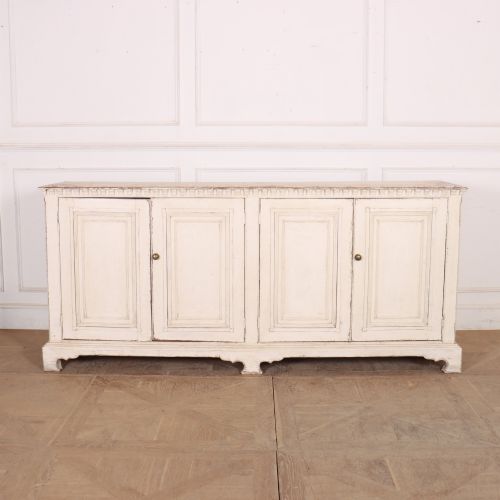

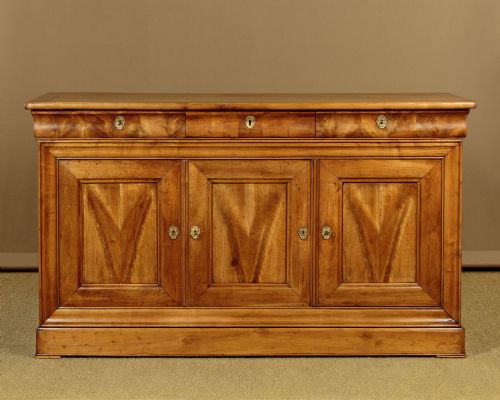


Vintage French Credenza
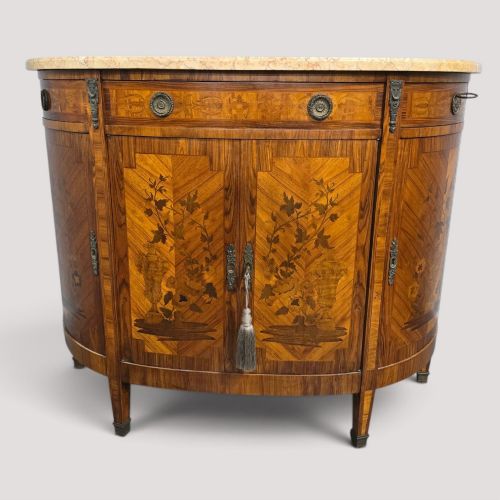
A vintage french credenza brings grounding presence and practical storage to a room, uniting rich timber grains with decorative marble and metal mounts.
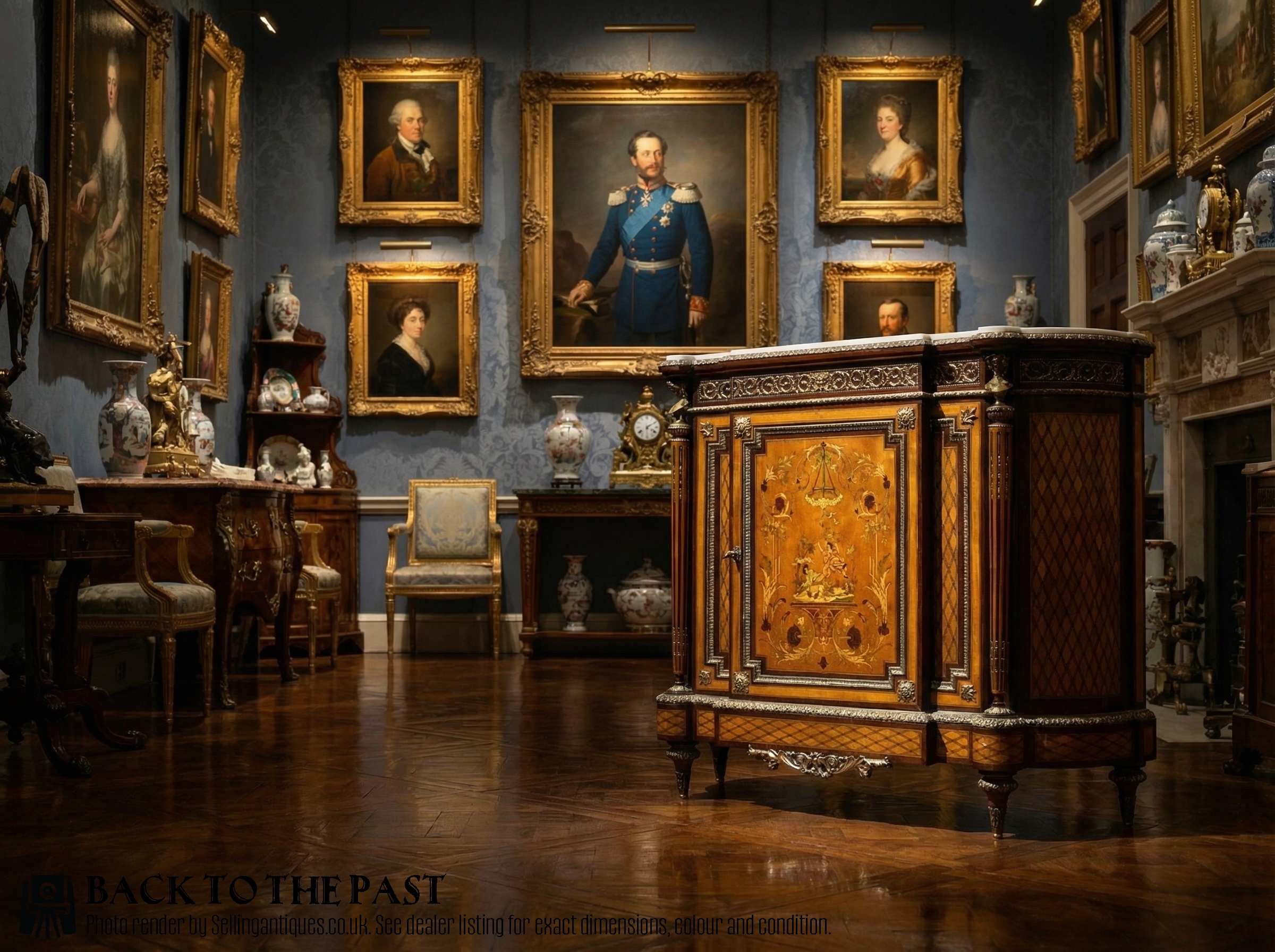
Vintage French Credenza
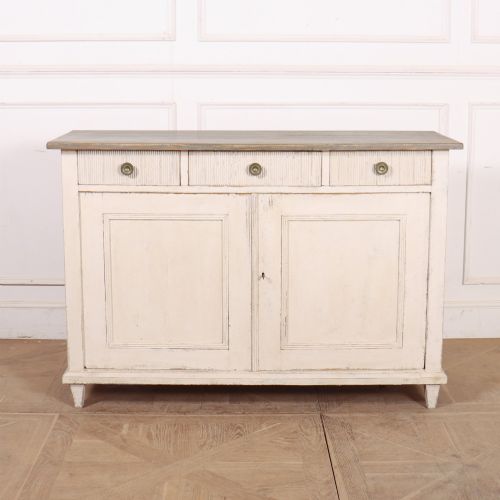
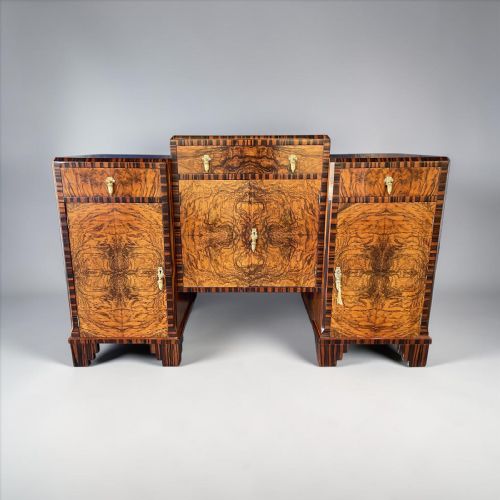
When you search for a vintage french credenza, you encounter a variety of substantial storage furniture originating from French provincial and Parisian workshops. These pieces span centuries of design, including the intricate marquetry of the nineteenth century and the geometric lines of Art Deco creation.
The most common formats on this page are sideboards, side cabinets, and marble topped commodes. They serve as functional storage units for dining rooms and living spaces while displaying distinct regional and stylistic periods.
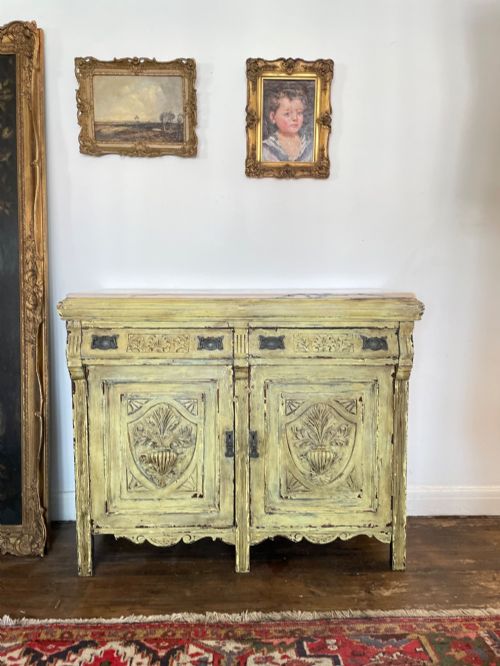
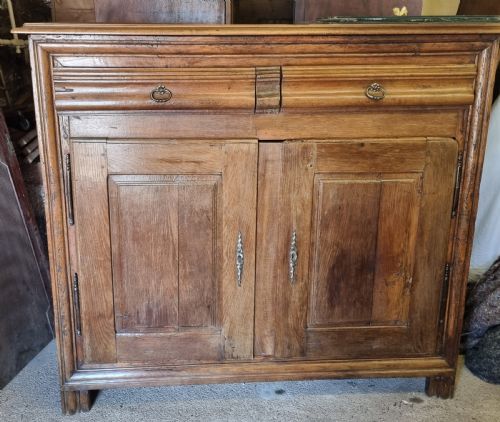
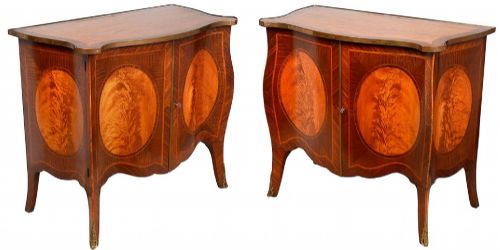
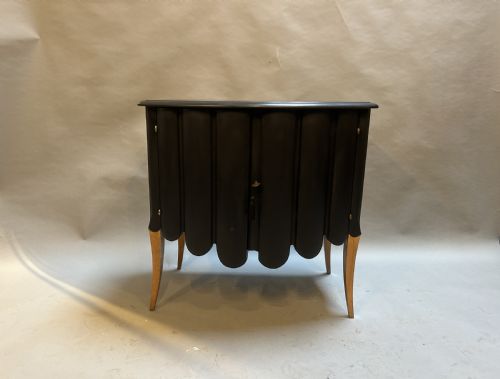
Makers utilised local timbers and imported veneers, shaping cabinets into demi lune, serpentine, and rectilinear forms. The selection ranges from rustic oak house maid cupboards to polished kingwood and mahogany cabinets decorated with ormolu.
How they were made
Construction relies on solid timbers such as oak, walnut, cherry wood, and fruit wood, often overlaid with intricate marquetry and parquetry patterns. Artisans applied kingwood, palisander, and mahogany veneers to create contrasting grain patterns across doors and drawer fronts.
Surfaces frequently incorporate polished marble tops in shades of pink and white, secured over wooden carcases. Metalwork plays a structural and decorative role, with brass and ormolu mounts framing doors, corners, and keyholes.
The selection includes regional house maid cupboards alongside Parisian Art Deco sideboards and Louis XV style cabinets.
What varies in quality
Quality rests in the precision of the cabinetmaker's joinery and the selection of timber veneers. Higher grade examples display seamless marquetry inlay, well fitted panel doors, and robust internal shelving that demonstrate superior hand carpentry.
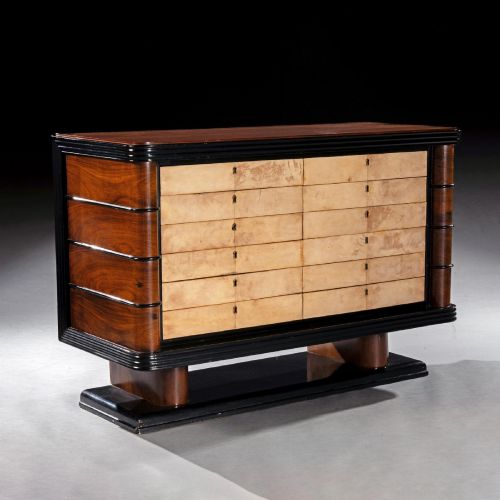
The choice of decorative hardware and surface stone differentiates standard output from exhibition quality work. Heavy cast ormolu mounts, select marble slabs, and parchment covered drawers indicate higher atelier standards.
Charles Dudouyt
The Vintage French Credenza Glossary
- Credenza
- A low cabinet or sideboard used for storage and display. It typically sits against a wall in a dining space or principal room.
- Marquetry
- Decorative veneer work forming pictures or geometric patterns using various wood types. Artisans cut and fit thin pieces of timber into precise arrangements.
- Ormolu
- Gilded bronze mounts applied to furniture for decoration. This technique adds metallic contrast to wooden surfaces.
- Commode
- A low chest of drawers or cabinet with doors, originating in France. These pieces frequently feature marble tops and elaborate mounts.
- Parquetry
- Geometric wood mosaic work used for tabletops and cabinet fronts. It creates a repeating pattern across the surface.
- Enfilade
- A long sideboard or buffet designed to stand along a wall. It provides extensive surface and internal storage space.
Vintage French Credenza: Frequently Asked Questions
What is a french credenza used for?
These cabinets provide enclosed storage for tableware, linens, and household items. The flat top surface accommodates lamps, decorative objects, and serving trays.
Their substantial presence makes them focal points in dining rooms, hallways, and living areas.
How do I identify Art Deco pieces?
Art Deco pieces from the 1920s and 1930s feature streamlined geometric forms, exotic veneers like palisander and macassar, and contrasting details such as parchment.
They diverge from earlier revival styles by prioritising clean lines over floral marquetry and ornate ormolu mounts.
Are marble tops original?
Many nineteenth and early twentieth century sideboards and commodes were manufactured with fitted marble tops to provide durable surfaces. These slabs range from white to pink varieties.
Examining the rebate and edge finishing helps confirm whether the stone integrates with the cabinet construction.
How do I care for wooden surfaces?
Maintain timber and veneer by avoiding direct sunlight and moisture exposure. Regular dusting with a soft cloth preserves the polish of walnut, oak, and mahogany.
Occasional wax application nourishes the grain without building up heavy residues on antique polishes.