

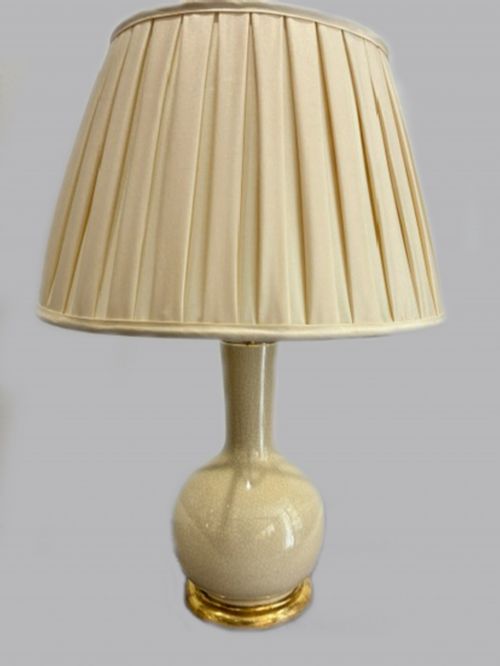
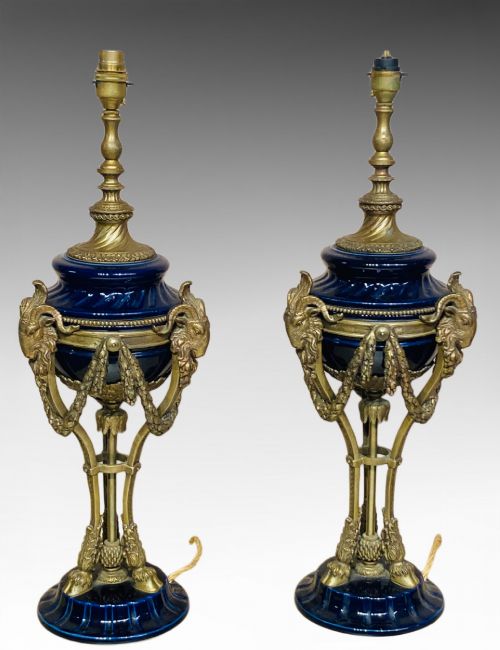


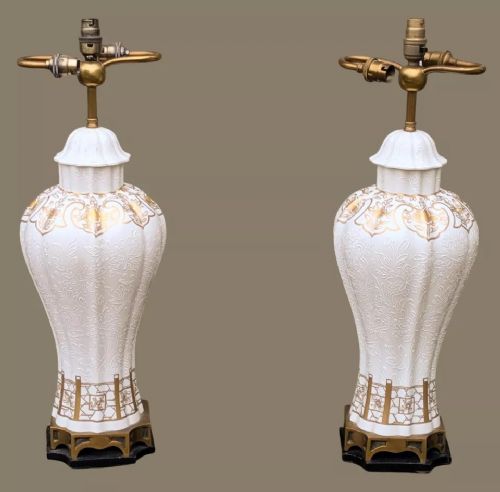


Vintage French Ceramic Lamp
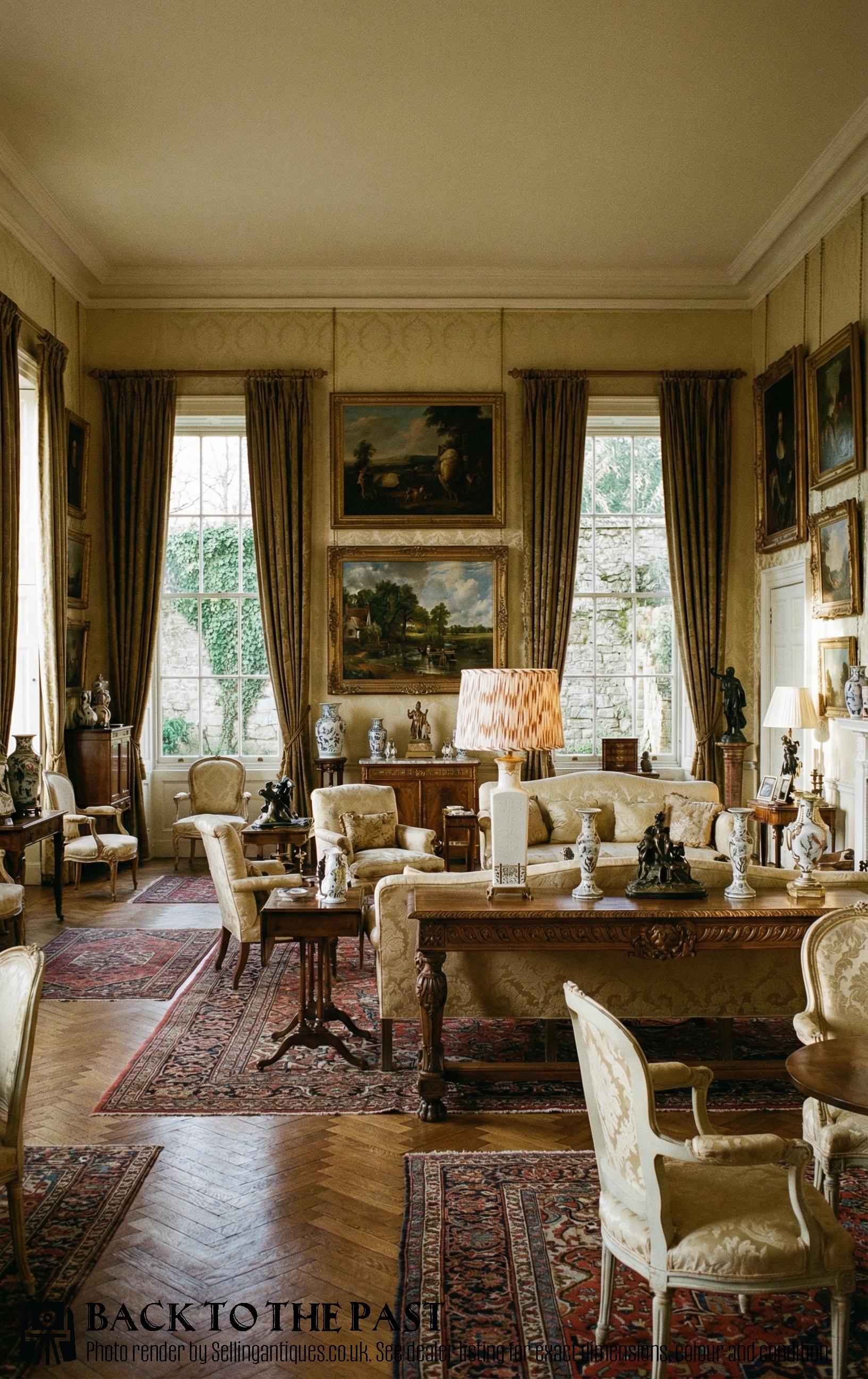
A vintage french ceramic lamp brings warmth and character to a room, drawing on centuries of European artistry and distinct regional forms.
Vintage French Ceramic Lamp
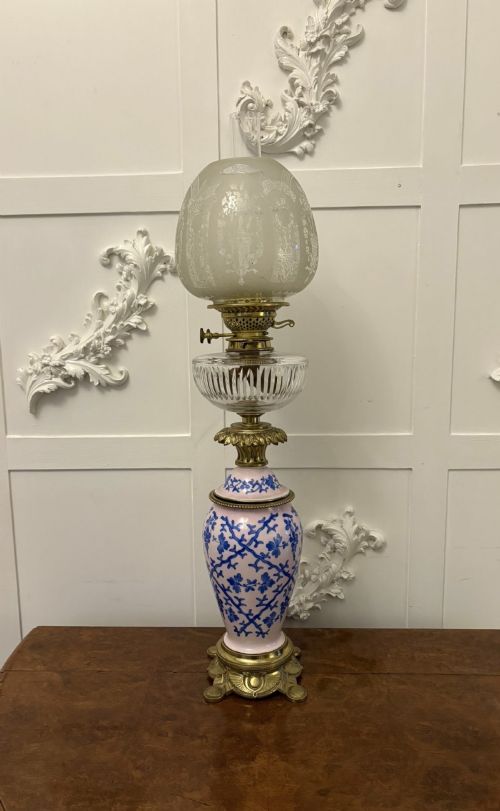
A vintage french ceramic lamp encompasses table lamps, oil lamps, and chandeliers originating from various periods including the nineteenth century, Art Deco, and Victorian eras. These pieces often feature traditional ceramic, porcelain, and faience bodies paired with metal mounts.
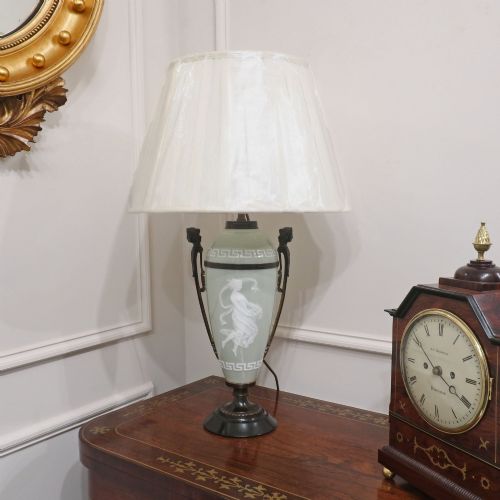
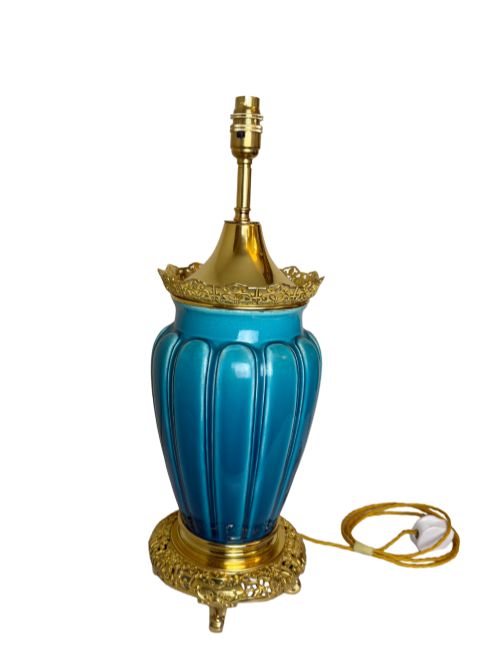
The selection here frequently highlights pieces styled in French Neoclassical, French Chinoiserie, and Art Deco traditions. Buyers encounter everything from turquoise blue porcelain table lamps to hand-painted faience bases.
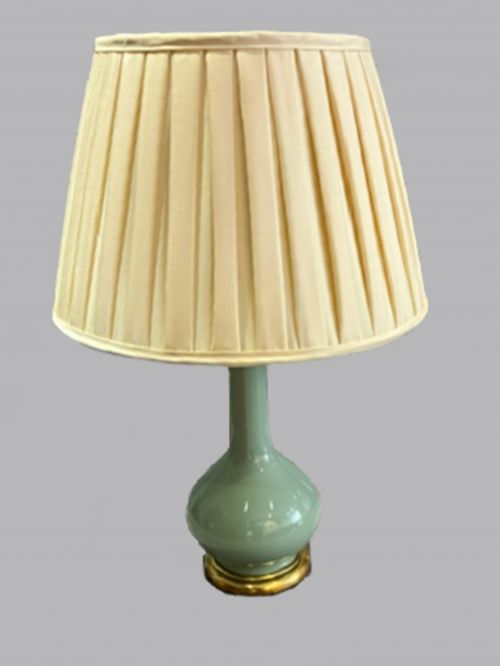
Vase-form lamp bases and converted oil lamps form a large part of what appears in this category. They bridge decorative pottery traditions and practical interior lighting.
How They Were Made
Potters shaped ceramic, porcelain, and faience bodies by hand or mould, frequently applying intricate hand-painted designs and colourful glazes. Techniques such as pate-sur-pate and crackle ware finish appeared alongside intricate gilt bronze, brass, or ormolu mounts.
Many items combined ceramic vessels with metal fittings, securing porcelain bodies to gilt bronze or brass bases. Fabric elements often completed the construction for functional illumination.
An elephant tamer once guarded a Paris porcelain perfume lamp.
What Varies in Quality
The standard of painting and gilding on the porcelain surface marks a clear division between everyday items and superior examples. Fine hand-painted details and crisp relief work indicate skilled studio execution.
The integration and weight of the metal mounts, whether gilt bronze, ormolu, or brass, determine the structural refinement of the piece. Substantial mounts cast with careful botanical or classical motifs elevate the overall presence.
Argilor Paris·Gien France
The Vintage French Ceramic Lamp Glossary
- Faience
- Tin-glazed earthenware produced across European potteries. It provides an opaque white surface suitable for colourful painted decoration.
- Ormolu
- Finely ground high-carat gold mercury-gilded onto a bronze object. This technique imparts a rich metallic lustre to mounts and decorative trims.
- Pate-sur-pate
- A porcelain manufacturing method where design relief is built up in successive layers of liquid clay slip. This creates a cameo-like translucent effect.
- Sevres style
- A design aesthetic emulating the famous French royal porcelain factory. It typically incorporates rich coloured grounds and heavy gilding.
Vintage French Ceramic Lamp: Frequently Asked Questions
How do I identify a vintage French ceramic lamp?
Look for characteristic glaze colours, hand-painted floral or figural motifs, and traditional forms such as vase shapes or converted oil lamps. Metal mounts in brass or gilt bronze often accompany these ceramic bodies.
Examine the base and hardware for period construction methods that match nineteenth-century or Art Deco manufacturing styles.
Were these lamps originally electrified?
Many examples began as oil lamps, vases, or perfume lamps before later conversion into table lamps for modern electrical use. This adaptation allows historical porcelain and faience vessels to function safely with contemporary wiring.
Conversion work often retains the original ceramic body and metal mounts while updating internal lamp components.
How do I care for a painted ceramic lamp?
Dust the ceramic body and any metal mounts gently with a dry, soft cloth to prevent accumulation. Avoid chemical cleaners or harsh abrasives that might damage hand-painted details or gilt finishes.
Check the stability of metal mounts periodically to ensure they remain securely fastened to the porcelain or faience base.
What styles are common in French ceramic lighting?
Common aesthetics include French Neoclassical, Art Deco, Chinoiserie, and Victorian designs. Each style brings distinct decorative elements, from orientalist motifs to geometric patterns.
These varied stylistic influences reflect different periods of European decorative arts and manufacturing trends.