
French Accent Table Lighting
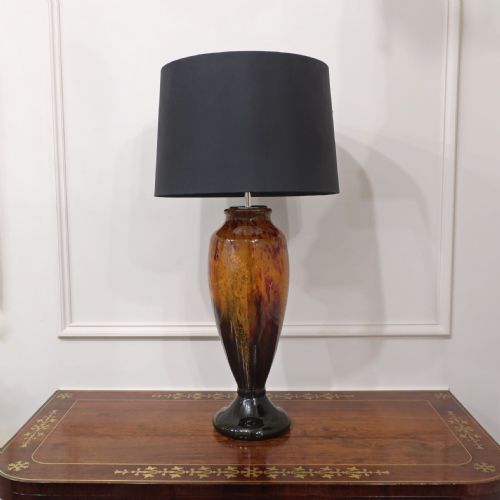
French accent table lighting brings sculptural elegance and soft illumination to a room, combining fine metalwork with glass, marble or ceramic.
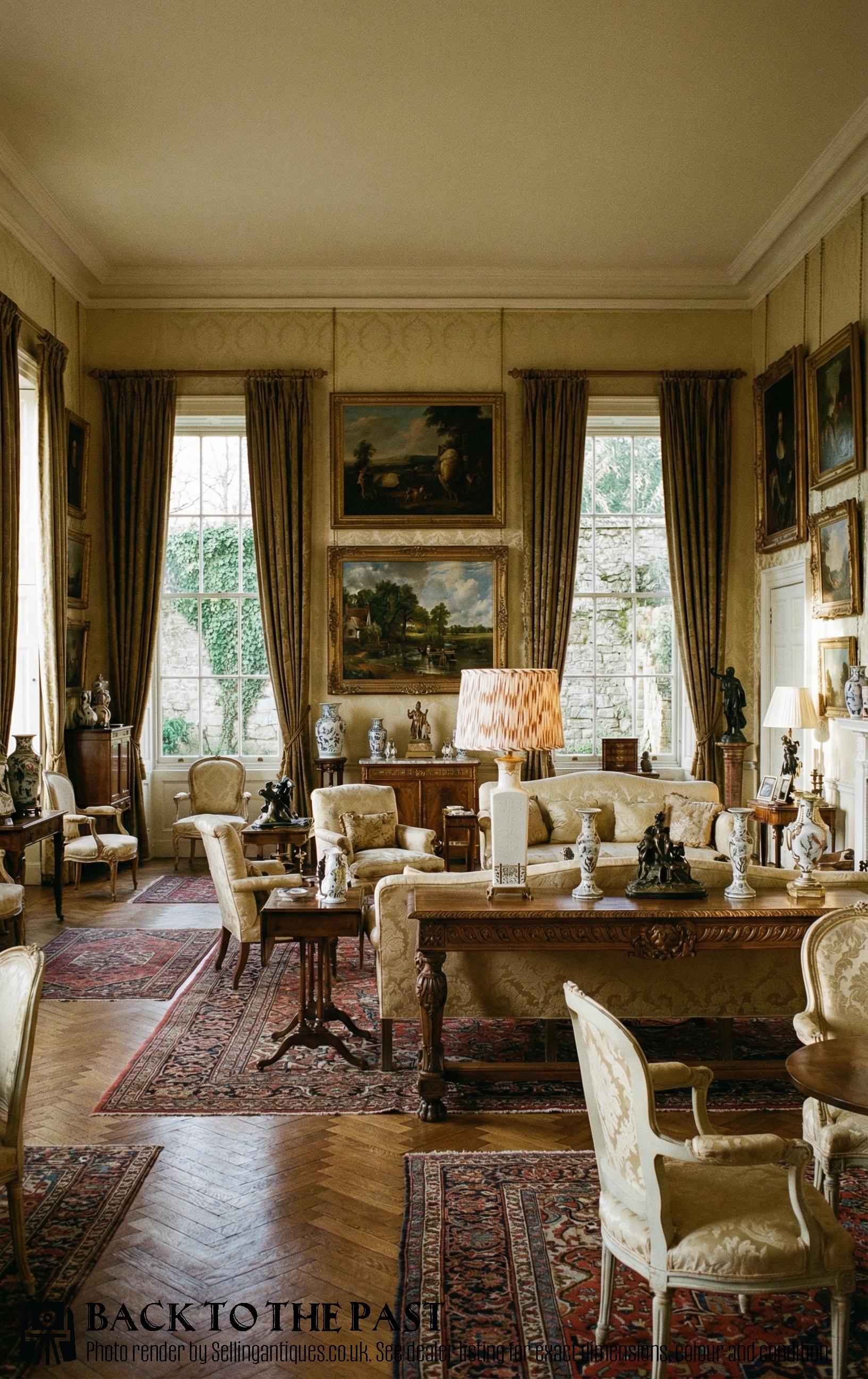
French Accent Table Lighting
When you search for french accent table lighting, you encounter portable illumination designed to sit on a surface rather than hang from a ceiling. These pieces operate as decorative accents that alter the atmosphere of a room through form and material.
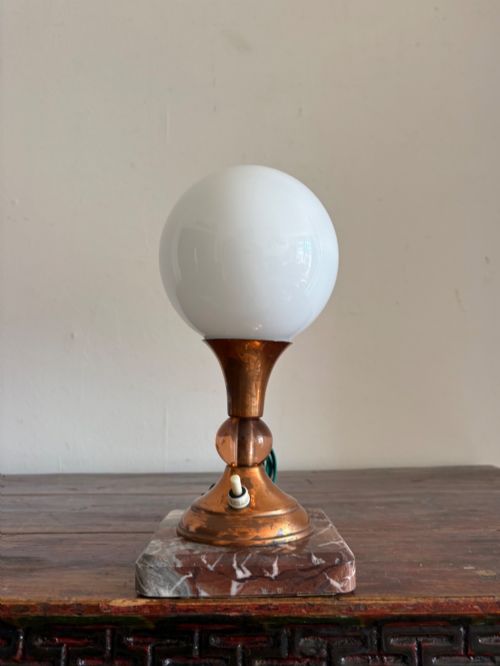
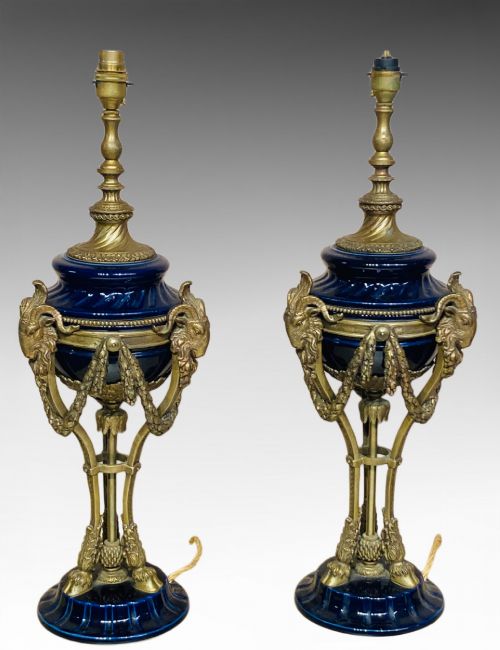
The selection on this page relies heavily on nineteenth-century and early twentieth-century designs. Table lamps dominate the listings, spanning ornate revival styles and streamlined modernist creations.
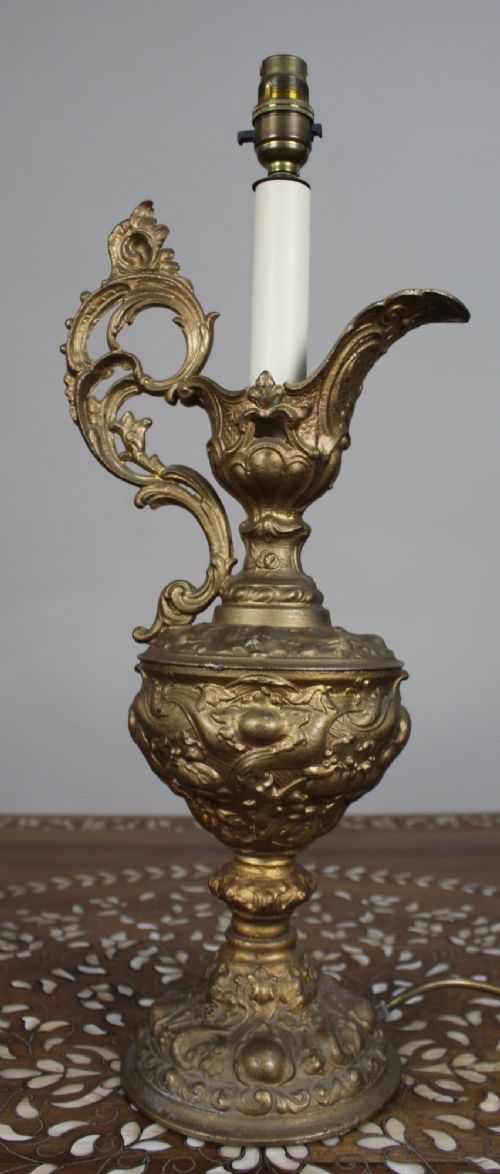
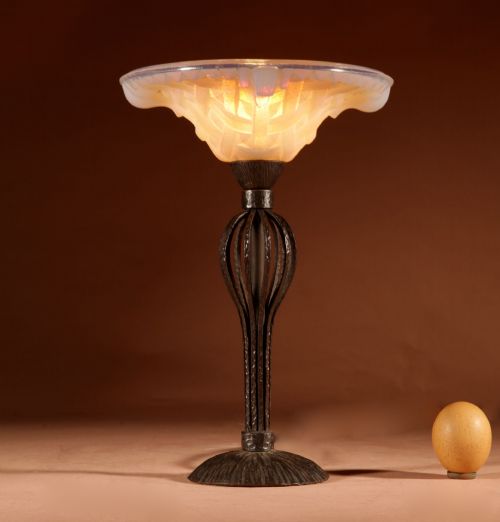
Makers and designers from distinct eras shaped these objects, producing everything from heavy gilt bronze urns to delicate art deco glass shades mounted on wrought iron bases. Alongside lamps, occasional tables appear in small numbers to hold such illumination.
Materials and construction
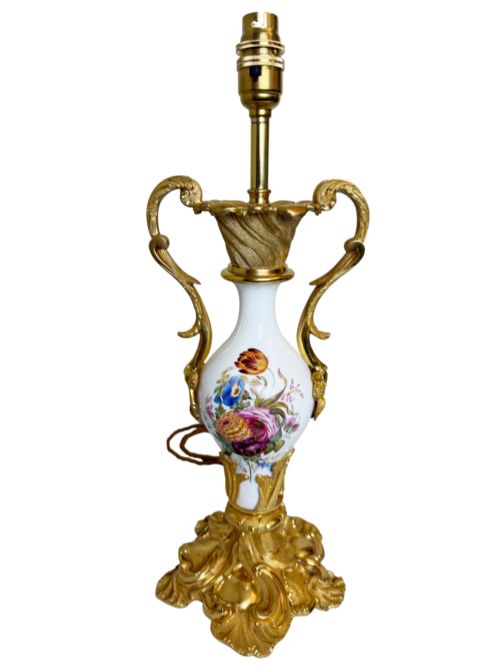
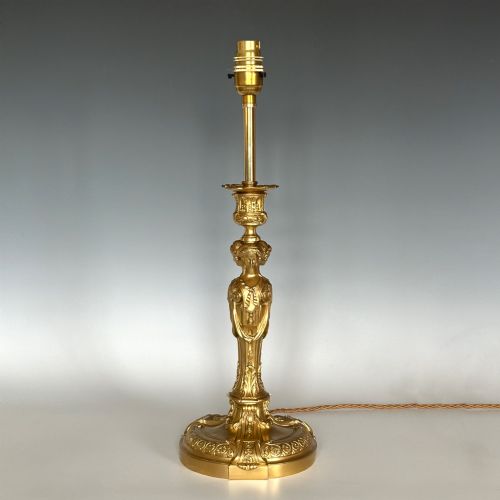
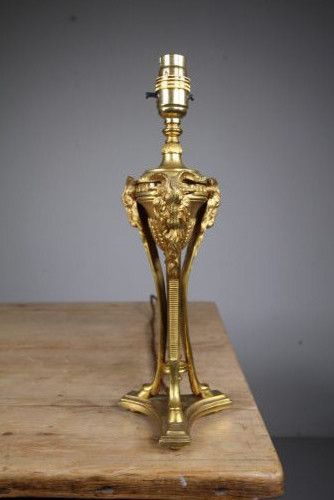
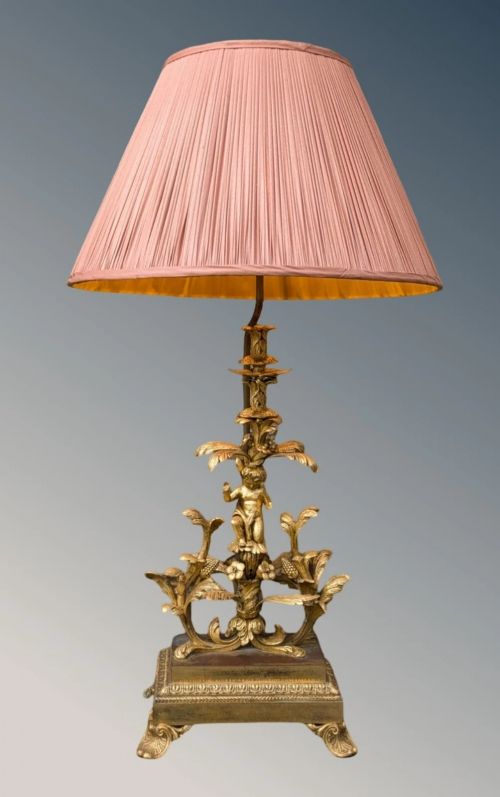
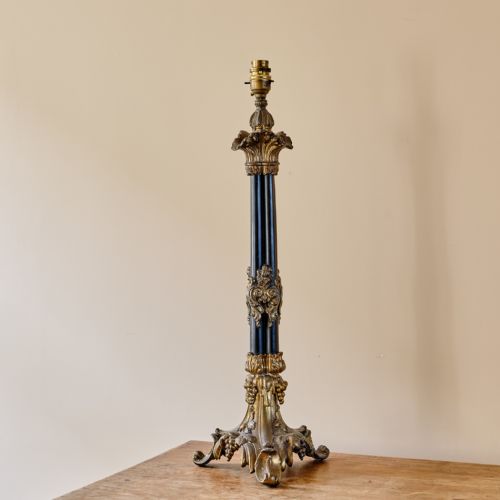
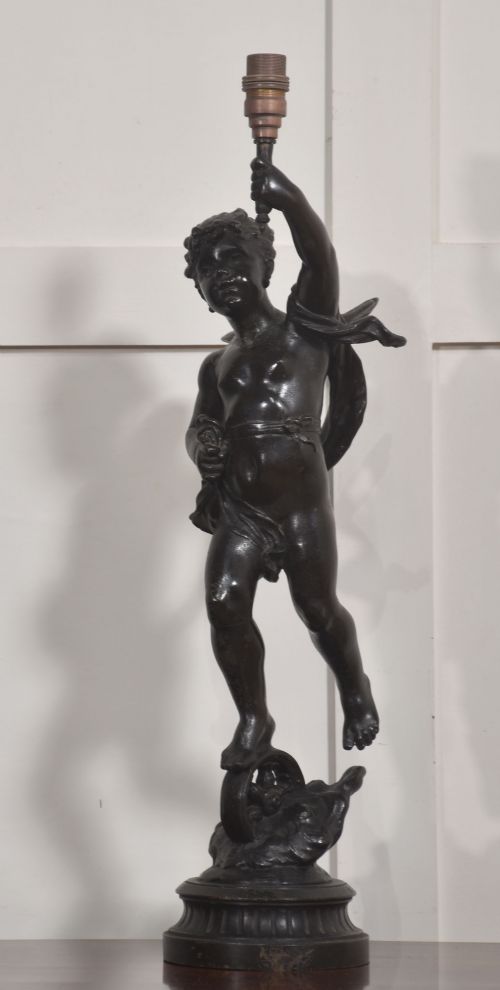
Foundry work and metal casting underpin the heavier examples in the evidence, utilising brass, bronze, ormolu, and spelter. These metals often receive a gilt finish or patination to enhance sculptural detail.
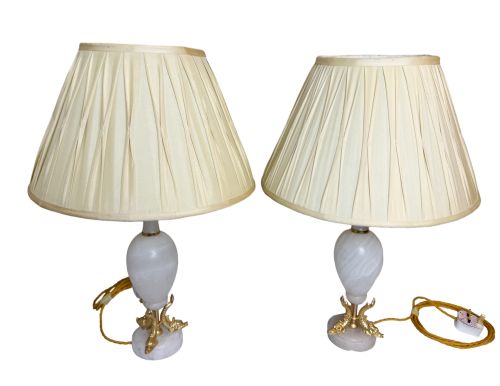
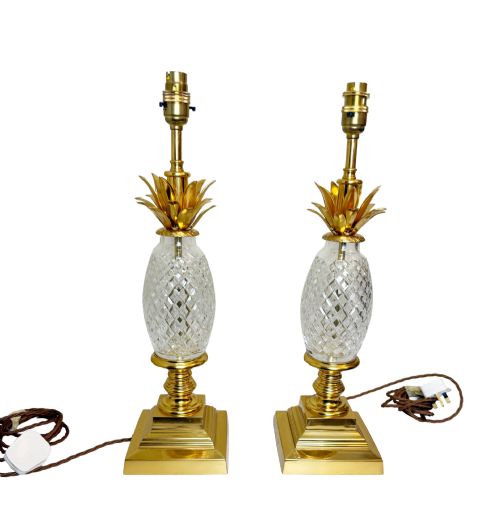
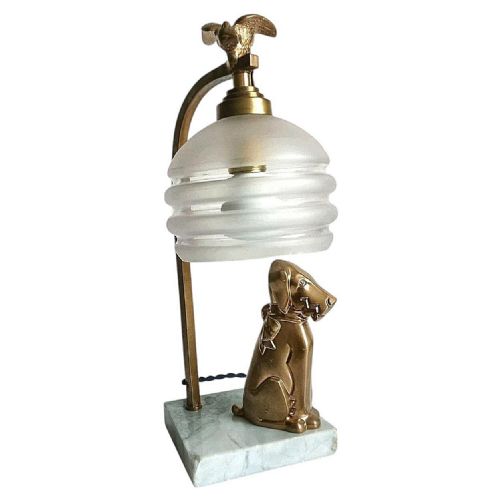
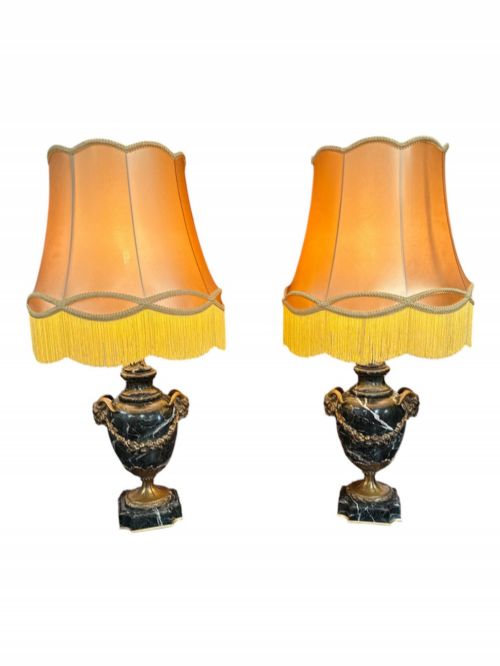
Glass forms an essential component of the lighting, appearing as frosted, opalescent, mottled, or crystal shades. Makers combined these glass elements with marble bases, onyx, or carved stone to provide stability and visual contrast.
Variations in quality
Quality rests in the crispness of the metal chasing and the weight of the castings. Finer items display sharp relief in floral designs, figures, or architectural mounts, whereas lesser examples show softer, shallower definition.
The integration of materials also dictates standard. Superior pieces use genuine carved marble or onyx paired with signed art glass shades, while standard items rely on simpler pressed glass and plain metal bases.
Charles Schneider·Lalique·Daum·Muller Bros·Degue
The French Accent Table Lighting Glossary
- Ormolu
- Gilt bronze produced by applying a mercury and gold amalgam to cast bronze. This technique creates a rich golden surface that resists tarnishing over decades.
- Spelter
- A zinc alloy used as a less costly alternative to bronze for cast figures and bases. It takes patination well but feels lighter and more brittle than genuine bronze.
- Opaline glass
- An opaque or translucent pale glass developed in France. It diffuses light softly and often exhibits delicate pastel tints.
- Gilt bronze
- Bronze that has received a layer of gold leaf or a gold wash. It provides a durable metallic sheen found frequently on revival period bases.
French Accent Table Lighting: Frequently Asked Questions
How do I date a french table lamp?
Dating relies on stylistic markers and material combinations. Pieces with heavy gilt bronze, cherubs, and scrolling foliage typically point to nineteenth-century revival periods.
Simpler geometric lines, wrought iron frames, and acid-etched glass point toward the art deco production of the 1920s and 1930s.
Are these lamps wired for modern use?
Most antique lamps require rewiring to meet current safety standards. Collectors routinely update the internal flex and lamp holders while preserving the exterior metal and glass.
It remains standard practice to have an electrician inspect older wiring before plugging the lamp into a mains supply.
What is the difference between ormolu and gilt metal?
Ormolu specifically denotes mercury-gilded bronze from earlier manufacturing traditions. The process creates a deep, warm golden lustre that ages distinctively.
Gilt metal or gilt brass uses different base metals and modern plating methods, resulting in a brighter or more uniform surface reflection.
How do I clean antique glass shades safely?
Frosted and opalescent glass demands gentle cleaning to avoid damaging surface treatments or etchings. Warm water and mild soap applied with a soft cloth suffice for most dust and grime.
Harsh chemical cleaners and abrasive pads must be avoided, particularly around signed maker signatures on the glass.