

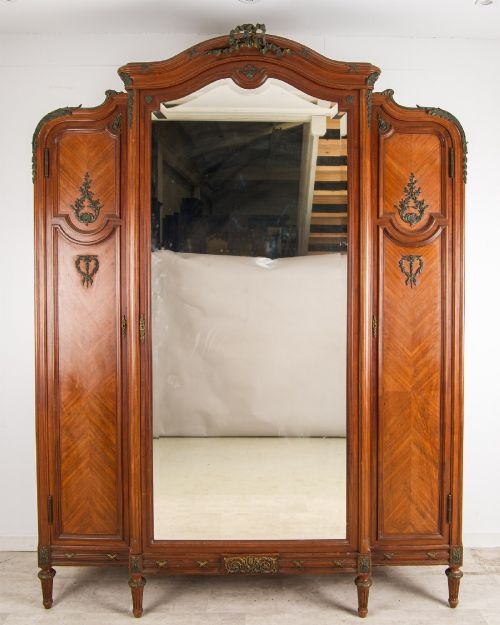


Vintage French Armoire Mirror
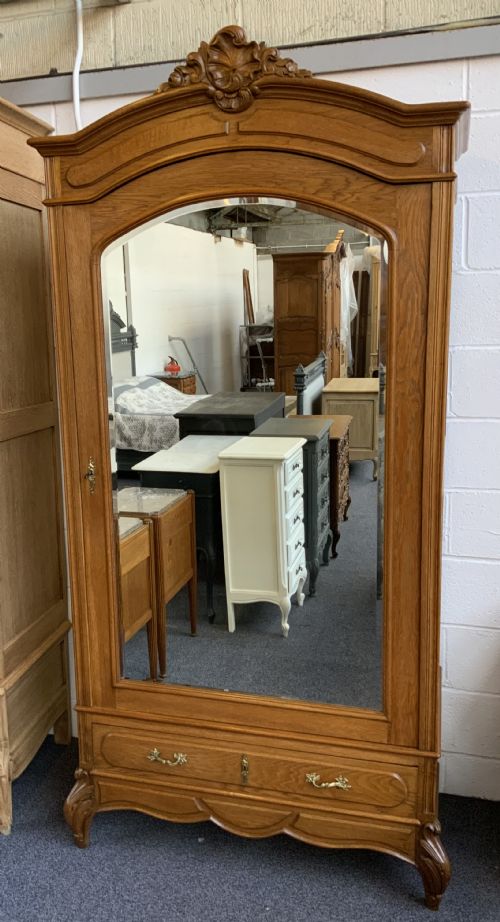
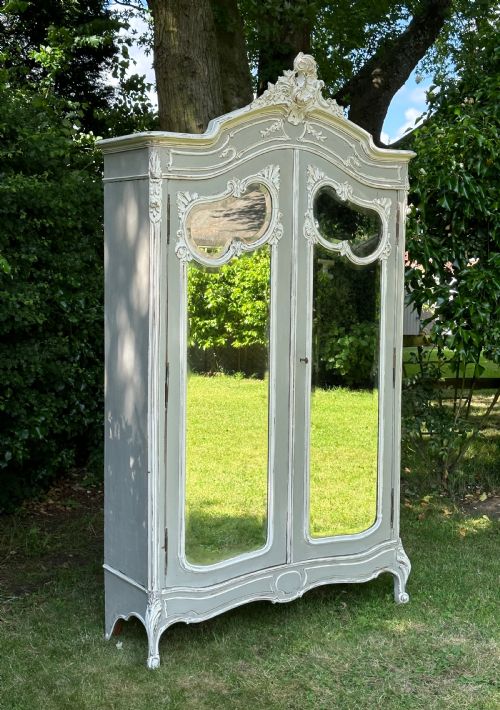
These vintage french armoire mirror pieces are grand storage furniture built to anchor a bedroom with historic presence and mirrored glass.
Vintage French Armoire Mirror
When you search for vintage french armoire mirror, you encounter large wardrobes and bedroom suites designed for substantial storage. The forms span the eighteenth, nineteenth, and early twentieth centuries, reflecting classic continental tastes.
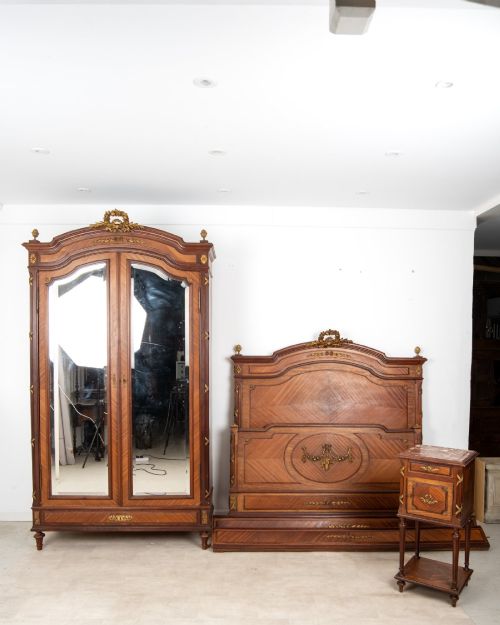
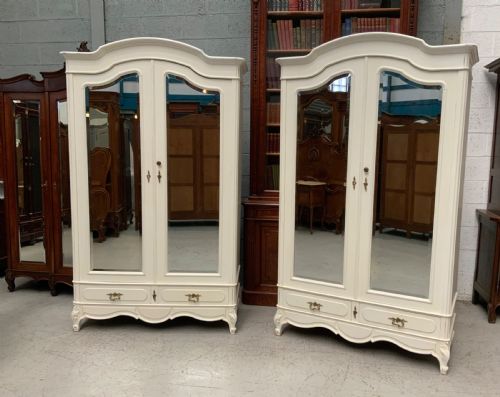
You meet pieces dressed in oak, mahogany, walnut, and rosewood, often paired with full length mirrored doors. Styles range from French Provincial and country simplicity to formal Louis XVI revival and geometric Art Deco.
Configurations vary from single door examples to large triple wardrobes and breakfront designs. Many items incorporate matching beds or detailed wall cabinets to form complete bedroom suites.
How they were made
Cabinet makers utilised dense hardwoods such as oak, mahogany, and walnut as the structural foundation for these large wardrobes. Carpenters shaped panels using traditional joinery and detailed carving techniques across provincial and chateau workshops.
Metalworkers added functional and decorative elements in brass, ormolu, and gilt bronze mounts. Bevelled glass was fitted securely into the heavy doors to provide the characteristic full length mirror function.
Vintage French Armoire Mirror Retail Price Guide 2026
Typical asking prices for vintage french armoire mirror among the pieces listed under this phrase on Sellingantiques today, from the lower quarter to the upper quarter. They describe what is for sale here now, not the wider market.
Listings feature pieces spanning from the eighteenth century through to Art Deco designs of 1920.
What varies in quality
The distinction between standard utility storage and finer cabinet work lies in the depth of hand carving and the selection of timber veneers. Master workshops employed carefully matched grain patterns, parquetry layouts, and substantial cast bronze mounts.
Structural integrity depends on the original timber density and the condition of the heavy mirrored glass doors. Pieces signed by known cabinet makers or exhibiting refined Louis XVI revival detailing command greater attention from collectors.
JEAN FAURE·Mercier
The Vintage French Armoire Mirror Glossary
- Armoire
- A tall wardrobe or cupboard used primarily for hanging garments and storing folded textiles. These pieces often feature one or more large doors fitted with mirrors.
- Ormolu
- Gilded bronze ornamentation applied to the exterior angles, feet, or cornices of fine furniture. This decorative metalwork highlights the classical revival style of the cabinet.
- Parquetry
- Geometric mosaic woodwork formed from closely fitted veneer tiles arranged in patterns. It creates a decorative surface texture across the doors or panels.
- Breakfront
- A cabinet design where the central section projects forward from the flanking outer wings. This architectural arrangement adds depth and shadow to large bedroom storage.
Vintage French Armoire Mirror: Frequently Asked Questions
What is a french armoire mirror?
A large wardrobe originating from France featuring mirrored glass panels set into wooden doors. These tall cabinets combine decorative carving with practical bedroom storage.
They serve as focal points in period bedrooms while offering hanging space and internal shelving.
How do I date an armoire?
Dating relies on identifying the prevailing style, such as Louis XVI revival, Art Deco, or provincial carving traditions. Timber choice and construction methods also indicate the period of manufacture.
Nineteenth century pieces often feature mahogany and gilt bronze mounts, while early twentieth century examples may show bleached oak or geometric parquetry.
Are these wardrobes dismantleable?
Many large continental wardrobes were constructed with knock down joints to allow transport between rooms. Pegs, wedges, and interlocking panels let the heavy sections separate into manageable components.
Checking the internal assembly reveals whether the cornice, base, and sides unbolt for moving.
How do I clean the wood?
Maintain timber surfaces by applying traditional beeswax and buffing gently with a soft cloth. Avoid modern silicone sprays that build up residue on historic polishes.
Clean mirror glass using a mild glass cleaner applied to a cloth rather than sprayed directly onto the frame.