
Vintage Framed Textile Art
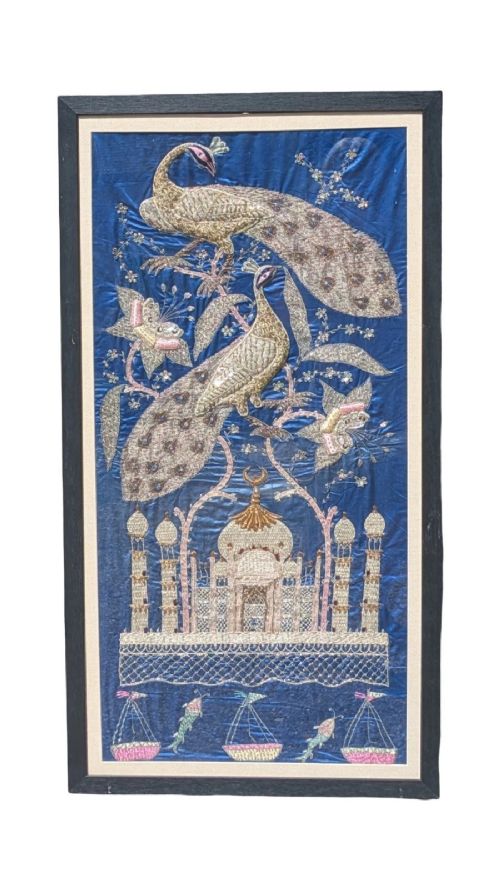
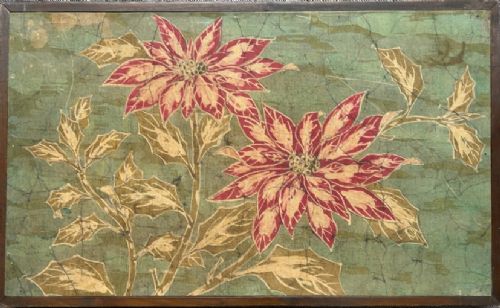
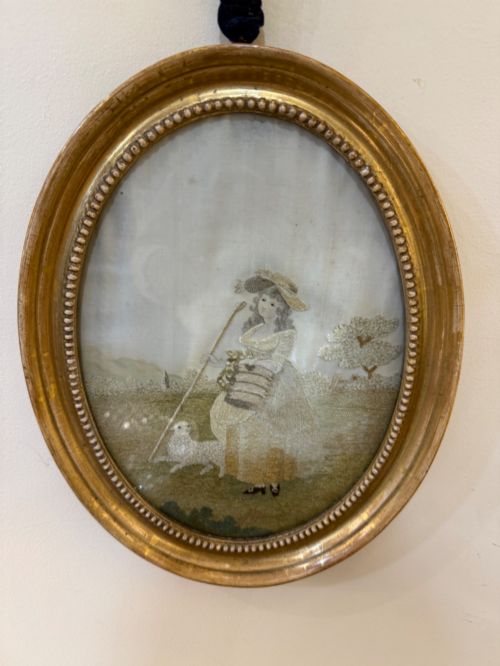
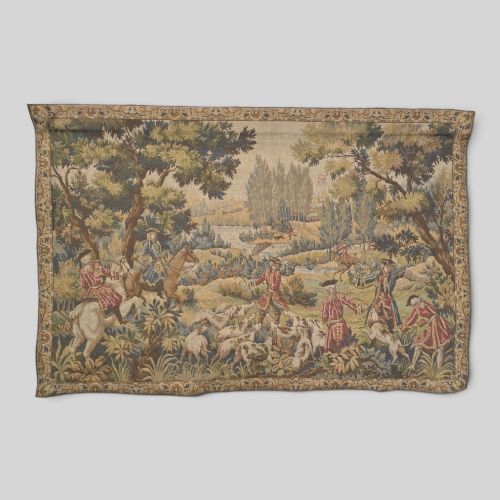
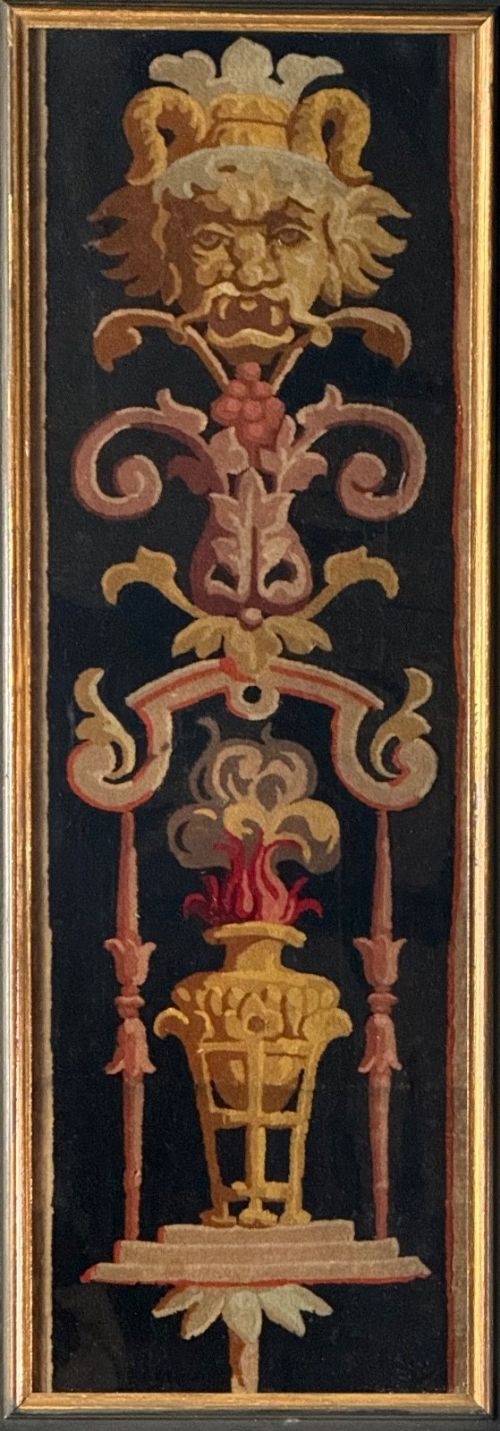
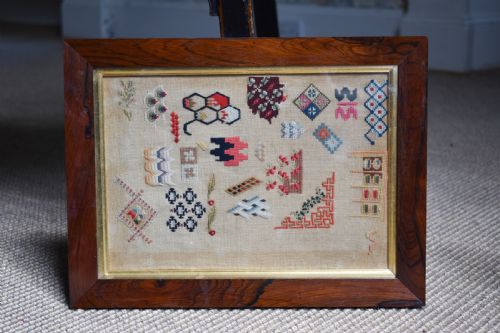
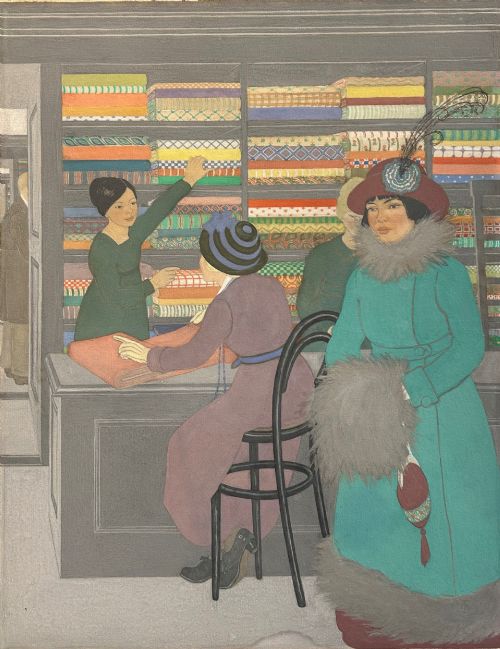
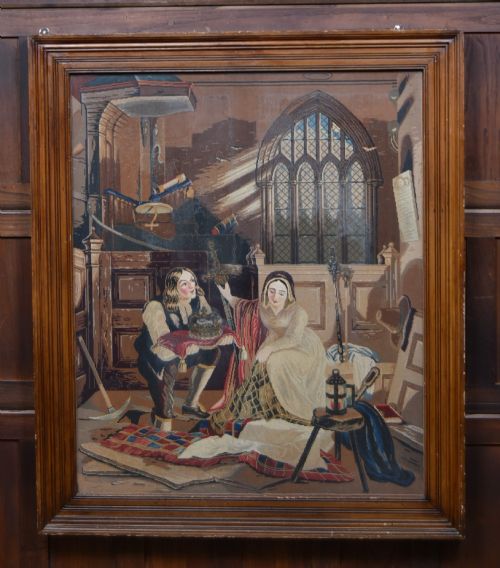
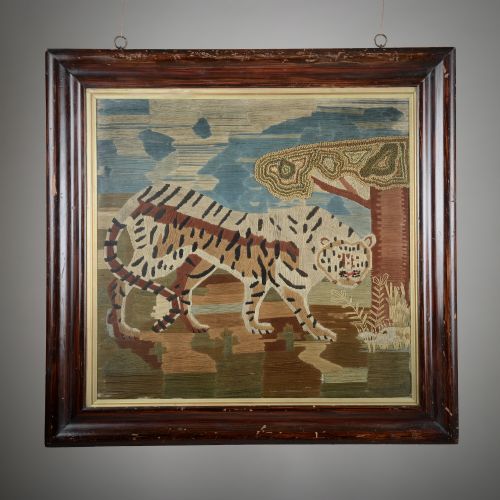
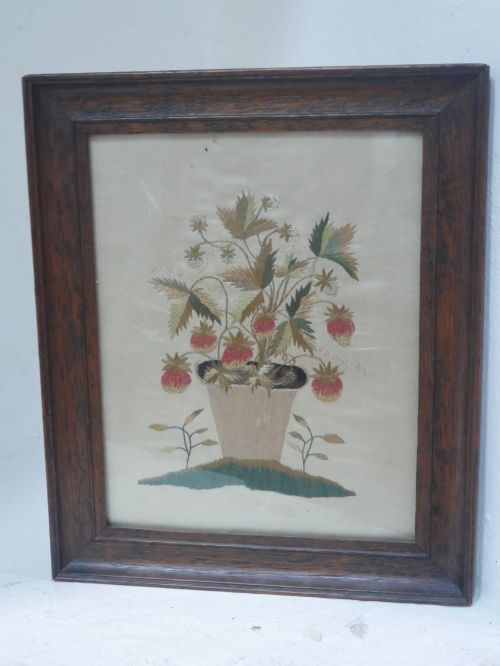
These pieces of vintage framed textile art range from needlework pictures and tapestries to embroidered panels enclosed behind glass.
Vintage Framed Textile Art
Vintage framed textile art brings together centuries of hand-worked fabrics, embroideries, and tapestries mounted behind glass and set within wooden frames.
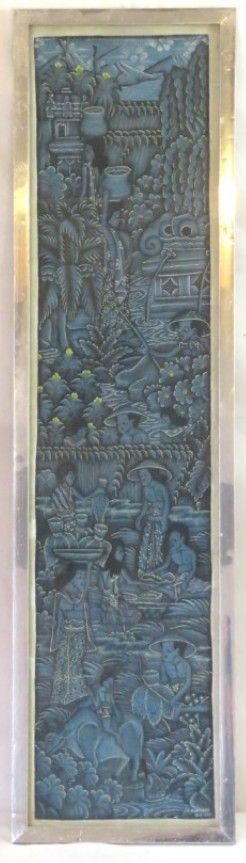
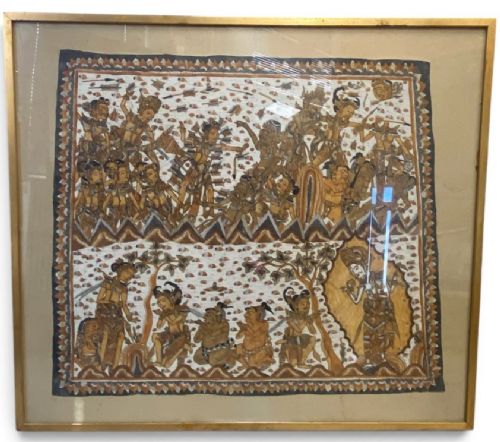
The pieces appearing on this page span the seventeenth through the mid-twentieth centuries, reflecting global traditions from English samplers to Balinese Kamasan textile paintings.
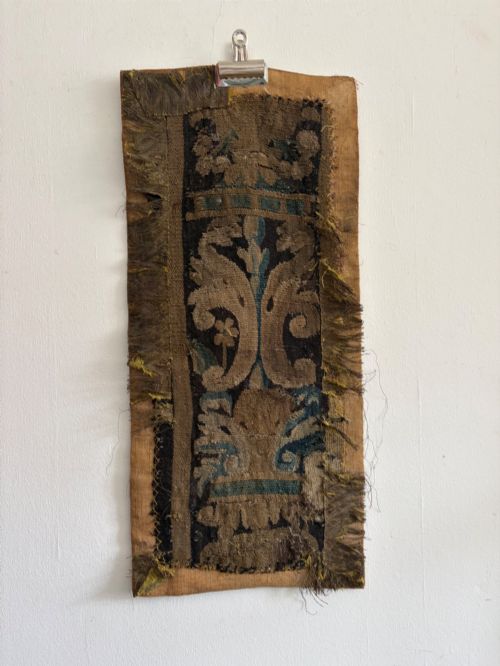
Buyers seeking vintage framed textile art typically encounter needlework samplers, wool-work pictures, verdure tapestry fragments, and embroidered panels designed specifically for wall display.
How they were made
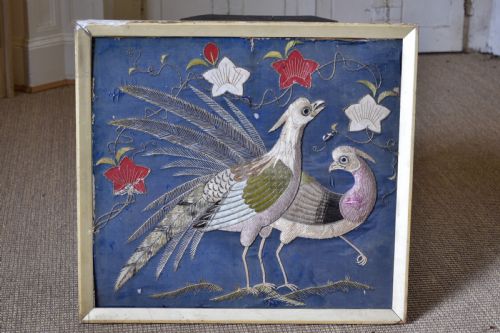
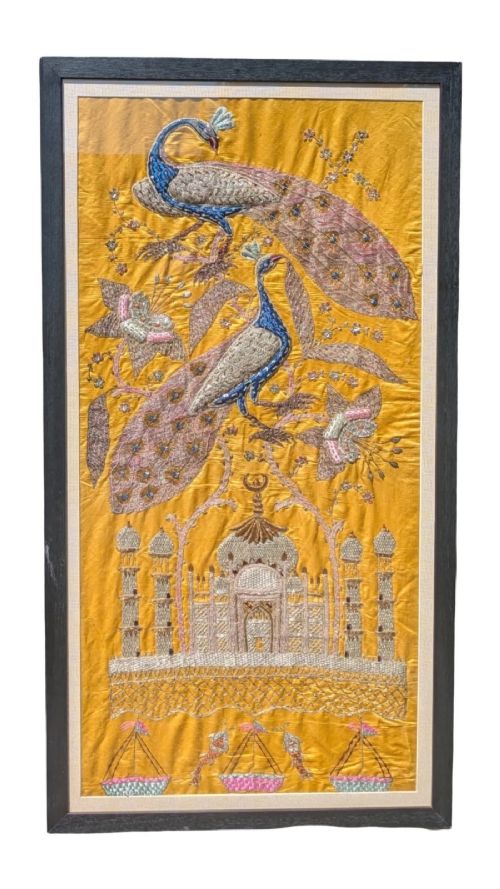
Craftsmen and makers utilised natural substrates including silk, wool, linen, and cotton, frequently working intricate designs using metallic thread and coloured wools.
Many textile fragments and embroideries are mounted carefully to linen backings before being housed in protective wooden frames behind glass panels.
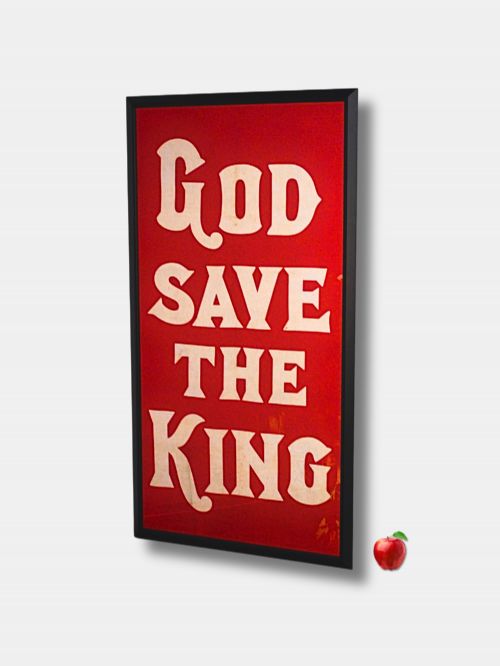
Little Red Riding Hood makes a wool-work appearance alongside Balinese deities, royal coronation flags, and a pot of strawberries.
What varies in quality
Quality rests in the precision of the stitching, the complexity of the pictorial composition, and the integrity of the surviving textile fibres.
Pieces featuring detailed needlework or historic tapestry fragments display greater artistic ambition than simpler printed fabrics or mass-produced panels.
The Vintage Framed Textile Art Glossary
- Sampler
- A piece of needlework produced as a demonstration or test of skill in various stitches, commonly seen in eighteenth and nineteenth-century English examples.
- Tapestry
- A form of textile art woven on a loom, or imitated through needlework techniques such as gros-point, often depicting historical, pastoral, or classical scenes.
- Embroidery
- The craft of decorating fabric or other materials using a needle to apply thread or yarn, frequently incorporating silk and metallic elements.
- Ikat
- A dyeing technique used to pattern textiles employing a resist dyeing method on the yarns prior to dyeing and weaving the fabric.
Vintage Framed Textile Art: Frequently Asked Questions
How do I hang heavy textile art?
Heavy framed tapestries and large embroidered panels require secure wall fixings, typically utilising sturdy picture wire attached directly to the wooden frame.
Ensure the weight is distributed evenly across multiple wall hooks to protect both the frame and the mounted textile inside.
Should textile art be kept out of sunlight?
Direct sunlight causes natural silk, wool, and cotton threads to fade significantly over time, altering the original colours of the piece.
Position these framed works away from south-facing windows to preserve the integrity of the historic dyes and fibres.
What periods do these pieces date from?
The listings encompass items produced across several centuries, beginning with seventeenth-century continental embroidered panels and English band samplers.
Later examples extend through the eighteenth, nineteenth, and twentieth centuries, including Victorian needlework and 1930s decorative fabric panels.