


Vintage Framed Portrait Artwork
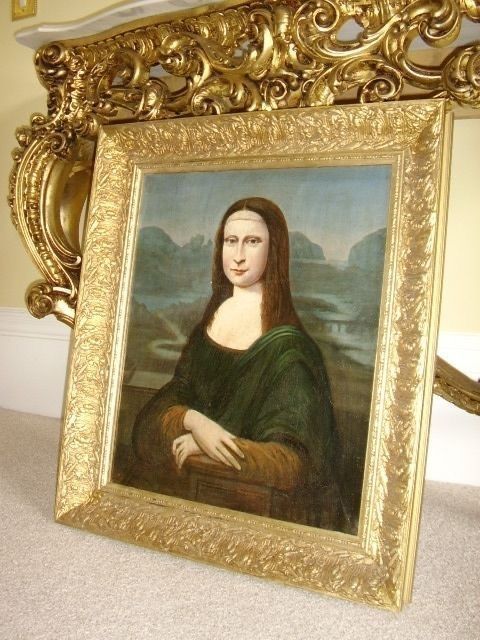
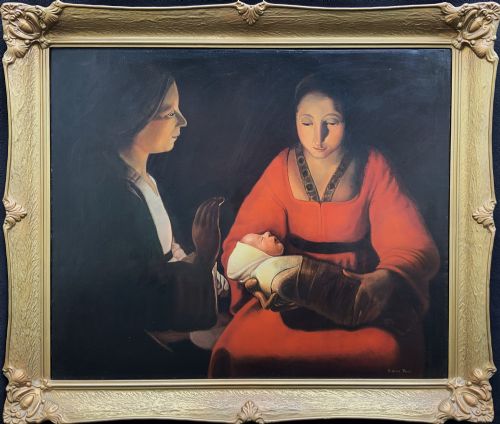
These vintage framed portrait artwork pieces bring centuries of character to a wall, combining fine oil, paper, and ink with period frames.
Vintage Framed Portrait Artwork
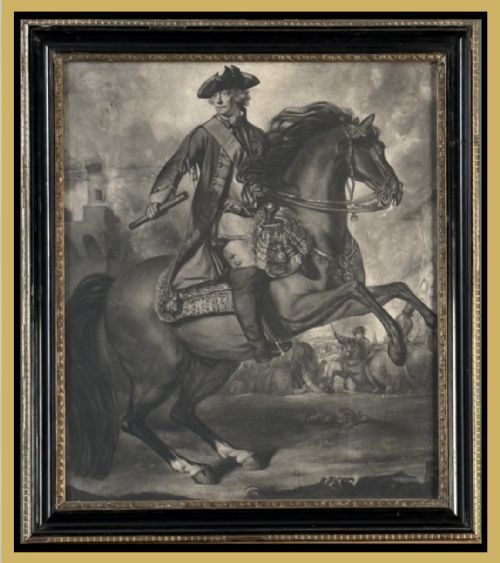
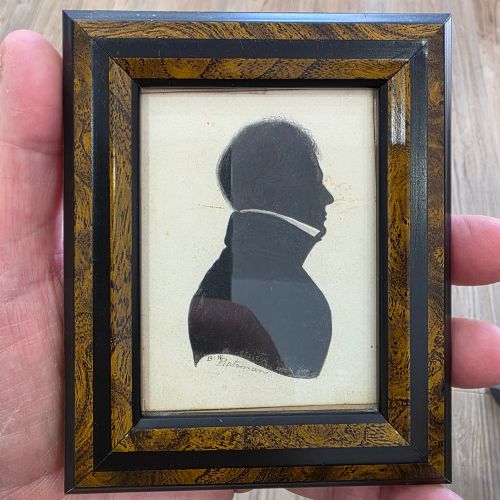
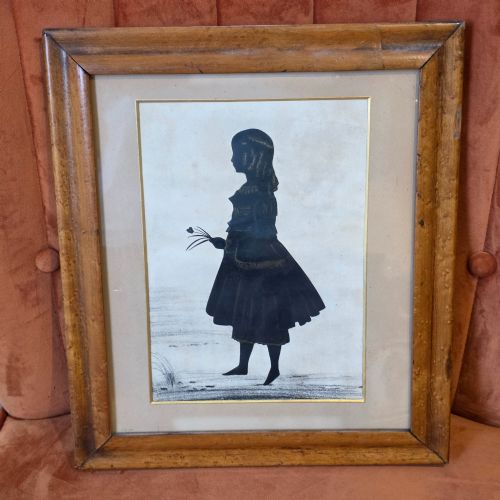
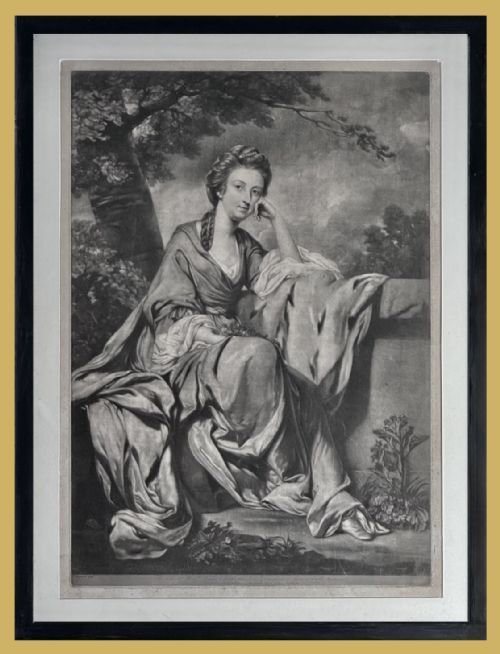
When you search for vintage framed portrait artwork, you encounter everything from 18th-century mezzotints and Georgian silhouettes to 20th-century pastels and oil paintings. The selection spans diverse stylistic traditions, including Baroque, Regency, and Art Deco interpretations of human and animal subjects.
The most common examples on this page are 19th-century works and mid-20th-century pastels or oils on canvas. These pieces typically feature wooden and gilt frames housing paper, canvas, or card media.
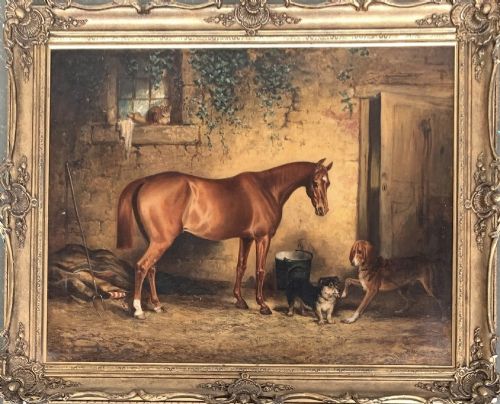
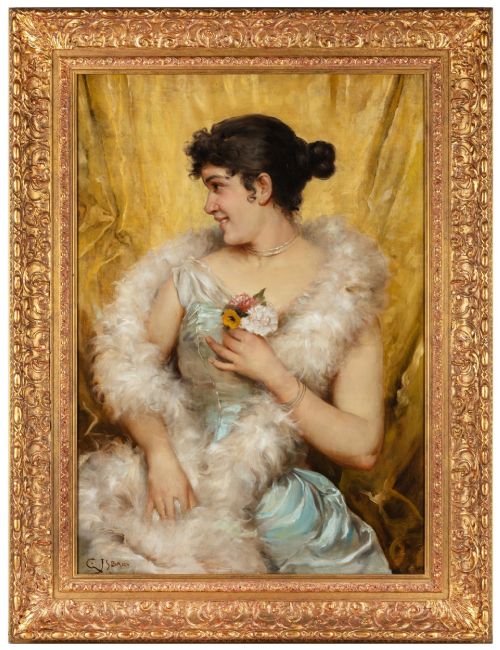
Subjects range from traditional aristocratic figures and children to domestic animals, sporting dogs, and botanical or narrative scenes rendered in ink, watercolour, and oil.
Materials and execution
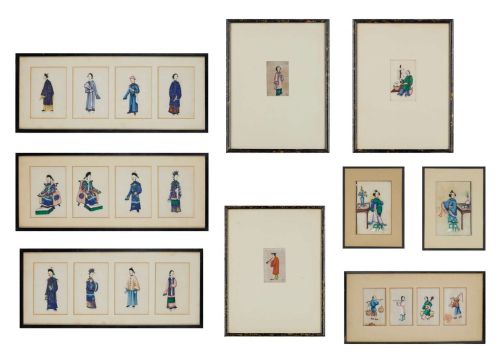
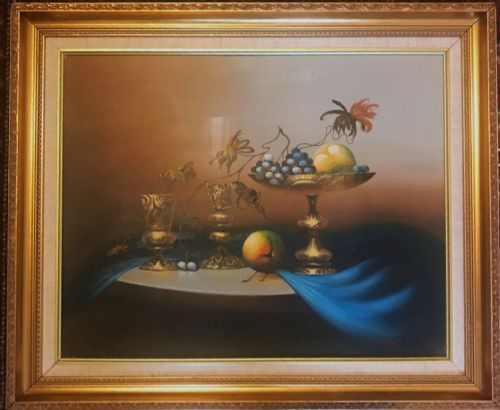
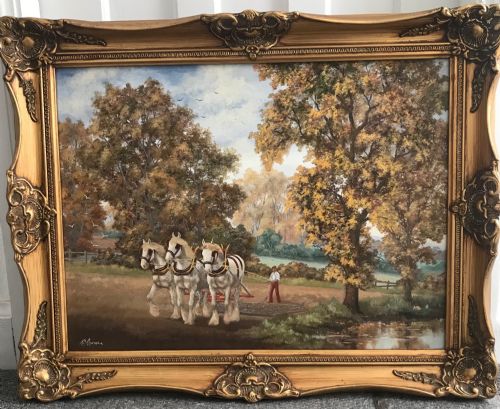
Many works rely on oil on canvas or linen, applied with brushes to build up form and light, whilst others utilise pastel, gouache, and pencil on paper or buff card.
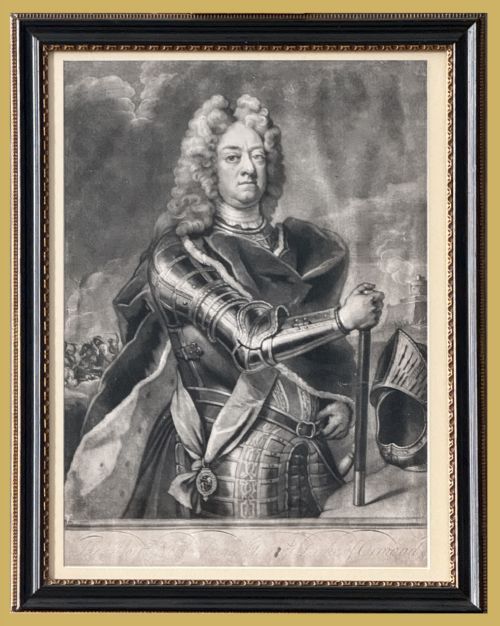
Printmakers of the 18th century employed mezzotint and stipple engraving techniques on paper, often working after paintings by prominent artists of the era.
Frames incorporate moulded wood, sometimes enhanced with gold leaf, gilt, or swept ornamentation to enclose and protect the delicate surface within.
Several portraits quietly record the steady gaze of prized racing pigeons and stout shorthand bulls alongside human nobility.
Evaluating quality and condition
Quality rests in the precision of the draughtsmanship and the expressiveness of the subject, whether capturing the fine details of a human countenance or the muscular form of an animal.
The integration of the artwork with its original or period frame heavily influences the overall coherence and desirability of the piece.
Condition varies according to the stability of the support material, with well-preserved paper, clean canvas, and intact glass or gilt settings representing the upper tier.
John Simon·Michael Dahl·Edward Fisher·Sir Joshua Reynolds·John Smith·James Watson·Emily Eyres·John Hassall·Kurt Meyer Eberhardt
The Vintage Framed Portrait Artwork Glossary
- Mezzotint
- A printmaking process of the intaglio family where the plate is roughened to produce dark tones and scraped to create light areas. This technique allowed for subtle gradations of light and shade in portraiture.
- Silhouette
- A portrait represented as a solid shape of a single colour, usually black, showing the profileted outline. These were popular in the Georgian and Regency periods, often cut from paper or painted.
- Pastel
- A dry painting medium in the form of a stick, consisting of powdered pigment and a binder. It produces velvety colours that require framing under glass for protection.
- Stipple engraving
- A method of dotting the printing plate to produce soft tonal effects rather than continuous lines. It was frequently used for reproducing delicate portraits in the 18th century.
- Gilt
- Covered thinly with gold leaf or gold paint. This finish enhances the decorative appeal of period picture frames.
Vintage Framed Portrait Artwork: Frequently Asked Questions
How should I hang vintage framed portrait artwork?
Hang these pieces at eye level on walls away from direct sunlight to protect delicate paper, pastels, and oil pigments from fading. Ensure the wall fixings match the weight of the wooden and glass frames.
Pair complementary frames or group diverse subjects together to create a traditional gallery wall effect that suits domestic interiors.
What is a mezzotint portrait?
A mezzotint is an 18th-century print created by roughening a metal plate to hold ink, then scraping areas to produce smooth gradients of light and shadow. Master printmakers often reproduced famous oil paintings using this method.
These prints offer deep, velvety tones that distinguish them from standard line engravings of the same period.
How do I care for antique pastels?
Antique pastels require glass protection because the dry pigment powder sits loosely on the paper surface and can easily smudge or flake off. Keep them in stable room environments with minimal humidity.
Avoid tapping or shaking the frame, as vibrations can cause microscopic pigment particles to detach from the paper support.
Are these portraits original or reproductions?
The listings include original hand-painted oils, watercolours, and pastels alongside period print editions produced in the 18th and 19th centuries. Each listing details the specific medium used to create the artwork.
Examining the surface texture through glass often reveals the hand of the artist or the characteristic plate mark of a vintage print.