

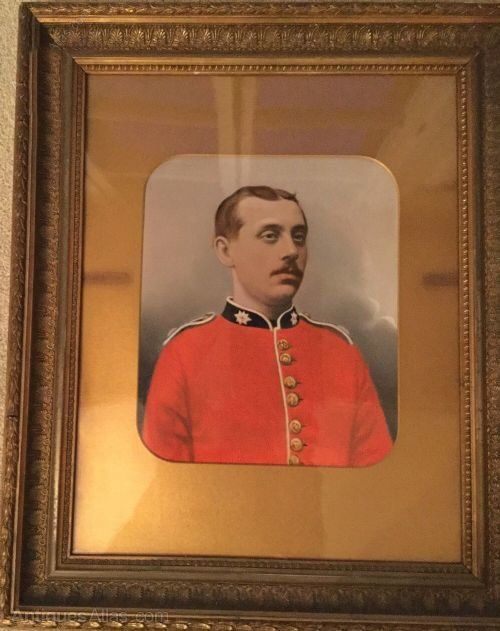


Vintage Framed Military Art
Vintage framed military art captures centuries of campaign history, regimental portraiture and naval heritage through period watercolours, oils and engravings.
Vintage Framed Military Art
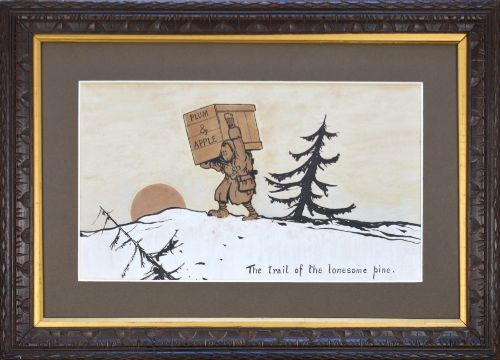
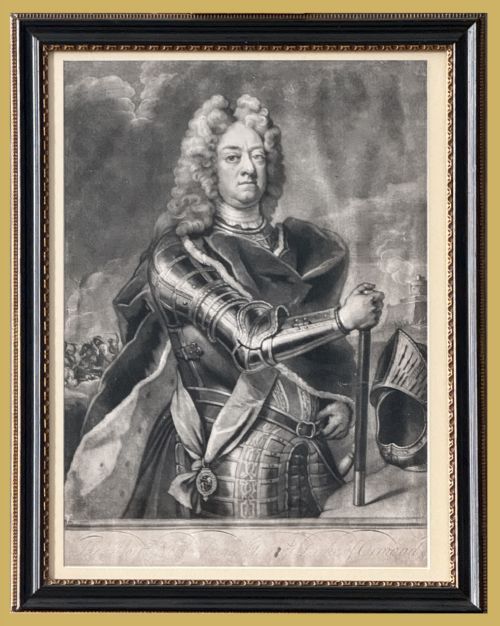
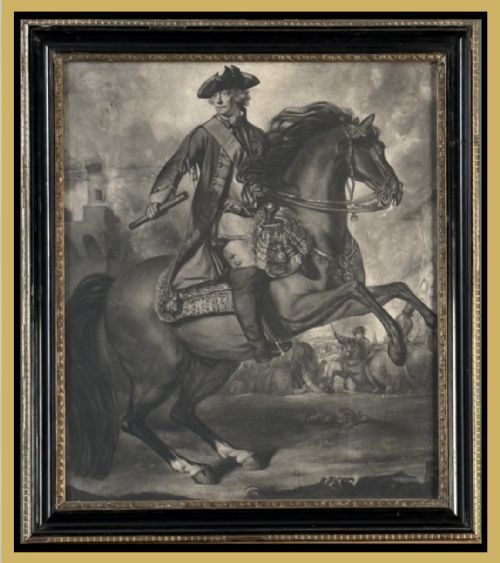
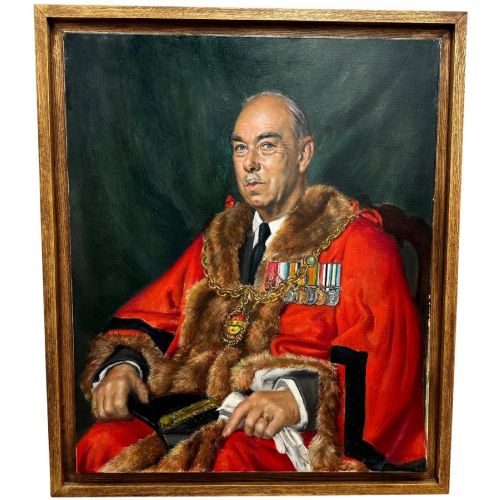
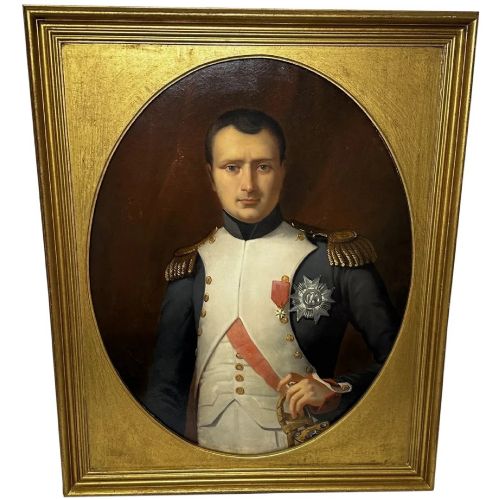
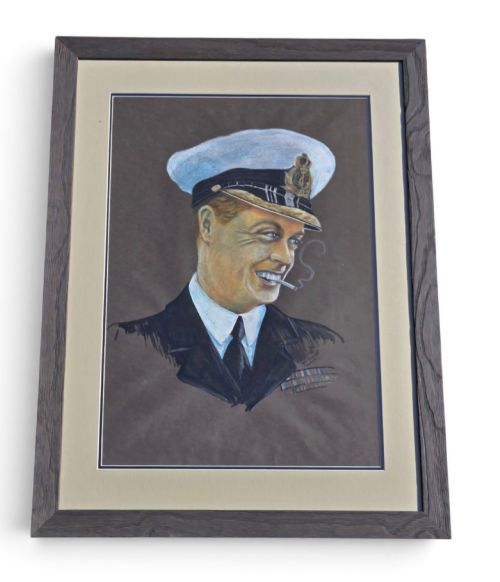
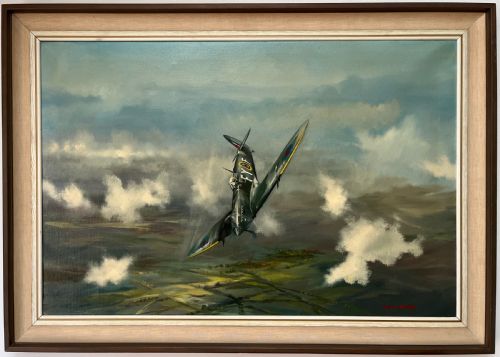
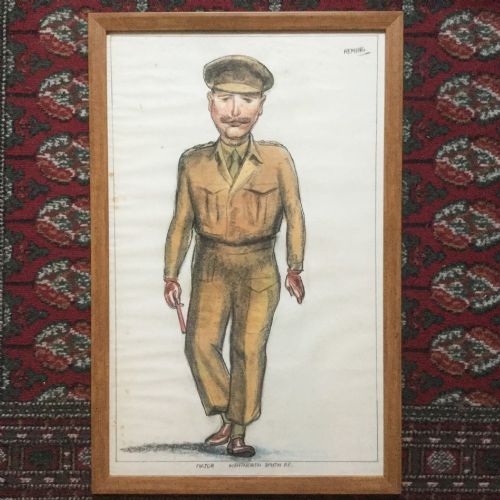
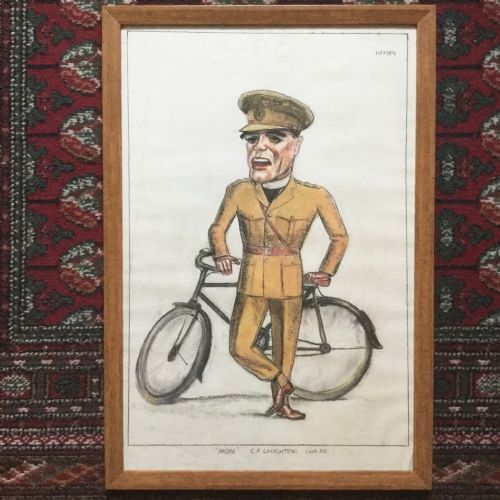
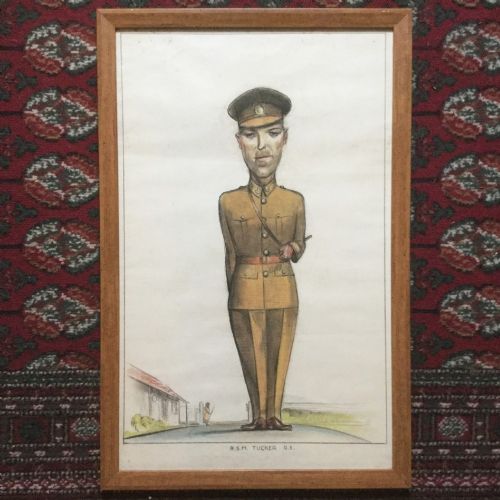
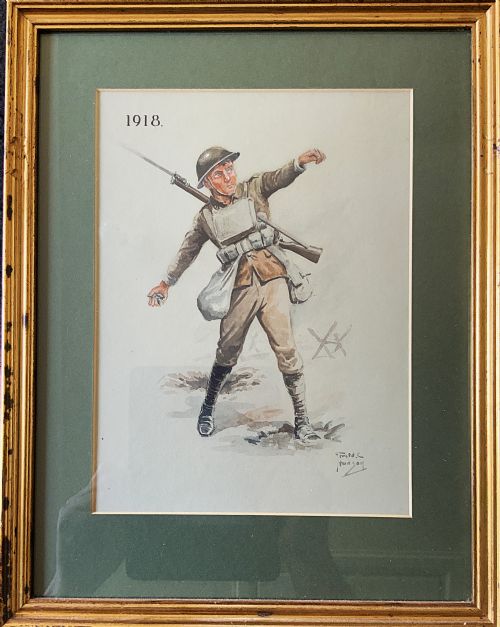
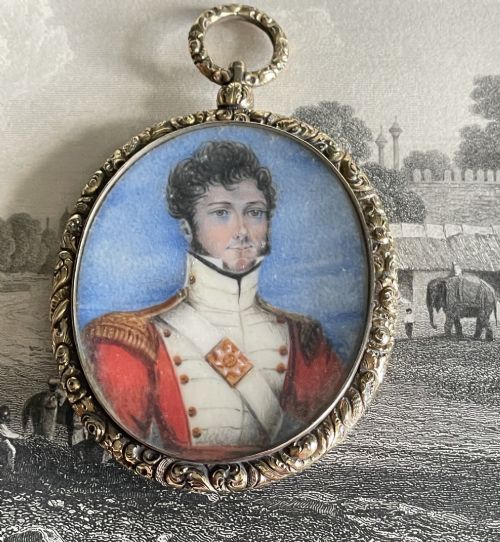
Vintage framed military art encompasses a diverse array of historical visual records, ranging from eighteenth-century mezzotint portraits of generals to mid-century aviation sketches and wartime charcoal drawings. These pieces typically document specific regiments, campaigns, naval vessels and notable commanders through mediums such as watercolour, pastel and oil on canvas.
The selection on this page leans heavily toward original portraiture of officers and enlisted personnel, alongside operational depictions of aircraft and ironclad battleships. Spanning the eighteenth, nineteenth and mid-twentieth centuries, these artworks frequently incorporate period wooden frames and glass protection that preserve the integrity of fragile paper and canvas items.
Materials and methods of construction
Artisans and artists employed traditional supports such as laid paper, stretched canvas, card and porcelain wall plaques to execute these works. Pigments range from fluid watercolours and gouache washes to thick oil paints and graphic applications of ink, charcoal and wood engraving.
Framing forms an integral component of the construction, utilising native timbers like oak alongside gilt mouldings to house the artwork. Glazing protects vulnerable works on paper from atmospheric damage, while backing boards frequently retain historical inscriptions, stamps and framer labels.
Materials utilised across the selection include watercolour, gouache, oil on canvas, wood engraving and porcelain.
Distinctions in craftsmanship and historical value
Quality in these works is determined by the precision of the draughtsmanship, the immediacy of the subject's depiction and the historical significance of the sitter or event recorded. Direct observation by named artists yields greater artistic merit than standardised mass-produced prints or commemorative ephemera.
The condition and originality of the framing material significantly influence the overall standard of a piece. Retaining contemporary wooden frames and original glass preserves the historical context, whereas later reframing can diminish the integrity of the object.
Bruce Bairnsfather·John Simon·Michael Dahl·Edward Fisher·Sir Joshua Reynolds·John Smith·J Sommer·Herskind·Dion Pears·Baruch Shalom Oskotsky·G Hindle·Edith Alice Simkins·John A Houston·Jean Sobieski·Donald Clifford Tyndall Bennett
The Vintage Framed Military Art Glossary
- Mezzotint
- A printmaking process of the tonal method, enabling the creation of subtle gradations of light and shade. This technique was frequently utilised during the eighteenth century for reproducing formal oil portraits of military figures.
- Trench art
- Decorative or utilitarian objects produced by soldiers, prisoners of war or civilians from war zone waste materials. In the context of paper works, this includes field sketches executed directly upon active deployment.
- Gouache
- An opaque water-based pigment containing a white filler, producing a heavier, more solid surface than transparent watercolour. It appears commonly in mid-century operational and naval illustrations on this page.
- Wood engraving
- A relief printing technique where an artist carves an image into the end-grain of a dense hardwood block. This method allowed for exceptionally fine, durable lines suitable for mass reproduction in nineteenth-century publications.
Vintage Framed Military Art: Frequently Asked Questions
How do I identify the era of a military portrait?
Dating relies primarily on the uniform details, facial hair styles and headwear depicted on the sitter. Regimental buttons, lapel cuts and insignia changed rapidly across the eighteenth, nineteenth and twentieth centuries.
Secondary clues include the framing materials, the type of paper or canvas support, and any handwritten inscriptions left on the reverse of the backing board.
Are these artworks contemporary copies or period originals?
The inventory on this page consists of period originals, ranging from eighteenth-century hand-pulled mezzotints to unique mid-twentieth-century pastel sketches and oil paintings. Each piece originates from the historical timeframe of its subject matter.
Examining the medium under magnification reveals the authentic plate marks of engravings or the genuine brushwork and pigment texture of paintings.
How should I care for framed works on paper?
Works executed on paper, such as watercolours, charcoal drawings and wood engravings, require protection from direct sunlight and high humidity to prevent fading and foxing. Maintaining stable indoor temperatures prevents the paper stock from buckling within the frame.
Avoid hanging these pieces in damp environments like kitchens or unheated spaces, and ensure the glazing does not press directly against the surface of the artwork.
What is the significance of named subjects in military art?
Portraits depicting identified officers, monarchs or engineers carry documentary weight that elevates them beyond anonymous genre scenes. Researching the named individual often uncovers specific campaign histories, battalion movements or awards.
This historical context transforms a simple decorative picture into a primary archival record of military service.