

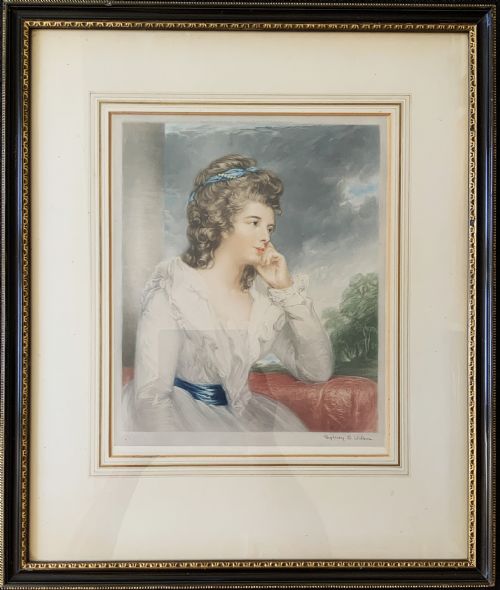
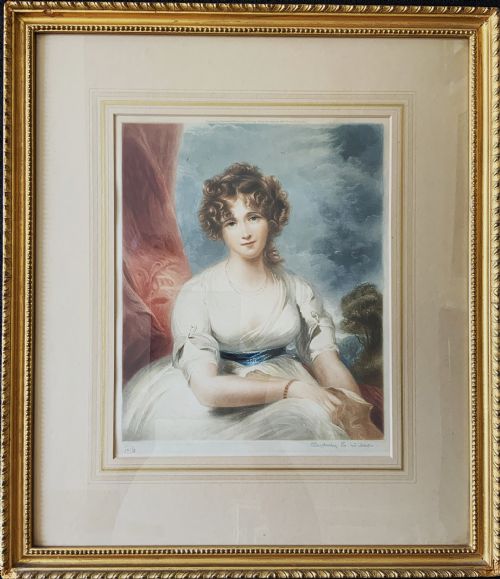

Vintage Framed Mezzotint
A vintage framed mezzotint brings centuries of tonal portraiture and fine printmaking straight to the wall.
Vintage Framed Mezzotint
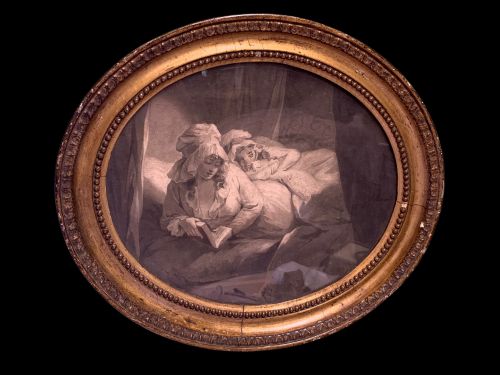
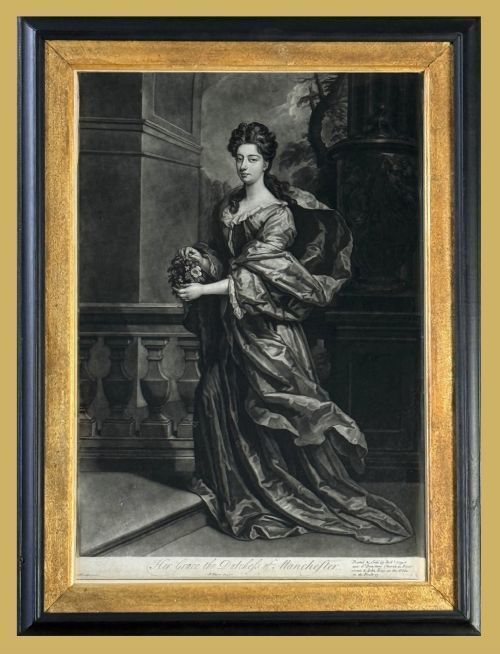
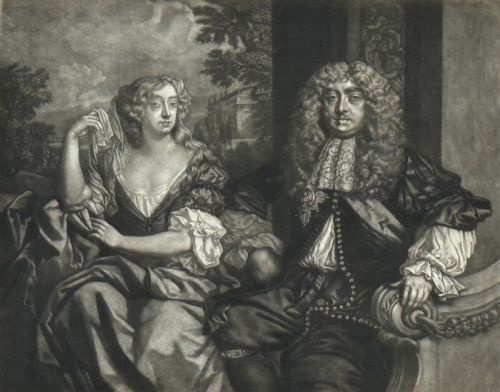
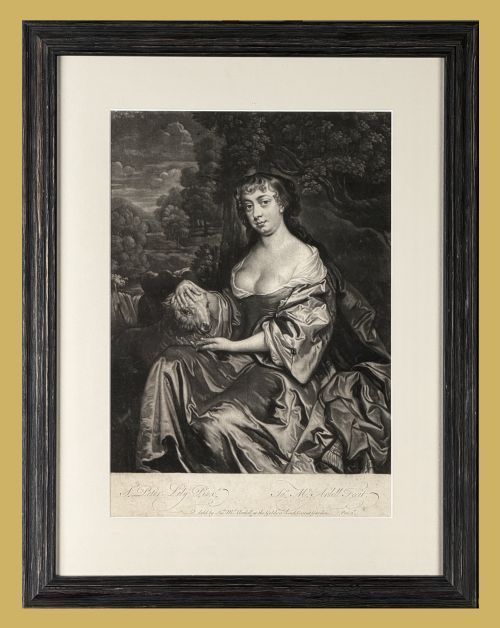
A vintage framed mezzotint is an intaglio print produced by roughening a metal plate to hold ink, creating rich dark tones and subtle tonal graduations. Buyers searching this phrase typically encounter historical portraits and domestic scenes originating from the seventeenth, eighteenth, and nineteenth centuries.
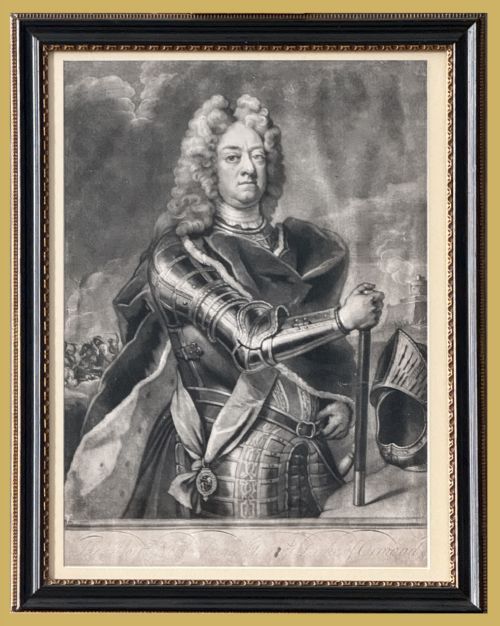
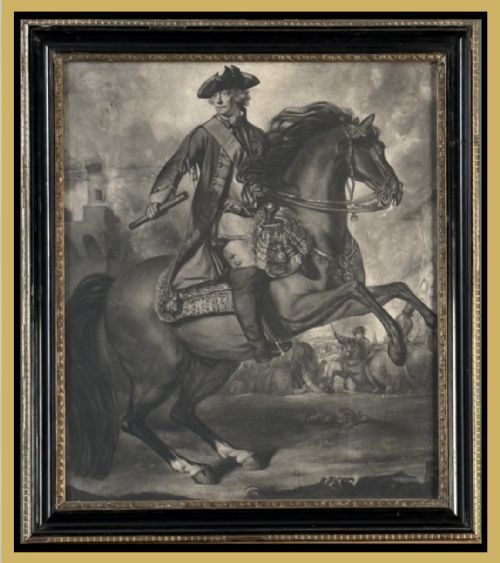
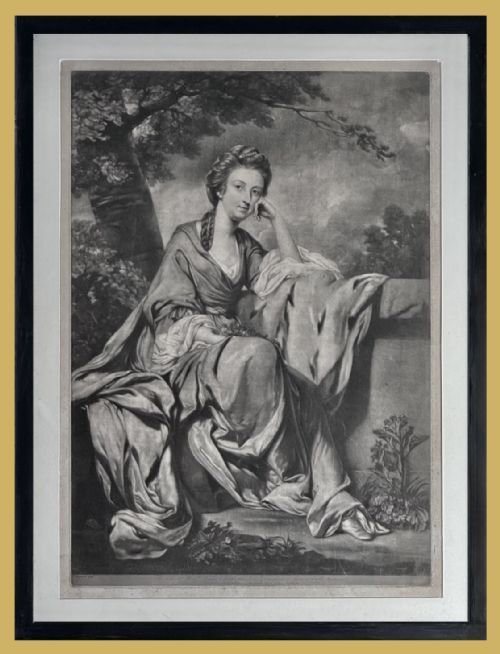
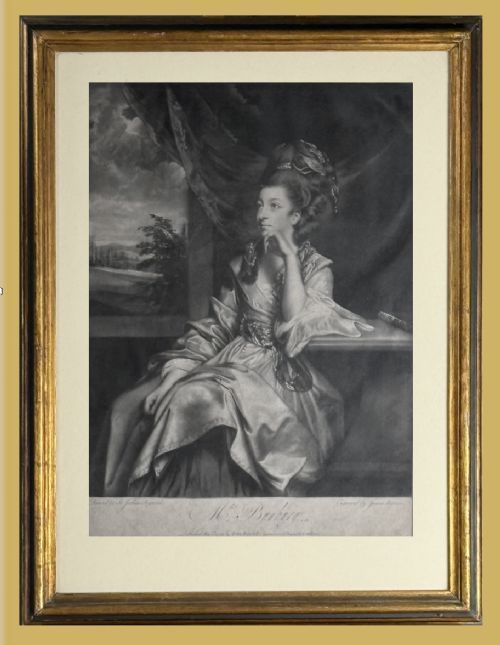
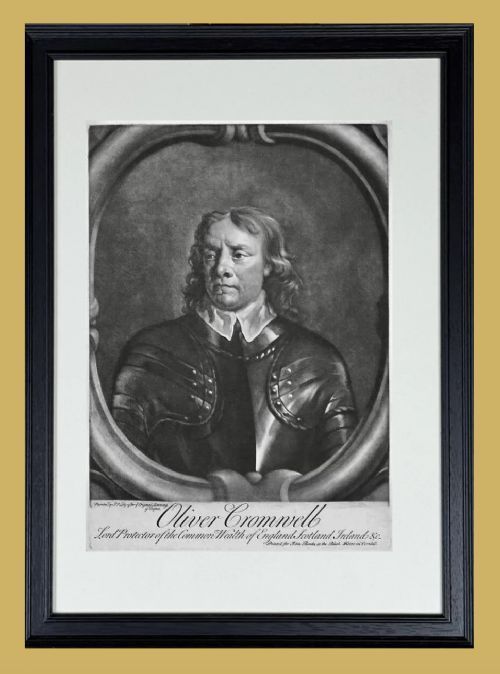
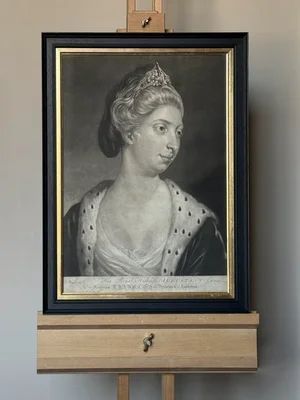
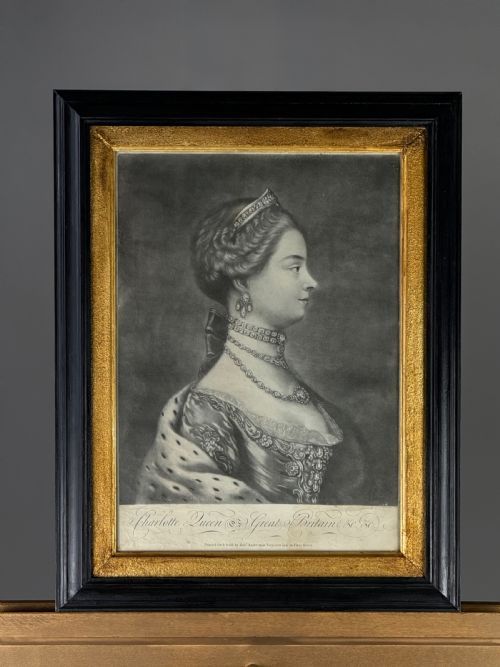
The selections span periods from the seventeenth century through the Georgian and Regency eras into Edwardian revivals. Most examples depict notable historical figures, military officers, and aristocratic ladies after painters such as Sir Joshua Reynolds and Sir Peter Lely.
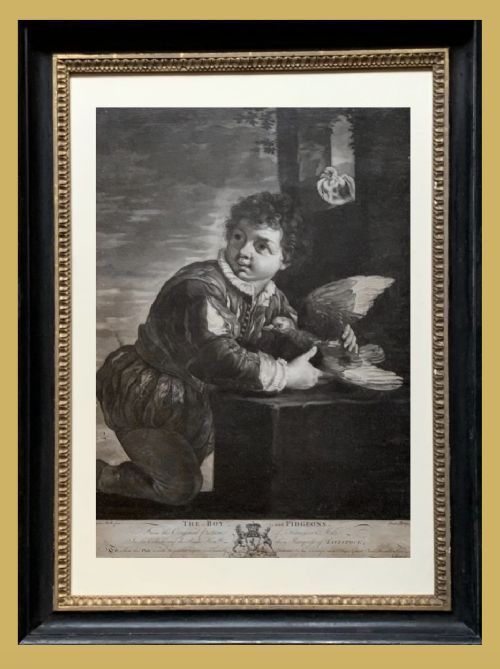
Framed presentation forms a crucial part of these pieces, with many surviving in period wooden or giltwood surrounds. Wall art formats range from single imposing portraits to sets representing seasonal themes or domestic employment.
Materials and technique
Printmakers prepared copper plates using a rocking tool to create a burred surface that printed solid black, then scraped and burnished areas back to produce highlights and intermediate tones. Ink was applied to the plate, wiped from smooth surfaces, and transferred under pressure to paper.
Finished prints were secured beneath glass within timber mouldings, frequently incorporating gold leaf or gilt wood finishes. Certain variations applied hand-colouring directly to the printed surface or utilised reverse printing techniques on glass.
Materials documented across the inventory include paper, glass, wood, ink, gold leaf, and giltwood.
Assessing quality
Quality rests upon the crispness of the impression and the depth of the velvety tones achieved during printing, which diminishes as plates wear down over repeated use. Early impressions display intricate tonal transitions in fabric and hair that later printings lose.
The integrity of the surrounding frame also influences the overall standard, particularly where original eighteenth or nineteenth century giltwood and glass are preserved intact. Signed artist proofs by later printmakers represent a distinct tier of craftsmanship within the tradition.
John Simon·Edward Fisher·John Boydell·John Smith·James Watson·John Bowles·Robert Williams·James Macardell·John Faber Jr·Sydney Wilson·Thomas G Appleton·Edward Stodart·F Petitjean
The Vintage Framed Mezzotint Glossary
- Mezzotint
- An intaglio printing process where the plate is roughened evenly and scraped to create light areas, yielding rich tonal gradations without relying on line work.
- Rocking tool
- A curved, serrated metal instrument used by printmakers to pit the copper plate uniformly during the initial preparation stage.
- Intaglio
- A printmaking family where ink sits beneath the surface of the plate in engraved or roughened recesses rather than on raised areas.
- Burnishing
- The act of smoothing portions of the roughened copper plate to reduce ink retention and create lighter tones or highlights.
- Artist proof
- An early trial impression pulled to allow the printmaker to inspect the quality and progress of the plate before main publication.
Vintage Framed Mezzotint: Frequently Asked Questions
What is a mezzotint?
A mezzotint is an early printmaking method that builds images through tone and shadow rather than explicit lines. This technique allows for velvety dark backgrounds and remarkably soft transitions of light.
Printers achieved this by roughening a copper plate thoroughly and then smoothing specific areas to hold less ink. The resulting prints gained popularity for reproducing oil paintings, particularly portraits.
How do I date a framed mezzotint?
Dating relies on examining the paper stock, the style of the engraving, and the construction methods of the accompanying frame. Eighteenth and nineteenth century examples often carry inscriptions naming the subject, the original painter, and the printmaker.
Frame styles provide additional clues, as Georgian and Regency mouldings differ distinctly from Edwardian reproductions. Checking for plate marks around the printed image helps confirm the period of the printing plate itself.
Where should I hang a mezzotint?
These historical works suit studies, libraries, and formal living spaces where traditional decor complements their dark, atmospheric tones. They pair well with period furniture, wood panelling, and neutral wall colours.
Direct sunlight must be avoided to protect the paper and any hand-applied pigments from fading over time. Standard wall hanging away from moisture sources ensures the paper and historic frame remain stable.
Are these prints originals or reproductions?
The listings encompass period original impressions pulled from copper plates during the seventeenth, eighteenth, and nineteenth centuries, alongside later nineteenth and Edwardian revival printings. Each era utilised distinct paper qualities and printing sensitivities.
Examining the surface under magnification reveals the characteristic pitted texture and ink distribution unique to genuine intaglio printing. Historical inscriptions and plate marks further distinguish authentic period printings from modern mechanical reproductions.