



Vintage Food Safe Cabinet
These vintage food safe cabinet designs are practical storage pieces built to keep provisions secure, offering sturdy utility and rustic charm.

Vintage Food Safe Cabinet
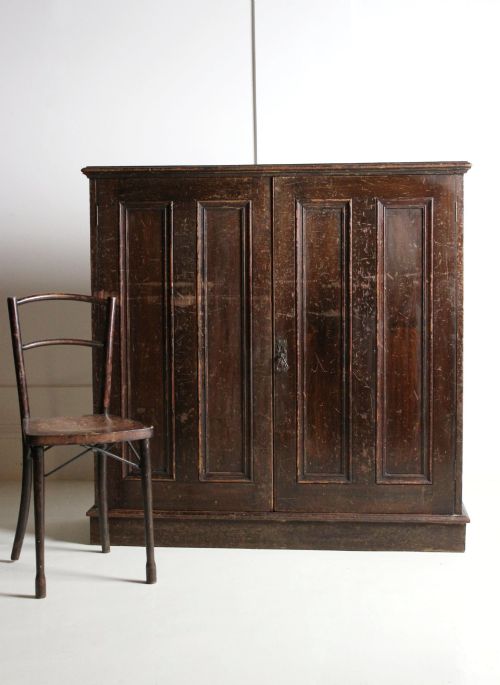
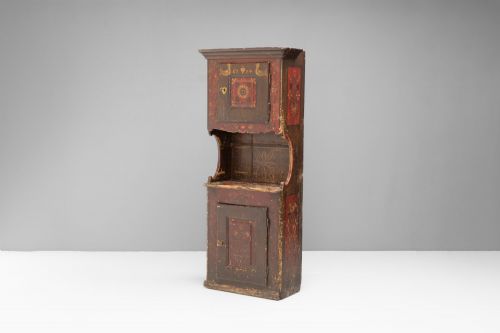
When you search for a vintage food safe cabinet, you encounter sturdy cupboards and larder pieces originating primarily from the nineteenth century, alongside a few seventeenth, eighteenth, and early twentieth-century examples. These items span regional styles such as French Provincial, Georgian Country, Victorian, and Scandinavian Country, reflecting utilitarian domestic storage needs from various European traditions.
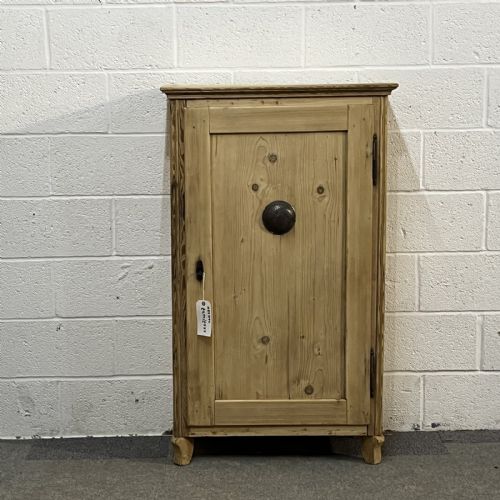
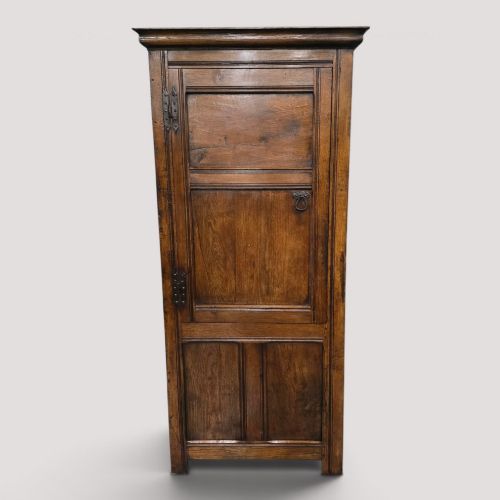
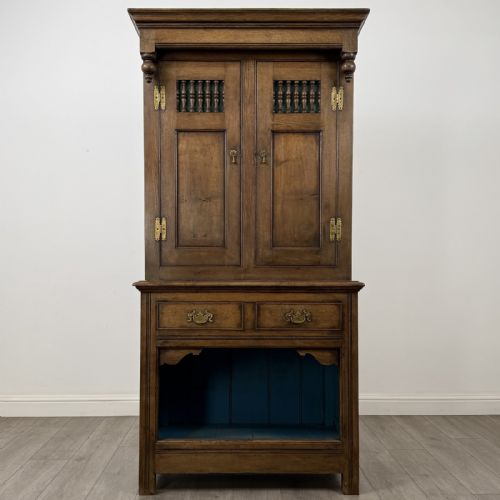
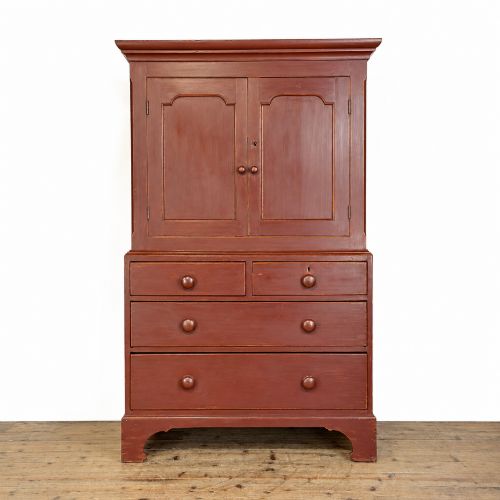
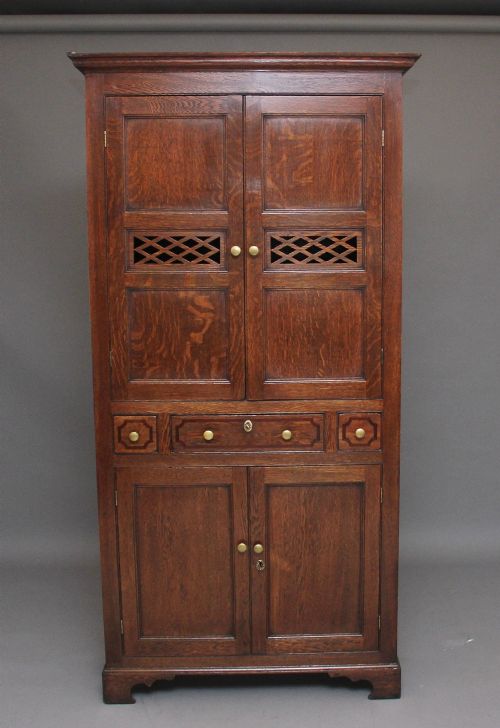
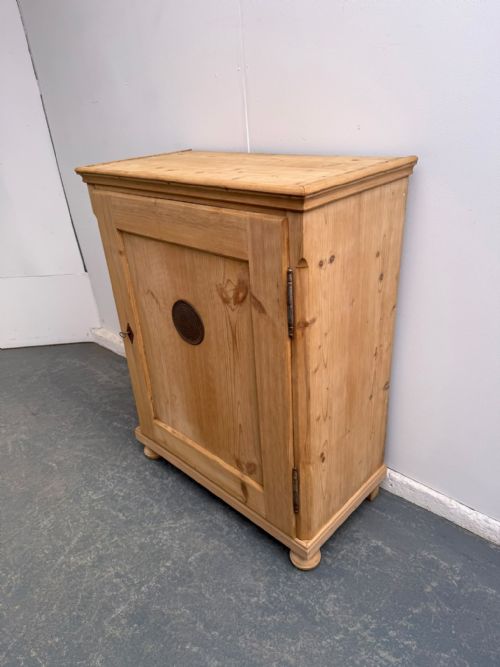
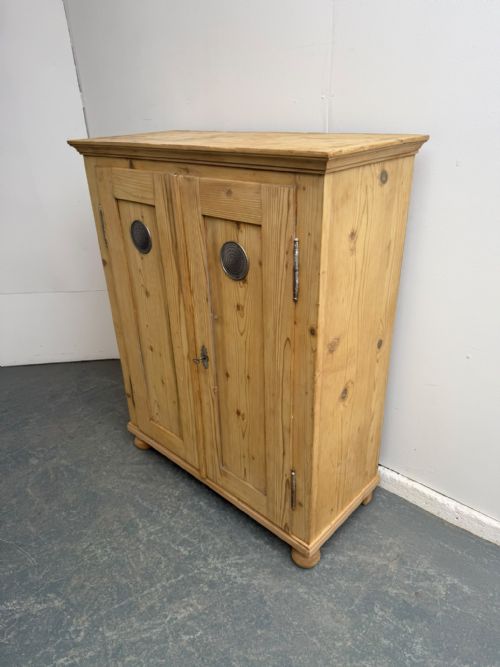
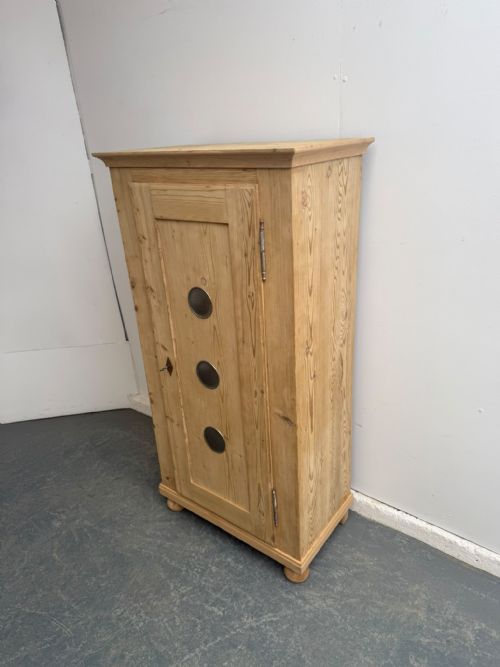
The selections available on this page lean heavily towards pine, oak, and painted finishes, often configured as single or double door storage cupboards and kitchen cabinets. You find vented panels designed historically to maintain air circulation around perishable contents, alongside specialised forms like the French Confiturier or walnut Panetière.
How these storage pieces were constructed
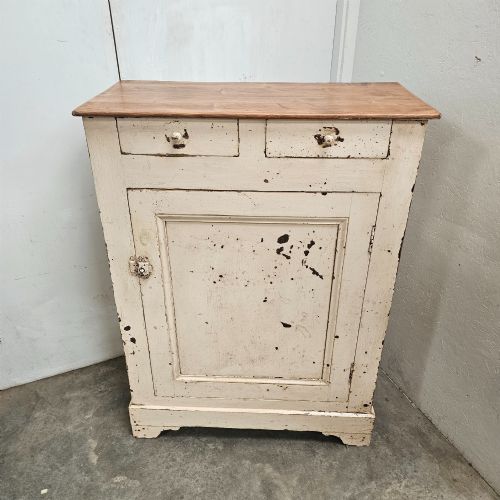
Makers utilised solid timbers such as pine, oak, and walnut, building the carcase with traditional joinery suited to heavy kitchen and larder use. Surfaces frequently display historic paint, stained finishes, or plain wood left ready for waxing.
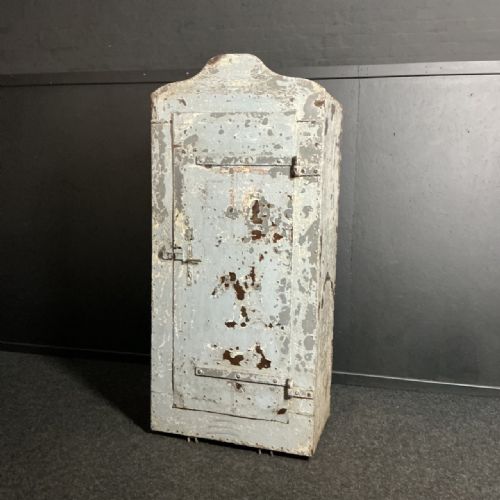
Iron, brass, and steel hardware provides structural bracing and operational fittings like hinges and latches. Ventilation panels incorporate perforated metal or mesh screens to protect provisions from pests while allowing airflow.
Vintage Food Safe Cabinet Retail Price Guide 2026
Typical asking prices for vintage food safe cabinet among the pieces listed under this phrase on Sellingantiques today, from the lower quarter to the upper quarter. They describe what is for sale here now, not the wider market.
One cheerful pine cupboard carries later sign-writing for Hovis Bread, proving someone once used a domestic cabinet as a local bakery delivery board.
What separates differing examples
The integrity of the original timber and the survival of early or historic surface paint largely determine the character of an individual piece. Cabinets retaining original hardware, functional ventilation mesh, and stable structural joinery stand apart from those with extensive replacement parts.
Proportion and regional detailing also influence the appeal, where provincial craftsmanship displays distinctive mouldings, panel configurations, and signs of long domestic use such as historic sign-writing or patinated finishes.
The Vintage Food Safe Cabinet Glossary
- Confiturier
- A small French storage cupboard traditionally utilised for preserving and storing confit meats and fruits. These pieces usually feature a single door above a compact body.
- Panetière
- A traditional wooden bread cabinet originating in France, often featuring spindle-turned galleries or ventilated panels designed to keep loaves fresh and away from pests.
- Larder cupboard
- A tall storage unit designed for food provisions, frequently featuring ventilated doors or panels to circulate air around perishable goods before refrigeration was common.
- Vented cupboard
- A piece of kitchen furniture incorporating pierced metal, mesh, or slatted wood panels to allow ventilation into the interior storage compartment.
Vintage Food Safe Cabinet: Frequently Asked Questions
What is a vintage food safe cabinet?
A vintage food safe cabinet is a practical storage piece originally designed to store provisions securely in domestic kitchens and larders before mechanical refrigeration became common. These cupboards typically incorporate ventilated panels to maintain air circulation while keeping pests away from food.
Today, buyers use these versatile wooden cabinets in modern kitchens, dining rooms, and pantries as decorative storage for tableware, dry goods, or linens. Their rustic provincial styles and painted finishes add historic character to contemporary interiors.
How were food safe cabinets ventilated?
Makers constructed ventilation into these cabinets using perforated sheet metal, wire mesh, or slatted wooden panels fitted into the doors or sides. This allowed cool air to circulate around perishable foods like bread, cheese, and meats.
When examining these panels, you see various patterns in the iron or steel inserts that reflect regional workshop traditions. This functional aeration distinguishes food storage furniture from standard household linen or wardrobe cupboards.
Where were these cabinets made?
The pieces originate from various European traditions, including French provincial workshops, British country houses, Scandinavian rural communities, and East European farms. Local craftsmen utilised whatever native timbers were available nearby, such as pine, oak, and walnut.
Regional differences appear in the hardware, moulding profiles, and paint colours applied to the pine and oak carcases. A French confiturier differs visibly in proportion from an English housekeeper's larder cupboard or a Scandinavian painted piece.
How do I care for a painted pine cupboard?
Maintaining a vintage painted or waxed pine cabinet involves keeping the timber away from direct heat sources and excessive moisture swings. Dust the surfaces regularly with a dry cloth and apply occasional wax if the pine finish appears dry.
Preserve historic painted finishes by avoiding harsh chemical cleaners and abrasive scrubbing. Gentle treatment protects the original patination and the underlying softwood structure.