
Vintage Folded Side Table
A vintage folded side table offers clever space-saving utility through drop leaves, gatelegs, or removable trays.
Vintage Folded Side Table
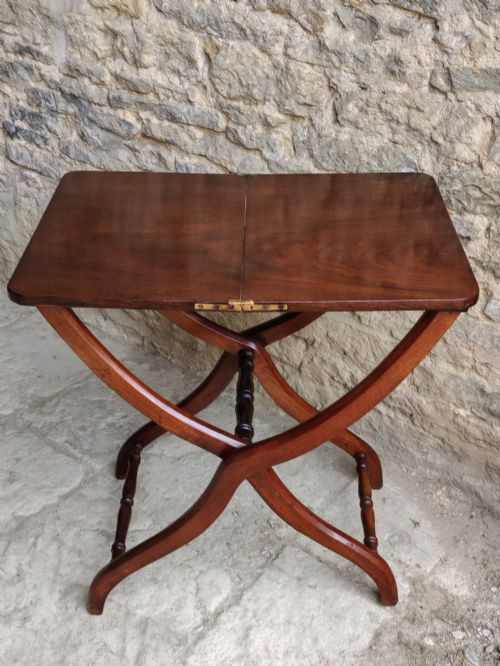
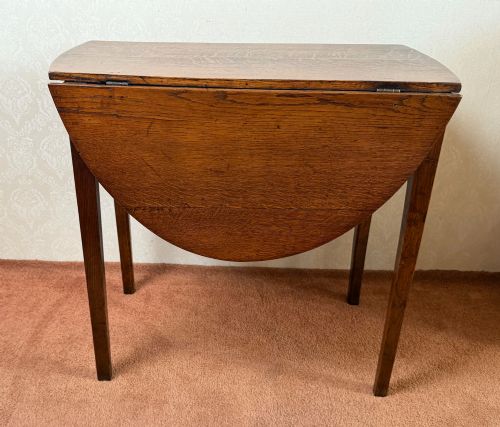
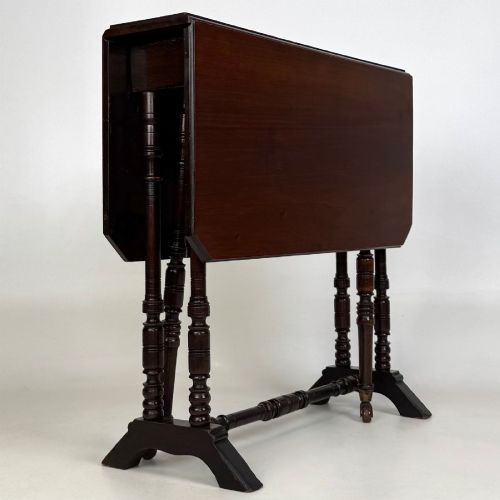
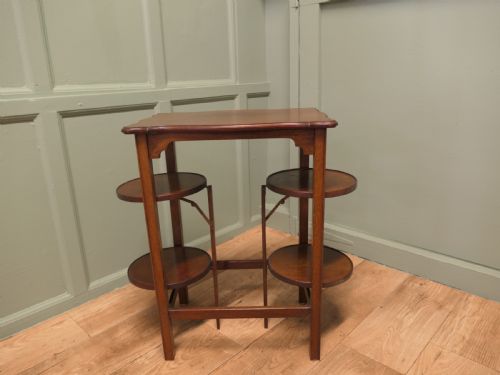
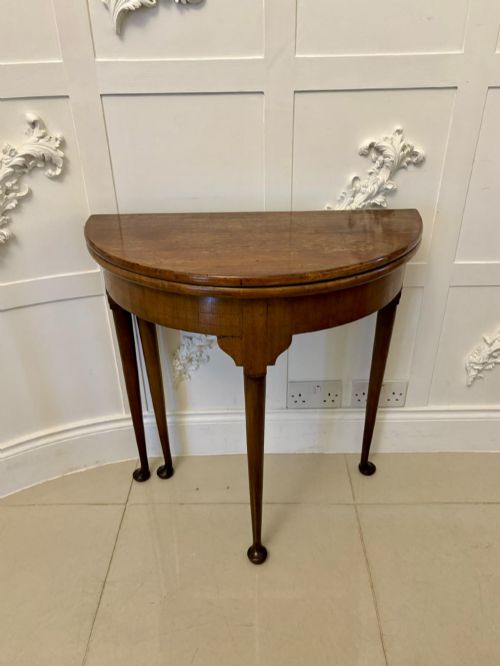
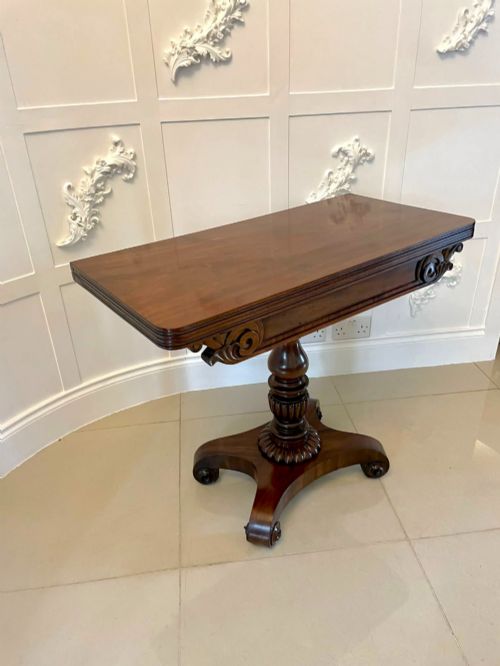
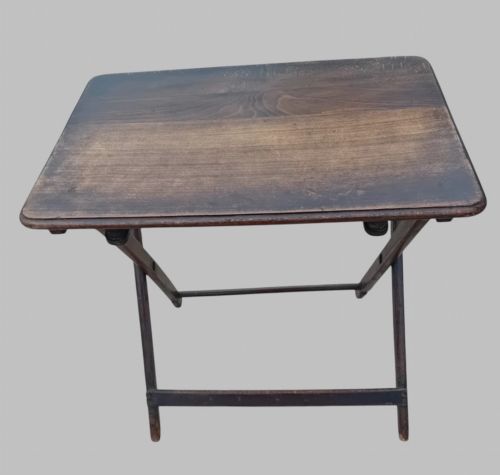
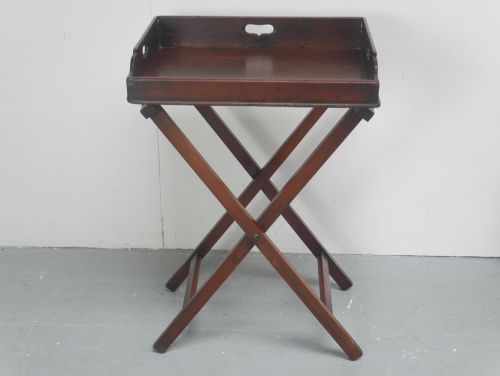
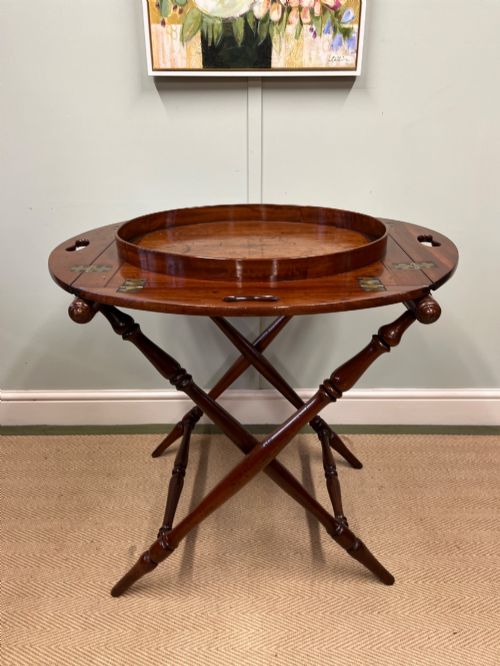
A vintage folded side table encompasses practical designs intended to expand when needed and tuck away tightly against a wall. The selection ranges from compact Edwardian mahogany pieces to substantial 18th-century oak gatelegs and clever butler trays on folding stands.
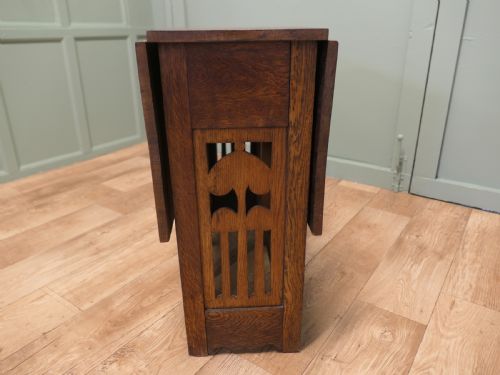
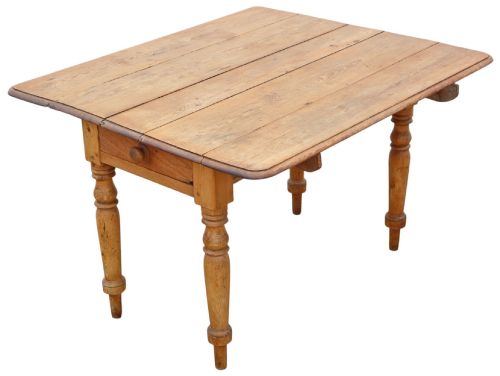
Buyers frequently encounter drop-leaf mechanisms, gateleg frames, and removable trays supported by folding bases across Victorian, Edwardian, and earlier periods. These dual-purpose surfaces served tea, dining, or games in period homes without dominating the floor plan.
Materials and construction
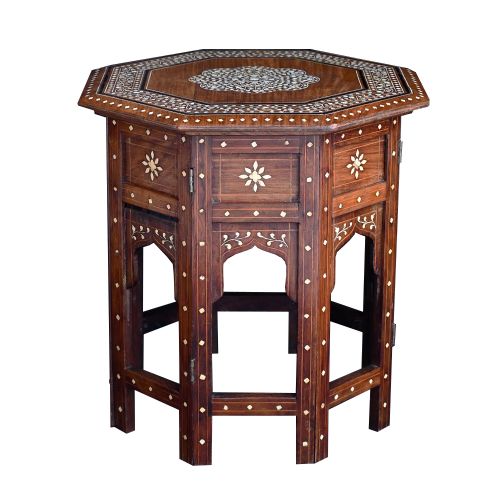
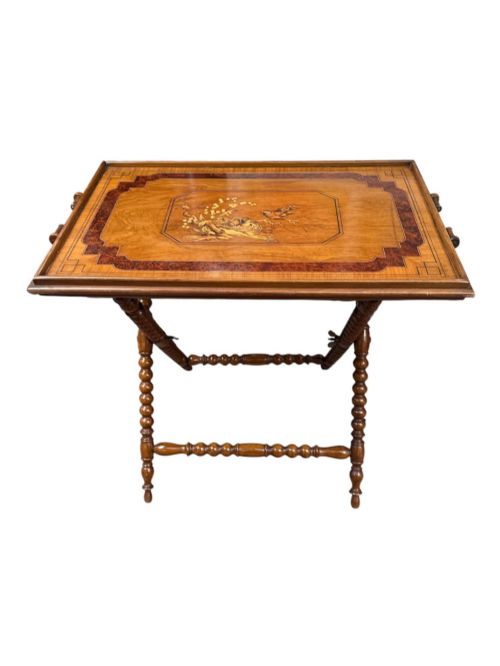
Cabinetmakers utilised sturdy hardwoods including mahogany, oak, and walnut, frequently selecting figured timber for prominent surfaces such as tea table flaps. Regional pieces incorporate exotic materials like padauk and teak, alongside intricate decorative elements including bone inlay, mother of pearl, and Sorrento marquetry.
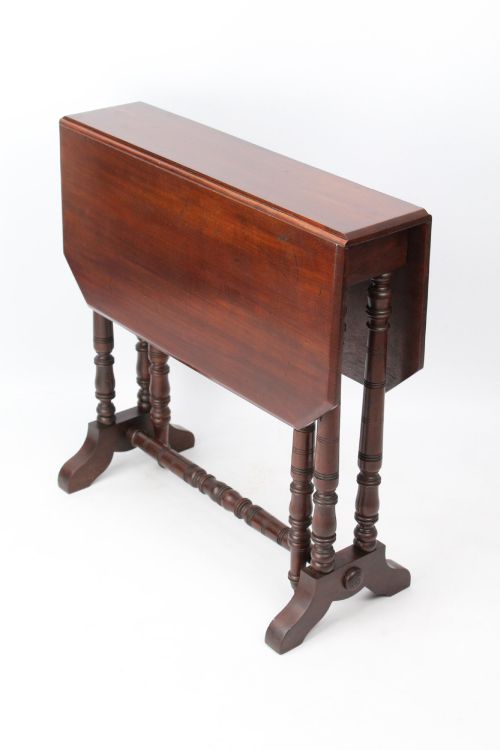
Structural integrity relies on hinged drop leaves, pivoting gatelegs, and collapsible X-frames designed for portability or compact storage. Joints are typically pegged or dowelled, allowing moving leaves and folding bases to withstand repeated daily operation.
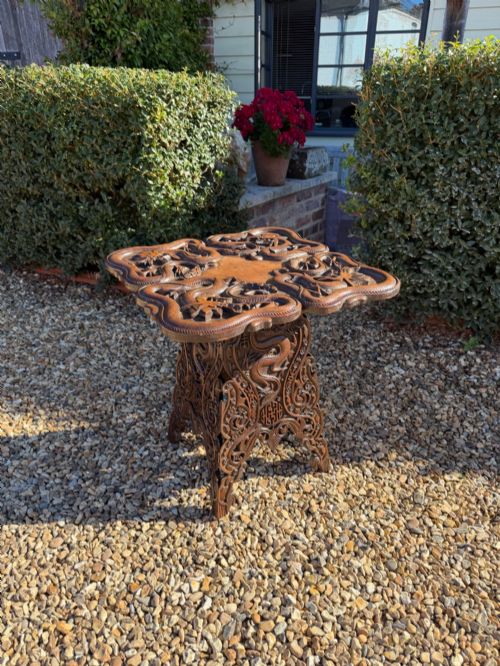
Several tables in the selection include hidden folding mechanisms, fierce dragon carvings, and intricate mother-of-pearl inlay designed to surprise guests.
Measures of quality
Quality rests upon timber selection, grain continuity across expanding leaves, and the precision of the folding mechanism. Superior examples display thoughtful timber matching and tight, flush joints when the table is opened fully.
Refinement in carving, inlaid banding, or turned elements like barley twists distinguishes standard utility items from sophisticated parlour pieces. The stability of the folding action and the balance of unsupported leaves indicate the care taken by the original maker.
The Vintage Folded Side Table Glossary
- Gateleg table
- A table with hinged leaves supported by pivoting legs that swing out like gates to hold the leaves horizontal.
- Butler tray
- A shallow rectangular wooden tray, often with pierced handgrips, designed to lift off its folding stand for serving.
- Sutherland table
- A narrow drop-leaf table with exceptionally slender folding leaves and legs positioned close to the centre when closed.
- Pembroke table
- A drop-leaf table featuring two hinged flaps on opposite sides and usually a single drawer beneath the top.
- Marquetry
- Decorative veneer work arranged in pictorial or geometric patterns using various coloured woods.
Vintage Folded Side Table: Frequently Asked Questions
How do gateleg tables stay stable?
Gateleg tables achieve stability through pivoting legs that swing outward from the central frame to lock directly beneath the outer edge of the dropped leaf. This distributes weight evenly down to the floor.
Additional structural support comes from robust underframe stretchers connecting the main legs, preventing lateral movement when the leaves bear weight.
What is a butler tray table used for?
A butler tray table served originally for carrying food and drink from the kitchen to the parlour, with the tray lifting completely off its folding base. The raised sides prevented glassware and china from sliding off during transit.
In contemporary interiors, these pieces function well as portable coffee tables or cocktail stations that pack flat when floor space is required.
How can I tell an Edwardian folding table from a Victorian one?
Edwardian folding tables frequently display lighter timber tones, delicate satinwood banding, or Arts and Crafts influence with simpler geometric lines. They often prioritise compact proportions suited to smaller urban rooms of the early twentieth century.
Victorian versions tend to feature denser mahogany or walnut, heavier turned supports, and more elaborate Sutherland or Pembroke mechanisms designed for formal domestic display.
Are drop leaf tables suitable for daily use?
Drop leaf tables handle daily domestic life comfortably because their folding leaves allow them to adapt instantly to changing space requirements. Lowering the flaps transforms a dining surface into a narrow side console.
Care should be taken to support the hinged leaves properly when opening them and to avoid placing excessive weight on the outer unsupported edges.