





Vintage Fold Over Table
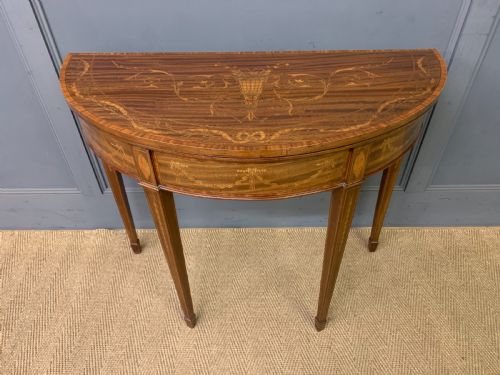
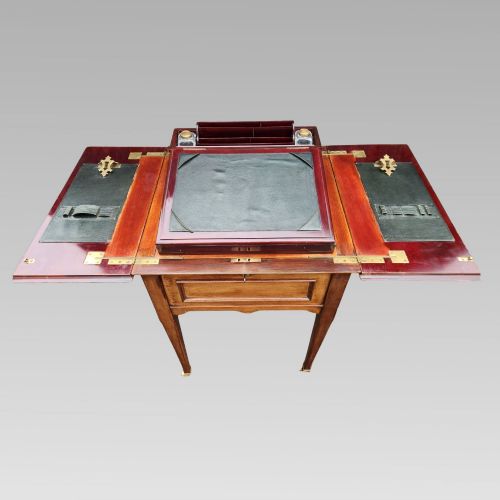
These vintage fold over table pieces are adaptable surfaces that open to reveal card playing areas or serving tops, bringing period craftsmanship into modern rooms.
Vintage Fold Over Table
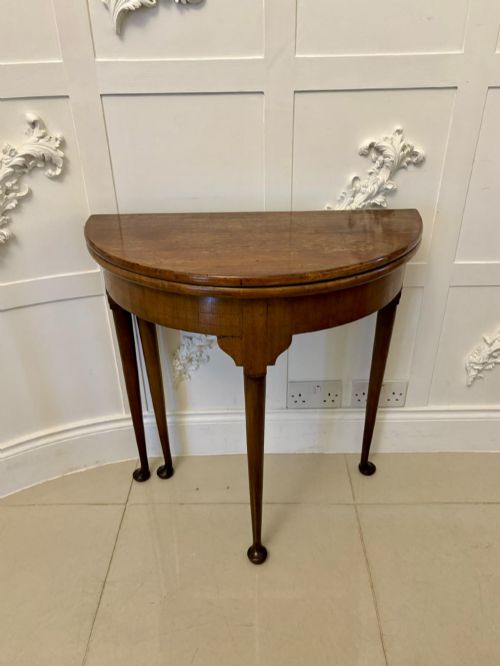
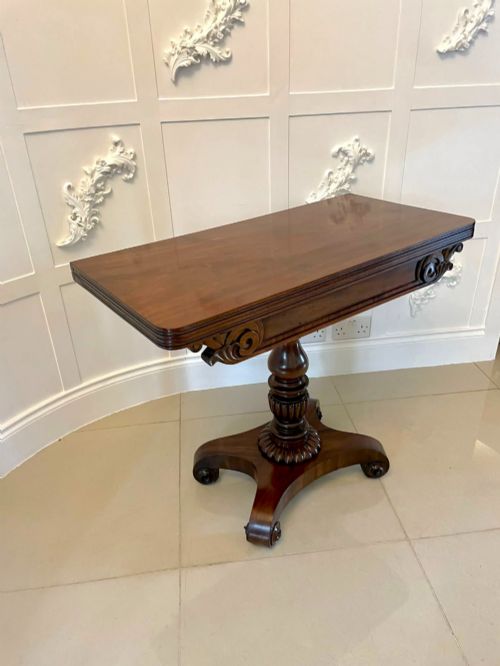
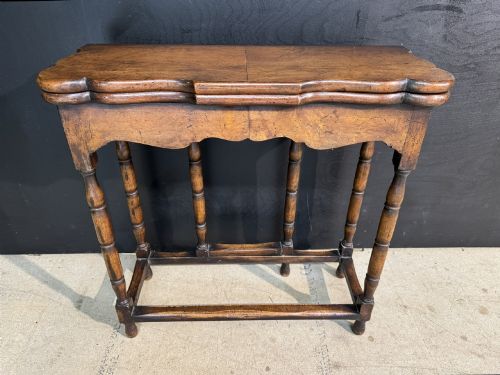
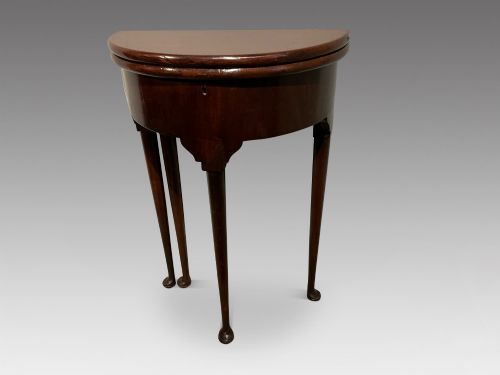
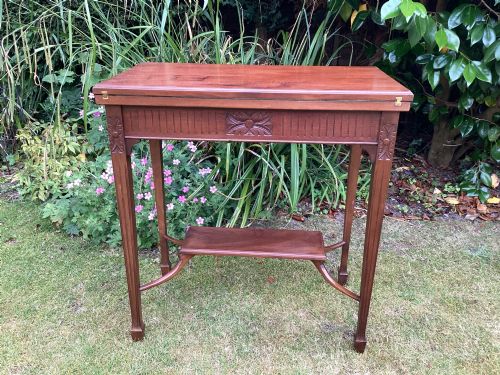
A vintage fold over table serves multiple functions in a room, shifting from a compact console or side piece into a larger surface for tea, writing or cards. When you search for this phrase, you encounter forms that span centuries, originating as practical furniture for Georgian drawing rooms and evolving through Victorian, Edwardian and 1920s revivals.
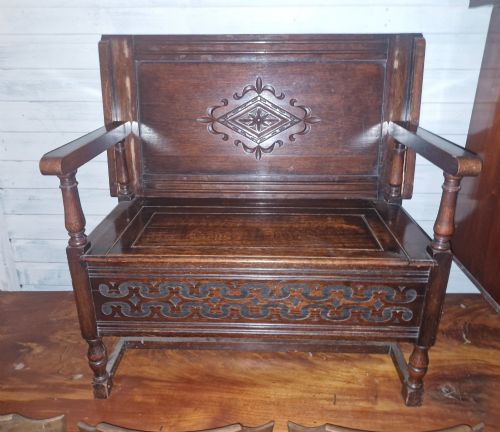
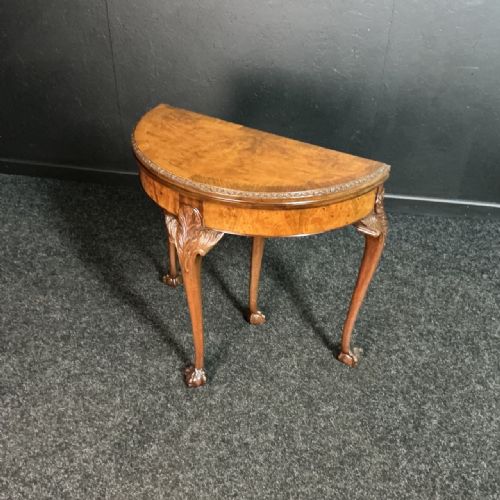
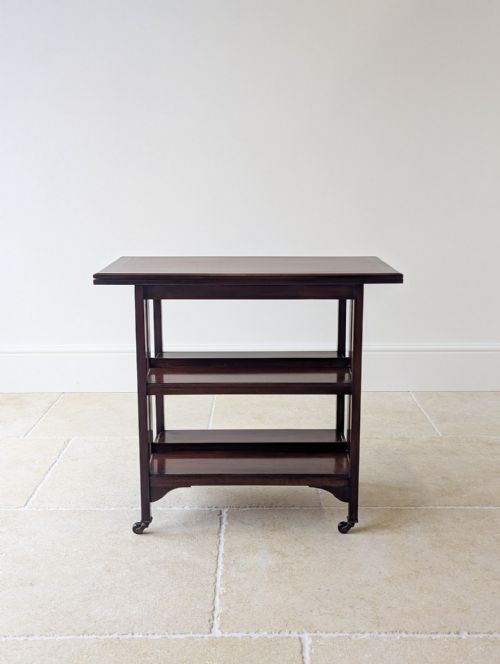
The most common examples on this page take the form of card tables, games tables and tea tables rendered in mahogany and walnut. You also discover demi-lune shapes, occasional hall seats with folding actions, and dual-purpose metamorphic designs that transition between distinct household uses.
How they were made
Cabinetmakers constructed these tables using solid timbers and decorative veneers such as burr walnut, kingwood and mahogany, often accented with satinwood or boxwood stringing. Frames frequently incorporate brass mountings, intricate marquetry inlay or carved details that reflect Georgian, Queen Anne and Rococo revival styles.
The folding mechanisms rely on clever hinging, pivoting tops, or dual-action supports that swing out to bear the weight of the opened leaf. Joinery techniques ensure the leaves align precisely when closed and remain stable under the demands of a card game or tea service.
Card tables often retain faint chalk marks inside their framework left by Victorian gamblers keeping score during late-night whist matches.
What varies in quality
The distinction between ordinary and exceptional pieces rests on the choice of timber figure, the crispness of carved details and the precision of the folding mechanism. Finer examples display symmetrical burr walnut veneers, meticulous marquetry and smooth hinge action that requires no force to operate.
Construction depth also separates the tiers, with superior tables utilising secondary woods like oak or mahogany throughout the interior frame, alongside hand-cut dovetails in any accompanying drawers. Lesser pieces show simpler joinery and veneer work that lacks the depth and movement seen in top-tier workshops.
Epstein and Co
The Vintage Fold Over Table Glossary
- Demi-lune
- A half-moon shape popular for console and card tables designed to sit flush against a wall.
- Marquetry
- Decorative patterns created by fitting different woods and veneers into a prepared ground.
- Metamorphic
- Furniture designed to transform from one object into another, such as a table turning into a desk.
- Ormolu
- Gilt-bronze mounts applied to furniture, frequently seen on French revival pieces.
- Stringing
- Thin lines of contrasting wood inlaid into the surface of a panel or table top.
Vintage Fold Over Table: Frequently Asked Questions
How do you open a fold over table?
Most designs rely on a hinged top that rotates ninety degrees or lifts completely to swing out over a pivoting rear leg or concertina frame. The supporting leg takes the weight of the unfolded leaf to provide a stable surface.
Take care not to force the mechanism if it sticks, as old timber can swell with changes in humidity. Gently check the hinges underneath to see how the pivot operates before attempting to open the top.
What were these tables originally used for?
These pieces served as multi-purpose furniture in entertaining rooms, functioning as slim console or side tables against a wall when closed. Opening the top provided a clean surface for taking tea, writing letters or setting up evening card games.
Wealthy households utilised specialised games tables lined with baize or felt for pastimes like whist and hazard. As evening ended, the tables folded back down to save floor space in the drawing room.
How do I tell an 18th-century table from a 1920s revival?
Eighteenth-century pieces display the tool marks, timber shrinkage and structural wear expected from centuries of daily use. The secondary woods, hand-cut joinery and patination on original mahogany or walnut surfaces reveal their true age.
Revival pieces made around 1900 or the 1920s often copy Georgian or Queen Anne styles with great skill, but the internal construction, modern hinge fixings and cleaner timber surfaces give away their later date of manufacture.
Where should I place a fold over table in my home?
These tables work well in hallways, living rooms and dining spaces where floor space changes throughout the day. Placed flat against a wall, they act as slim console tables beneath a mirror or painting.
Opening the top transforms the piece into an occasional dining surface, a desk or a display table for lamps and books. Keep them away from direct heat sources and strong sunlight to protect the polished timber veneers.