






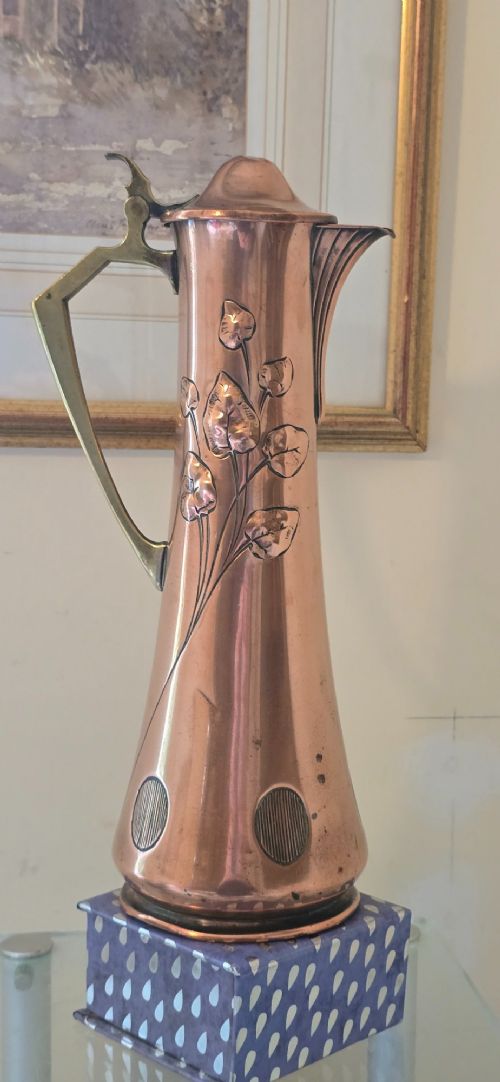
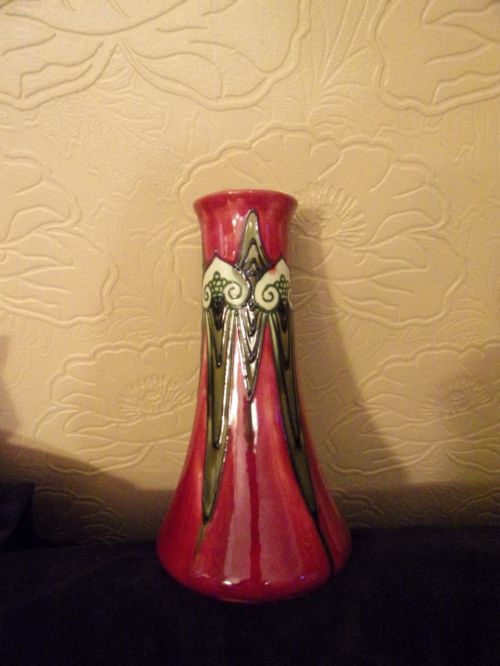

Vintage Floral Vessel
A vintage floral vessel brings botanical form and period craft into a room, spanning delicate porcelain to heavy copper.
Vintage Floral Vessel
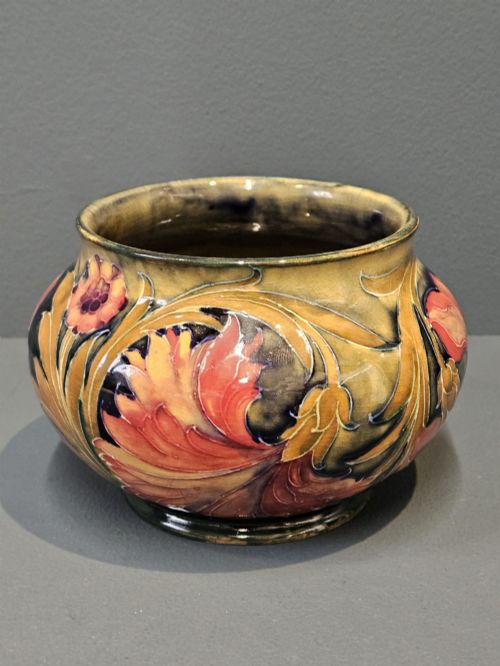
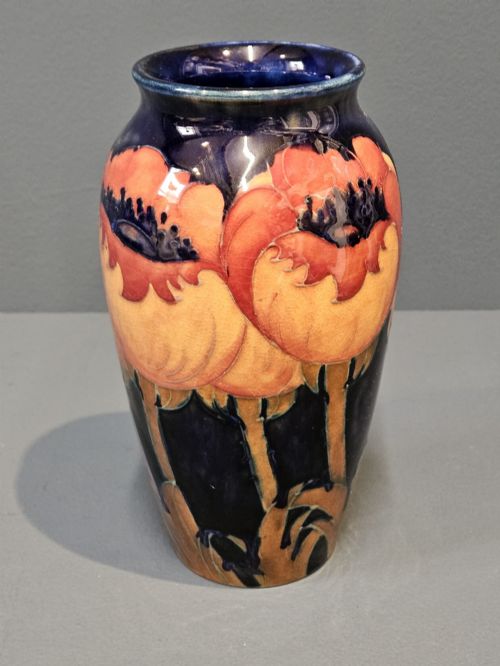
A vintage floral vessel encompasses a diverse range of decorative containers, from 19th-century ceramic vases and cloisonné jars to metal ewers and bowls decorated with plant motifs. When searching for a vintage floral vessel, buyers encounter pieces spanning the Victorian, Edwardian, Art Nouveau, and Art Deco periods, originating from European potteries and Asian export workshops alike.
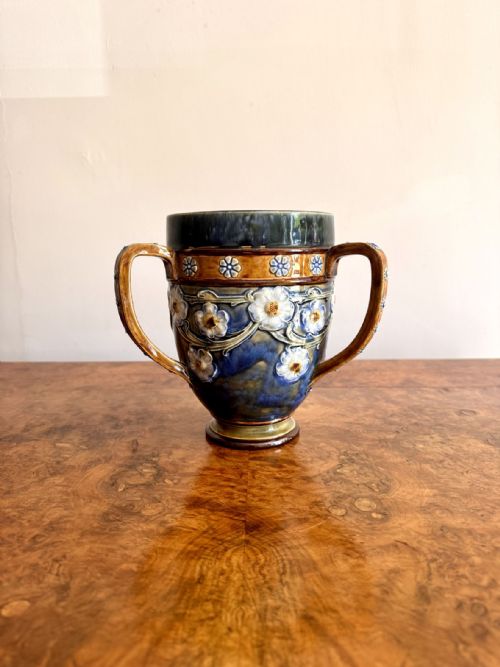
The objects listed here appear primarily as vases, planters, and decorative bowls formed from earthenware, porcelain, copper, and brass. Many examples display botanical ornamentation, utilising hand-painted glazes, tube-lined designs, and enamel work to bring organic themes to life on ceramic and metal surfaces.
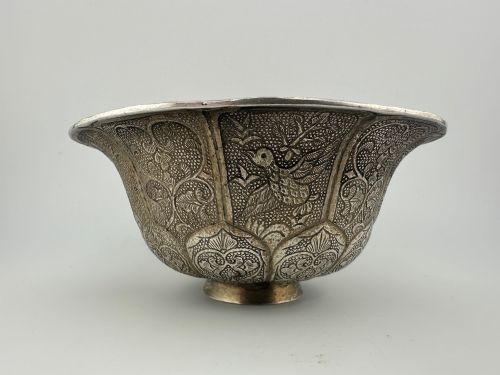
The selection ranges from robust copper jugs and silver bowls to delicate Japanese cloisonné and English earthenware. Buyers will find that these pieces reflect the distinct aesthetic movements of their respective decades, marrying utilitarian forms with detailed floral imagery.
Materials and Methods
Ceramic and porcelain vessels rely on traditional throwing and moulding techniques, often finished with hand-painted glazes or intricate tube-lined slip decoration. Potters shape the clay before firing, applying enamels and metallic oxides to achieve vibrant botanical patterns.
Metal vessels utilise hammering, casting, and repoussé techniques, particularly evident in copper and brass pieces from the Art Nouveau and Arts and Crafts eras. Artisans work the metal sheets by hand, raising relief patterns or inlaying materials like silver and stone.
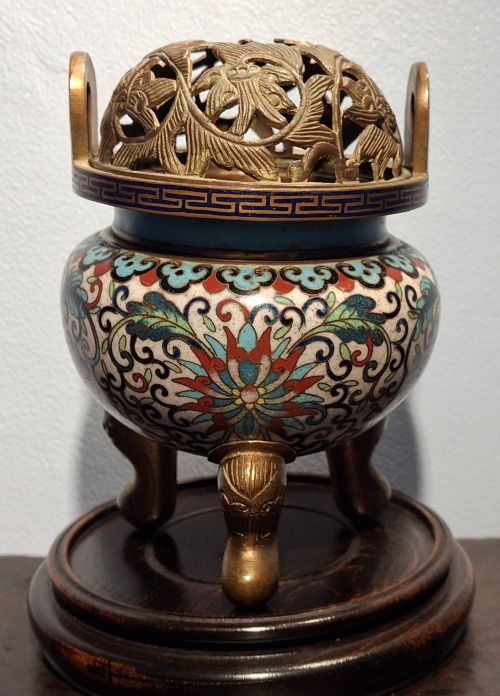
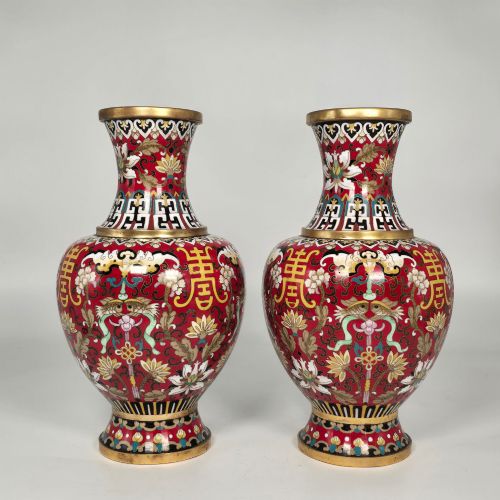
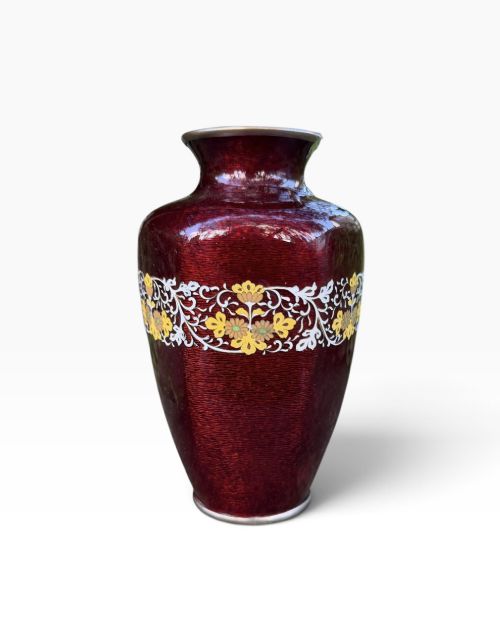
Cloisonné and champlevé techniques involve soldering fine metal wires onto a metal base to create cells, which are then filled with coloured enamel paste and fired. This meticulous process results in durable surfaces with distinct compartmentalised botanical designs.
Vintage Floral Vessel Retail Price Guide 2026
Typical asking prices for vintage floral vessel among the pieces listed under this phrase on Sellingantiques today, from the lower quarter to the upper quarter. They describe what is for sale here now, not the wider market.
The listings feature copper, brass, porcelain, and earthenware from the Victorian era through the mid-twentieth century.
Judging Quality and Execution
Quality in these pieces rests upon the precision of the handwork and the clarity of the design. Superior examples show confident brushwork on ceramics, sharp and deeply defined relief on metals, and flawless enamel work without pitting or warping.
The distinction between standard production and exceptional manufacture lies in the fidelity of the maker's execution. Hand-painted details remain crisp and deliberate, while applied elements such as handles, mounts, and cloisonné wires are securely integrated into the primary form.
Minton Secessionist·WMF·Doulton Lambeth·Alice Euphemia Thatcher·Lalique·H & R Daniel·Joseph Sankey·Mettlach Pottery·Tamura Yukio·Royal Doulton·Royal Worcester
The Vintage Floral Vessel Glossary
- Cloisonné
- Enamelling technique where metal wire forms raised cells on a body to hold coloured pastes before firing. This method creates vibrant, patterned surfaces often seen on Asian and European decorative objects.
- Tube-lined
- Pottery decoration technique applying liquid clay through a nozzle to outline designs before glazing. This method raises the pattern above the background for a tactile finish.
- Faience
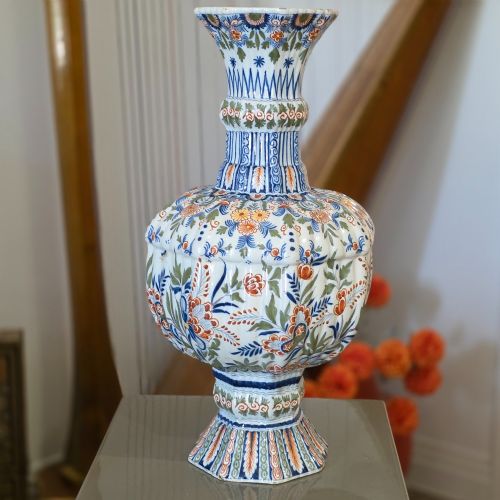
- Tinned-glazed earthenware originating in Europe, known for its smooth opaque surface and painted decoration. It provides a stable ground for intricate floral and pictorial motifs.
- Champlevé
- Enamelling process where troughs or cells are carved directly into a metal surface to receive enamel. The resulting design merges the metallic body with coloured glass pastes.
- Ewer
- A large jug with a flared spout and curved handle, historically used for pouring water. Many decorative iterations survive as sculptural objects.
Vintage Floral Vessel: Frequently Asked Questions
How do I style a vintage floral vessel?
These vessels suit placement on sideboards, mantels, or open shelving where their form and surface detail can be appreciated. They function well empty as sculptural objects or holding dried stems.
Pairing metallic vessels with ceramics creates textural contrast within a room. Consider the scale of the piece relative to the surface it occupies to maintain balance.
How do I distinguish between periods?
Stylistic markers offer the clearest indication of date, with flowing asymmetrical lines pointing to Art Nouveau and geometric symmetry suggesting Art Deco. Victorian and Edwardian pieces frequently feature heavier, historicist ornamentation or dense botanical painting.
Examining maker's marks, glaze types, and manufacturing techniques helps narrow down the decade of production. Comparing base construction with known examples provides further context.
How should I clean my vessel?
Dust metal and ceramic surfaces gently with a soft, dry cloth to prevent accumulation. Avoid abrasive cleaning agents that can strip patinas or damage hand-painted glazes.
Silver and brass require appropriate metal polishes applied sparingly, avoiding areas with applied enamel or delicate inlay. Professional guidance is recommended for fragile cloisonné or antique glass.