


Vintage Floral Textile
A vintage floral textile brings centuries of botanical needlework, embroidery, and weaving into modern interiors through panels, cushions, and wall hangings.
Vintage Floral Textile
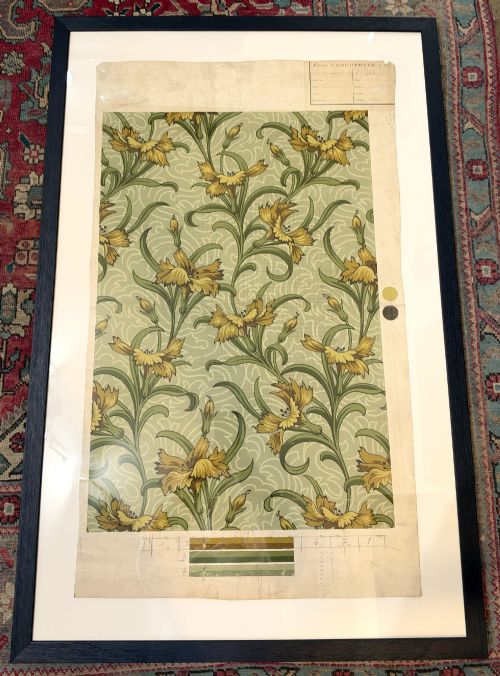
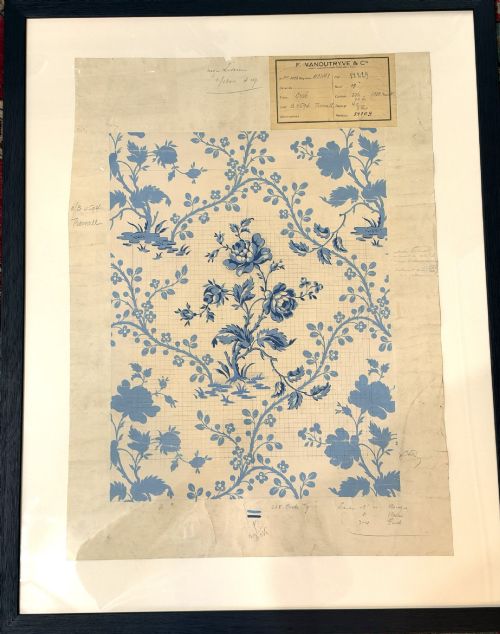
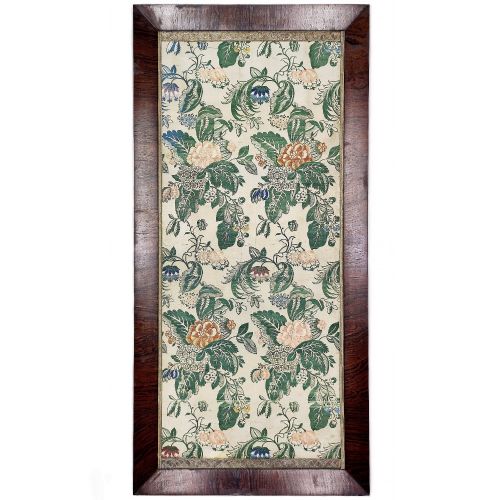
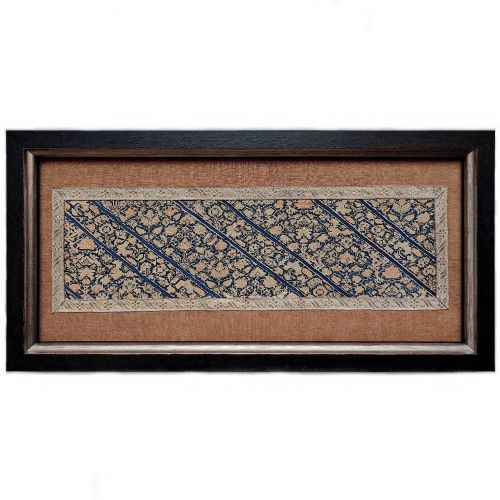
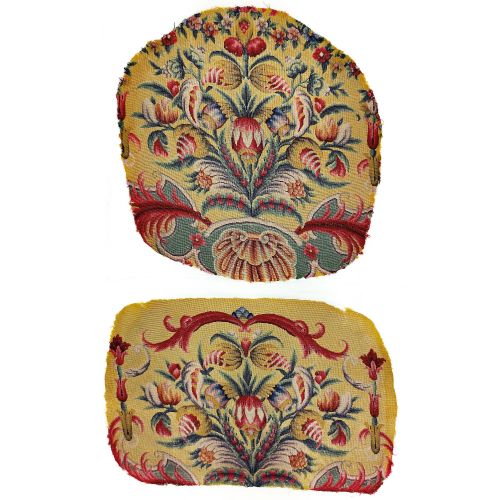
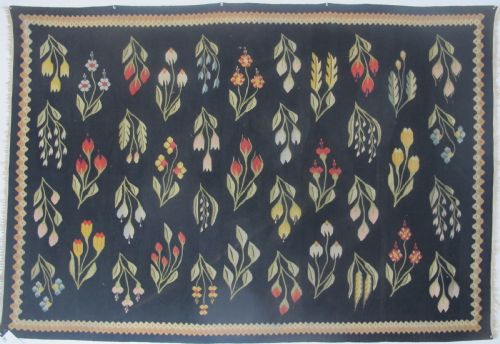
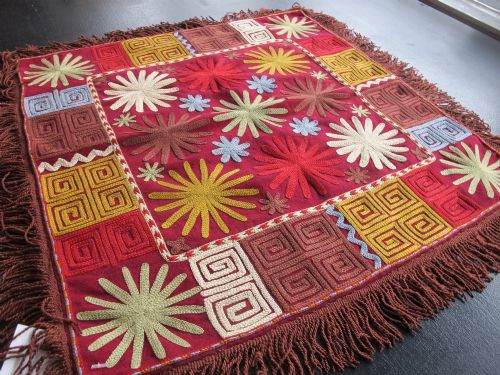
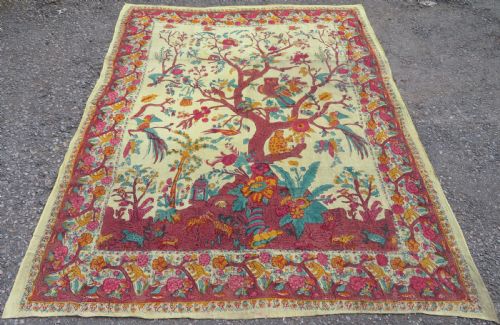
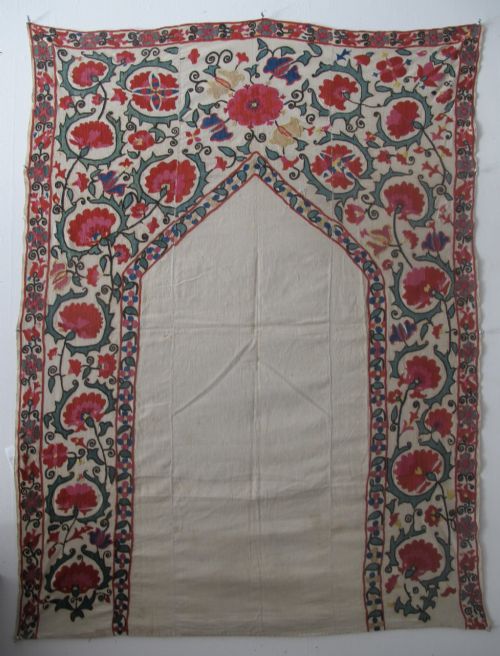
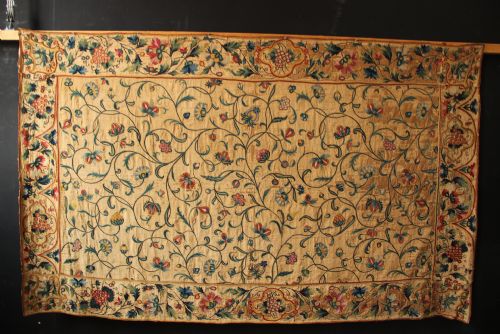
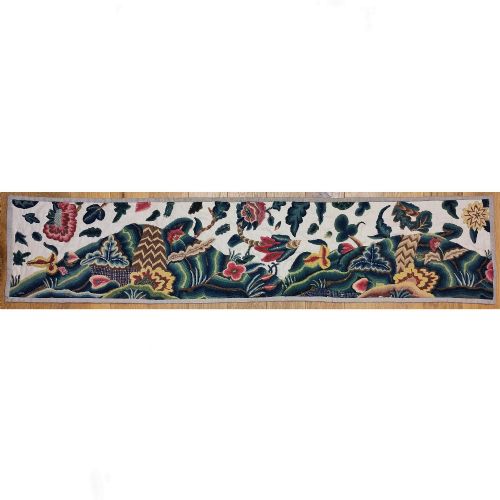
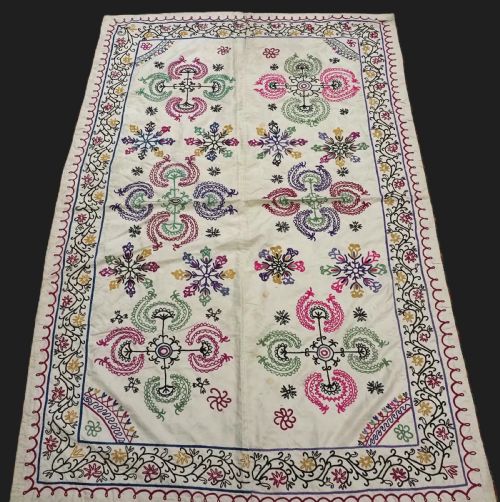
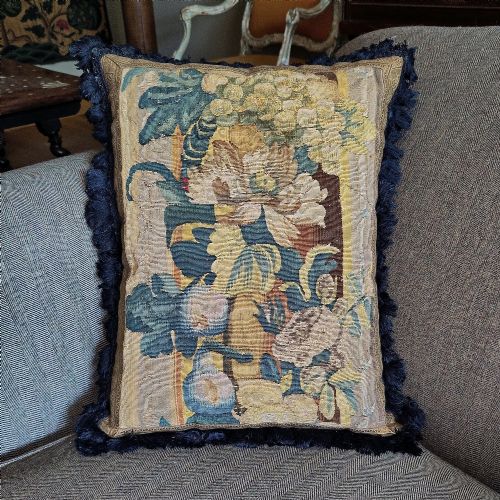
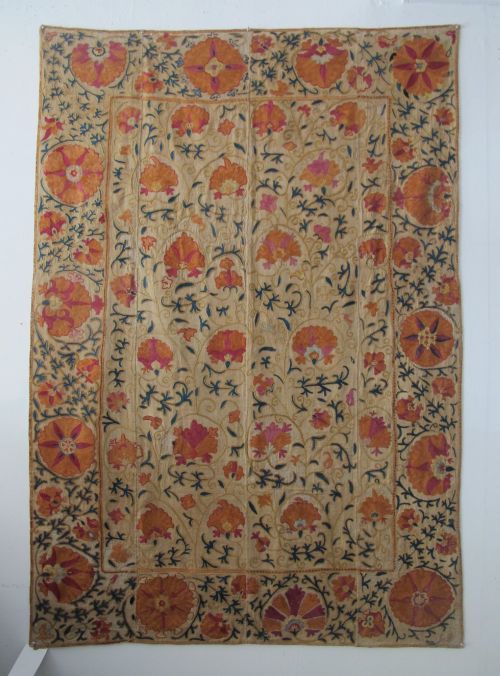
A vintage floral textile encompasses decorative items bearing botanical motifs created across multiple centuries and global regions. Buyers encounter diverse material forms here, ranging from English crewelwork and Spitalfields silk to Central Asian suzanis and European needlework panels.
The selection frequently includes framed wall art, cushions, and large textile panels that display traditional flower and foliage patterns. These pieces bridge decorative arts and functional domestic items, utilising fabrics such as linen, cotton, and wool.
Origins stretch from seventeenth-century Europe to nineteenth-century Uzbekistan and twentieth-century workshops. Each piece reflects the specific textile traditions and regional aesthetics of its maker.
Materials and construction methods
Craftsmen utilised natural fibres such as silk, cotton, wool, and linen as the fundamental grounds for needlework, embroidery, and weaving. Artisans frequently applied silk threads onto cotton or wool backings to build dense, colourful botanical compositions.
Specialised techniques define the physical structure of these works, including crewelwork embroidery, tapestry weaving, and applique work on felt grounds. Physical tools such as carved brass printing blocks also produced stamped fabric designs during the Victorian era.
Vintage Floral Textile Retail Price Guide 2026
Typical asking prices for vintage floral textile among the pieces listed under this phrase on Sellingantiques today, from the lower quarter to the upper quarter. They describe what is for sale here now, not the wider market.
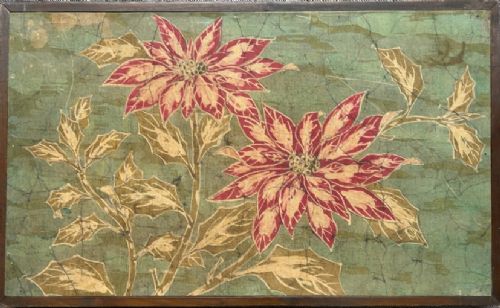
The listings span multiple centuries, incorporating seventeenth-century crewelwork alongside twentieth-century batik panels and European tapestries.
Factors separating exceptional pieces
The density and precision of the needlework or weave dictate the primary standard of execution in botanical textiles. Tightly packed silk embroidery stitches on early suzanis or finely rendered crewelwork display greater technical mastery than looser, simpler folk variations.
The integrity of the ground fabric and the preservation of natural dyes determine the overall condition and visual impact. Intact foundations and rich, unfaded colour palettes elevate surviving fragments and panels significantly.
The Vintage Floral Textile Glossary
- Suzani
- An embroidered tribal textile originating from Central Asia, typically featuring bold floral motifs on cotton or silk grounds. These large decorative hangings were traditionally made as part of a bride's dowry.
- Crewelwork
- A type of embroidery executed using wool yarn on a linen or cotton twill fabric. This historic technique creates heavily textured botanical patterns with deep roots in seventeenth-century English domestic craft.
- Spitalfields silk
- Woven fabric produced by master weavers in the Spitalfields district of London. These textiles are renowned for sophisticated floral designs and luxurious material composition.
- Applique
- A decorative sewing technique where pieces of fabric are sewn onto a larger contrasting ground material. In regional textiles, this method builds layered floral and geometric compositions using felt or cotton.
Vintage Floral Textile: Frequently Asked Questions
How should I hang a fragile textile panel?
Mount historical fabrics onto a padded, fabric-covered board using gentle stitching rather than direct gluing or pinning.
Keep the piece away from direct sunlight to protect natural silk and wool threads from fading.
Can I use antique cushions every day?
Historic cushion covers benefit from gentle handling and low-traffic placement to preserve aged stitching and delicate fabrics.
Pairing antique covers with modern feather inners maintains a supportive structure while reducing physical strain on old seams.
How do I distinguish regional embroidery styles?
Examine the ground fabric and stitch types to identify specific origins, such as silk tambour work on Uzbek suzanis or wool crewelwork on English linen.
Regional palettes and botanical motifs often point directly to workshops in Persia, Central Asia, or Europe.
What is the best way to clean historic fabrics?
Avoid immersion washing for antique embroidered and woven items unless handled by a professional textile conservator.
Surface dust should be gently removed using low-suction vacuuming through a protective mesh screen.