




Vintage Flatweave Textile
When you search for a vintage flatweave textile, you enter a world of nomadic craftsmanship spanning Persia, Central Asia, and Eastern Europe.
Vintage Flatweave Textile
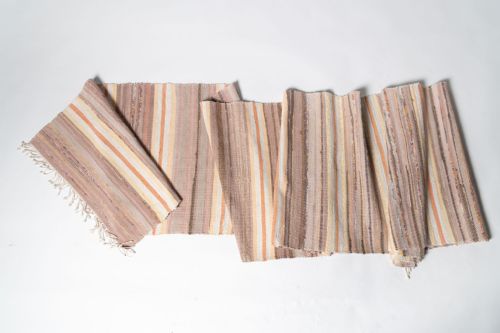
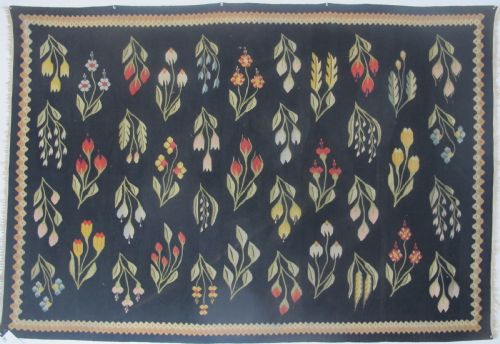
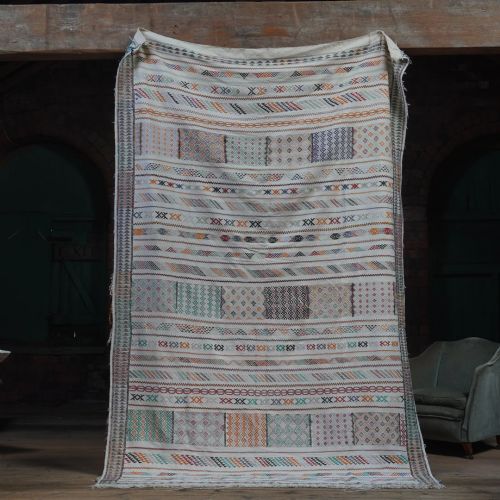
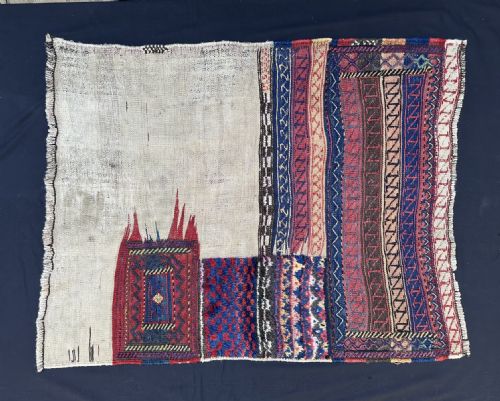
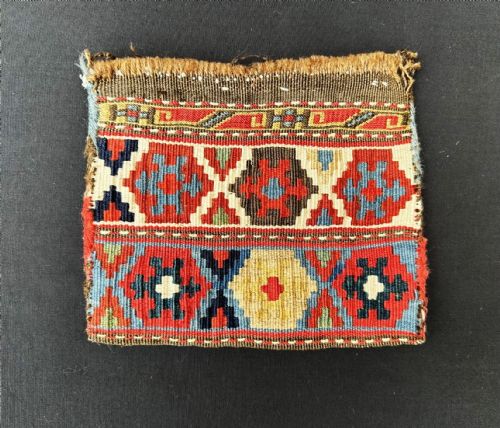
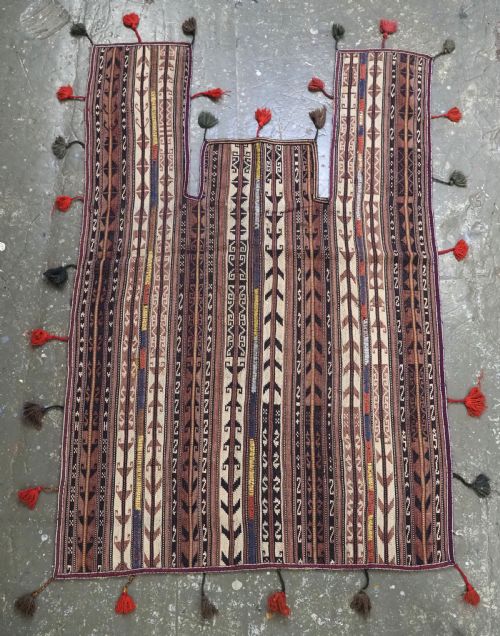
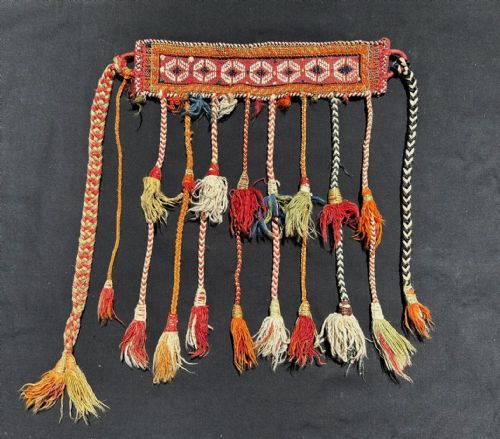
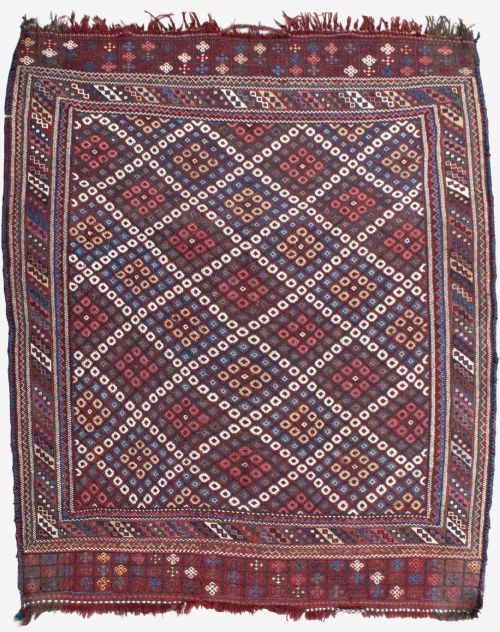
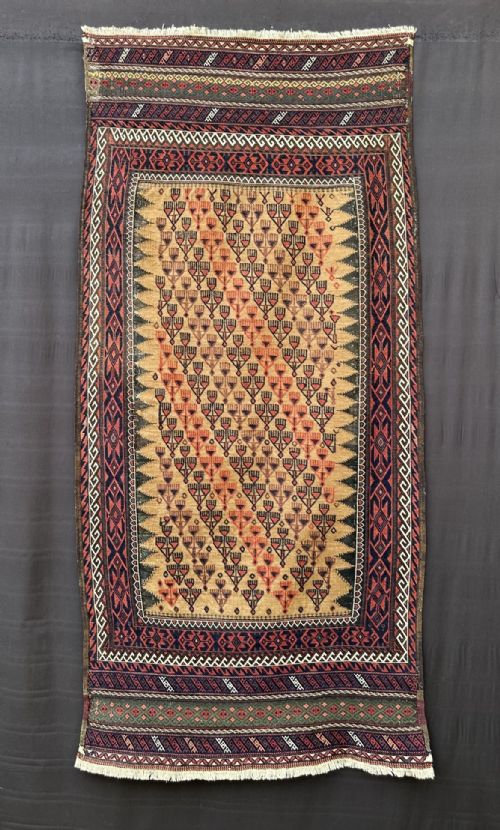
A vintage flatweave textile represents utilitarian objects created by nomadic and tribal groups for daily domestic life, including grain sacks, eating cloths, and horse trappings.
The pieces appearing on this page originate primarily from nineteenth and early twentieth-century tribal workshops in Persia, Anatolia, the Caucasus, and Central Asia.
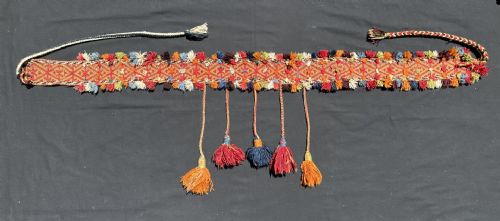
Forms range from bread sofreh and animal trappings to tent bands and storage bags, offering a direct link to the pastoral traditions that produced them.
Materials and Construction
Weavers utilised hand-spun wool, cotton, goat hair, and occasional silk or sabra fibre, working on portable horizontal looms set up in camps.
Patterning relies on supplementary weft-wrapping and slit-tapastry techniques, where colour transitions are achieved by looping weft threads around warp threads without interlocking.
Natural dyes provide the underlying palette, yielding weathered tones that soften gradually over decades of exposure and use.
Vintage Flatweave Textile Retail Price Guide 2026
Typical asking prices for vintage flatweave textile among the pieces listed under this phrase on Sellingantiques today, from the lower quarter to the upper quarter. They describe what is for sale here now, not the wider market.
Listings feature nineteen-century nomadic weavings alongside twentieth-century folk art, spanning wool, cotton, and natural dyes across Persian and Central Asian origins.
Factors of Quality
The distinction between standard and exceptional pieces rests upon the tightness of the weave, the clarity of the tribal geometry, and the integrity of the original structure.
Examples retaining complete original backs, utilitarian fittings, or intact selvedges command greater interest among those studying authentic tribal production methods.
The Vintage Flatweave Textile Glossary
- Sofreh
- A spread or cloth used primarily for dining, kneading bread, or serving food within nomadic tent communities.
- Tacheh
- A woven bag or grain sack utilised for agricultural storage and transport across the Zagros mountains.
- Mafrash
- A large rectangular storage container or bag face produced by nomadic tribes for bedding and household possessions.
- Warp
- The stationary vertical threads stretched across a loom that form the structural foundation of the textile.
- Weft
- The horizontal threads passed through the warps to create the visible design and colour fields.
Vintage Flatweave Textile: Frequently Asked Questions
What is a sofreh?
A sofreh is a flatwoven cloth historically used by nomadic tribes for preparing dough, baking bread, or laying out communal meals on the ground.
These utilitarian textiles often feature striking geometric borders surrounding a central field designed specifically for domestic use.
How were tribal bags used?
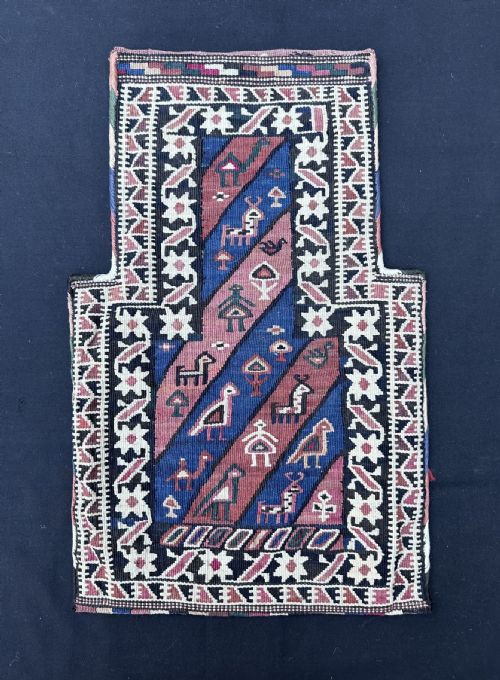
Nomadic groups created bags such as mafrash and salt-bags to store household goods, grains, and personal items inside portable tents.
Their sturdy construction from wool or goat hair ensured protection against moisture and the rigours of seasonal migration.
How do I care for flatweaves?
Gentle vacuuming without a rotating brush helps remove dust from wool and cotton fibres without damaging the delicate structure of the weave.
Professional textile conservators should handle any necessary washing to preserve natural dyes and prevent shrinkage.
Are these pieces purely decorative?
While contemporary homes frequently display these textiles as wall hangings or floor coverings, their origins are entirely functional.
Each piece served a precise purpose in pastoral life, from horse blankets to tent bands securing nomadic dwellings.