



Vintage Fish Painting
A vintage fish painting brings the quiet patience of coastal harbours and maritime scenes into a room.
Vintage Fish Painting
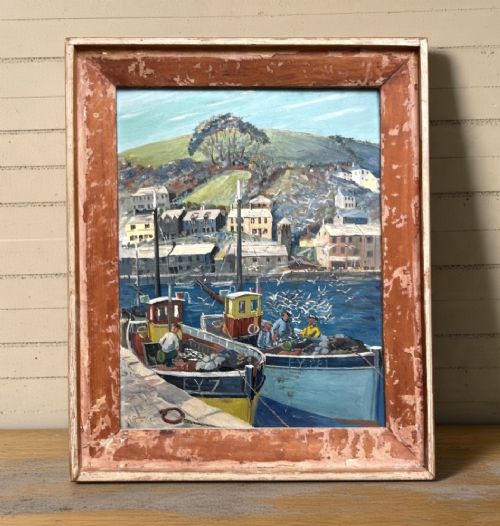
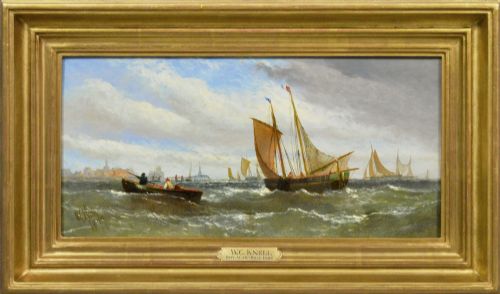
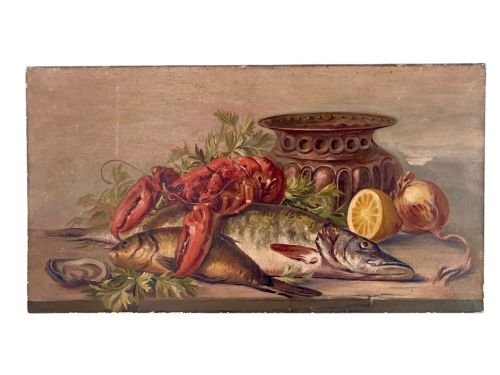
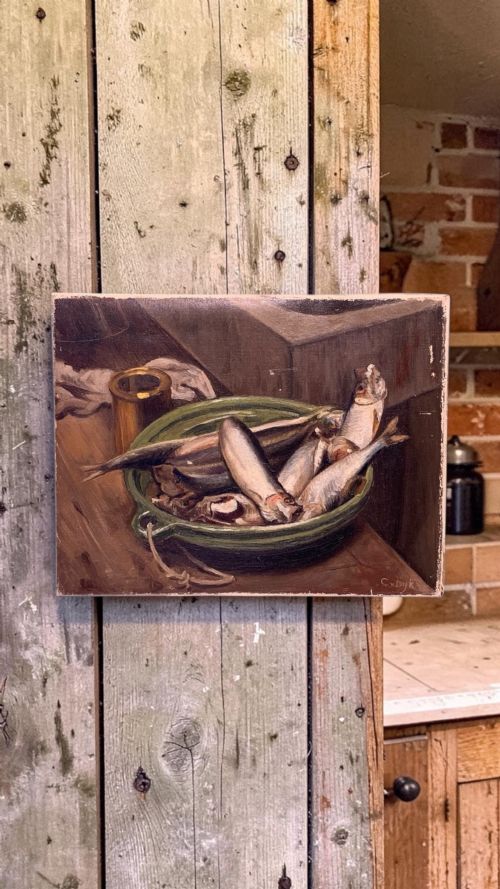
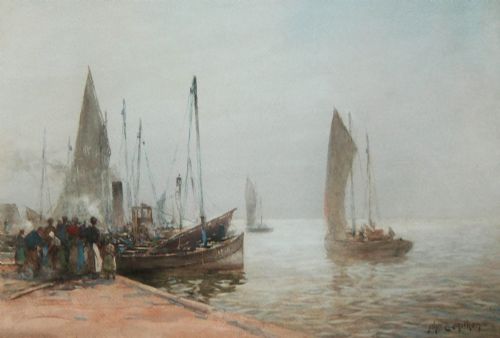
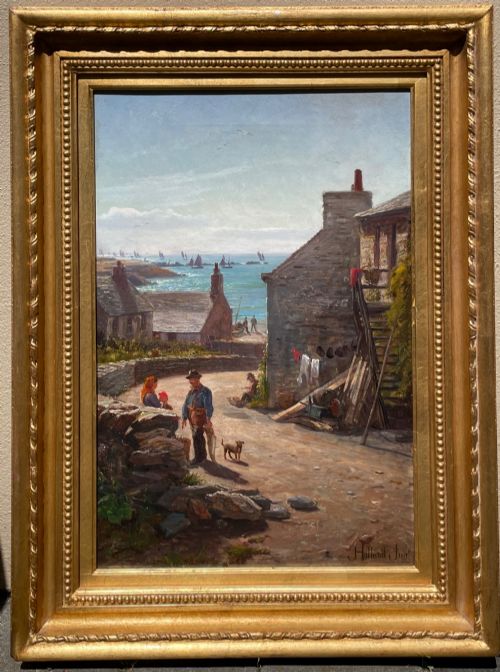
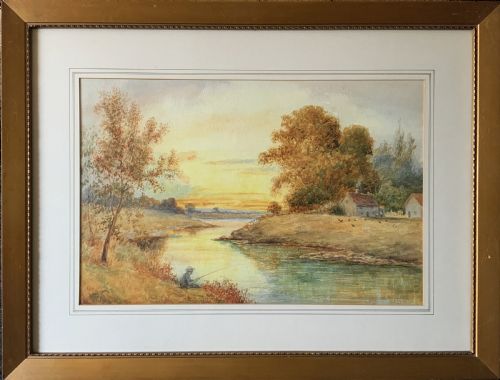
A vintage fish painting encompasses maritime watercolours, coastal oils, and harbour scenes depicting boats, catches, and seaside life. Collectors searching this phrase encounter works ranging from Victorian coastal views to mid-century British landscapes and French still lifes.
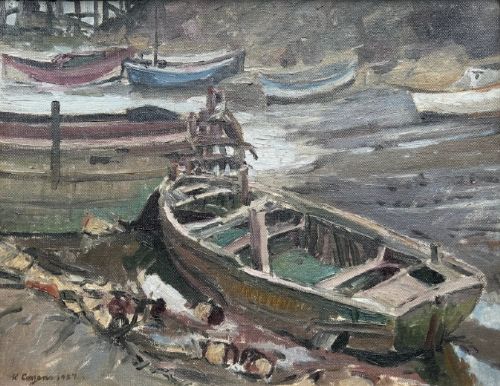
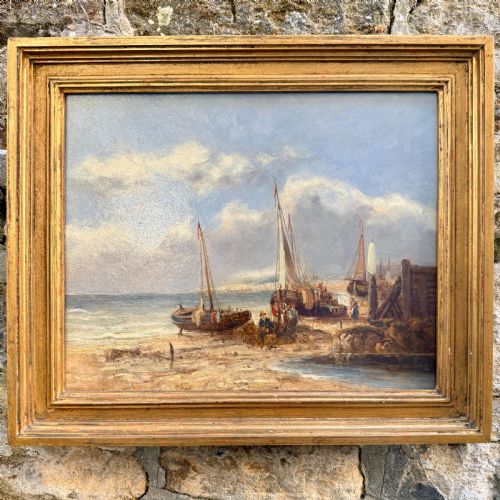
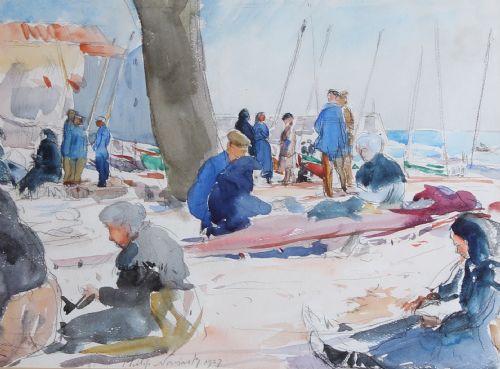
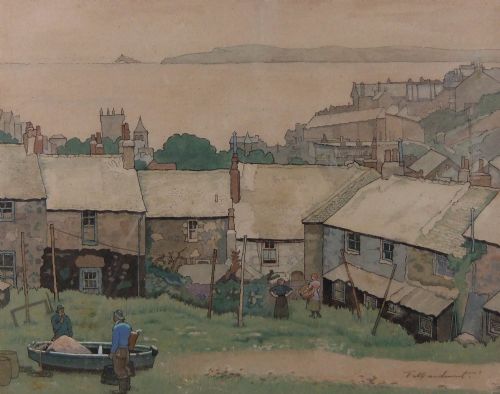
The selections on this page lean heavily toward nineteenth-century depictions of fishing vessels and early twentieth-century harbour watercolours. These pieces document coastal trades and regional ports across Britain and France with observational detail.
Materials and technique
Artists painted these subjects using oil on canvas, oil on board, and watercolour pigment on paper. Canvas supports suited larger marine compositions, whilst watercolours captured the translucent quality of coastal light and sea spray.
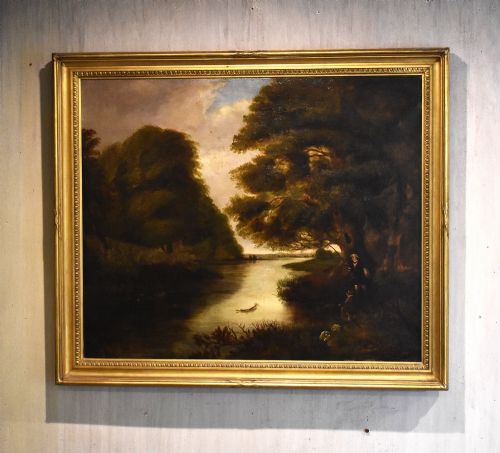
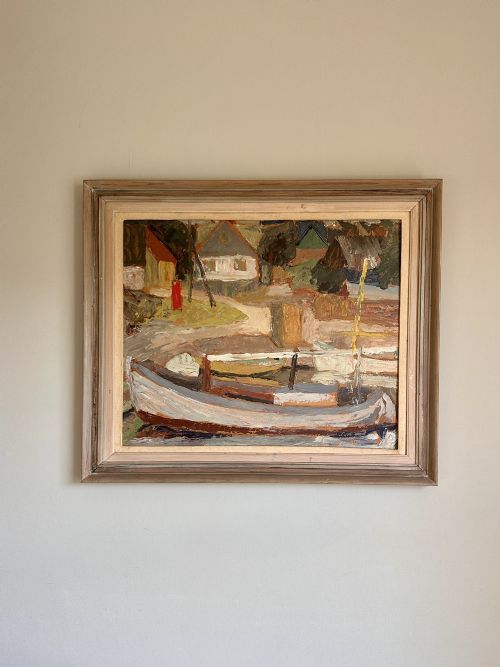
Framed works frequently utilise carved and gilded wood surrounds that complement the period of the painting. Brushwork ranges from tight realist marine detail to looser post-impressionist application.
Vintage Fish Painting Retail Price Guide 2026
Typical asking prices for vintage fish painting among the pieces listed under this phrase on Sellingantiques today, from the lower quarter to the upper quarter. They describe what is for sale here now, not the wider market.
The listings feature works spanning from the nineteenth century through the 1960s, executed in oil and watercolour on canvas, board, and paper.
Distinctions in quality
Quality rests upon the artist's command of atmospheric light, marine anatomy, and compositional balance. Superior works convey movement in water and weather with confident brushwork rather than rigid formulas.
Provenance and documented exhibition history elevate certain pieces, alongside the strength of the signature and the preservation of the original pigment. The skill in rendering maritime architecture and rigging separates accomplished works from standard decorative studies.
William Calcott Knell·Philip Naviasky·Thomas Maidment·George Stanfield Walters·Charles Napier Hemy·Thomas Bush Hardy·Gustave de Breanski
The Vintage Fish Painting Glossary
- Oil on canvas
- Pigment suspended in drying oil applied to stretched fabric. This medium allowed artists to build rich textures and deep marine tones.
- Watercolour
- Paint consisting of water-soluble pigment suspended in a gum binder. It relies on the white of the paper to provide luminosity.
- Seascape
- A work of art depicting the sea, coastal views, or maritime vessels. These compositions often focus on harbours, fishing boats, and tidal changes.
- Impressionism
- An art style characterised by relatively small, thin, yet visible brush strokes and an emphasis on accurate depiction of light. Artists applied this method to capture fleeting coastal moments.
- Folk art
- Art produced from an indigenous cultural tradition or by a self-taught artist. These pieces often display charming disregard for academic perspective in favour of direct expression.
Vintage Fish Painting: Frequently Asked Questions
How do I date a vintage fish painting?
Dating relies upon stylistic cues, artist signatures, and framing materials. Victorian works often show tighter academic control, while twentieth-century examples embrace looser impressionist brushwork.
Examining the canvas backing, paper type, and any inscriptions on the reverse can also narrow down the decade of creation.
Where should I hang a marine painting?
These works suit dining rooms, studies, or living spaces where their coastal narratives can be appreciated at close range. Pairing them with natural wood furnishings enhances their maritime character.
Avoid placing original watercolours or oils in direct sunlight to protect the pigments from fading over time.
What is the difference between oil and watercolour marine art?
Oils offer rich texture and deep colour saturation, making them ideal for dramatic seascapes and stormy waters. Watercolours provide a lighter, luminous quality that captures delicate coastal mists and calm harbours.
Both mediums held prominent places in nineteenth and twentieth-century maritime recording.
How do I care for a framed artwork?
Keep the piece in a stable environment away from excessive humidity and rapid temperature fluctuations. Dust the frame gently with a dry, soft cloth and check the backing occasionally for ventilation.
Professional framing with conservation glass helps preserve paper works against environmental damage.