
Vintage Fire Guard
A vintage fire guard is a functional domestic barrier that keeps stray embers at bay while anchoring the hearth.
Vintage Fire Guard
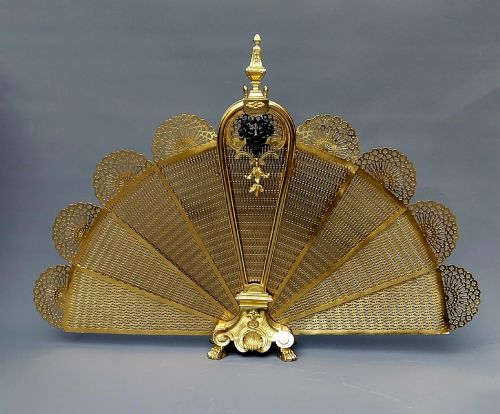
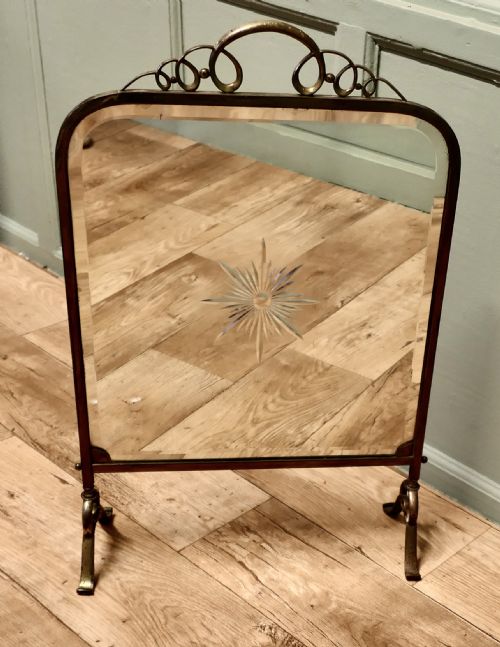
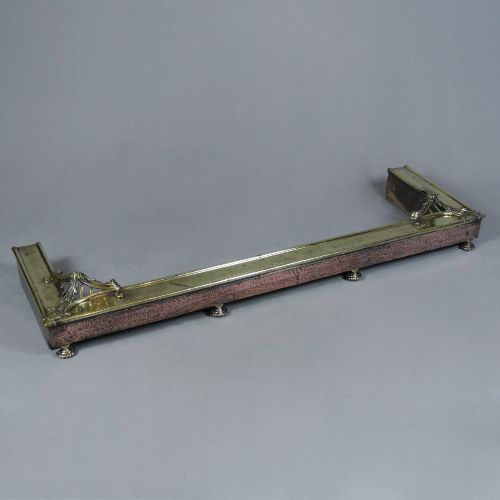
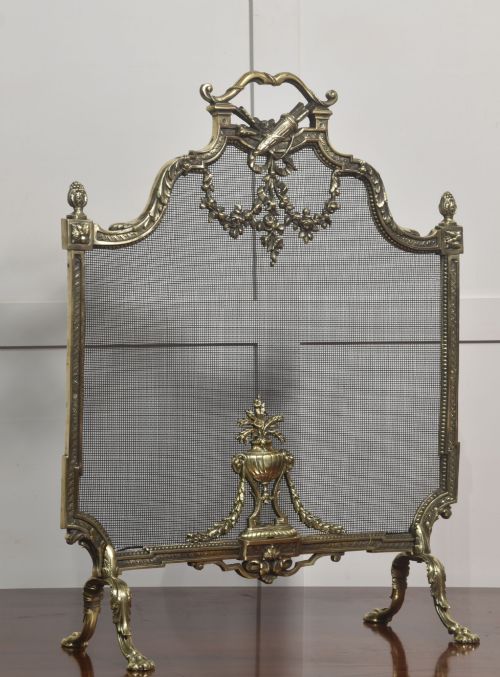
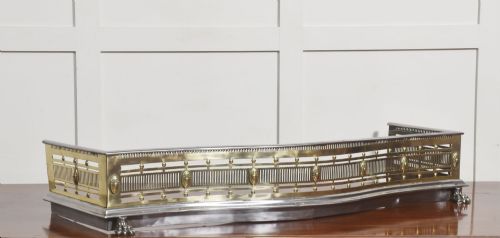
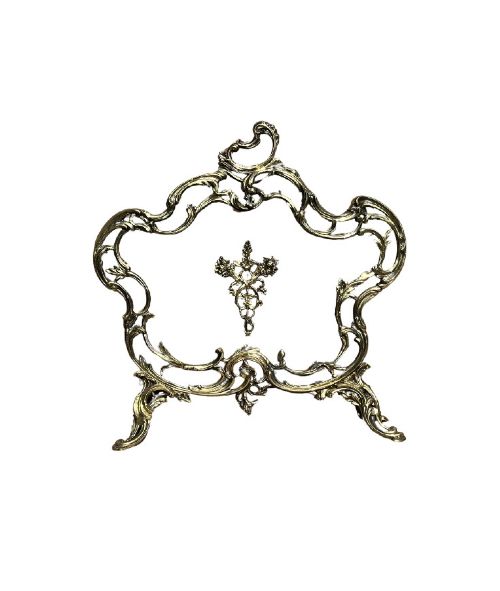
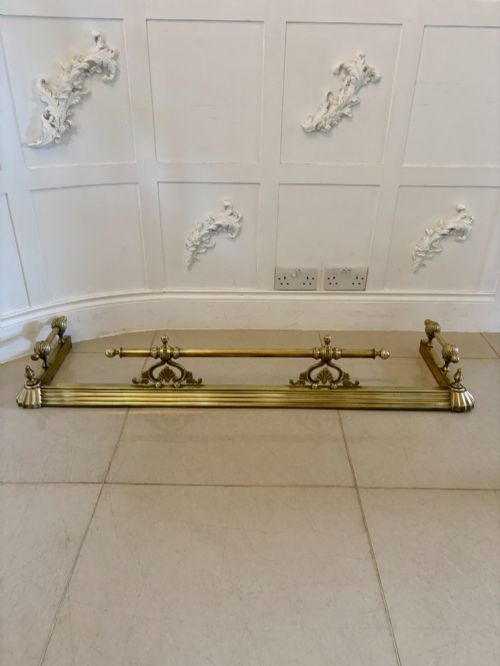
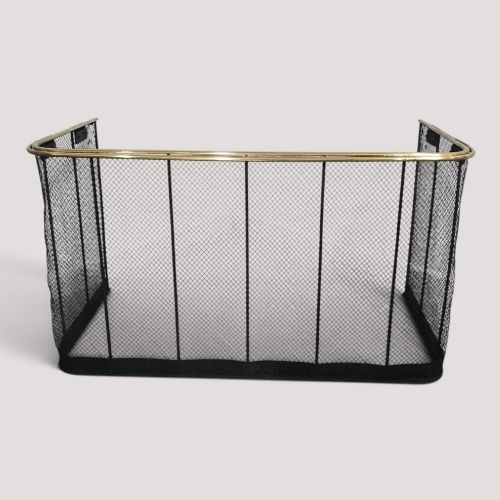
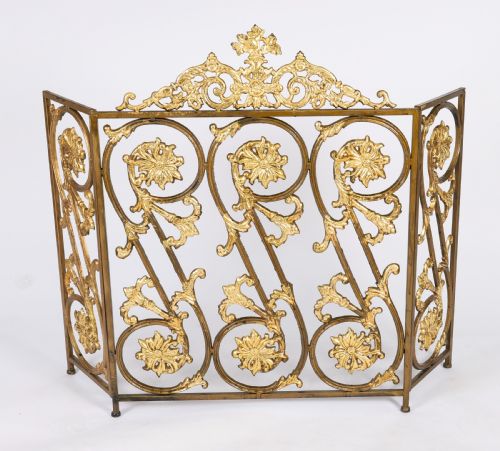
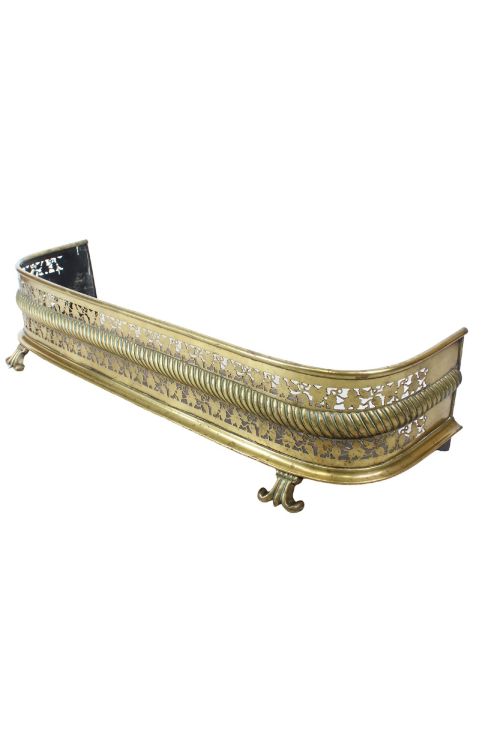
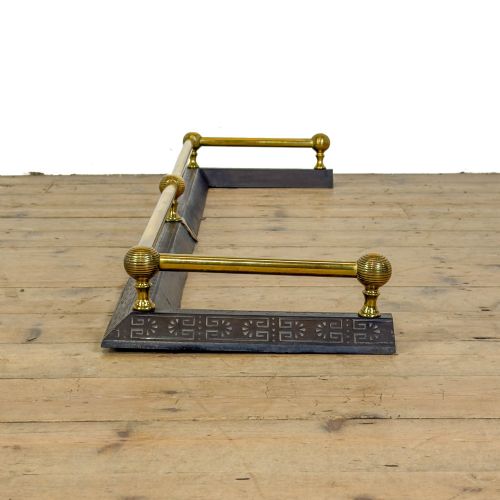
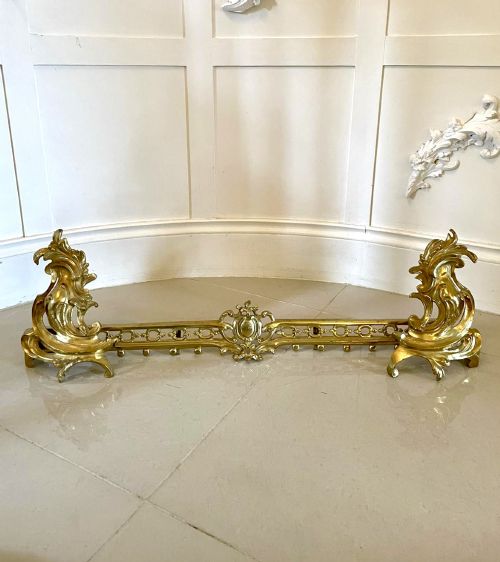
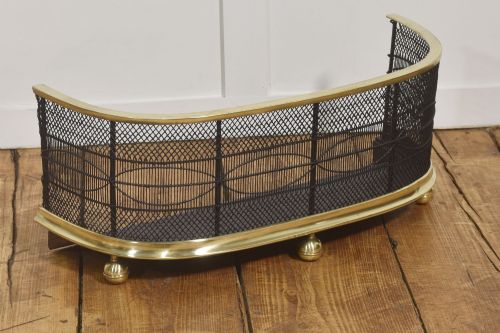
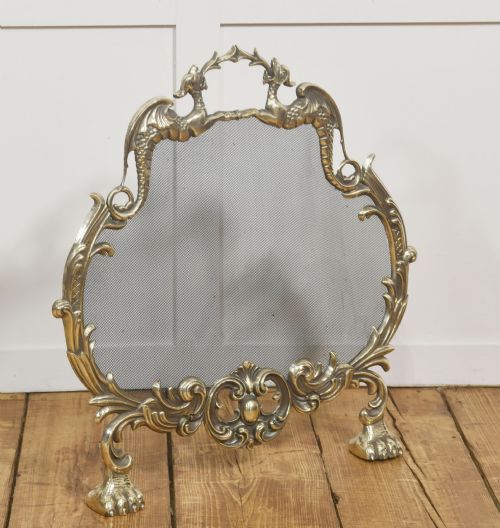
When you search for a vintage fire guard, you encounter an array of hearth furniture designed to protect rooms from sparks and radiant heat. The pieces span periods from the nineteenth century into the twentieth, taking the form of upright screens, low fenders, and folding guards.
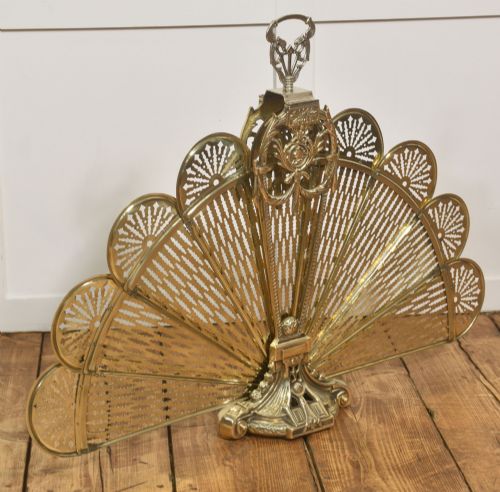
You are most likely to meet brass and copper constructions on this page, often styled in the Victorian or Arts and Crafts manner. These objects range from simple wire mesh barriers to ornate folding peacock fan screens and heavy metal fenders.
The assortment includes specialised items such as club fenders, nursery guards, and glass reflectors. Each piece reflects the domestic priorities of its era, combining metalwork utility with period decorative arts.
How they were made
Maker's workshops employed brass, copper, iron, and steel, shaping them through casting, piercing, riveting, and wirework. Metal sheets were frequently embossed or chased with floral pateras, coats of arms, and geometric motifs.
Frames often combined contrasting metals, pairing steel bars with polished brass tops or incorporating stained glass panels and leather seating. Folding sections utilised hinges to allow flexible placement around the hearth.
Listings feature eighteenth-century Regency items alongside nineteenth-century Victorian pieces and early twentieth-century Art Deco designs.
What varies in quality
The calibre of a piece is evident in the weight of the metal and the crispness of any pierced or chased decoration. Substantial brass castings and tight, even wirework denote superior construction compared to lighter, stamped alternatives.
Design integration also separates the standard from the exceptional, as seen in the deliberate patination of steel frames and the balanced composition of Arts and Crafts or Art Nouveau motifs.
The Vintage Fire Guard Glossary
- Fire guard
- A protective barrier placed in front of an open fireplace to contain sparks and ash. These can be rigid upright screens or folding mesh assemblies.
- Fender
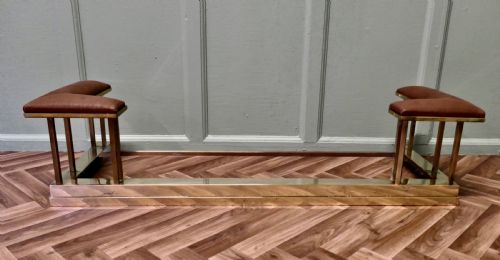
- A low metal frame that sits on the hearth to enclose the fireplace opening. Some examples incorporate upholstered leather seats for fireside sitting.
- Club fender
- A sturdy hearth fender featuring padded leather top rails designed for seating. They originated in gentlemen's clubs and country houses.
- Patera
- A circular ornamental bas-relief resembling a classical libation dish. This motif frequently appears stamped or cast on Victorian copper and brass fenders.
Vintage Fire Guard: Frequently Asked Questions
What is a club fender?
A club fender is a low hearth surround featuring cushioned leather seats along the top rails. They provide a practical spot to sit close to the fire.
These pieces combined metal frames of brass or steel with upholstered seating, making them a sociable feature of period drawing rooms.
How do I use a fire screen?
A fire screen stands before the fireplace opening when the hearth is unlit or to block excess radiant heat. Folding varieties allow you to adjust the coverage.
They serve as decorative room focal points during warmer months when fires are not burning.
What materials were used?
Hearth guards and fenders utilised metals such as brass, copper, iron, and steel. Some incorporated wire mesh, glass panels, or stained glass.
Details like leather upholstery and gilt bronze accents appear on finer nineteenth and twentieth-century examples.
How do I identify Victorian pieces?
Victorian fire furniture often displays characteristic styles such as Gothic Revival, Rococo Revival, or early Arts and Crafts influences. Look for pierced brass work and floral patera decorations.
Construction methods from this era relied on heavier cast metals and riveted copper sheeting.