
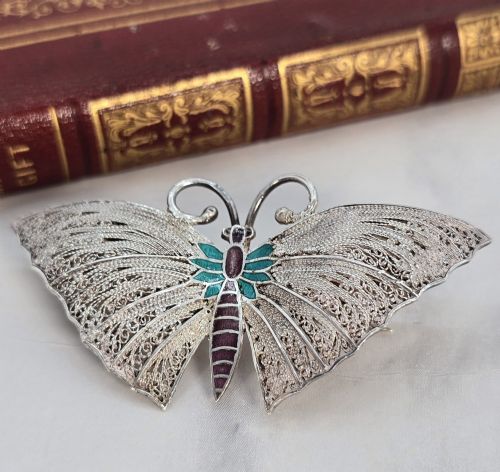


Vintage Filigree Brooch
These vintage filigree brooch examples span delicate butterfly forms and geometric bar designs, offering intricate metalwork that catches the eye.
Vintage Filigree Brooch
When you search for vintage filigree brooch, you encounter intricate wirework jewellery spanning multiple decades and stylistic movements. These decorative fasteners served as prominent dress ornaments in periods ranging from the nineteenth century through the Art Deco era.
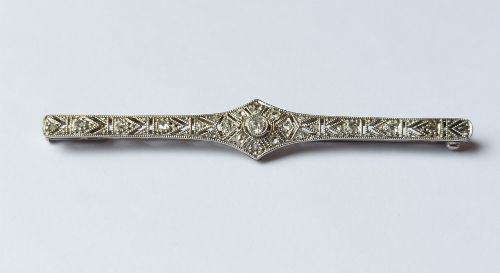
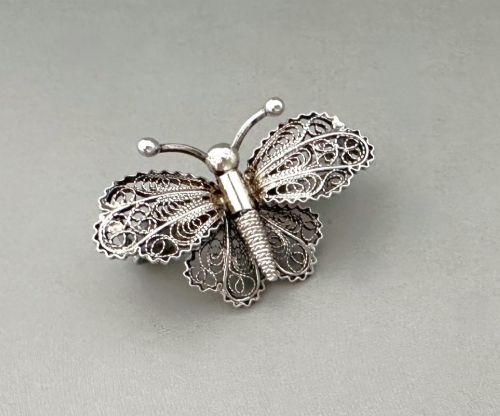
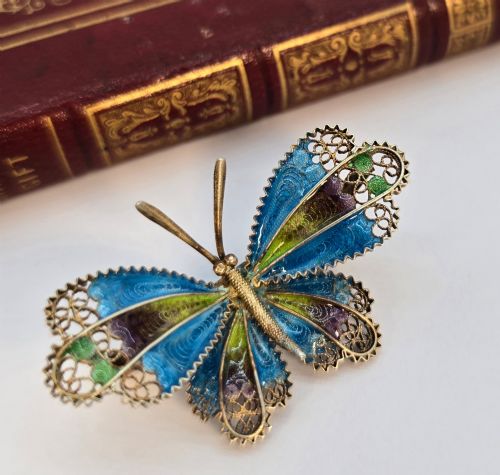
The pieces most frequently met on this page include silver and enamel butterfly motifs alongside platinum and diamond bar designs. Examples originate from diverse workshops, including continental, Chinese export, and British makers of the Edwardian and later twentieth-century periods.
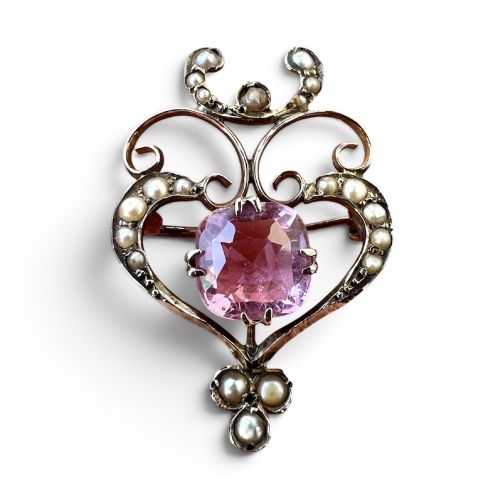
Forms vary from delicate insect silhouettes to substantial gemstone-set clusters incorporating yellow gold and platinum. Each item demonstrates the meticulous manipulation of fine metal threads soldered into openwork patterns.
How they were made
Silversmiths and jewellers constructed these items by twisting and shaping fine threads of silver, yellow gold, or platinum into lace-like openwork patterns. Artisans then soldered these delicate wire motifs onto supportive metal frames to create lightweight yet structurally sound ornaments.
Many examples incorporate vitreous enamel applied within the metal cells, alongside gemstones such as diamonds, tourmalines, and pearls. Makers utilised techniques including silver gilding and detailed stone setting to enhance the visual depth of the intricate metal scrolls.
Butterflies emerge as a persistent favourite among these metal threads, stubbornly refusing to fly away from the jeweller's bench.
What varies in quality
Quality in these ornaments rests upon the precision of the wirework and the complexity of the soldered junctions. Finer examples display perfectly uniform twists and secure joints without excess solder obscuring the delicate openwork design.
The choice of materials also divides the range, moving from base silver gilt and standard silver to substantial platinum settings housing diamonds, sapphires, and carved cameos. Superior pieces exhibit harmonious stone selection and pristine enamel work alongside robust pin mechanisms.
Ivar T Holth
The Vintage Filigree Brooch Glossary
- Filigree
- Fine metal wire, usually of gold or silver, soldered into intricate openwork patterns. This technique creates a delicate lace-like effect characteristic of traditional jewellery production.
- Silver Gilt
- Silver that has been coated with a thin layer of gold. This treatment provides the warm colour of gold while utilising a silver base for the filigree structure.
- Art Deco
- A design style prevalent in the nineteen-twenties and thirties characterised by geometric shapes, stylised motifs, and sleek lines. Pieces from this period often pair platinum with diamonds in sharp symmetry.
- Cell
- An individual compartment formed by soldered metal wires designed to hold vitreous enamel. These enclosures define the colourful patterns seen in butterfly and floral brooches.
Vintage Filigree Brooch: Frequently Asked Questions
How do I date a filigree brooch?
Dating relies upon examining the materials, construction techniques, and prevailing design styles present in the piece. Victorian examples often feature heavy gold and natural stones, while nineteen-thirties pieces frequently showcase geometric platinum settings or colourful enamel butterfly designs.
Maker marks and metal purity stamps also assist in establishing a reliable timeframe of manufacture.
How were enamel butterfly brooches made?
Artisans formed the butterfly wings using fine silver wire soldered to a base plate to create small enclosed cells. They then filled these compartments with coloured vitreous enamel before firing the piece to achieve a glossy finish.
This technique combined meticulous wirework with vibrant colour application popular during the early twentieth century.
Can I wear a vintage brooch daily?
Wearing these ornaments daily is possible provided you handle them with care, particularly delicate wirework or enamel examples. Securing the pin properly prevents accidental loss during regular movement.
Sturdier platinum and diamond bar designs generally withstand frequent wear better than fragile openwork silver pieces.