


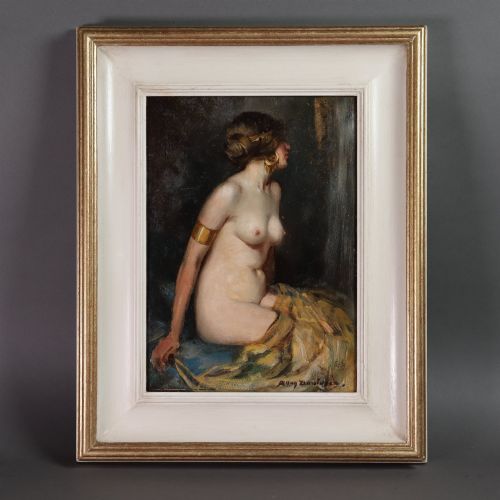


Vintage Figure Study Painting
A vintage figure study painting captures the human form with direct observation, offering collectors intimate glimpses into academic training, studio practice, and artistic experimentation.
Vintage Figure Study Painting
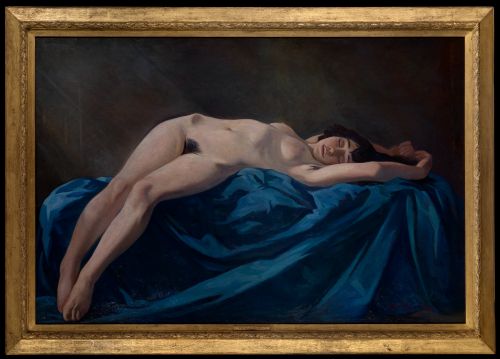
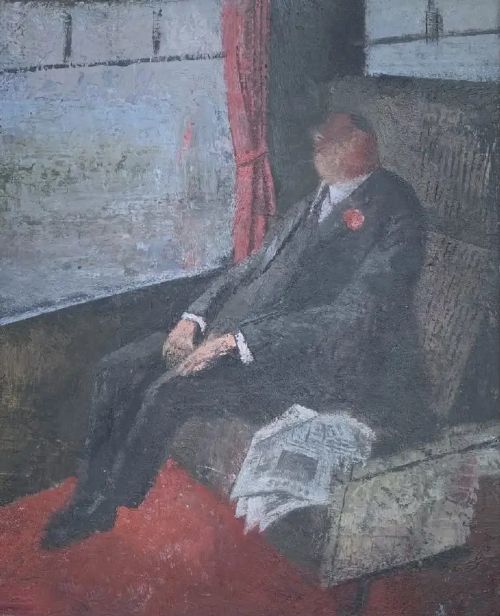
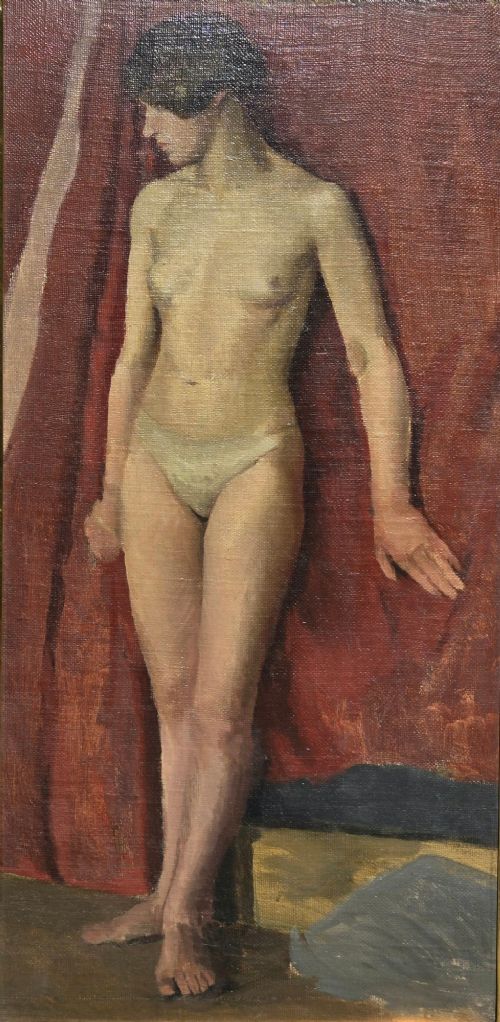
A vintage figure study painting focuses primarily on the human body, utilising canvases, boards, and paper to record models in reposing, standing, or reclining positions. These works emerge from diverse movements ranging from nineteenth-century realism to mid-century expressionism and modern British styles.
Collectors frequently encounter oil paint and watercolour mediums applied across periods spanning the Victorian era through the mid-twentieth century. The selection includes academic compositions alongside impressionist treatments and experimental modernist interpretations.
The scope extends from anonymous British school canvases to signed works by listed artists working within studio settings. Subjects encompass singular nudes, portraits, and narrative figure groupings executed with varying degrees of finish.
Materials and technique
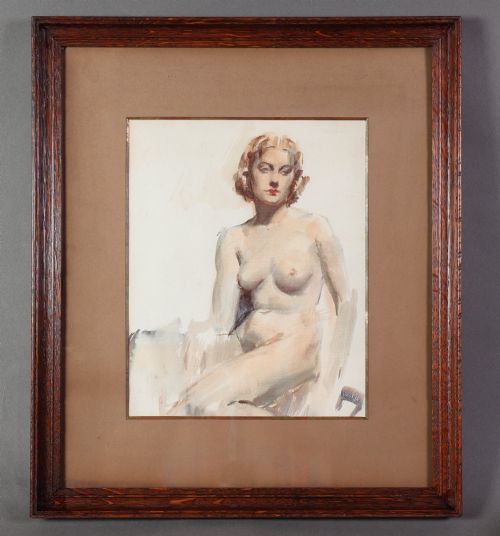
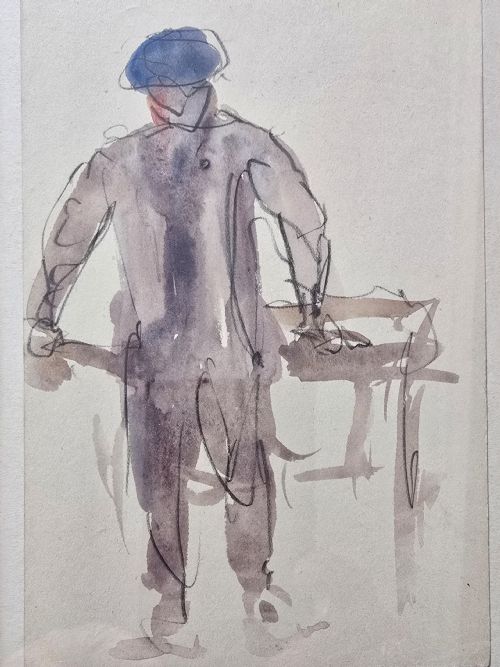
Artists deployed oil paint primarily on stretched canvas, wood panels, or boards, layering pigment to build depth in flesh tones and shadows. Watercolour and pastel appear frequently on paper supports, allowing for immediate gestural marks during life-drawing sessions.
Brushwork varies from tight academic realism to loose, expressive strokes characteristic of mid-century expressionism and fauve compositions. Support preparation involves standard gesso priming on canvas or direct application to tinted paper and board surfaces.
Several artists managed to capture the human form while their feline companions lounged nearby.
Distinctions in quality
Anatomical conviction and the artist's ability to render volume through light and shadow determine the visual success of a composition. Masterly handling of brushwork distinguishes expressive gestural studies from rigid academic exercises.
The integration of the figure within its surrounding studio or landscape environment dictates overall aesthetic cohesion. Strong tonal contrast and confident draftsmanship elevate individual pieces above standard instructional exercises.
Eric Robertson·Winifred Rymer·Alexandre Louis Martin·Allan Douglas Davidson·James Clark·Ferdinand Preiss·Josef Lorenzl·Yetta Kane·Bruno Zach·Frank Dobson·Dame Laura Knight
The Vintage Figure Study Painting Glossary
- En grisaille
- Monochrome painting executed entirely in shades of grey, often used by artists to study tonal values before introducing colour.
- Chiaroscuro
- Strong contrast between light and dark to create a three-dimensional volume on flat surfaces.
- Academic Realism
- Formal artistic training method emphasising meticulous observation, precise anatomy, and finished surfaces.
- Impressionism
- Painting style focusing on light, loose brushwork, and immediate visual impressions rather than detailed precision.
Vintage Figure Study Painting: Frequently Asked Questions
What defines a figure study?
A figure study is an artwork created primarily to examine the human form, often executed from a live model in a studio setting. These works range from rapid sketches to fully realised oil paintings.
Artists used these pieces to practice anatomy, lighting, and composition before incorporating figures into larger narrative works.
How are these paintings dated?
Dating relies on stylistic evidence, artist signatures, framing materials, and canvas stamps. Mid-century works often display expressionist or fauve influences, whereas nineteenth-century pieces adhere to traditional realism.
Exhibition labels and biographical dates of listed painters provide further chronological context for unsigned works.
Where were these studies created?
Many originated within formal art academies, private studios, and plein-air painting locations across Britain and continental Europe. British school pieces and continental works reflect the prevailing academic training of their respective periods.
Artists frequently worked in shared studio spaces where professional models posed for extended sessions.
How should I display them?
Framing should complement the period and medium of the artwork, using traditional wood mouldings for oil canvases or simple mounts for works on paper. Proper placement avoids direct sunlight to protect sensitive watercolours and oil pigments.
Wall placement benefits from neutral backgrounds that allow the tonal range of the figure to stand out clearly.