



Vintage Figural Lamp
A vintage figural lamp brings sculptural presence to a room, shaping light around human, animal or mythical forms cast in metal and porcelain.
Vintage Figural Lamp
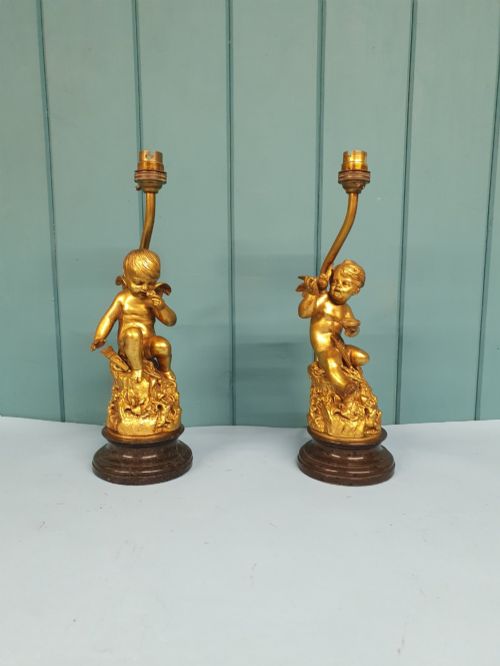
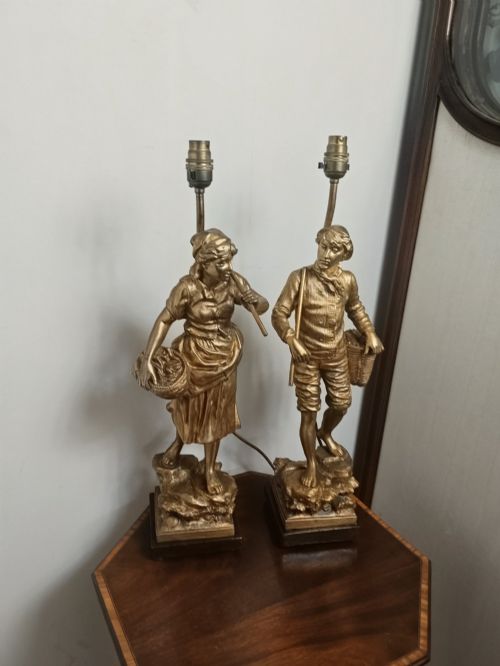
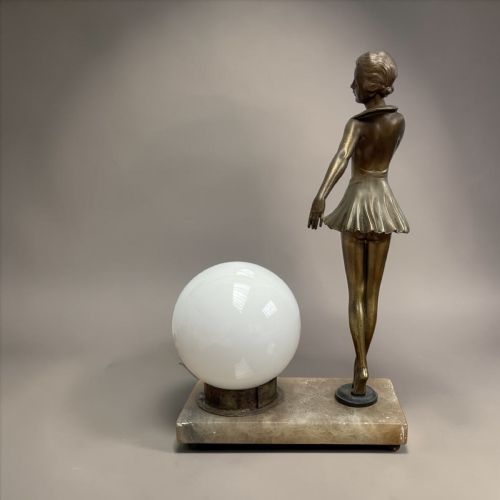
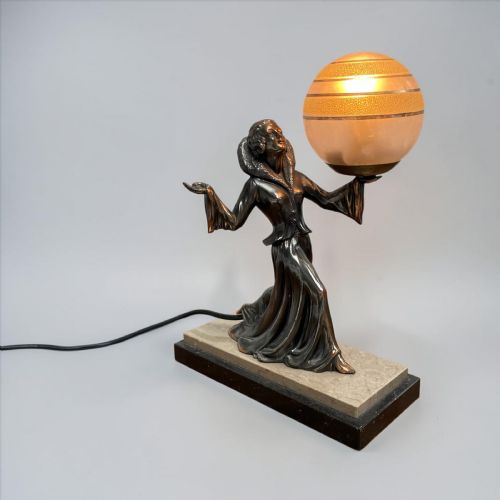
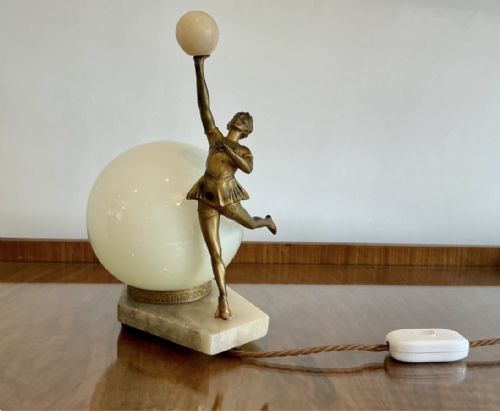
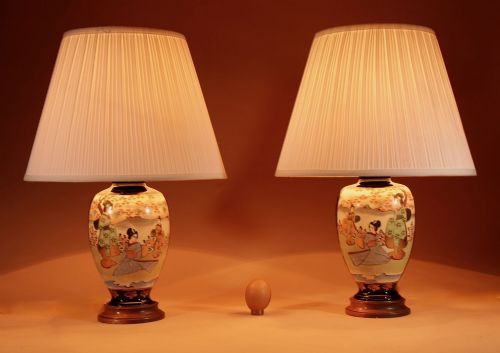
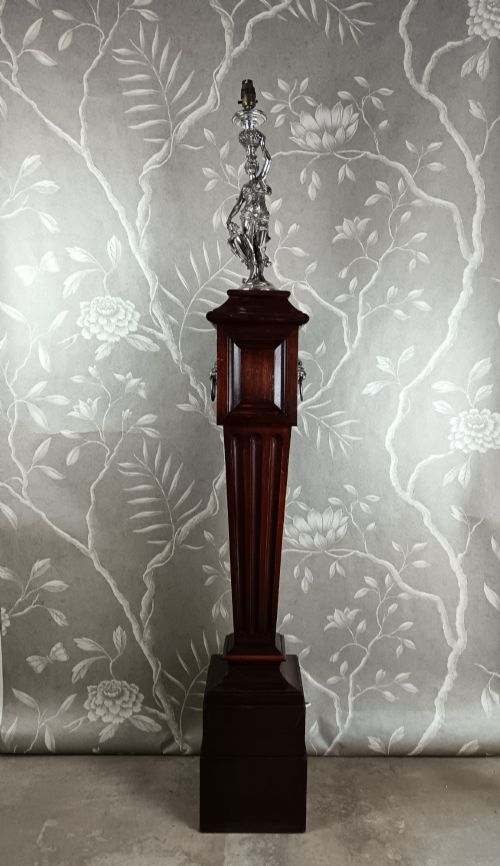
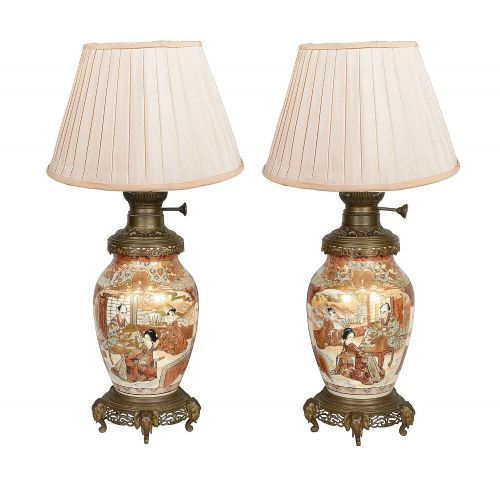
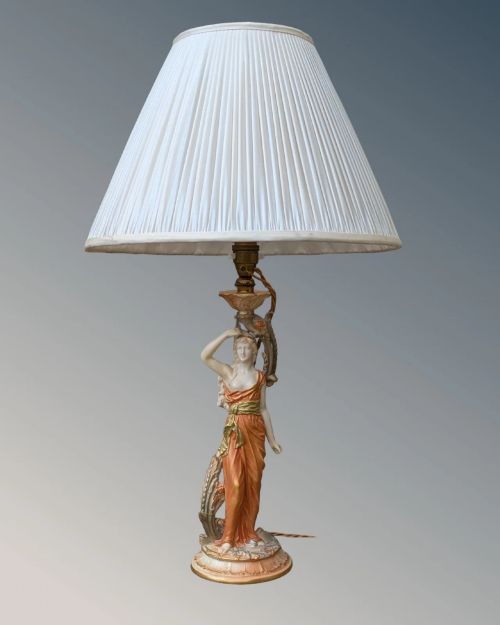
A vintage figural lamp integrates a sculptural human or symbolic subject into a functional lighting piece, drawing on forms from the nineteenth century through the mid twentieth century. Buyers seeking a vintage figural lamp encounter table lamps, floor standards and wall sconces shaped as cherubs, classical maidens, Art Deco ladies and Orientalist figures.
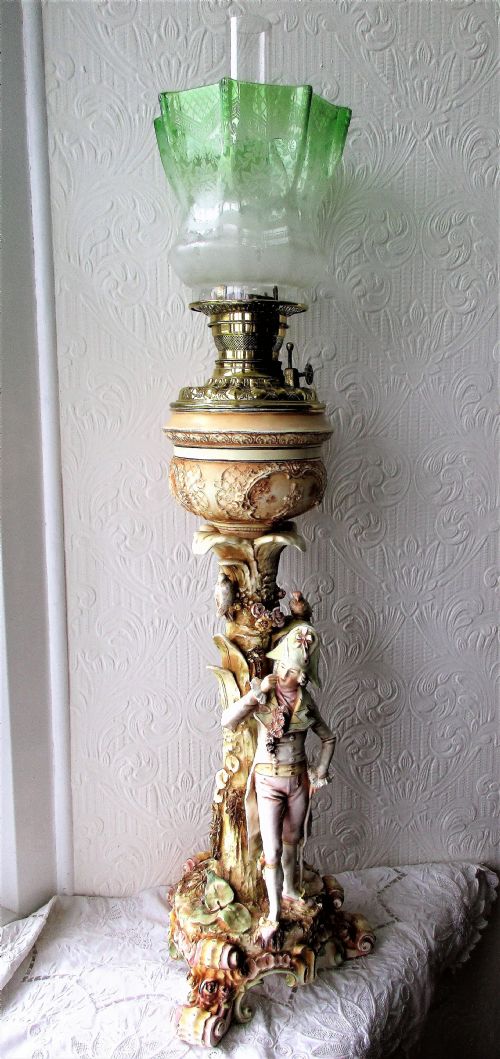
The selection ranges from Victorian porcelain oil conversions to sleek Art Deco spelter nudes and Edwardian carved standards. Many pieces incorporate bases of marble, brass or gilt bronze to support the central figural body.
Materials and construction
Makers shaped these pieces using cast metals such as brass, bronze and spelter, alongside carved wood, gesso and moulded porcelain or frosted glass. Figures often sit upon heavy plinths of marble or carved stone to provide stability for the vertical shaft.
Finishes include gilt toleware, hand-painted polychrome details on porcelain bodies, and patinated bronze surfaces. Wiring configurations vary, reflecting original oil conversions or subsequent electrical updates.
Cleopatra occasionally shares the wiring with an asp.
Assessing quality
The choice of materials, such as genuine marble plinths and heavy cast bronze or fine porcelain from recognised potteries, marks the distinction between standard decorative items and superior examples.
E Rousseau·WMF·Karl Ens·Anton Buschelberger·Ivan Zaiec·H Moreau
The Vintage Figural Lamp Glossary
- Spelter
- A zinc alloy commonly used as a substitute for bronze in decorative figures, often painted to resemble patinated metal.
- Torchère
- A tall ornamental stand or lamp designed to hold lights aloft, frequently modeled as a classical figure holding a torch.
- Gesso
- A plaster-based material applied to carved wood surfaces to prepare them for gilding or painting.
- Bisque
- Unglazed porcelain with a matte, marble-like texture frequently utilised for detailed figural sculpture.
Vintage Figural Lamp: Frequently Asked Questions
What periods do these lamps come from?
The inventory spans the nineteenth century through the nineteen-forties, covering Victorian, Edwardian, Art Nouveau and Art Deco movements.
Earlier pieces often derive from nineteenth-century oil lamp conversions, while nineteen-twenties and thirties pieces favour modernist figures and stylized nudes.
How were figural lamps originally used?
These pieces served as functional interior illumination while functioning primarily as sculptural ornaments on side tables, pedestals or desks.
Many started as oil lamps before undergoing conversion to electricity during subsequent decades.
Are the shades original?
Shades frequently date from later periods or represent modern replacements suited to contemporary electrical safety standards.
Original components typically refer to the figural base, stem and mountings rather than fabric or glass shades.
How do I identify Art Deco examples?
Art Deco pieces display geometric streamlining, stylized clothing and modernist poses, often utilising spelter, marble or blue and white porcelain.
Figures frequently stand on spherical bases or stepped plinths typical of nineteen-twenties and thirties design.