


Vintage Female Oil Painting
A vintage female oil painting brings character to a room through centuries of portraiture and figurative study.
Vintage Female Oil Painting
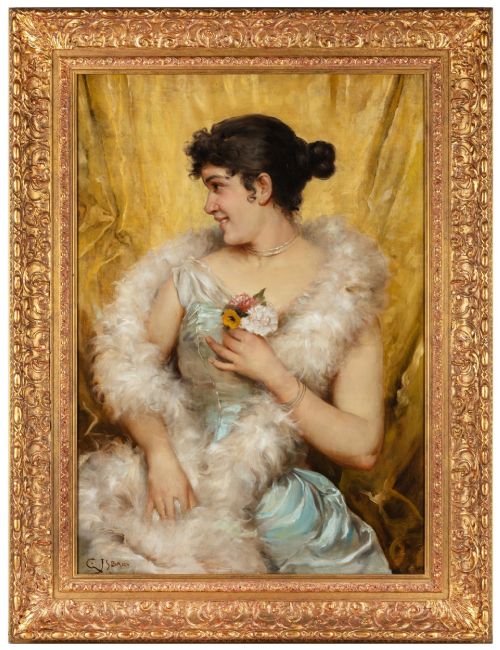
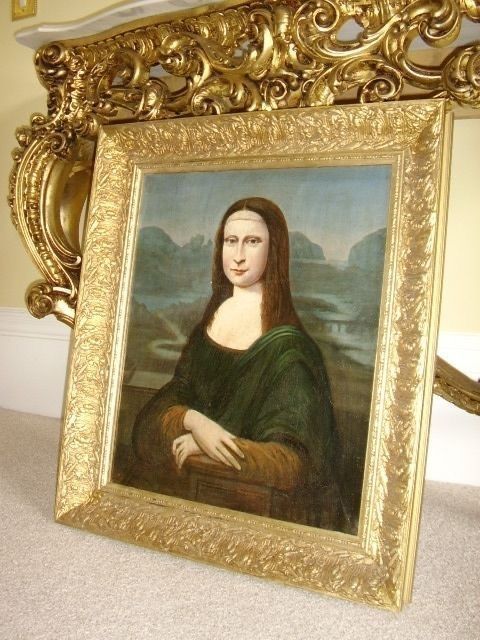
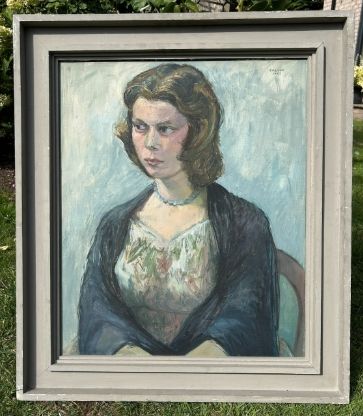
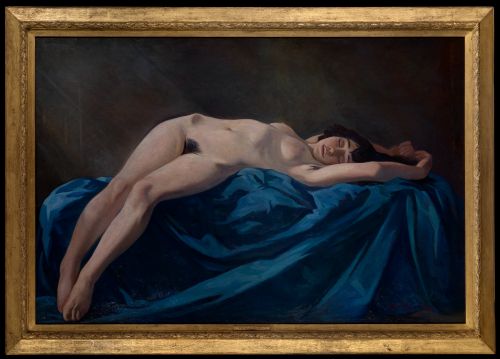
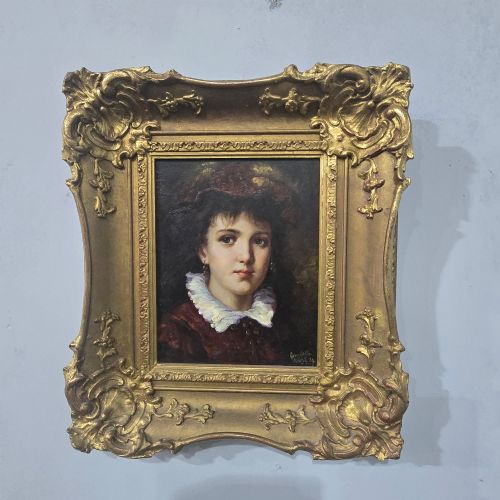
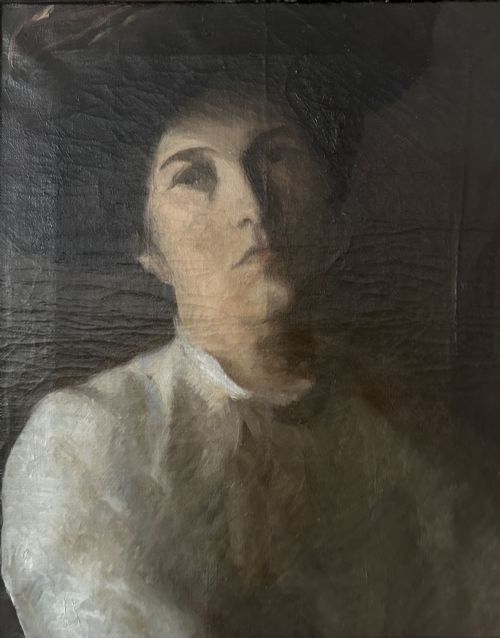
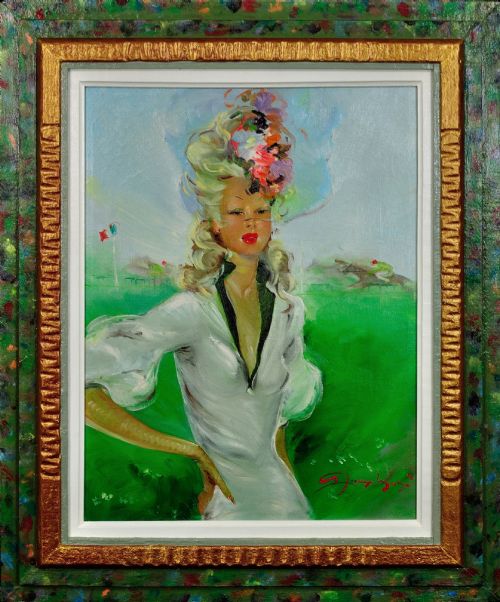
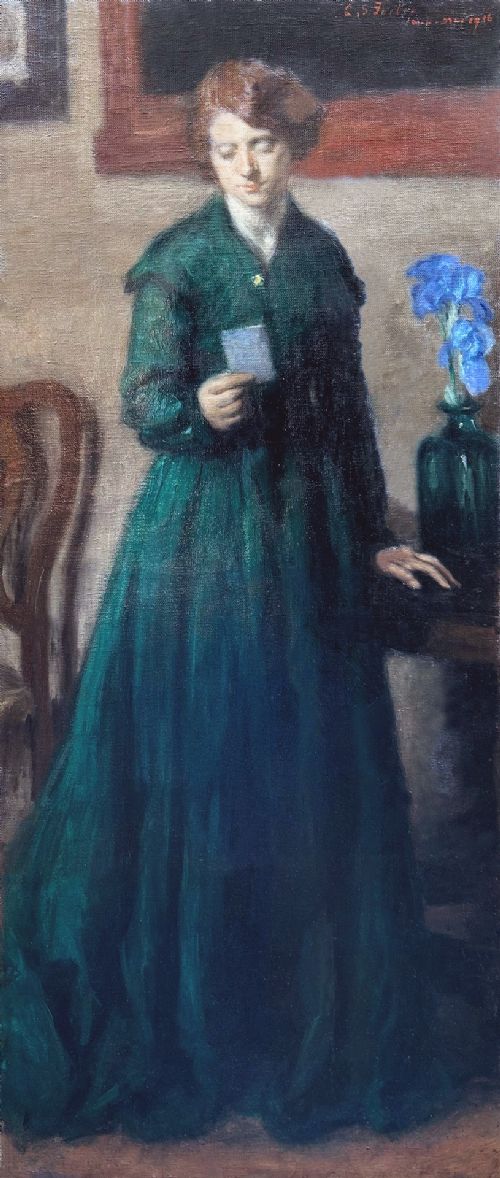
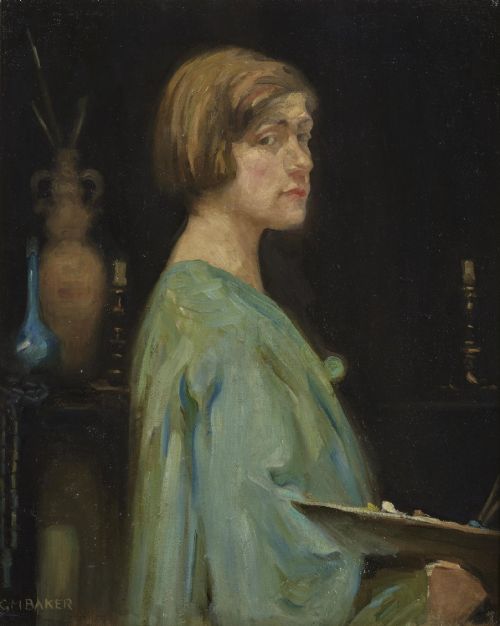
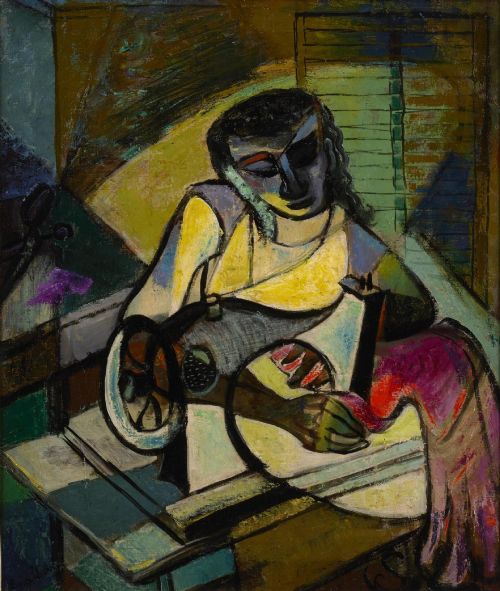
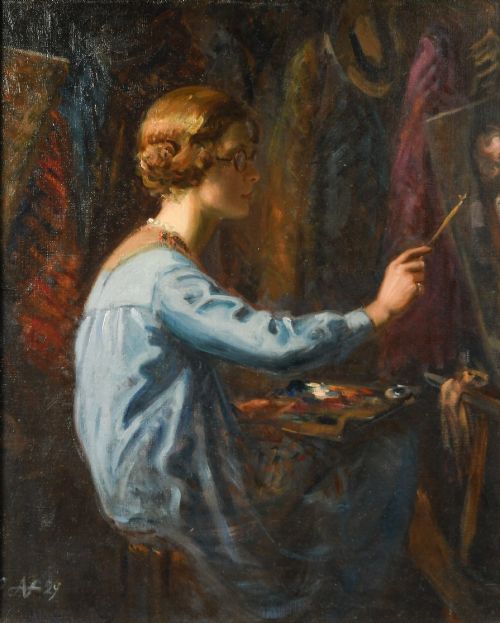
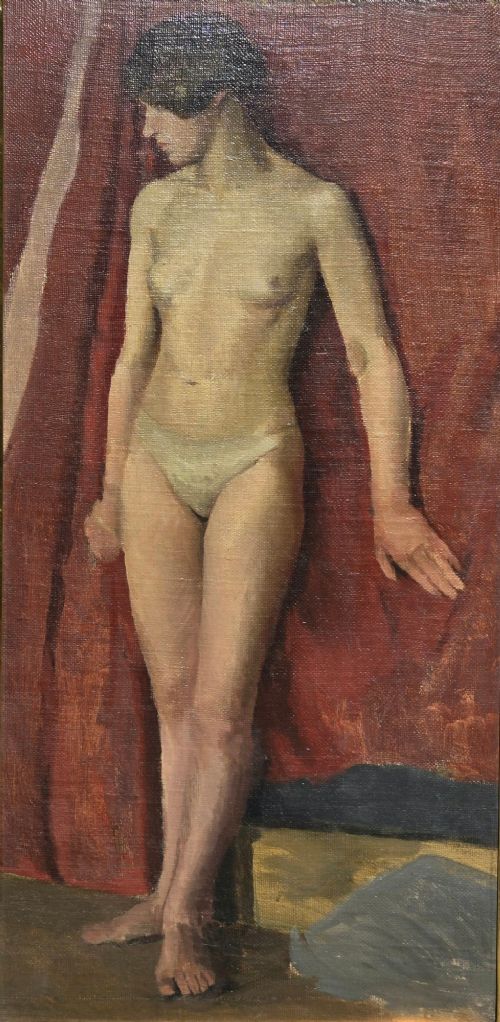
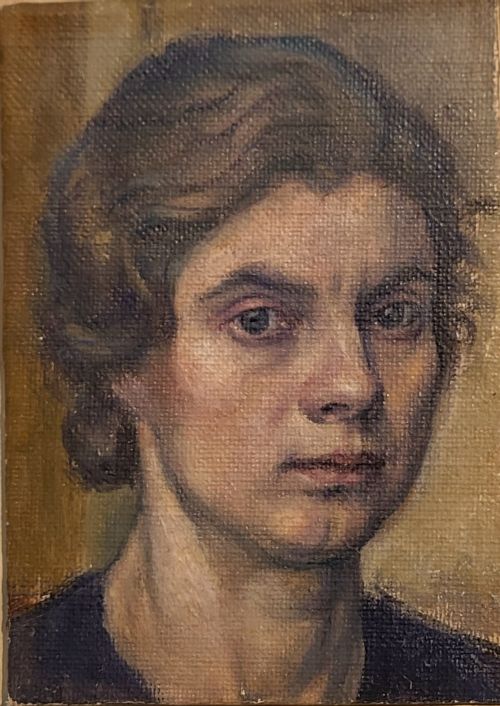
A vintage female oil painting covers works spanning from the seventeenth century through to the mid-twentieth century, capturing women in portraits, self-portraits, and figure studies. You will find academic commissions alongside intimate modernist works and post-impressionist canvases.
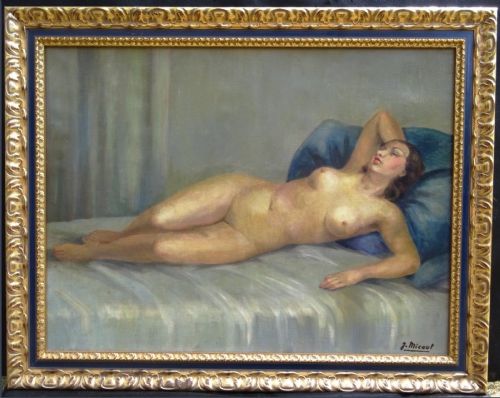
The selections on this page range from grand nineteenth-century society portraits to expressive twentieth-century nudes and character studies. These pieces record changing ideals of fashion, posture, and artistic interpretation across successive decades.
Materials and construction
Pigments bound in oil are applied to woven canvas, wood panels, or occasionally board and paper, building depth through layered brushwork. Many of these works retain their original gilded wood or painted frames, which complement the surface texture of the paint.
Supports vary according to period, with earlier works frequently utilising sturdy oak panels before canvas became the dominant medium. The combination of oil paint and appropriate stretched supports allows the rich colours and impasto textures to survive intact.
Listings feature works spanning from the seventeenth century to the mid-twentieth century, executed in oil on canvas, wood panel, board, and paper.
Judging quality and execution
Quality rests in the confidence of the brushwork and the artist's ability to render light, shadow, and expression convincingly. Superior examples demonstrate a careful balance of tone and structure, whether capturing the detailed attire of a noblewoman or the loose forms of a mid-century nude.
The handling of the subject's gaze and the integration of the figure within the background distinguish accomplished works from more formulaic pieces. Condition of the paint surface and the presence of original framing further contribute to the standing of an individual canvas.
John Hayls·Eric Robertson·Jean-Gabriel Domergue·Achille-Fould·Florence Small·Attilio Toro·Allan Douglas Davidson·Henri Vincent-Anglade
The Vintage Female Oil Painting Glossary
- Canvas
- A heavy woven fabric stretched across a wooden frame to serve as a support for oil painting. It provides a flexible yet durable surface that absorbs primer and paint layers.
- Impasto
- Paint applied thickly to a canvas or panel so that the brush or knife strokes stand visibly proud of the surface. This technique adds tactile dimension and captures light across the painted texture.
- Oil paint
- A slow-drying medium composed of pigments suspended in a drying oil, typically linseed. It allows for effortless blending and rich colour saturation.
- Panel
- A flat piece of wood or board used as a rigid support for painting instead of fabric canvas. Oak panels were particularly common in earlier centuries.
- Post-Impressionism
- An artistic movement following impressionism that explored emotional response and structural form rather than mere optical recording. Artists working in this style utilised bold colour and expressive brushwork.
Vintage Female Oil Painting: Frequently Asked Questions
How do I date a vintage oil painting?
Dating relies on stylistic clues, the clothing and hairstyle of the sitter, and the physical characteristics of the canvas or wood panel. Examining the stretcher frames, nails, and any inscriptions on the reverse often provides additional chronological markers.
Expert opinion and comparative examples from known periods help narrow down the decade of creation when signatures are absent or indistinct.
Where should I hang a portrait painting?
These works suit reception rooms, studies, or hallways where lighting can be controlled to prevent direct glare on the oil surface. Placing them away from direct heat sources protects both the canvas and any period wooden frame.
Consider eye-level placement to engage fully with the gaze and presence of the painted subject within your living space.
How should I clean an old oil painting?
Surface dust can be removed gently with a very soft, dry brush, taking care not to apply pressure to the painted canvas. Professional conservators should handle any deeper cleaning or the removal of discoloured varnish.
Avoid using water, household cleaners, or abrasive cloths on the delicate paint layer.
What is the difference between canvas and panel works?
Canvas provides a flexible woven support that yields slightly to the touch, whereas wood panels offer a completely rigid surface. Panel supports are more commonly found in earlier centuries and resist the sagging sometimes seen in old fabrics.
Both materials hold oil paint securely when properly primed and maintained.