

Vintage Fauteuil
A vintage fauteuil brings French seating tradition into a room, offering open arms and upholstered comfort rooted in centuries of cabinet-making.
Vintage Fauteuil
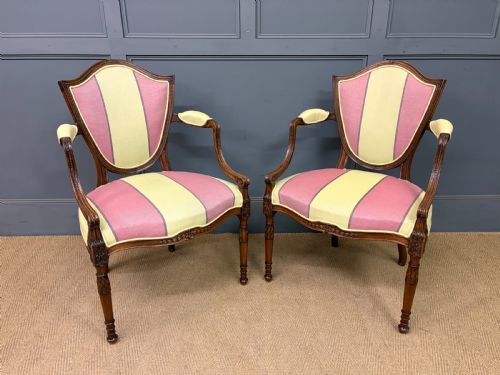
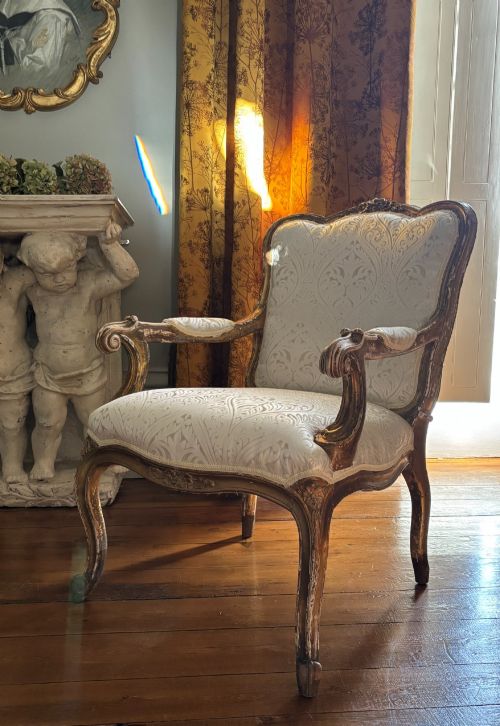
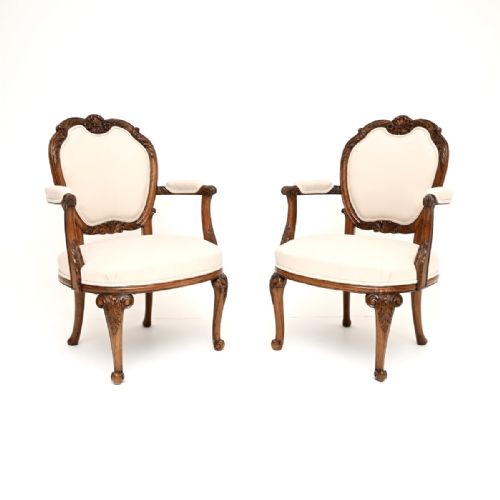
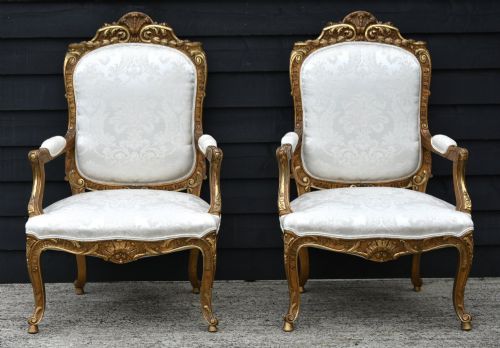
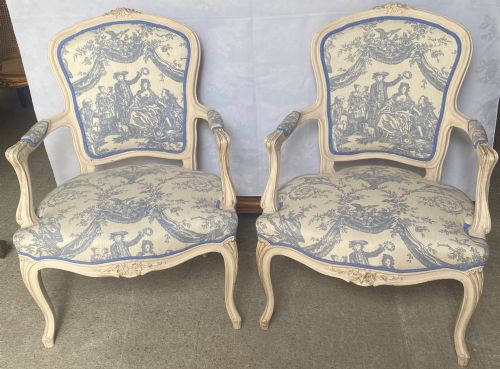
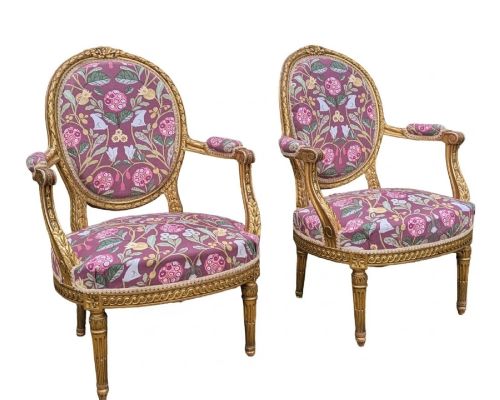
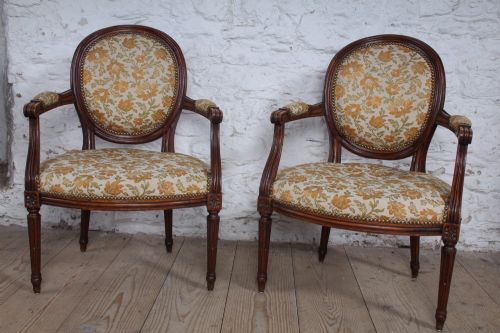
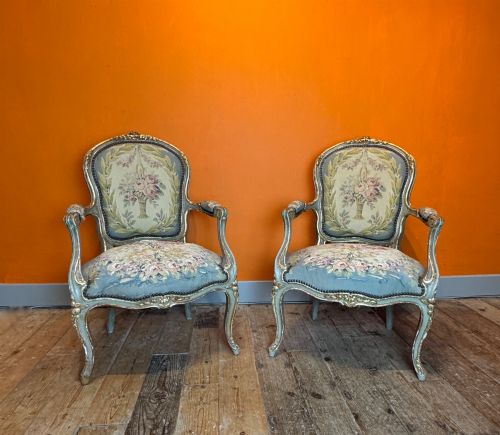
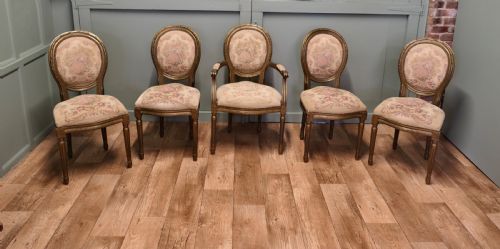
When searching for a vintage fauteuil, buyers encounter open-armed seating primarily styled after historical French periods, including Louis XV, Louis XVI, and Napoleon III revivals. These chairs function as salon seating, bedroom chairs, and library armchairs, appearing frequently in pairs or larger suites.
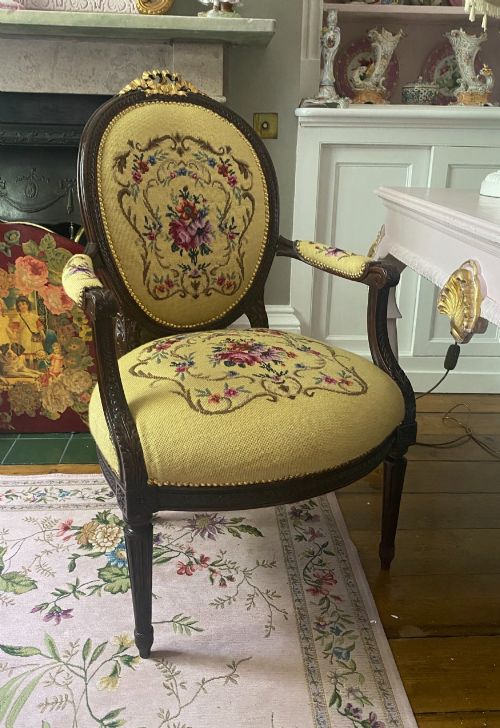
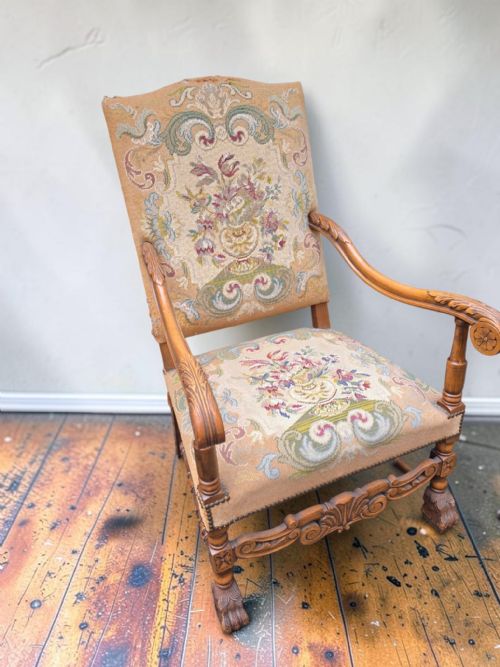
The form relies on exposed wooden frames carved with classical motifs, supporting upholstered backs and seats designed for formal reception rooms. Walnut, oak, and giltwood constitute the primary framing materials, often paired with textile coverings such as velvet, tapestry, and needlepoint.
Materials and construction methods
Carpenters shaped frames from dense hardwoods like walnut, mahogany, beech, and oak, applying hand-carved detailing and parcel gilding or original paint finishes. Brass accents and gilt bronze mounts occasionally secure structural joints or ornament the wood.
Upholstery techniques involve traditional stuffing secured over webbing, finished with textiles ranging from plain fabric to elaborate needlework panels and coral velvet. Frames utilise mortise and tenon joinery to support the open arm design characteristic of these chairs.
Vintage Fauteuil Retail Price Guide 2026
Typical asking prices for vintage fauteuil among the pieces listed under this phrase on Sellingantiques today, from the lower quarter to the upper quarter. They describe what is for sale here now, not the wider market.
Listings feature walnut, beech, oak, and mahogany frames combined with textile, velvet, and tapestry upholstery across nineteenth- and twentieth-century periods.
Distinctions in craftsmanship and finish
Quality separates through the crispness of the wood carving and the weight of the timber used in the frame, where denser walnut or mahogany demonstrates superior execution. Original surface treatments, such as uncompromised giltwood or authentic early paint finishes, elevate the standing of a piece.
The refinement of the upholstery work, including the complexity of needlepoint panels or tapestry coverings and the integrity of the underlying joinery, dictates the upper tier of the range.
Hille
The Vintage Fauteuil Glossary
- Fauteuil
- An open-armed upholstered armchair originating in France, typically featuring an exposed wooden frame. This form provides formal seating distinct from enclosed upholstered armchairs.
- Giltwood
- Timber coated with a thin layer of gold leaf or gilt powder for decorative effect. This finish appears frequently on revival salon chairs.
- Tapisserie
- Woven textile used for upholstery, often depicting pictorial scenes or floral motifs. These panels cover the backs and seats of period salon chairs.
- Neo-Rococo
- A 19th-century revival style drawing upon the asymmetrical curves and naturalistic ornamentation of the 18th-century Rococo movement. Frames in this style exhibit scrolling foliage and carved floral elements.
Vintage Fauteuil: Frequently Asked Questions
What is a vintage fauteuil?
A vintage fauteuil is an open-armed French armchair originating from the nineteenth or early twentieth century, built with an exposed wooden frame and upholstered seat and back.
These pieces draw heavily on historical French design movements such as Louis XV and Louis XVI revivals, functioning primarily as decorative salon or library seating.
How do I identify the period?
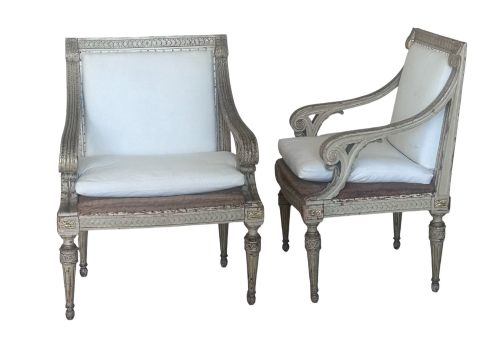
Dating relies on stylistic clues within the woodwork and carving, observing whether the frame follows the curved asymmetry of Rococo revival or the straight-lined neoclassical geometry of Louis XVI styles.
Secondary indicators include timber selection, such as walnut or mahogany, and the presence of original paint or gilt finishes typical of nineteenth-century manufacturing.
Are they comfortable for daily use?
Most pieces provide supportive seating through traditional padded backs and sprung or stuffed seats, though their upright postures suit formal conversation or reading rather than lounging.
Living with them involves placing them in sitting rooms, libraries, or bedrooms where their carved frames and upholstered panels contribute to the interior aesthetic.
Why do they often come in pairs?
Period drawing rooms and salons required symmetrical arrangements of seating furniture, leading craftsmen to produce matching pairs of armchairs and larger salon suites for formal hosting.
Finding matched pairs remains common on the market, allowing buyers to balance room layouts effectively.