

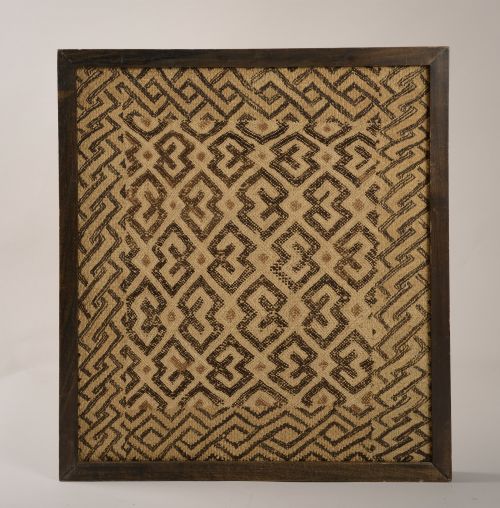

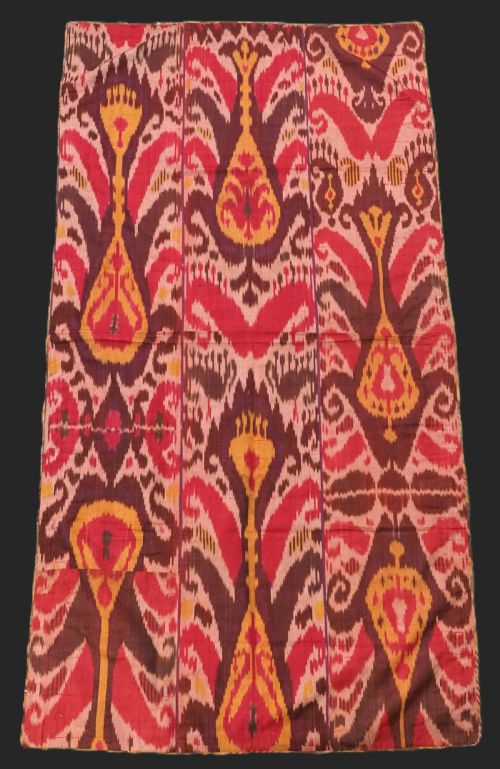

Vintage Fabric Panel
A vintage fabric panel brings tactile depth and rich pattern to a room, offering historical textiles ready for display.
Vintage Fabric Panel
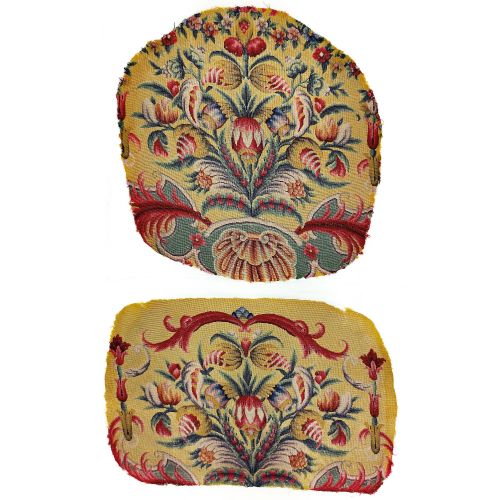
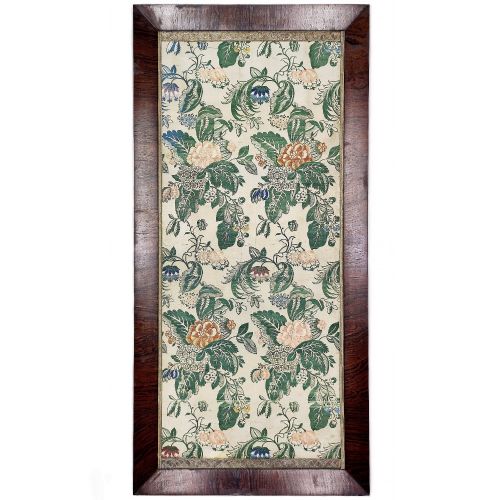
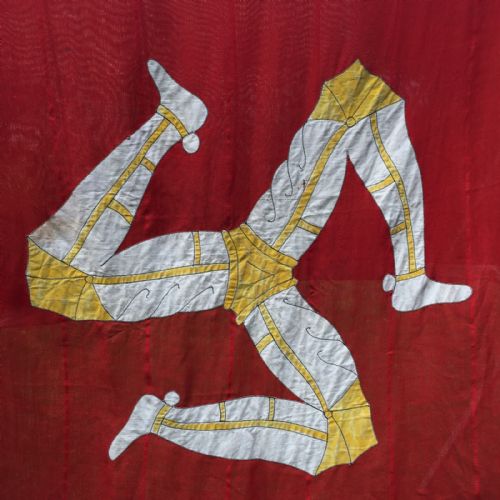
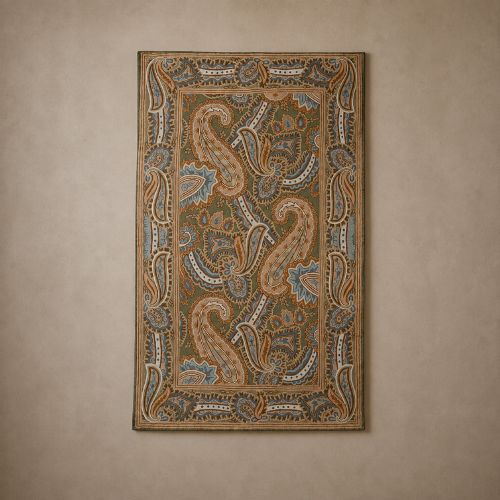
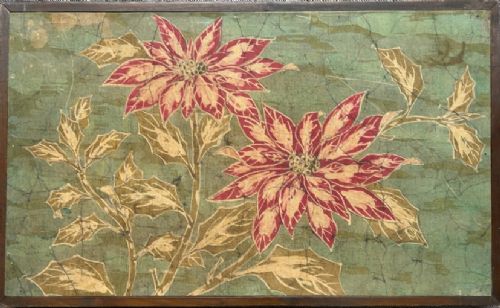
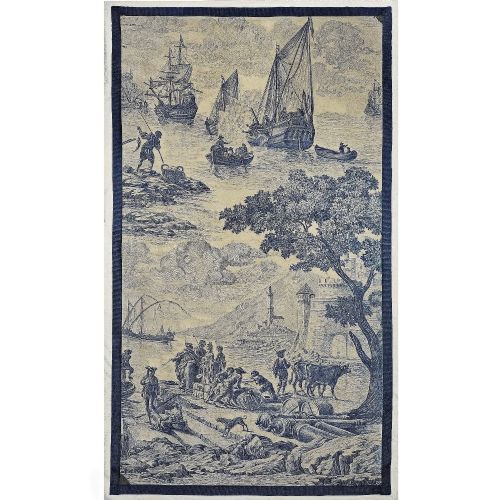
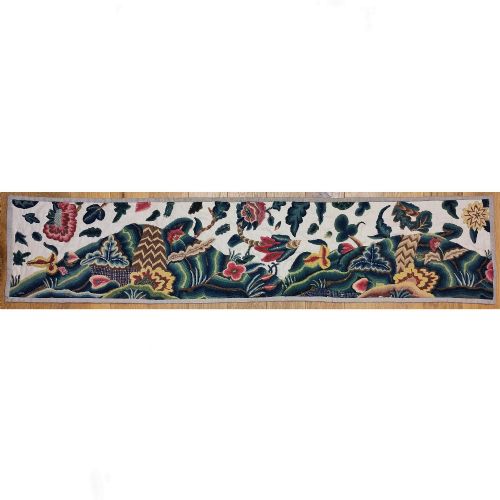
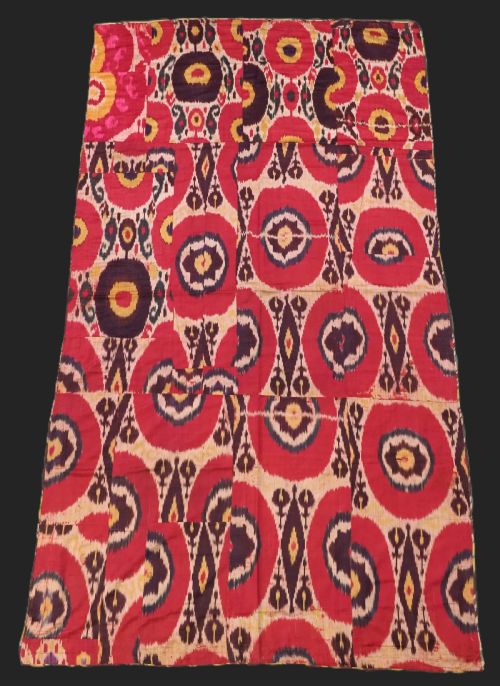
A vintage fabric panel encompasses a diverse range of historical textiles, wall hangings, and framed fragments originating from varied global traditions. Buyers searching this phrase encounter everything from Central Asian suzanis and ikats to European tapestries, crewelwork, and toile fragments.
Origin points vary widely, covering English needlework, French lace samplers, Persian rugs, and Uzbek adras panels. This variety allows collectors to choose between framed decorative fragments and substantial architectural hangings.
How they were made
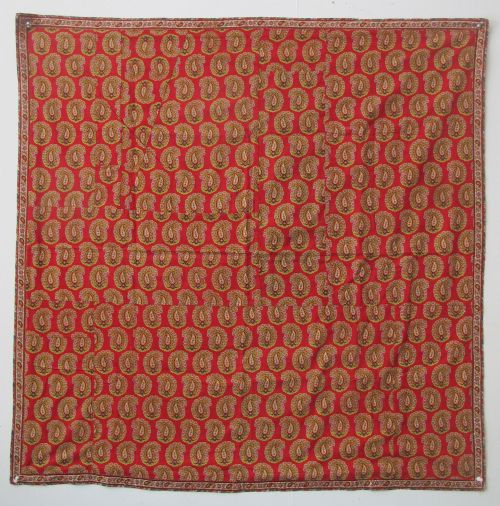
Materials span natural fibres including cotton, silk, wool, and linen, often combined with wooden, brass, or glass framework elements in panel screens. Artisans utilised traditional techniques such as hand blockprinting, needlework, crewel embroidery, and Ikat dyeing on semi-silk grounds.
Construction methods depend heavily on the geographic origin and intended function of the textile. Uzbek ikats display complex resist-dyeing methods on silk and cotton grounds, whereas English and French examples frequently employ fine needlepoint, lace samplers, or printed toile on linen.
Vintage Fabric Panel Retail Price Guide 2026
Typical asking prices for vintage fabric panel among the pieces listed under this phrase on Sellingantiques today, from the lower quarter to the upper quarter. They describe what is for sale here now, not the wider market.
Materials represented across the selection include cotton, silk, wool, linen, glass, wood, and brass.
What varies in quality
Quality reveals itself in the density of the stitching, the clarity of the printed motifs, and the preservation of the original fibres. Finer examples display meticulous hand embroidery, such as fully worked suzanis or intricate crewelwork with securely anchored threads.
The integrity of the material structure also defines the upper tier of the range. Intact selvedges, vibrant natural dyes, and minimal degradation of fragile silk or cotton grounds distinguish superior panels from heavily worn or fragmented textile remnants.
William Morris
The Vintage Fabric Panel Glossary
- Suzani
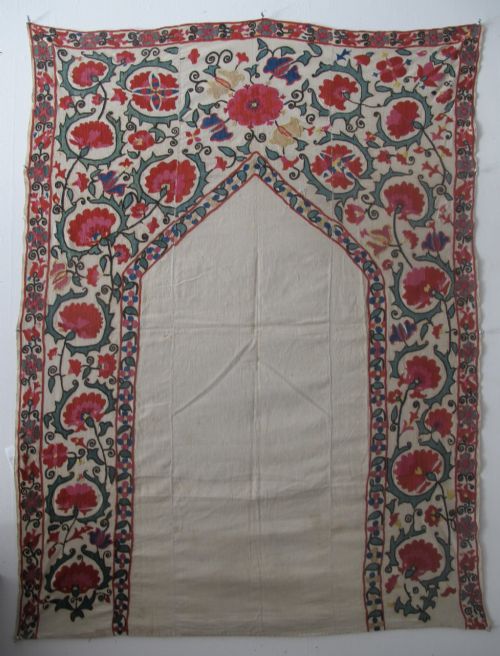
- An embroidered tribal textile originating from Tajikistan, Uzbekistan, and other Central Asian regions. These pieces typically feature bold floral designs worked in silk thread on a cotton ground.
- Ikat
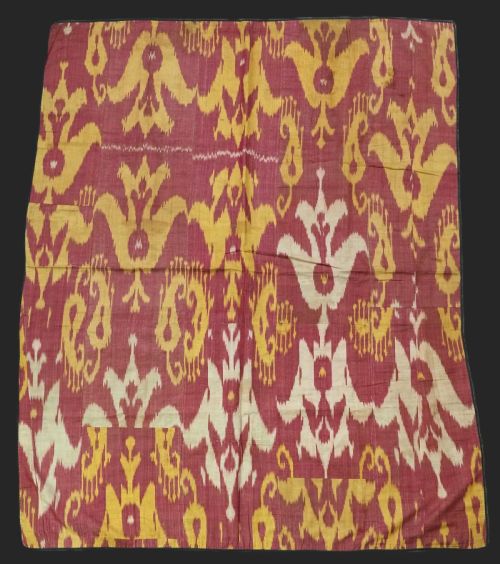
- A dyeing technique where yarn is resist-dyed prior to weaving, creating characteristic blurred edges along the pattern motifs. Uzbek examples often utilise a semi-silk adras weave.
- Crewelwork
- A type of embroidery executed using wool yarn on a sturdy linen or cotton foundation. Traditional English interpretations often depict scrolling floral and fauna patterns.
- Toile
- A cotton or linen fabric featuring a monochromatic printed pastoral scene, frequently associated with 18th-century French design. Surviving fragments are often framed as decorative wall art.
- Palampore
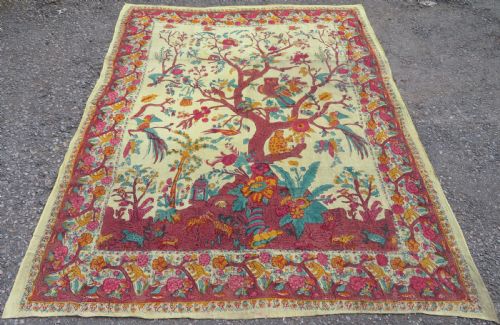
- A large, hand-painted and mordant-dyed cotton bed cover originating from India for export markets. These textiles showcase elaborate tree of life designs.
Vintage Fabric Panel: Frequently Asked Questions
How should I hang a fragile textile panel?
Mount the fabric onto a padded, acid-free board covered in a neutral cotton fabric to distribute the weight evenly across the piece. Avoid using direct pins or glues that can pierce or stain delicate historical fibres.
Suspend the prepared board using a concealed wooden cleat system mounted securely to the wall. This keeps the textile flat and prevents long-term sagging or distortion of the weave.
What is the difference between a suzanis and an ikat?
A suzani is a hand-embroidered textile created with needle and thread applied to a woven foundation fabric. The designs are added after the base cloth is fully completed.
An ikat is patterned during the actual weaving process through precise resist-dyeing of the warp or weft yarns before they meet on the loom. The resulting patterns possess a distinctive feathered outline along the colour boundaries.
How do I protect vintage textiles from light damage?
Keep textile panels away from direct sunlight and strong artificial spotlights to prevent natural and synthetic dyes from fading permanently. UV-filtering glass should be used if the piece is placed inside a picture frame.
Rotate pieces displayed in bright rooms periodically to ensure even exposure. Ambient indirect light is safest for long-term preservation of silk and cotton.